
 EN
EN English
 Español


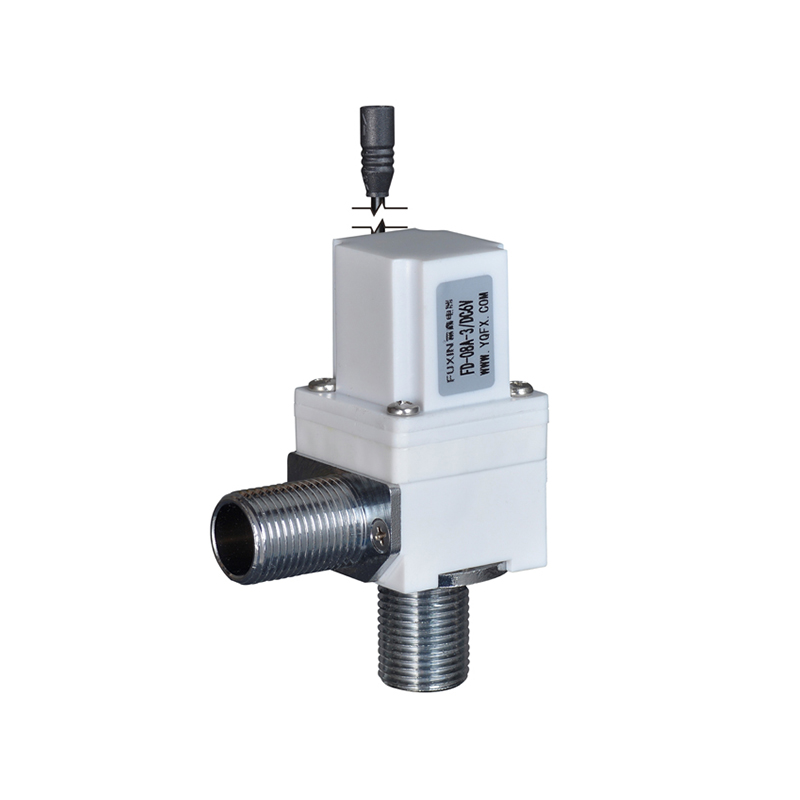
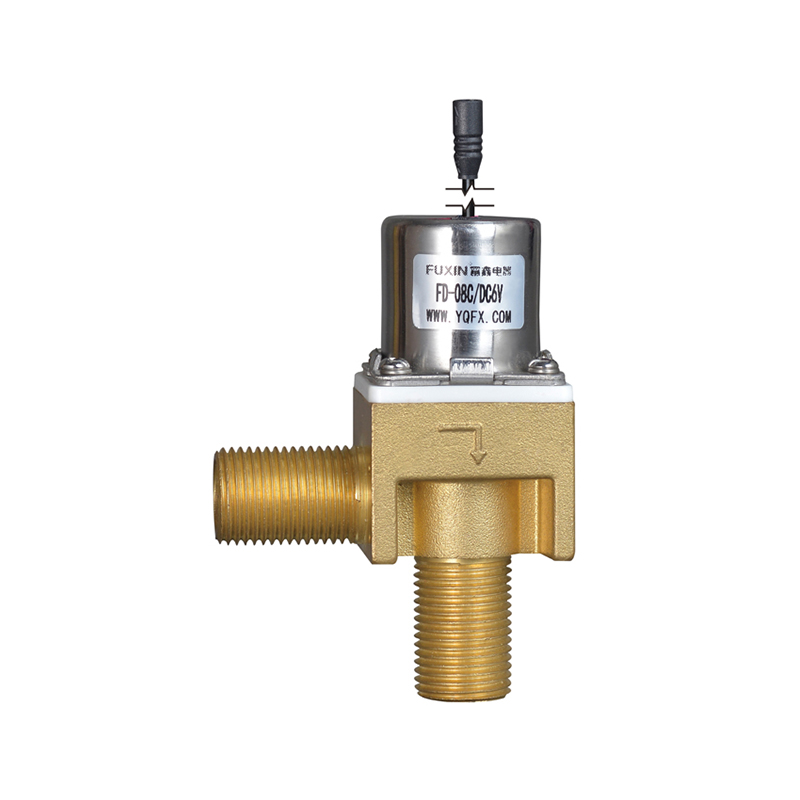
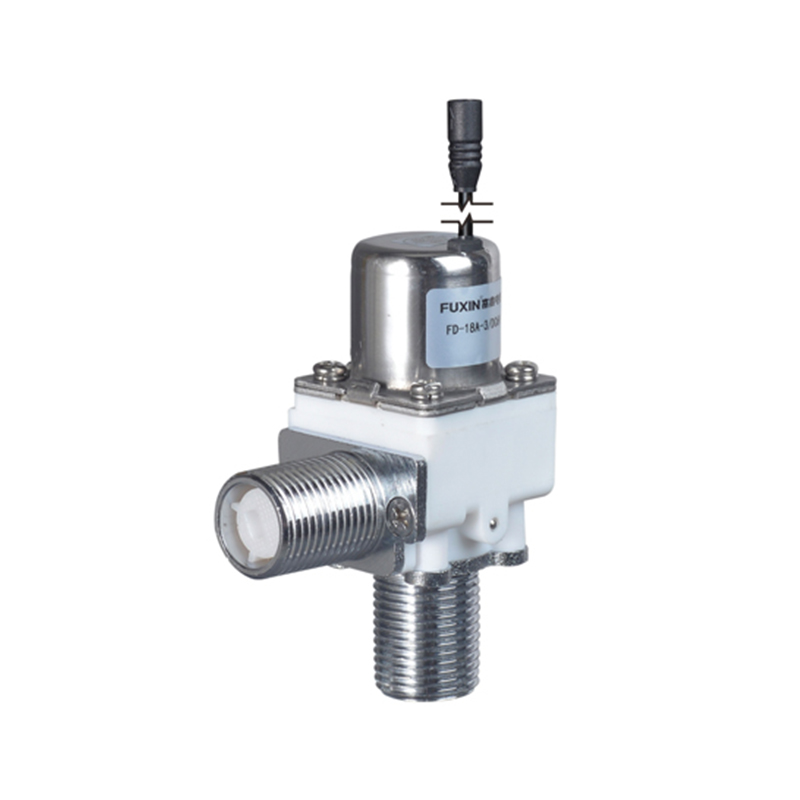
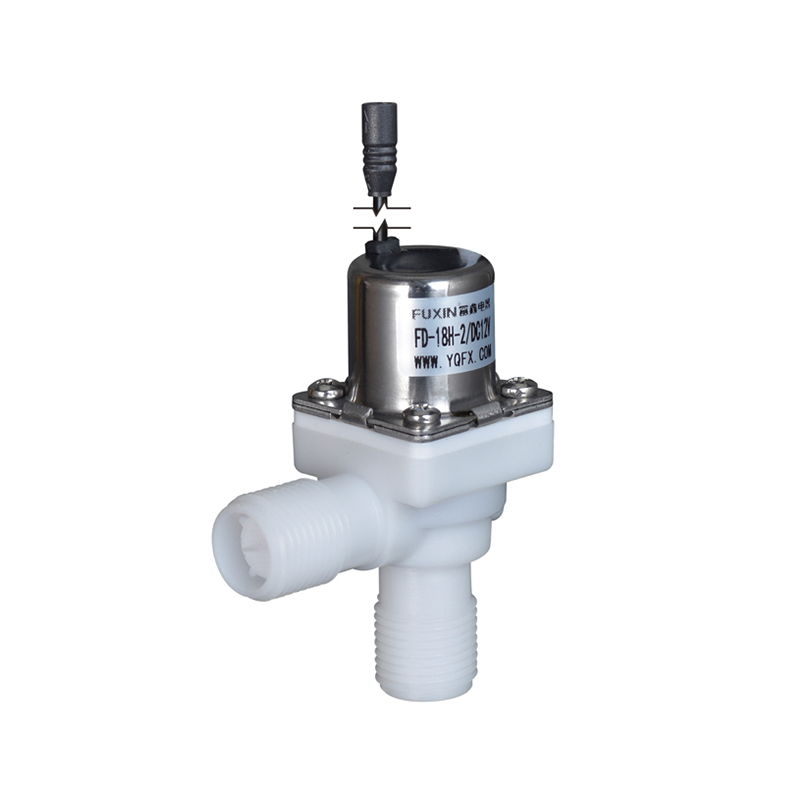
Sensor faucets have become common in commercial and public washrooms. Behind stable water control is a key electromagnetic component that determines response speed, power usage, and long-term durability. The Bi Stable Solenoid Valve plays this role inside modern automatic sanitary systems.
For faucet manufacturers and project engineers, unstable valve performance often results in high maintenance frequency, battery replacement issues, and inconsistent user experience. Selecting the right valve is not only a component decision but a structural decision affecting the entire faucet system.
This article focuses on real operational concerns and explains how a professional Bi Stable Solenoid Valve Manufacturer supports reliable sensor faucet design.
Energy Consumption and Control Stability
Battery-powered sensor faucets must balance responsiveness with low energy demand. Traditional solenoid valves require continuous current to maintain open or closed positions. Over time, this drains power quickly, especially in high-traffic washrooms.
A Bi Stable Solenoid Valve works differently. It uses pulse signal control, switching state within approximately 25 milliseconds. Once switched, it maintains position without continuous power input. This design significantly reduces energy consumption compared to conventional solutions.
In pulse mode, the valve can reach up to one million operating cycles under standard conditions. For public facilities where faucets are activated frequently throughout the day, this cycle durability reduces component replacement frequency.
Durability in Wet and Impure Environments
Bathroom installations expose components to constant moisture, splashing water, and variable water quality. A valve without adequate protection may suffer from internal corrosion, electrical issues, or clogging.
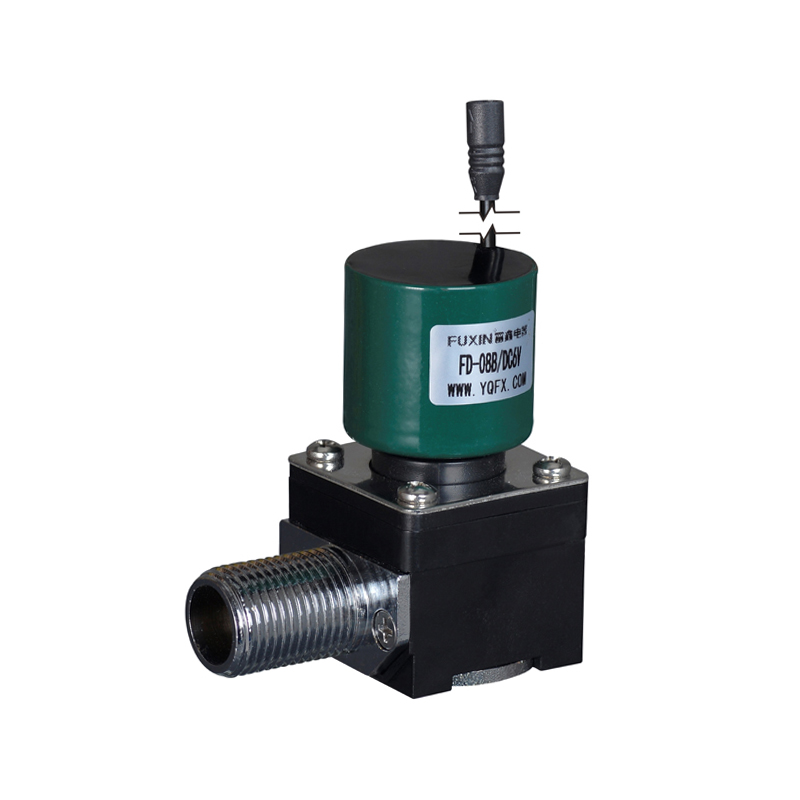
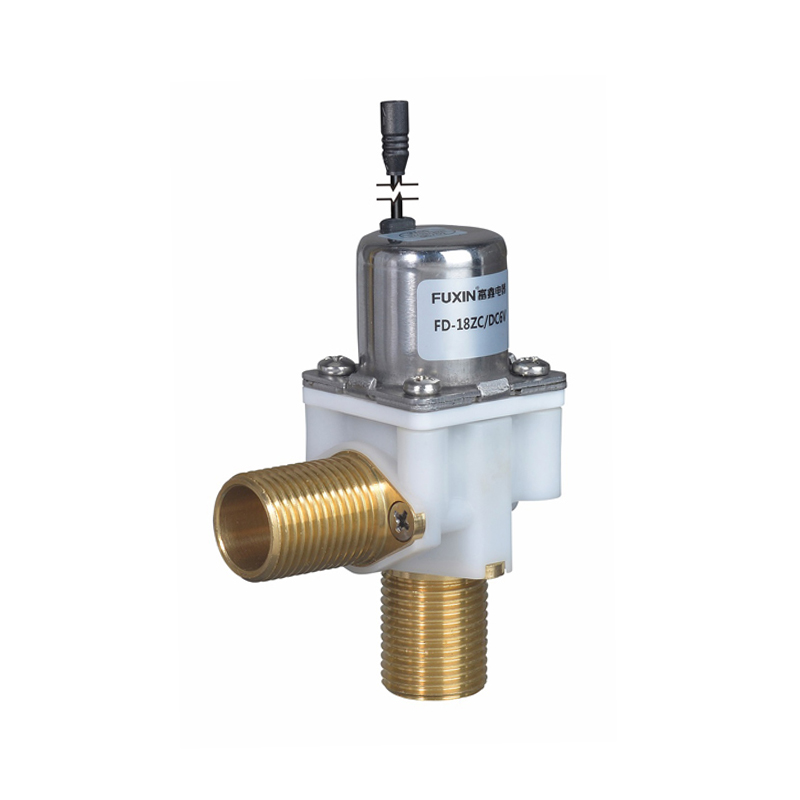
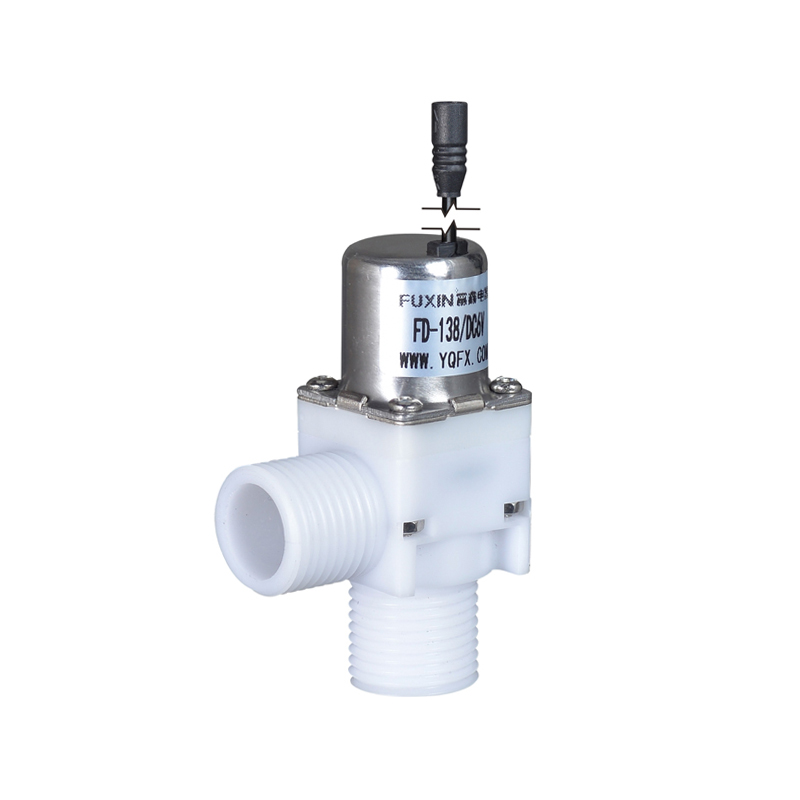
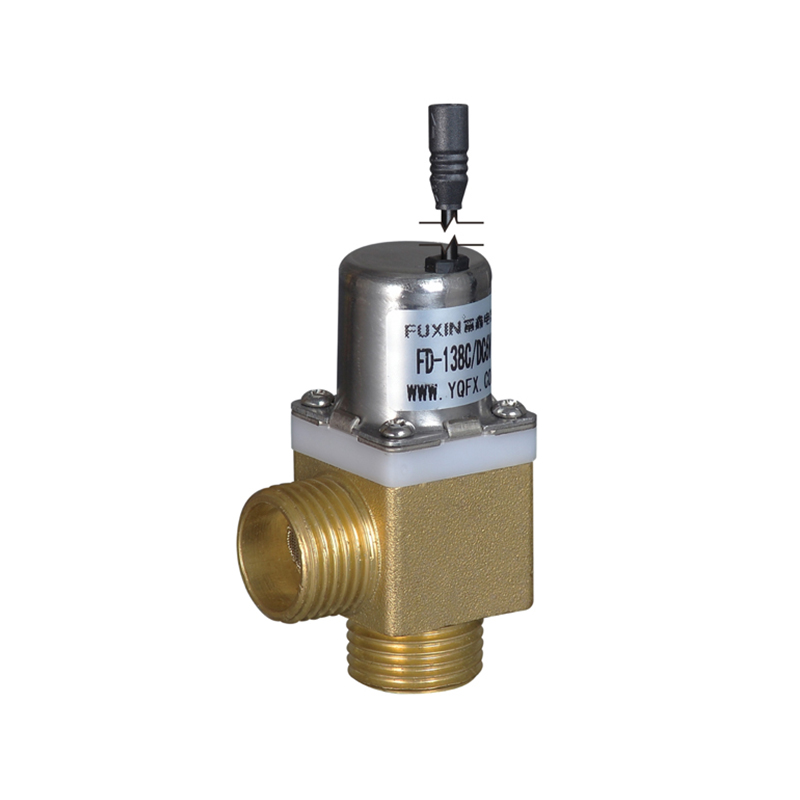
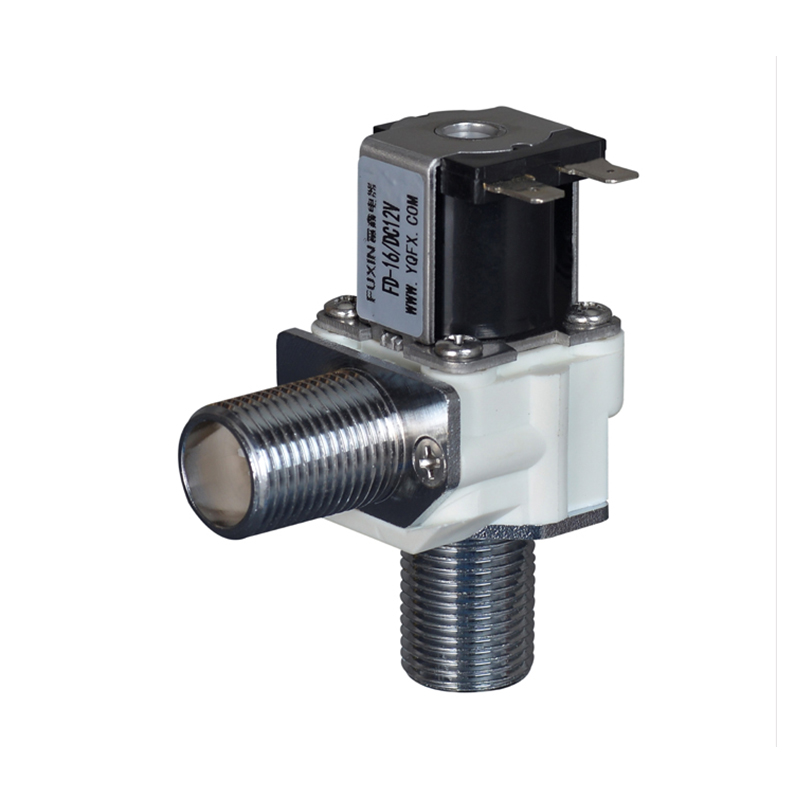
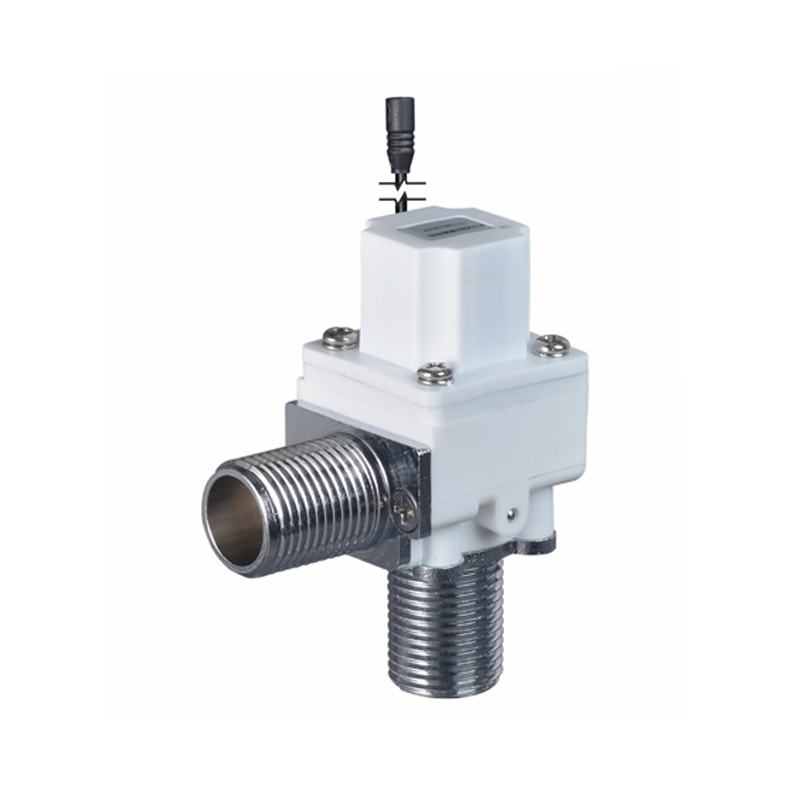
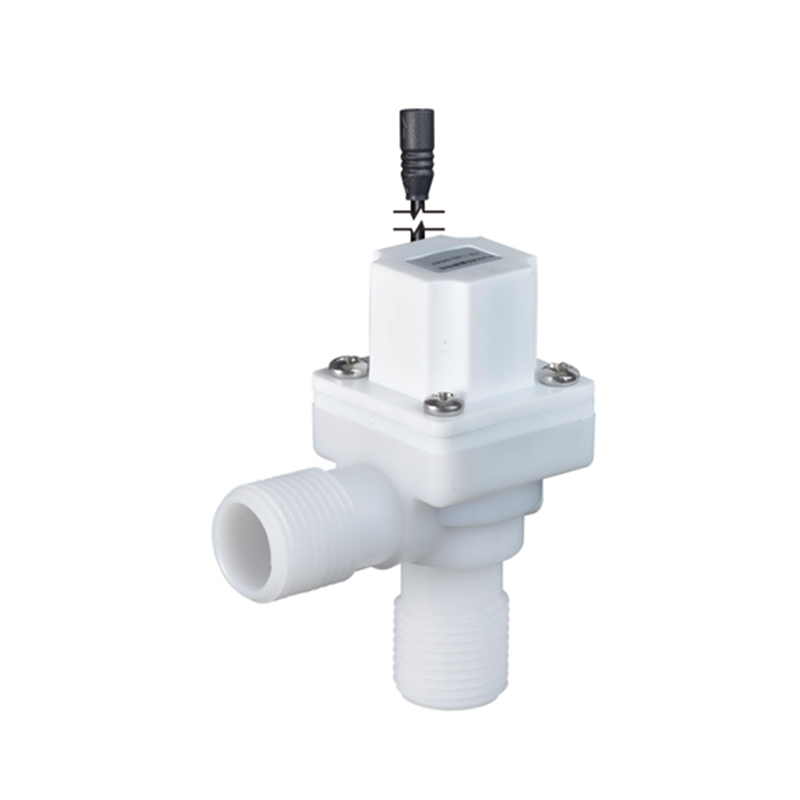
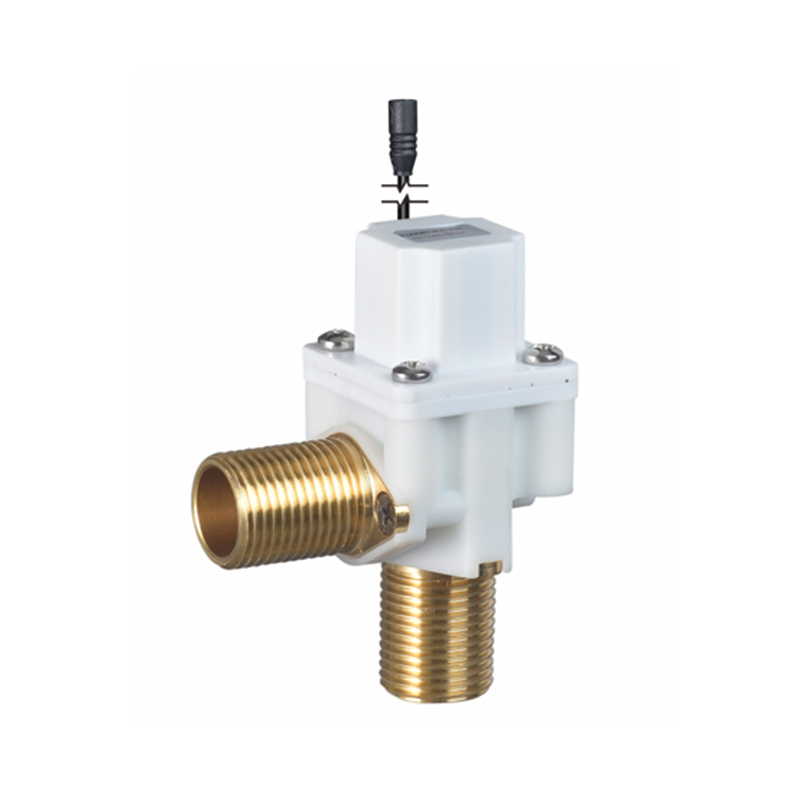
The Bathroom Bi-stable Sensor Faucet Solenoid Valve is designed with a waterproof rating up to IP67. This allows the valve to tolerate temporary immersion and strong water exposure. In practical terms, it continues operating reliably in humid under-sink spaces and compact faucet housings.
Water impurities are another operational concern. Sediment, fine particles, and mineral buildup can affect flow control and internal sealing. The Bi Stable Solenoid Valve incorporates self-cleaning functionality and strong impurity resistance capability. Its internal structure helps reduce particle accumulation during operation, lowering maintenance demands.
For OEM faucet manufacturers, fewer after-sales issues translate into more stable product performance across different regions with varying water conditions.
Material flexibility further expands application scenarios. A capable Bi Stable Solenoid Valve Manufacturer can provide valves constructed from corrosion-resistant materials suitable for seawater exposure, high concentrations of acids or alkalis, and oily water environments. This adaptability supports specialized sanitary installations beyond standard domestic use.
Structural Flexibility and Manufacturing Support
Space constraints inside sensor faucets require compact and adaptable valve designs. Fixed inlet and outlet dimensions can complicate integration into different faucet structures.
The Bi Stable Solenoid Valve used in bathroom systems allows adjustment of inlet and outlet lengths according to design requirements. This structural flexibility simplifies mechanical integration and reduces redesign workload during new product development.
The Bi Stable Solenoid Valve is a core control component in modern sensor bathroom faucets. Its pulse-driven operation reduces energy demand while supporting high cycle durability. Waterproof performance up to IP67 protects the internal structure in humid environments. Self-cleaning capability and impurity resistance contribute to stable long-term operation.
Structural flexibility and material customization allow the valve to adapt to various faucet designs and challenging media conditions. Working with an experienced Bi Stable Solenoid Valve Manufacturer helps align technical specifications with product development goals, supporting consistent and reliable sanitary system performance.