
 EN
EN English
 Español


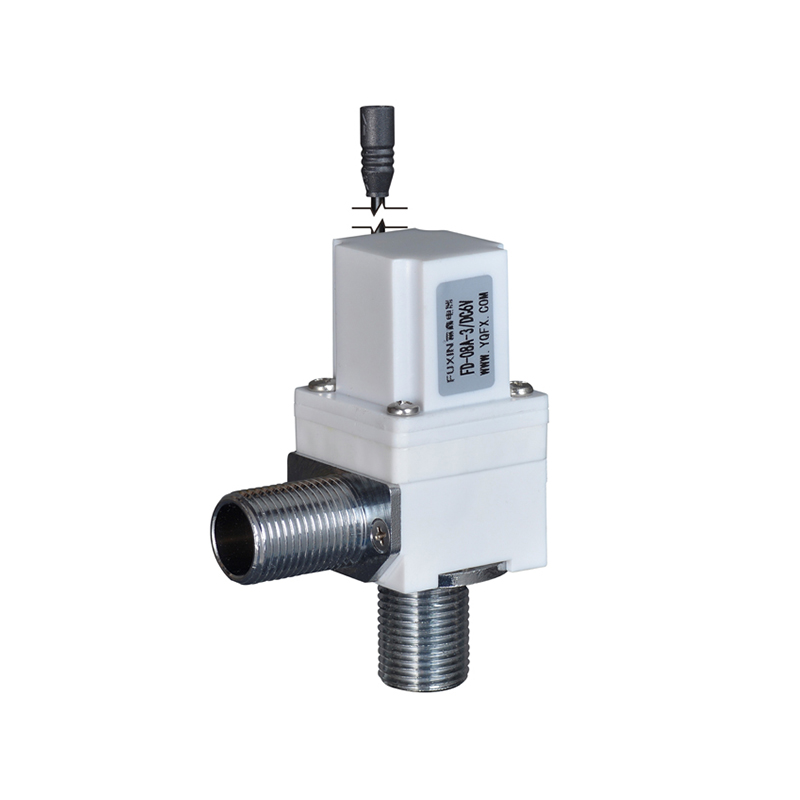
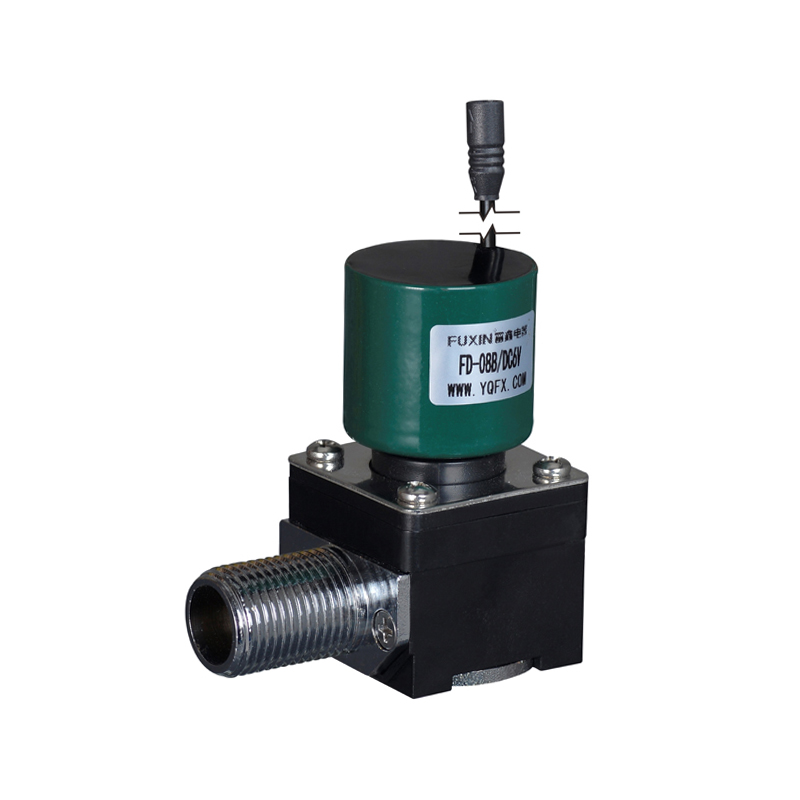
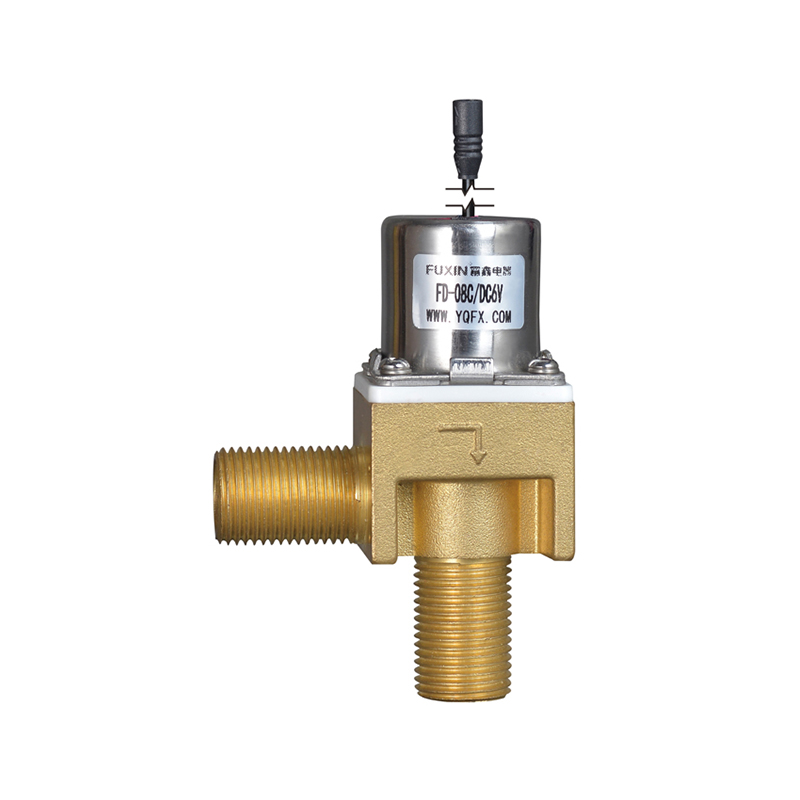
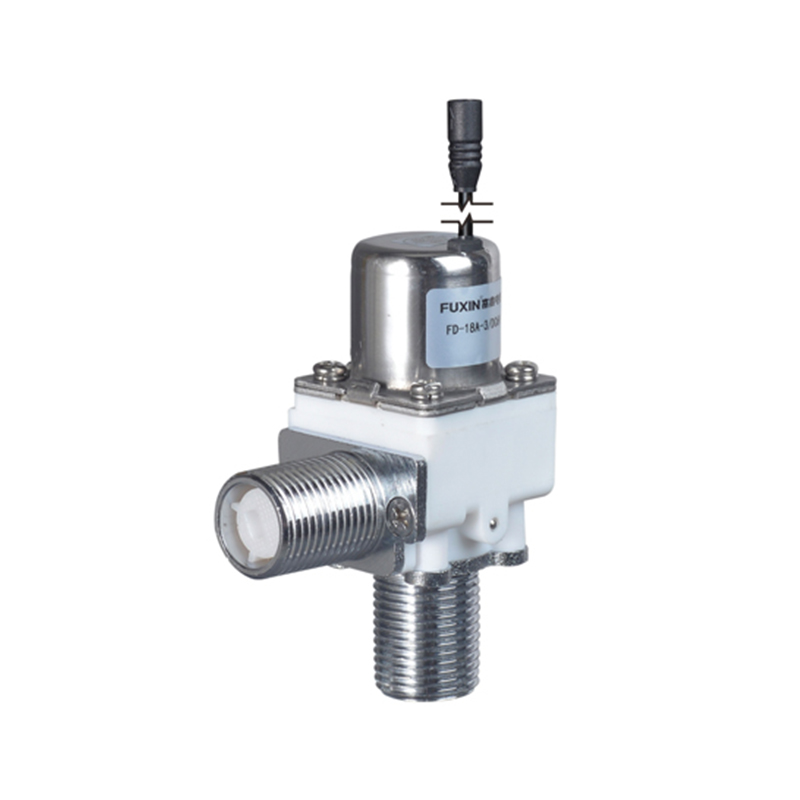
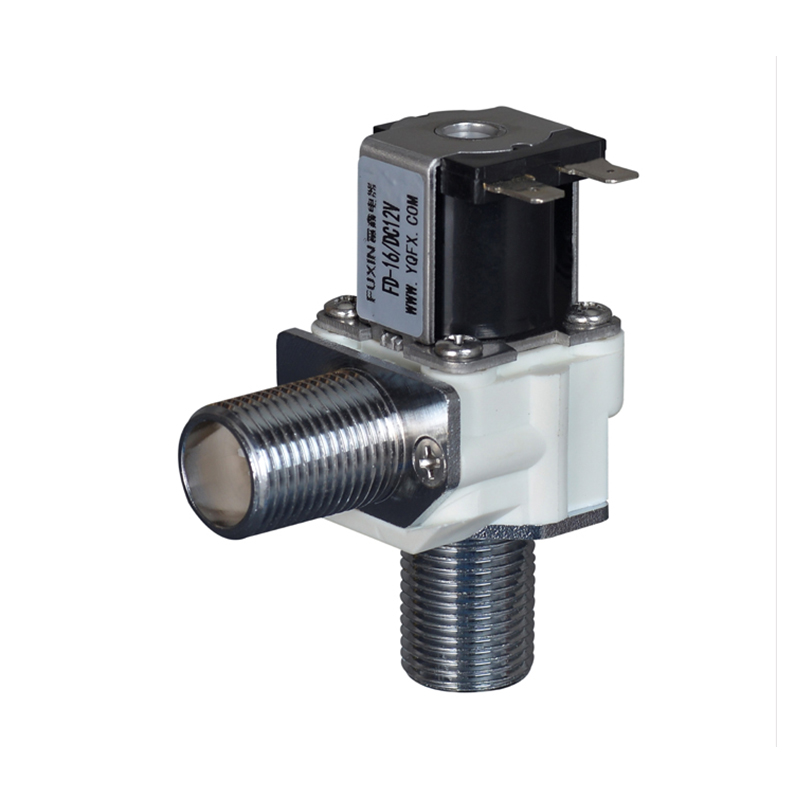
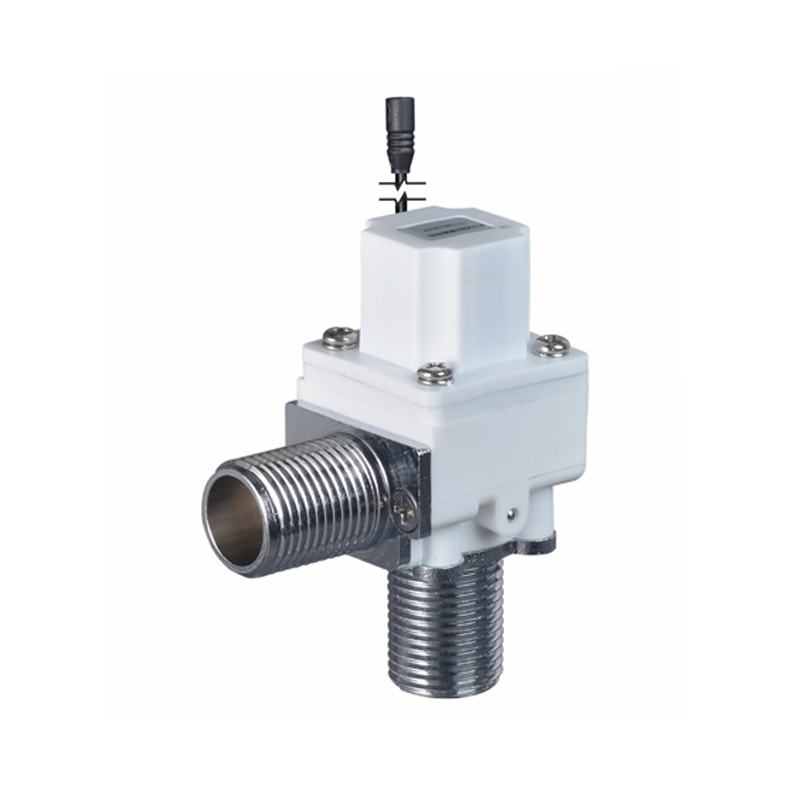
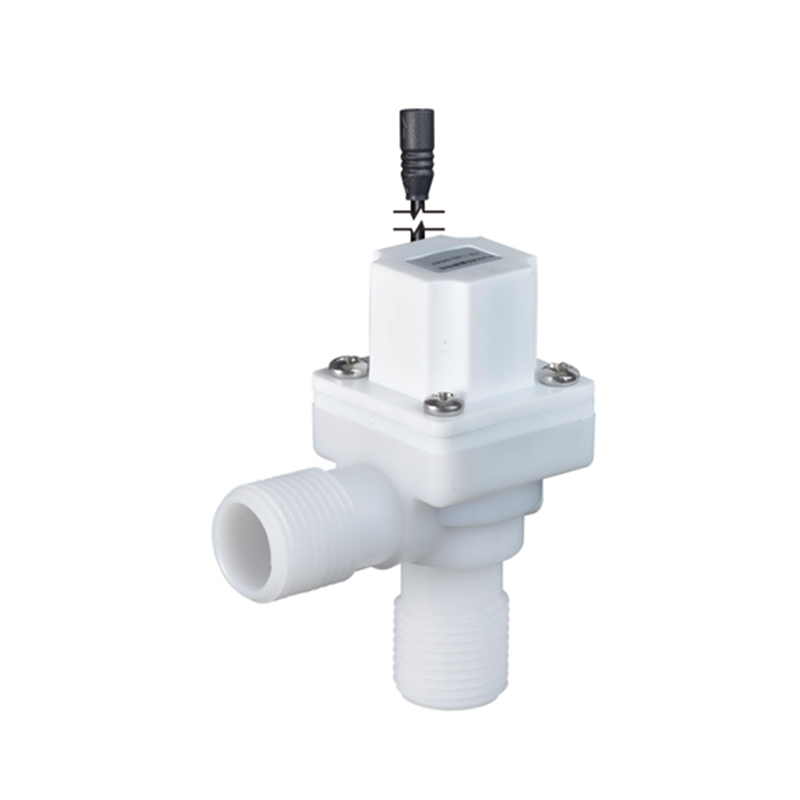
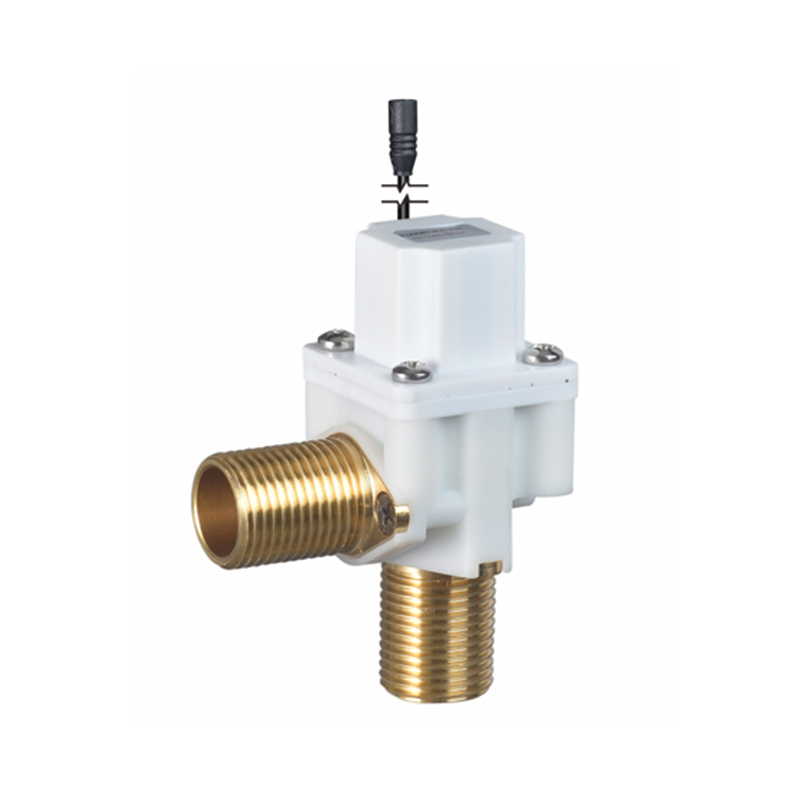
Automatic water control has become standard across residential, commercial, and industrial installations. From sensor faucets to water purification systems, controlled flow is essential for consistent operation. At the center of these systems is the Water Solenoid Valve, a compact but critical component that regulates opening and closing through electrical signals.
In practical applications, performance challenges often appear in the form of leakage, unstable switching, coil overheating, or clogging caused by water impurities. Selecting the right structure and working with a reliable Water Solenoid Valve Manufacturer directly affects system stability and long-term operation.
Addressing Common Operational Problems
In real installations, valves are exposed to varying water pressure, mineral content, and temperature changes. Several recurring issues appear when the valve structure is not optimized.
Leakage and Sealing Wear
Frequent opening and closing can accelerate seal wear. Poor material selection may cause deformation over time, especially under fluctuating pressure. Proper sealing materials matched to water conditions reduce this risk.
Impurity Blockage
Sediment, rust particles, and scale buildup often block internal passages. When the internal channel design is narrow or lacks debris tolerance, flow becomes restricted. A well-designed Water Solenoid Valve includes impurity-resistant structural features to reduce clogging frequency.
Coil Overheating
Continuous energizing in some applications increases internal temperature. Excess heat affects coil insulation and shortens operational lifespan. Voltage compatibility and duty cycle planning must align with system design.
These operational pain points highlight why technical support from a Water Solenoid Valve Manufacturer matters during product selection.
Material Selection and Media Compatibility
Water quality differs across regions. Some systems operate with clean tap water, while others encounter hard water, mild chemical additives, or slightly corrosive environments.
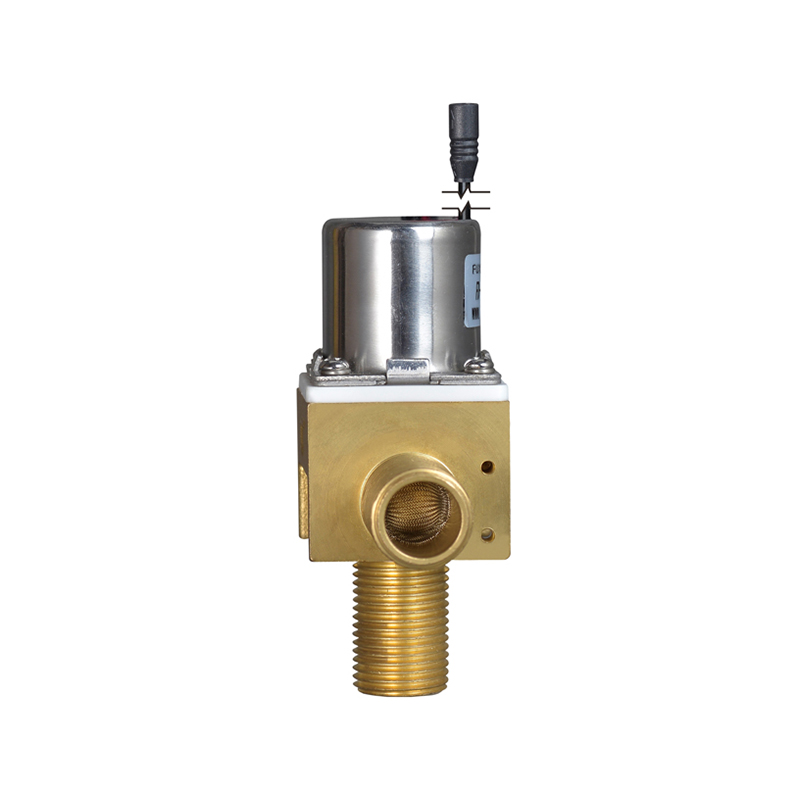
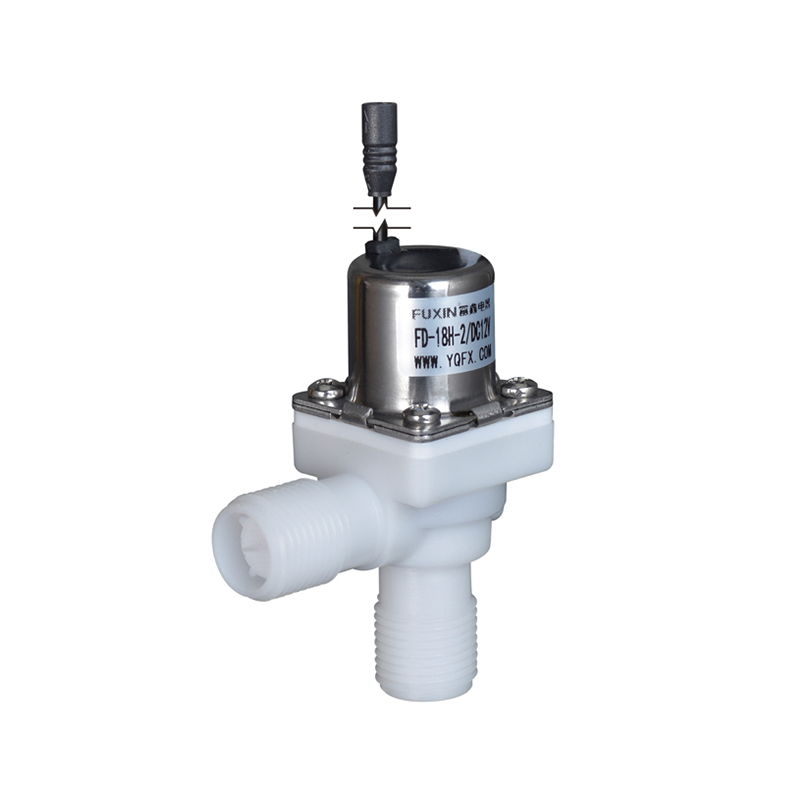
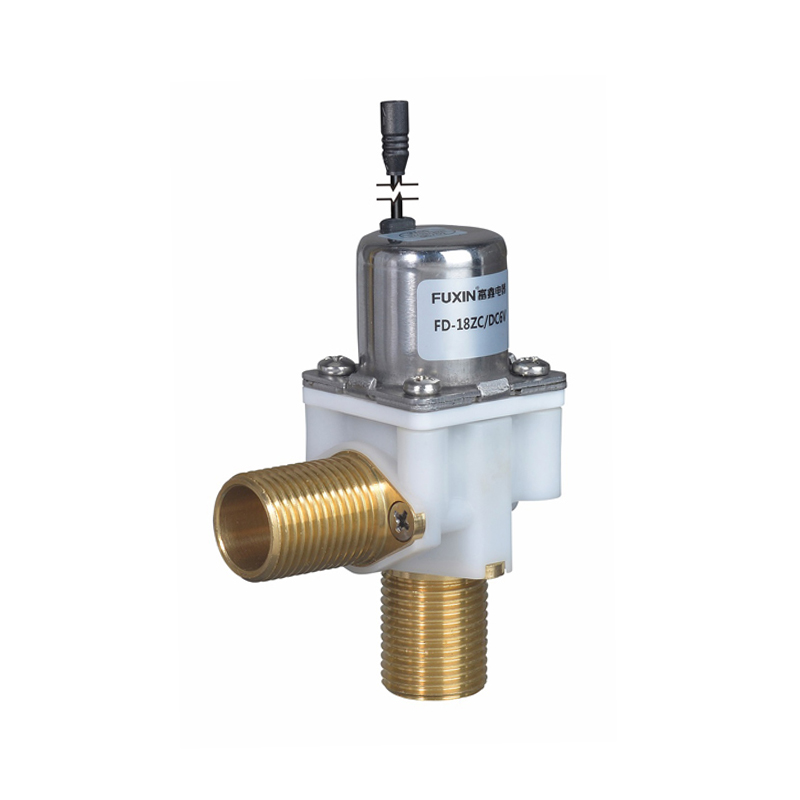
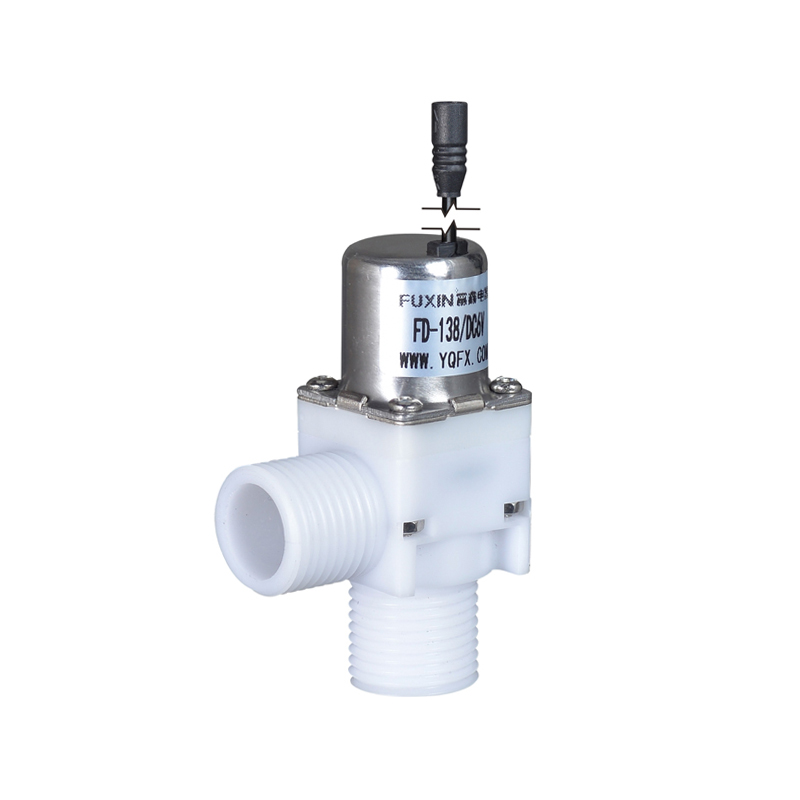
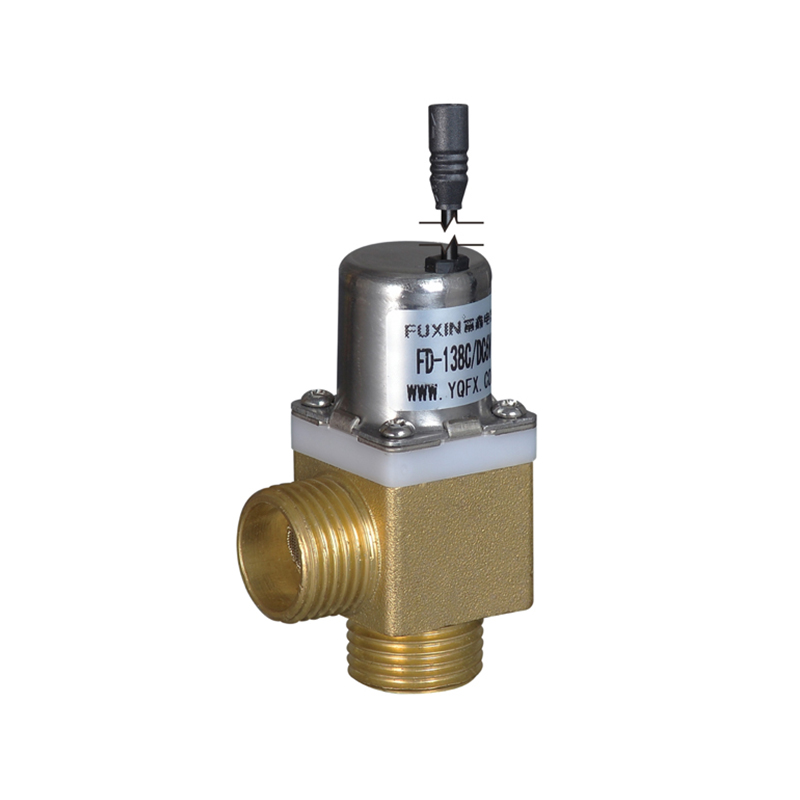
Valve body materials may include brass, stainless steel, or engineered polymers, depending on the application. Seal materials such as EPDM or other elastomers are selected based on temperature range and chemical exposure.
Installation and Integration Factors
Installation errors can compromise valve performance even when product quality is stable. Flow direction, filtration, and pressure matching must be evaluated before system integration.
Recommended practices include:
- Installing filtration upstream when water contains visible particles
- Verifying voltage supply stability
- Avoiding excessive vibration exposure
- Confirmingthe correct pressure range
A responsible Water Solenoid Valve Manufacturer typically provides installation documentation and technical drawings to support integration.
Clear communication between equipment design teams and valve engineers helps prevent a mismatch between specification and actual working conditions.
Why Work with a Professional Water Solenoid Valve Manufacturer
Component quality directly affects equipment reputation. Beyond supplying standard models, a professional Water Solenoid Valve Manufacturer contributes to project stability through:
- Technical consultation during the design phase
- Customizable structural options
- Consistent batch production quality
- Testing data support
Manufacturing experience allows better control over coil winding accuracy, assembly precision, and quality inspection processes.
For long-term cooperation, production capacity and supply stability are equally important. Consistent manufacturing processes reduce variation between batches and support steady equipment output.
The Water Solenoid Valve plays a central role in automated water control systems. Stable electromagnetic response, durable sealing materials, and impurity resistance determine how well the valve performs under daily operational pressure.
Material compatibility, installation planning, and realistic lifecycle evaluation all contribute to reliable flow regulation. Collaboration with a qualified Water Solenoid Valve Manufacturer provides technical alignment, structural flexibility, and production consistency.