
 EN
EN English
 Español


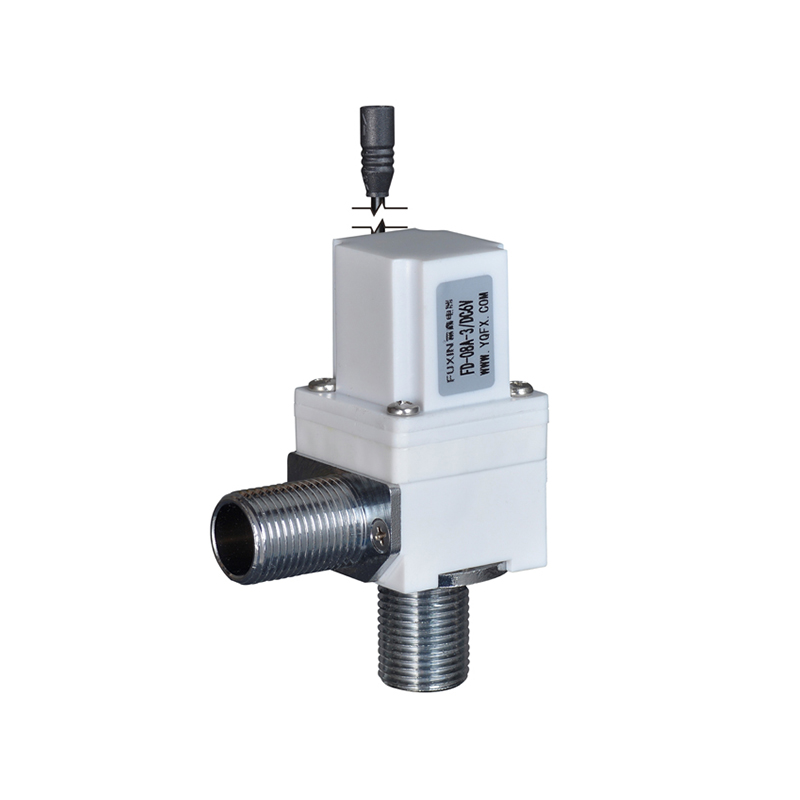
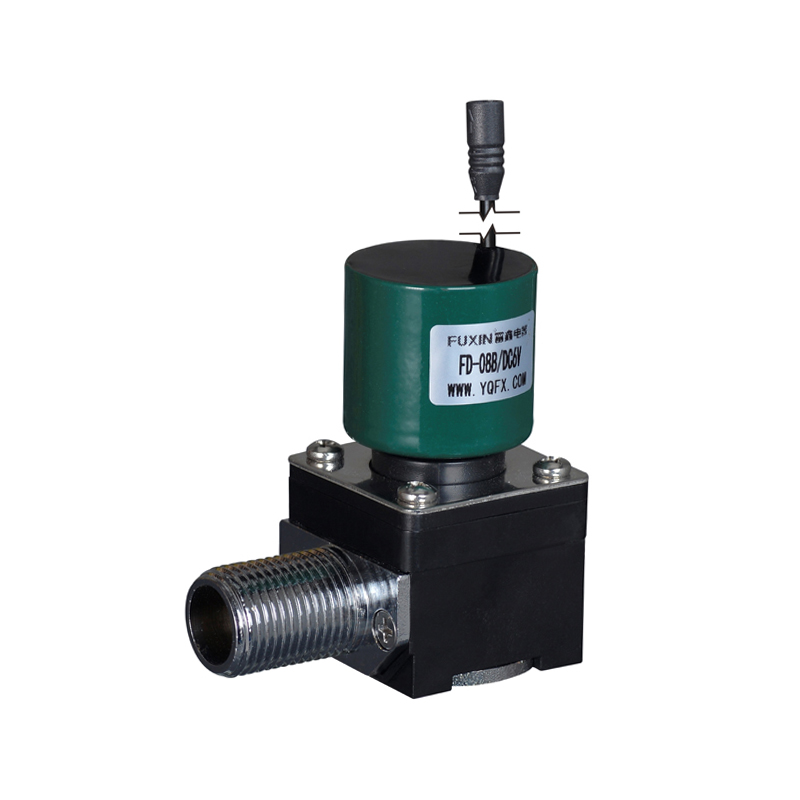
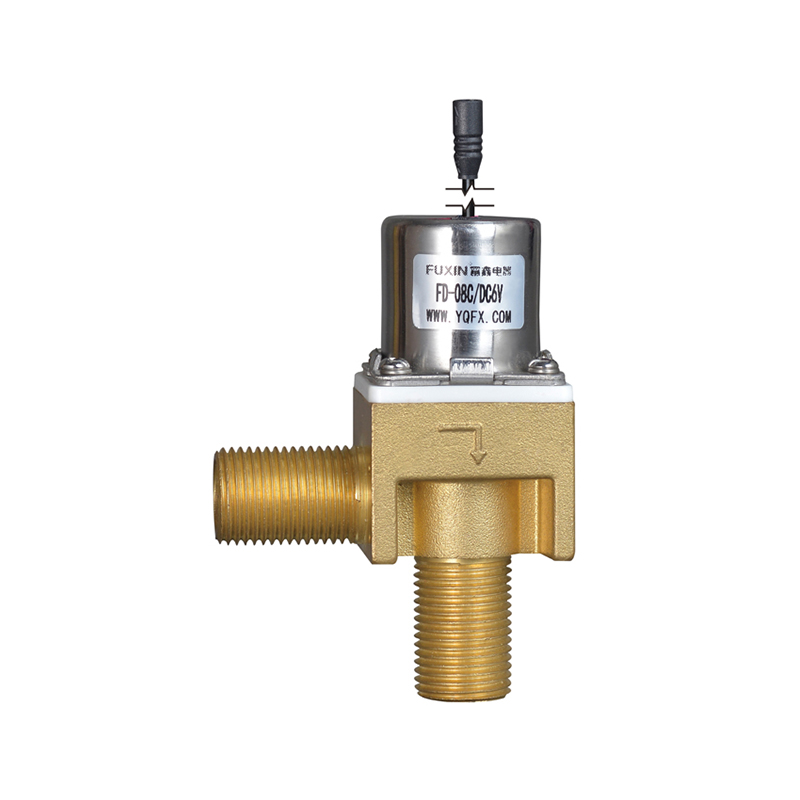
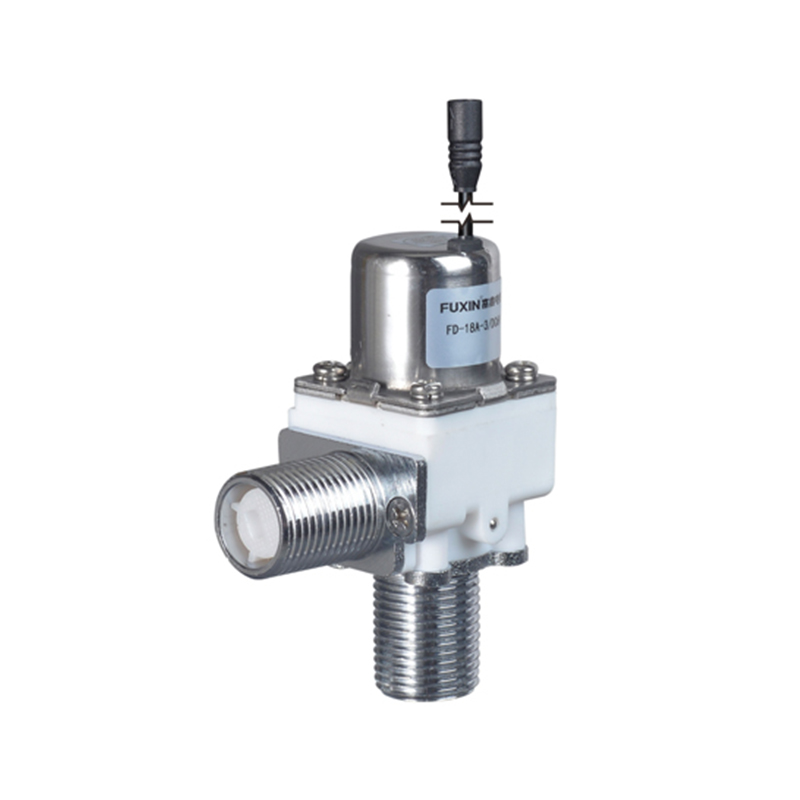
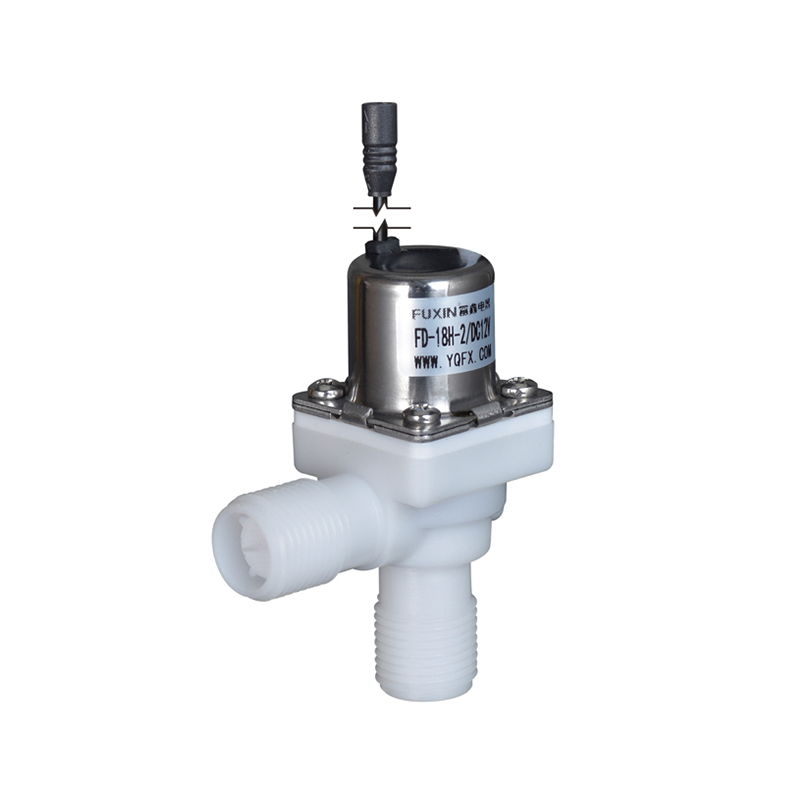
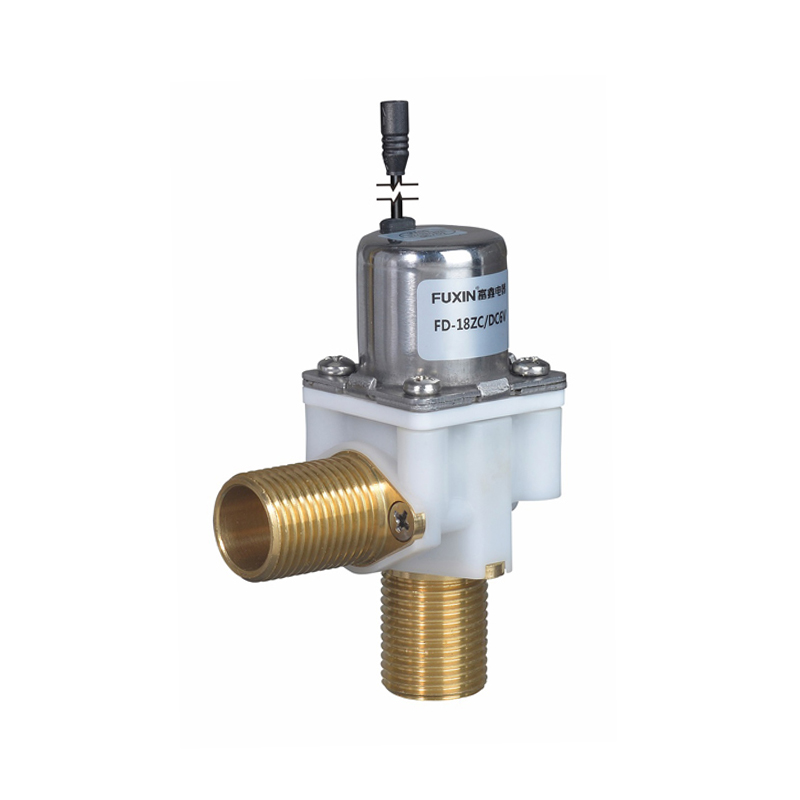
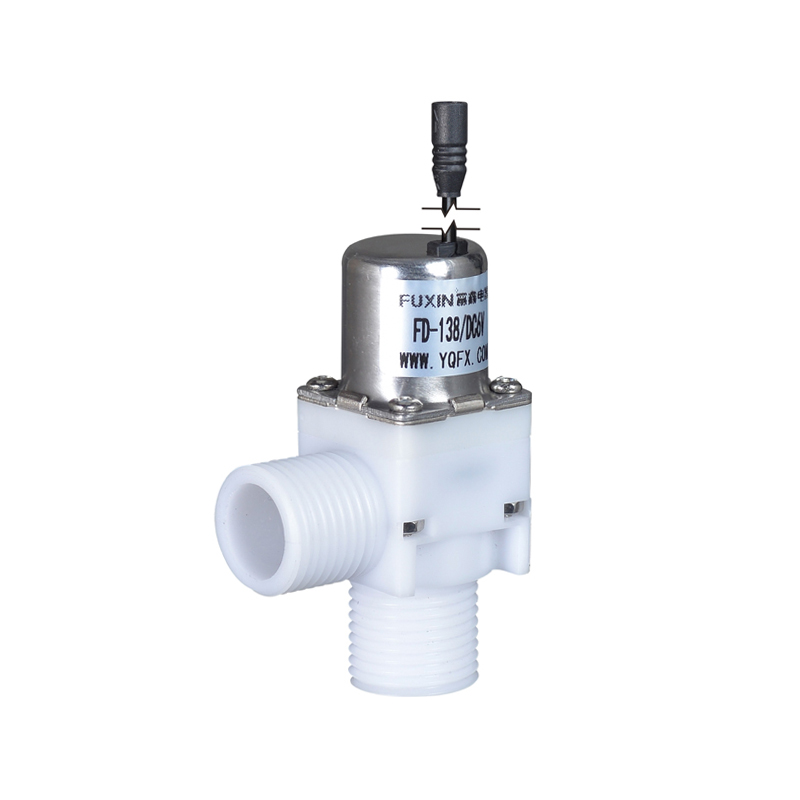
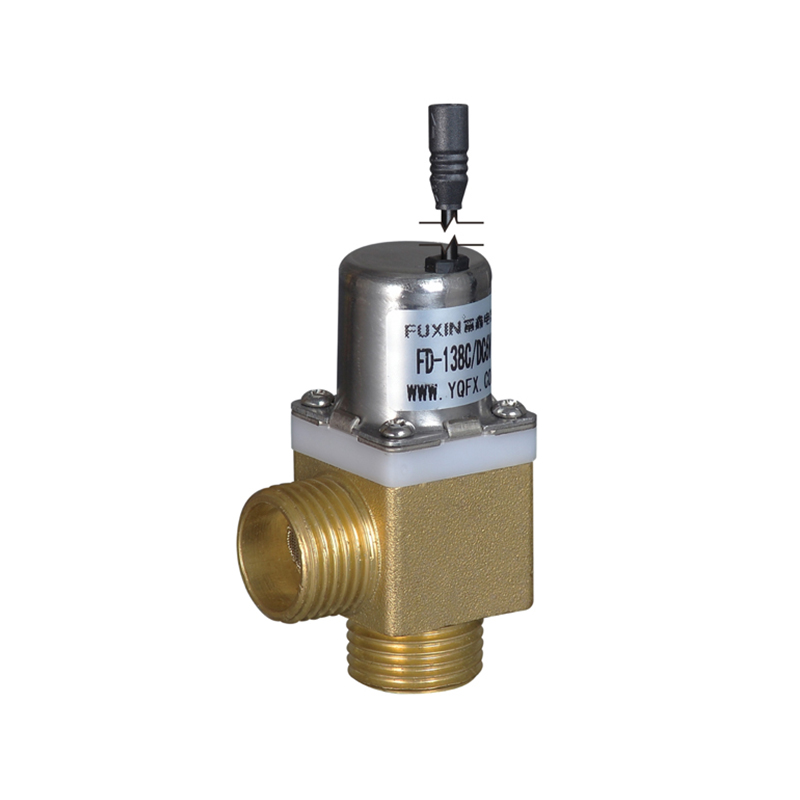
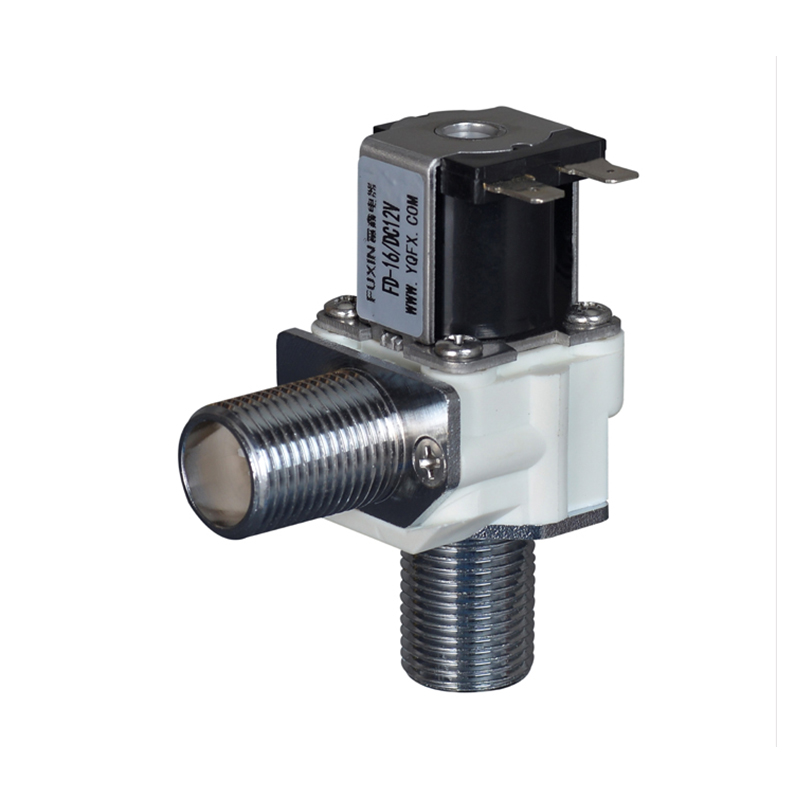
Touchless faucets have become standard in public and residential spaces. Behind every responsive and stable sensor faucet sits a critical component: the Faucet Solenoid Valve. Its role is straightforward yet technical—control water flow accurately based on sensor signals while maintaining stable performance over time.
Manufacturers integrating sensor faucets into bathrooms and kitchens often focus on exterior design and sensor accuracy. However, water control stability, power consumption, and internal durability depend heavily on the internal valve structure. Understanding how this component functions helps prevent common field failures and service issues.
Ceramic Valve Core Integration
Water temperature and flow regulation are closely related to internal core design. Many advanced configurations incorporate a ceramic valve core. Ceramic materials offer strong wear resistance and stable sealing performance.
In mixed water systems, ceramic cores support accurate temperature control while maintaining structural integrity. For faucet manufacturers, this reduces warranty claims related to leakage or unstable flow.
Installation Flexibility and Compatibility
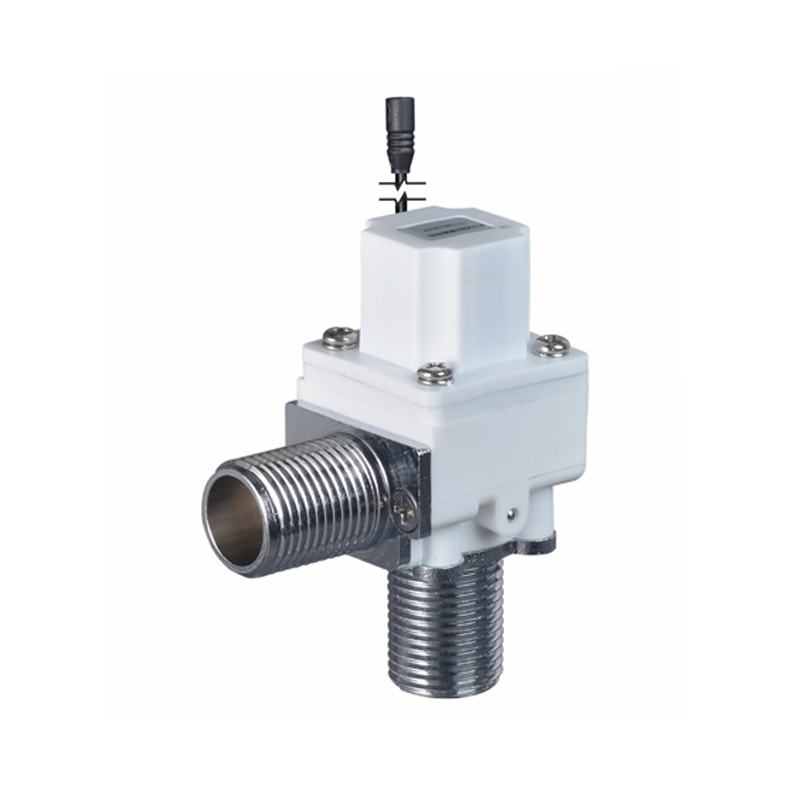
Structural adaptability is another factor often overlooked during product selection. A versatile Faucet Solenoid Valve Manufacturer typically provides multiple mounting configurations to match different faucet body structures.
Flexible Mounting Solutions
Sensor faucet designs vary across brands. Internal space allocation, pipe orientation, and connection interfaces differ. Flexible mounting options simplify integration during assembly.
Compatibility with European and American Styles
Design standards in European and American markets differ in size, aesthetics, and internal layout. A valve compatible with both styles simplifies global product development and reduces SKU complexity for faucet producers.
Common Challenges in Real Applications
Understanding field conditions helps address operational concerns early in product development.
High Traffic Environments
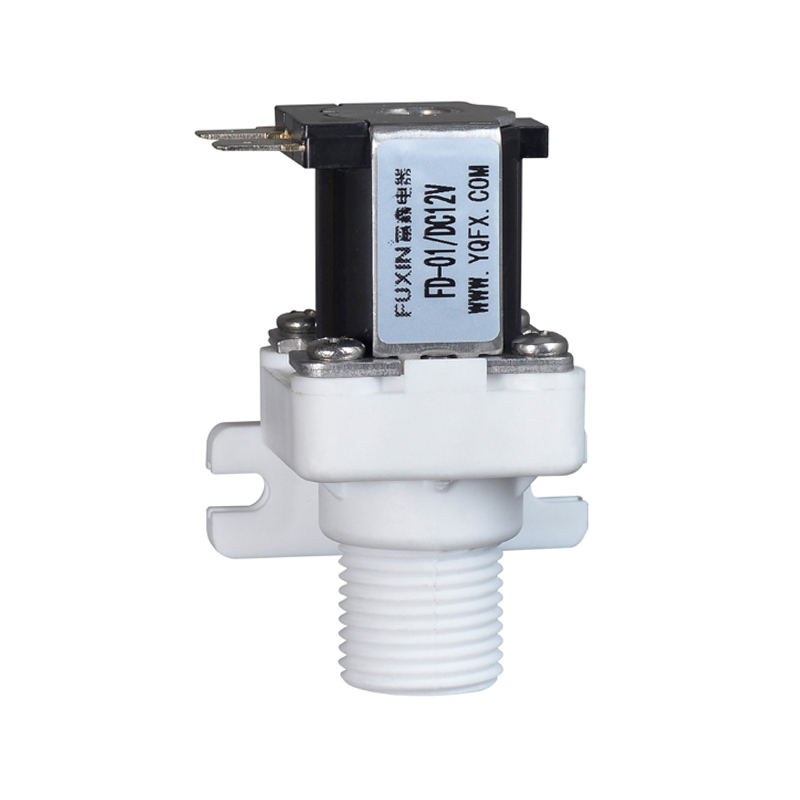
In public restrooms, faucets operate repeatedly throughout the day. Rapid switching cycles test the mechanical stability of the valve. A durable Faucet Solenoid Valve reduces malfunction risks and maintains consistent water output under heavy usage.
Battery Replacement Frequency
For battery-operated systems, power efficiency directly affects maintenance schedules. Pulse signal valves help extend battery intervals, which reduces operational downtime in commercial buildings.
Water Quality Variability
Hard water or suspended particles can impact internal components. Self-cleaning features help manage impurities and maintain sealing performance over extended use.
Why Work with an Experienced Faucet Solenoid Valve Manufacturer
Component sourcing influences product reliability and brand reputation. An experienced Faucet Solenoid Valve Manufacturer understands the structural requirements of sensor faucets and supports customized integration.
Engineering capability matters. Manufacturers with in-house testing for life cycle, waterproof rating, and electrical stability provide more predictable supply quality. Consistency across production batches helps avoid unexpected field complaints.
Communication is also critical. Clear technical documentation, dimensional drawings, and response time during development phases streamline collaboration with faucet design teams.
The Faucet Solenoid Valve plays a central role in touchless faucet systems. Its operating mode, power efficiency, durability, and structural compatibility directly influence the reliability of the finished product.
Partnering with a capable Faucet Solenoid Valve Manufacturer supports stable quality, adaptable installation solutions, and long service life across various applications. In modern sensor faucet development, attention to this internal component contributes to consistent performance in both residential and commercial environments.