
 EN
 English
 Español



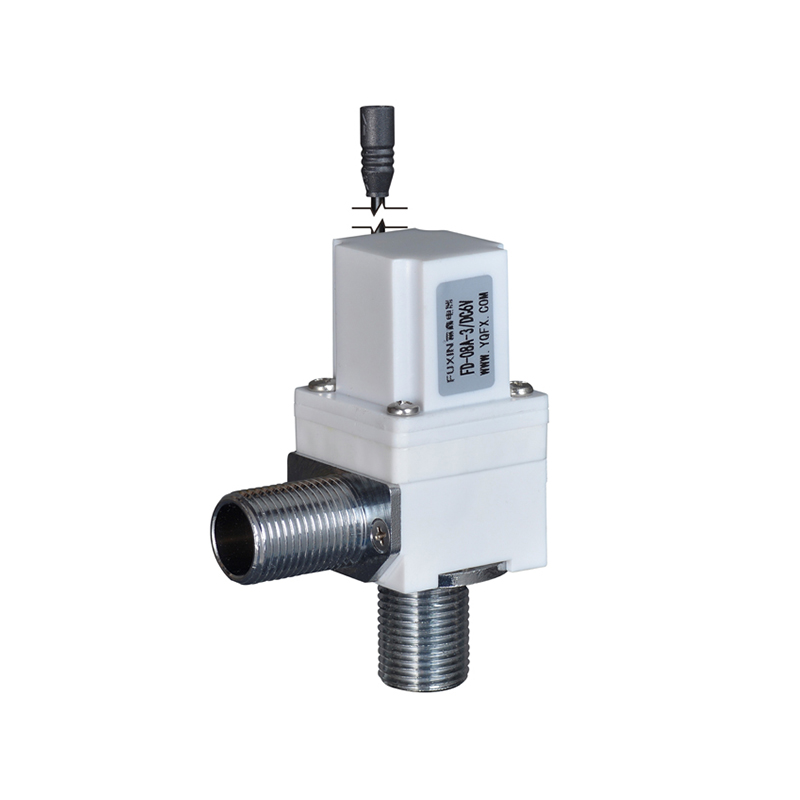
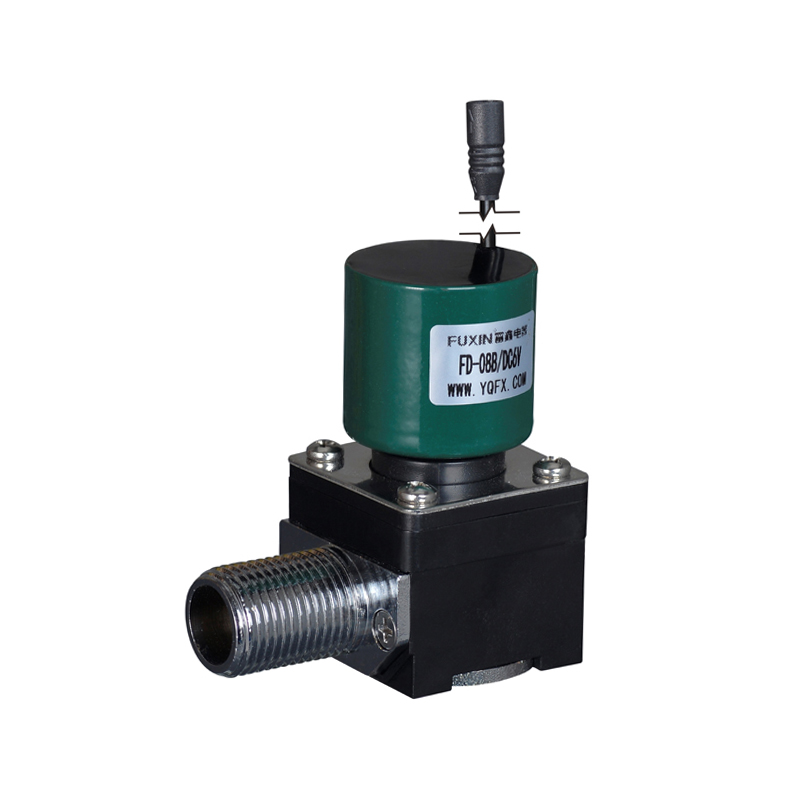
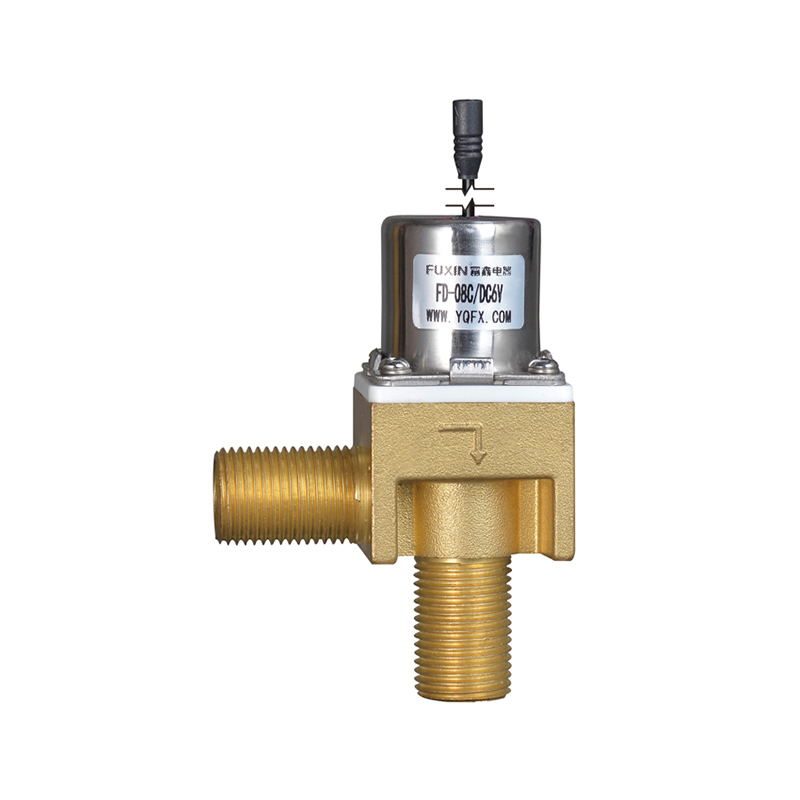
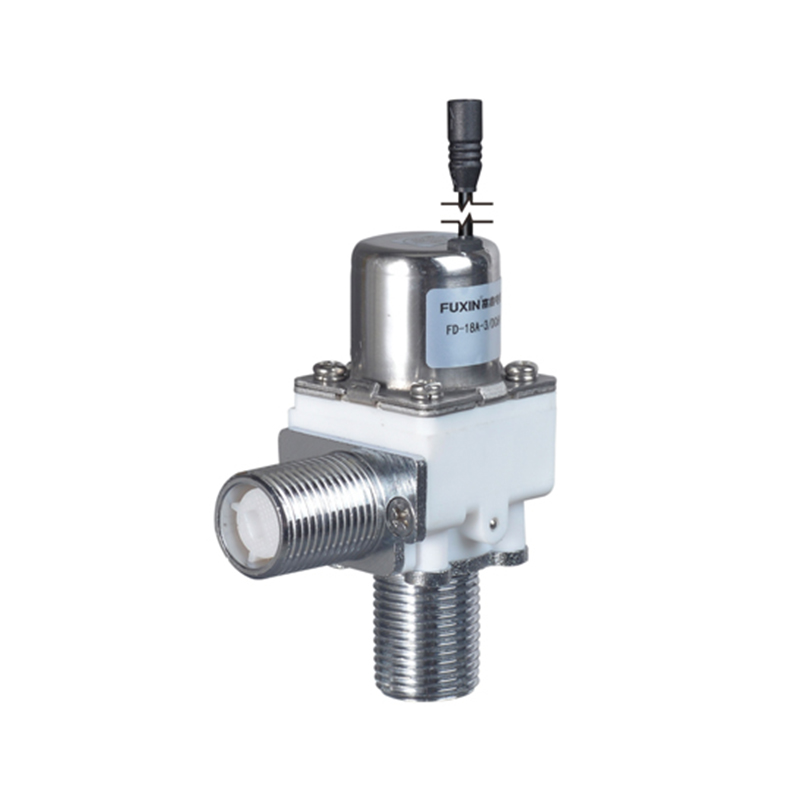
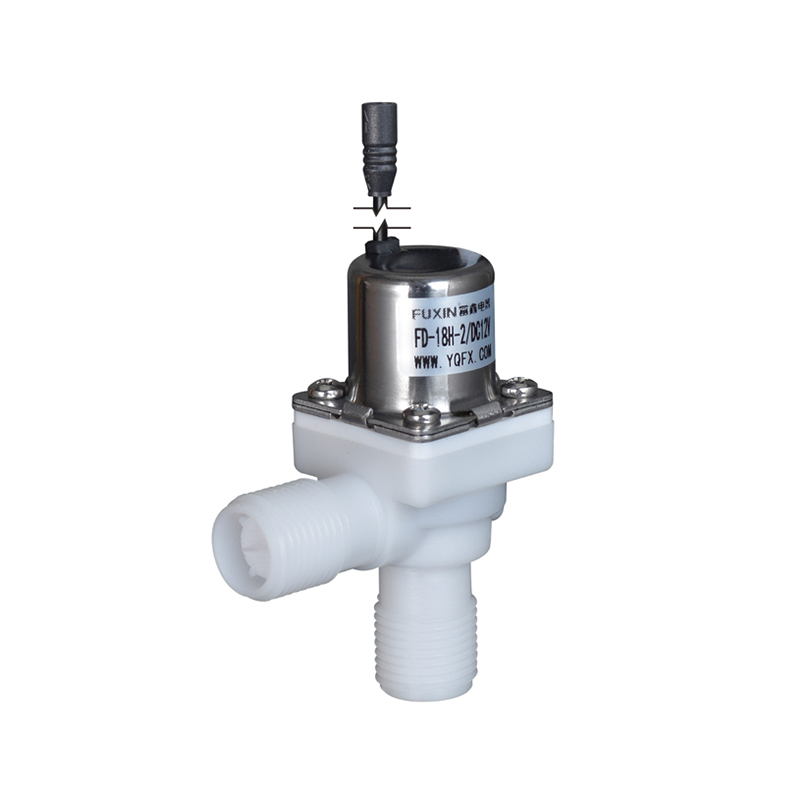
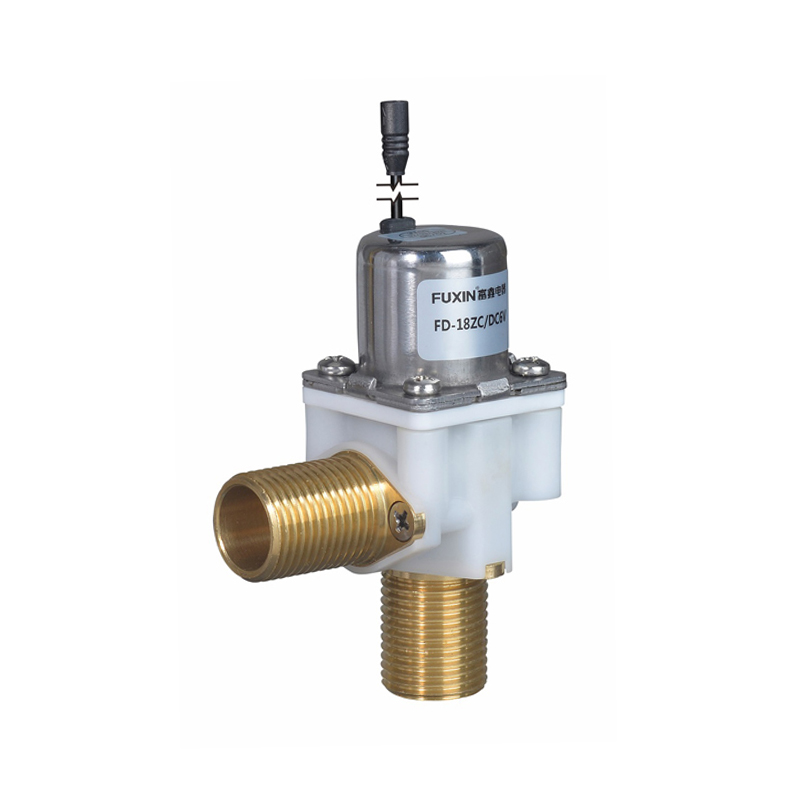
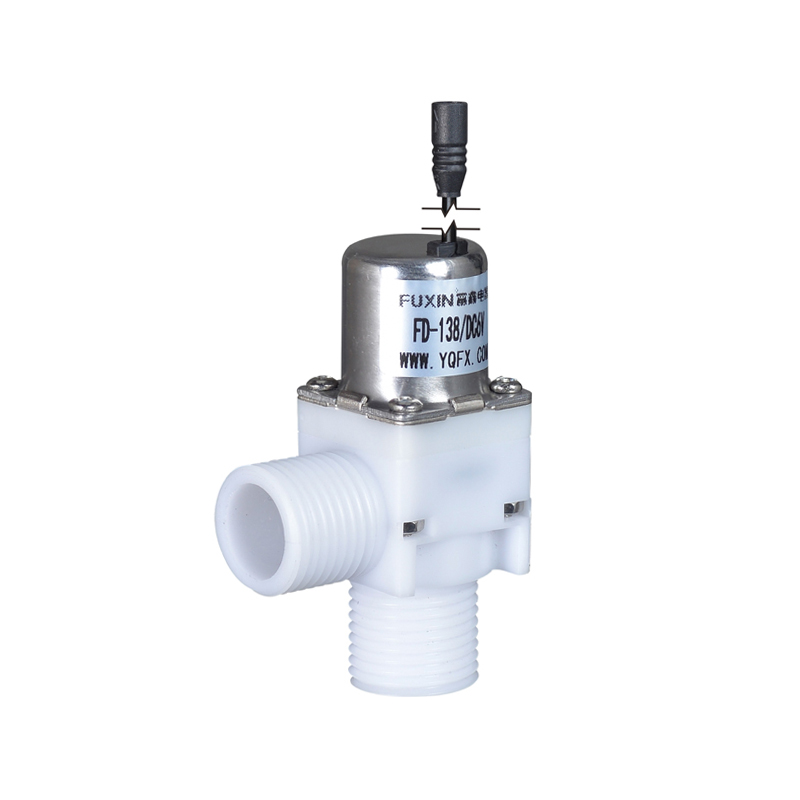
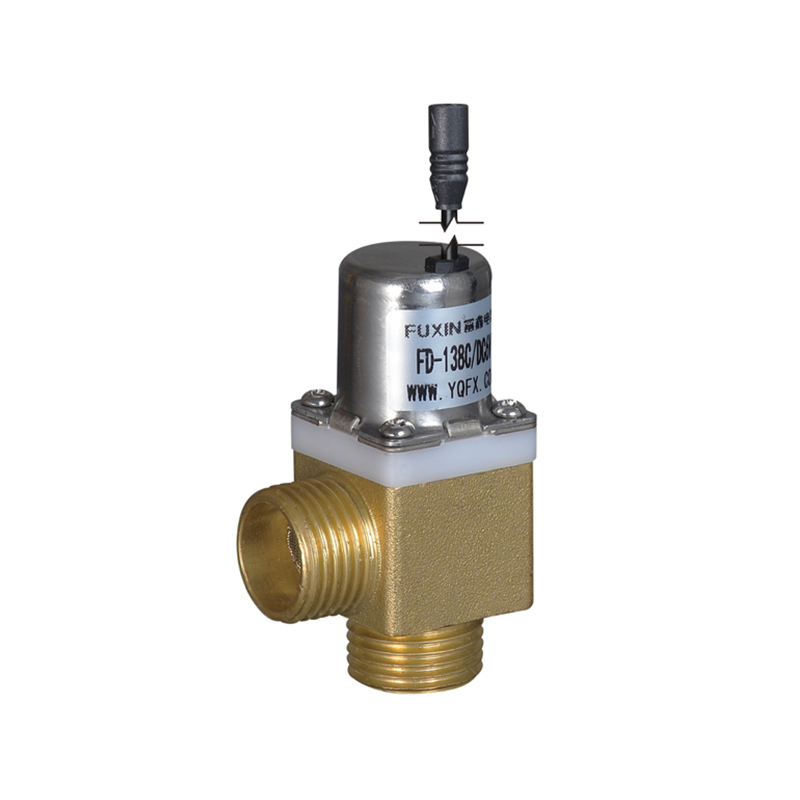
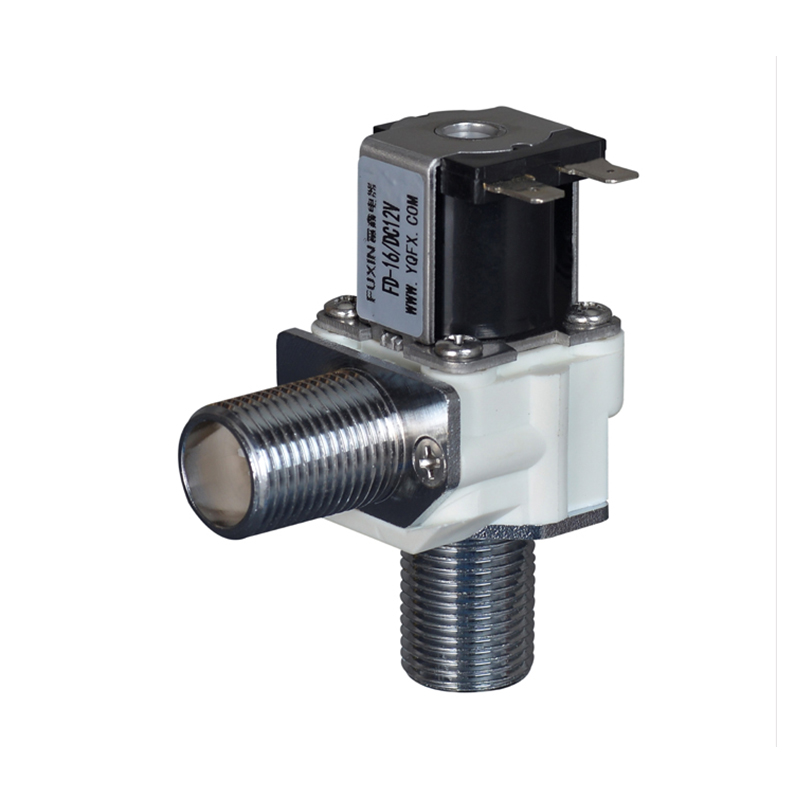
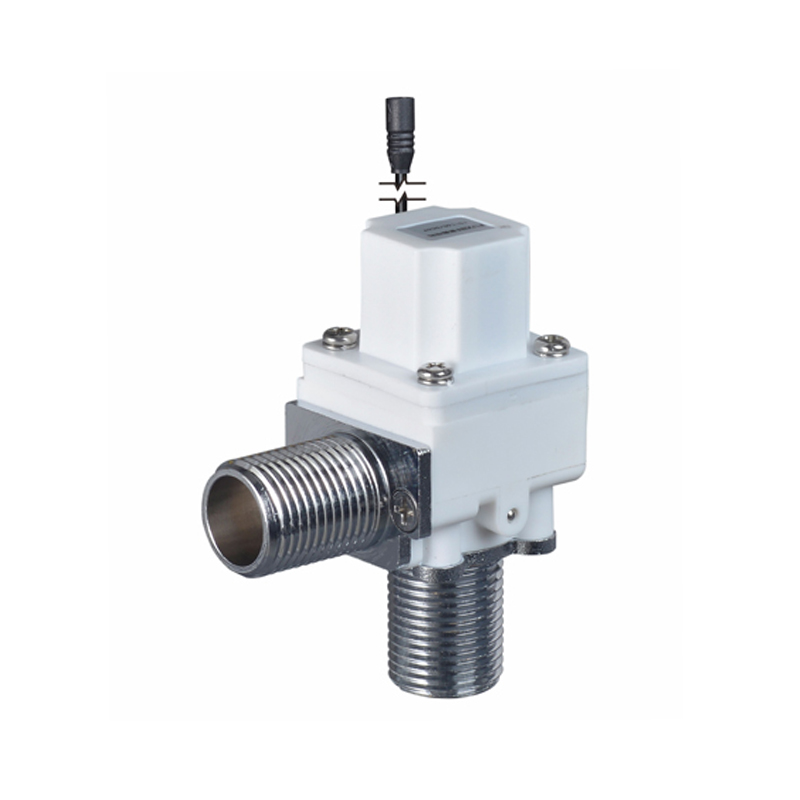
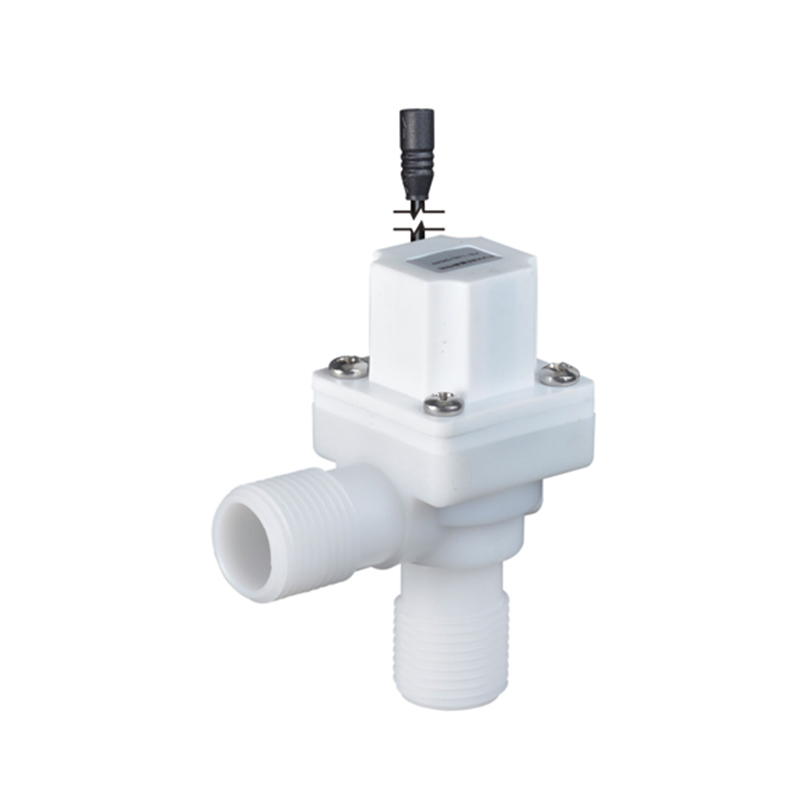
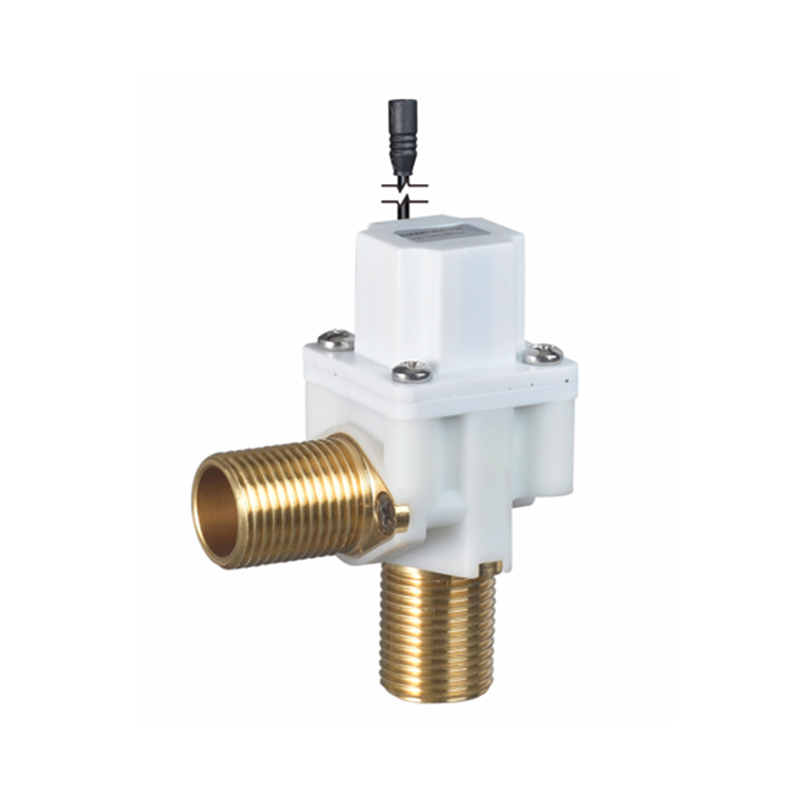
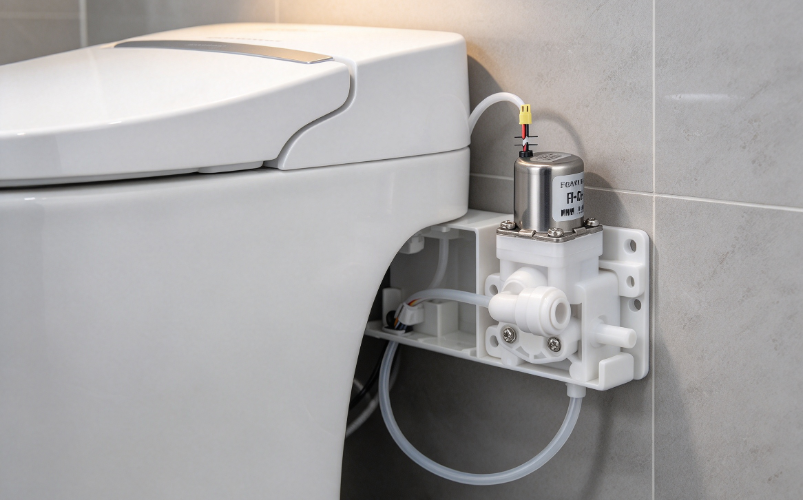
A hand waved over a sensor, a short pause, and the bowl flushes. Behind that small moment sits a chain of parts: a sensor, a controller, a valve, and a flushing mechanism. A Solenoid Valve for Toilet is the part that turns an electrical command into water movement. It works only when the rest of the chain is compatible with it.
An Inlet Valve for Toilet does a different job in a tank-based fixture. It usually refills the tank after a flush and does not start the flush. Mixing up the two is a common reason for wrong replacements. Building owners, installers, and equipment suppliers get better results when each component is matched to its own function.
How Does a Solenoid Valve Turn a Signal Into a Flush?
The valve contains a coil, a movable plunger, a sealing element, and a body with a water passage. When the controller sends a compatible signal, the coil creates a magnetic field. That field moves the plunger and changes the state of the passage.
The valve does not decide when a user has finished. The sensor and controller make that call, and the valve carries out the command. Some valves are normally closed, so water stays blocked without power. Others are normally open. Direct-acting designs move the seal by magnetic force alone, while pilot-operated designs rely on supply pressure to help control the main flow.
| Stage | Role in the System |
|---|---|
| Sensor | Detects presence, movement, or a hand gesture |
| Controller | Interprets the signal and sets the flush sequence |
| Solenoid valve | Opens or closes the water path |
| Flushing mechanism | Delivers water to the bowl |
A fault at any stage can stop the flush. A sensor may send a wrong signal, or a valve may open while the supply is restricted. Both look like a "bad valve" from the user's side.
What Separates a Solenoid Valve From an Inlet Valve?
In a tank-based toilet, flushing releases stored water into the bowl. The inlet valve then lets fresh water in and shuts off when the tank reaches its set level, usually through a float or pressure-responsive mechanism.
Fitting an electronic inlet valve does not make a toilet touchless. The flush mechanism itself must respond to a command, for example through an electronic actuator or a compatible valve assembly. Tankless designs work differently, since flush water comes from the building supply and an electronically controlled valve can regulate that flow directly.
| Arrangement | Solenoid Valve Role | Inlet Valve Role |
|---|---|---|
| Tankless electronic flush | Controls water in the flush path | Usually absent from a tank refill setup |
| Tank toilet with electronic flush | Activates a compatible flush path | Refills the tank afterward |
| Integrated electronic toilet | Function set by the design | May be built in or separate |
| Retrofit kit | Depends on the added module | Often keeps the existing refill role |
Product documentation should state which function a valve performs. Similar-looking parts are not interchangeable.
Where Does Touchless Flushing Fit Best?
Public restrooms benefit because visitors do not need to find or touch a button. The sensing area must suit the stall, though. A sensor that reacts to someone walking past wastes water, and one that misses a seated user frustrates people.
Homes need a compatibility check first. An older tank toilet with a mechanical lever may not accept an electronic valve without a matching actuator. Installers should look at water connections, nearby power, space for the controller, and access to internal parts.
Commercial buildings add a maintenance concern. Valves, filters, and sensors hidden behind finished walls need access panels. A restroom that looks tidy but cannot be serviced without dismantling tiles becomes expensive to keep running.
Why Do Water and Power Conditions Matter?
A touchless toilet can seem to have an electronic problem when the cause is plumbing. The sensor may work and the valve may open, yet a weak flush results if flow is restricted.
Water factors to check:
- Supply pressure within the range the valve supports
- Flow capacity suited to the flushing design
- Seal condition, since a damaged seal lets water pass after closing
- Debris or mineral deposits, which can block passages or stop the seal closing fully
- Filter condition, since a clogged filter mimics a failing valve
Electrical matching counts equally. The coil, controller, and power source must be compatible, and wiring near water needs to follow manufacturer instructions and local safety rules. Behavior during a power cut also differs by design, so a manual option or alternative flush path should be confirmed, not assumed.
How Can Faults Be Traced Without Guesswork?
Symptoms often point away from the valve.
- Sensor reacts, no flush: Check the controller signal, wiring, valve actuation, and water supply in turn.
- Water keeps running: Decide whether it passes through the flush path or the refill path. A tired inlet valve can keep filling a tank while the solenoid works properly.
- Flush without a user: Review sensor position, detection area, and controller settings before replacing parts.
- Weak flush: Look at supply restriction, filter blockage, tank level, and the discharge mechanism.
Replacing the wrong component wastes time. A toilet that flushes but will not refill needs attention at the inlet valve, not the electronic flush valve.
What Should Buyers and Installers Check?
Start by naming the function: flush control, tank refill, or both. Then compare the valve against the installation.
| Factor | Question to Ask |
|---|---|
| Intended function | Does it control flushing, refill, or another path? |
| Water supply | Does supply meet the valve's operating needs? |
| Electrical match | Can the controller and power source drive it? |
| Connection | Does it fit the plumbing and available space? |
| Materials | Are seals suitable for local water conditions? |
| Access | Can valve, filter, and wiring be serviced? |
After installation, test the whole sequence: sensor detection, controller response, valve action, water delivery, and return to standby. In a tank toilet, confirm that the tank refills and the inlet valve shuts off. Periodic checks for leaks, filter debris, and loose connections keep water control consistent.
A solenoid valve supports touchless flushing when it suits the water path and works with the sensor and controller. The inlet valve keeps the tank ready for the next use. Treating them as separate parts with separate jobs makes selection and repair far more straightforward.