
 EN
EN English
 Español


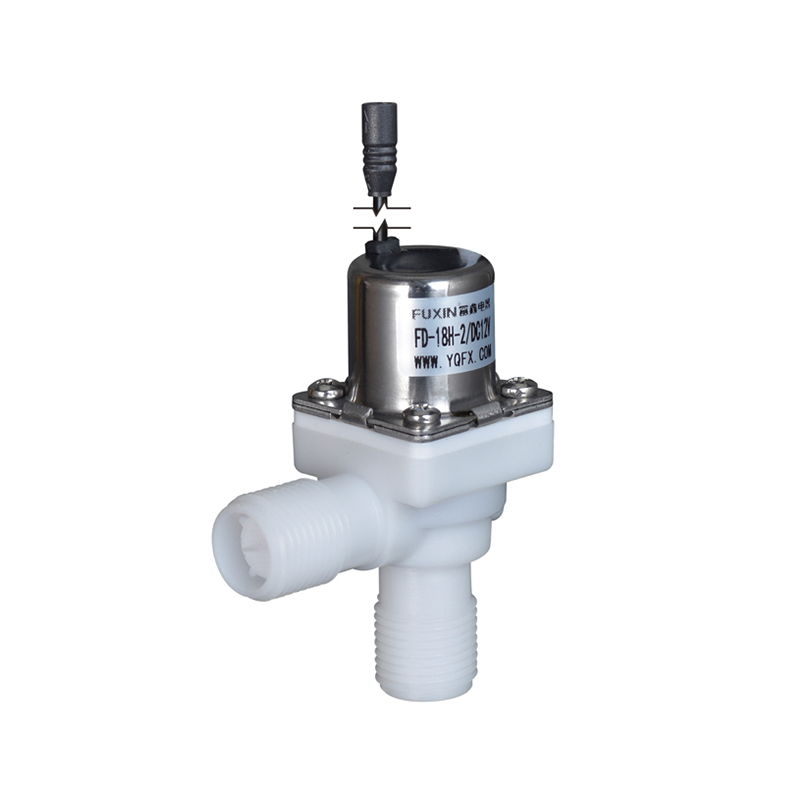
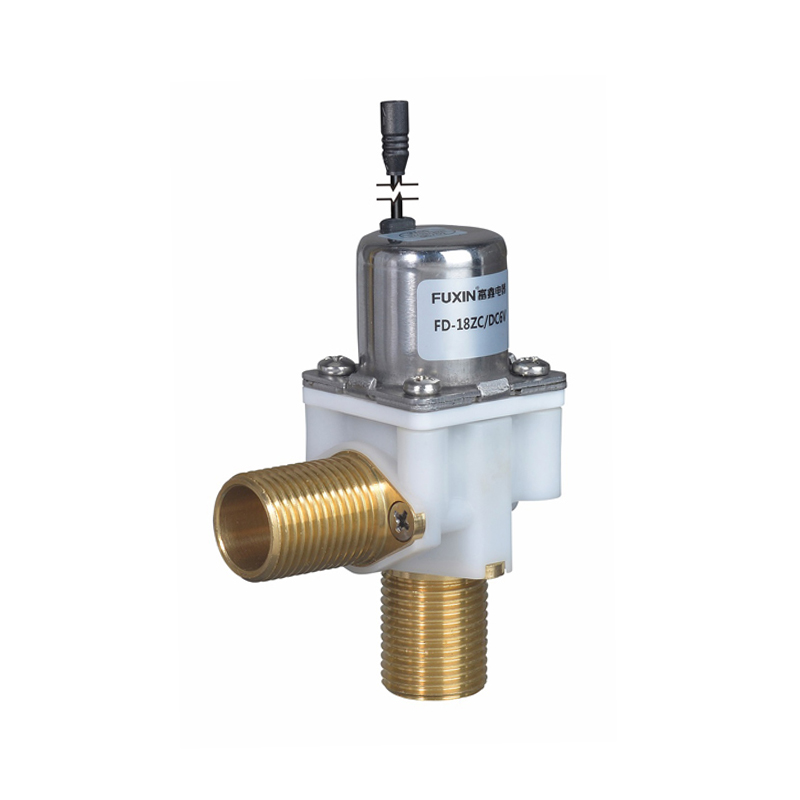
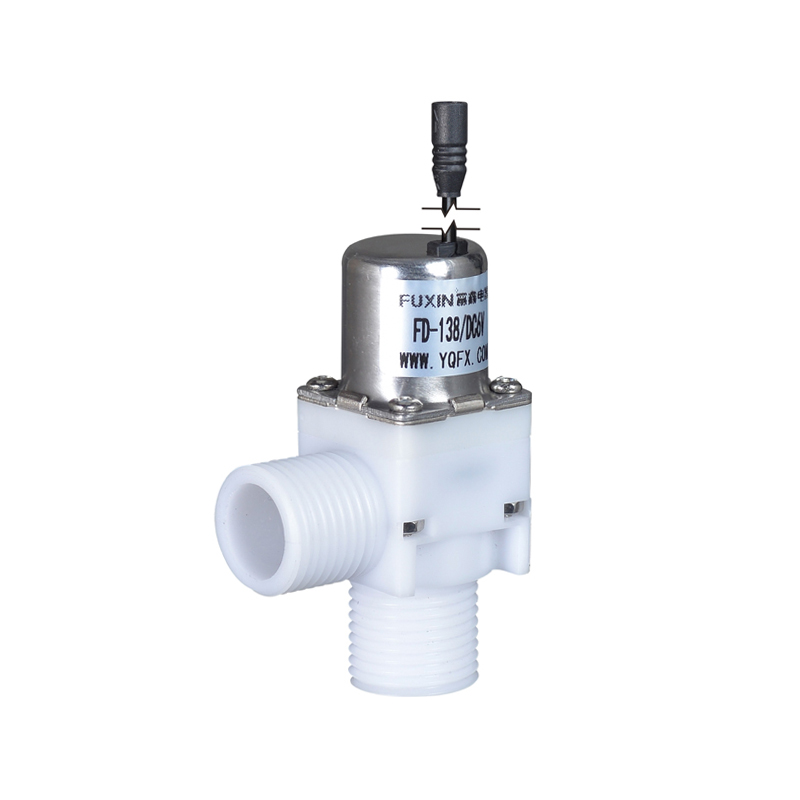
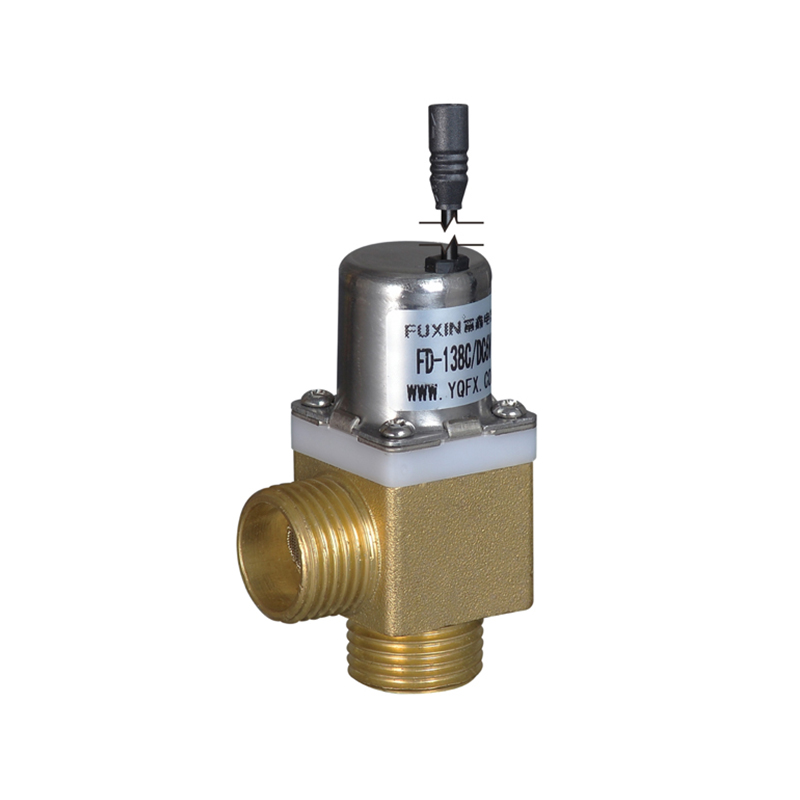
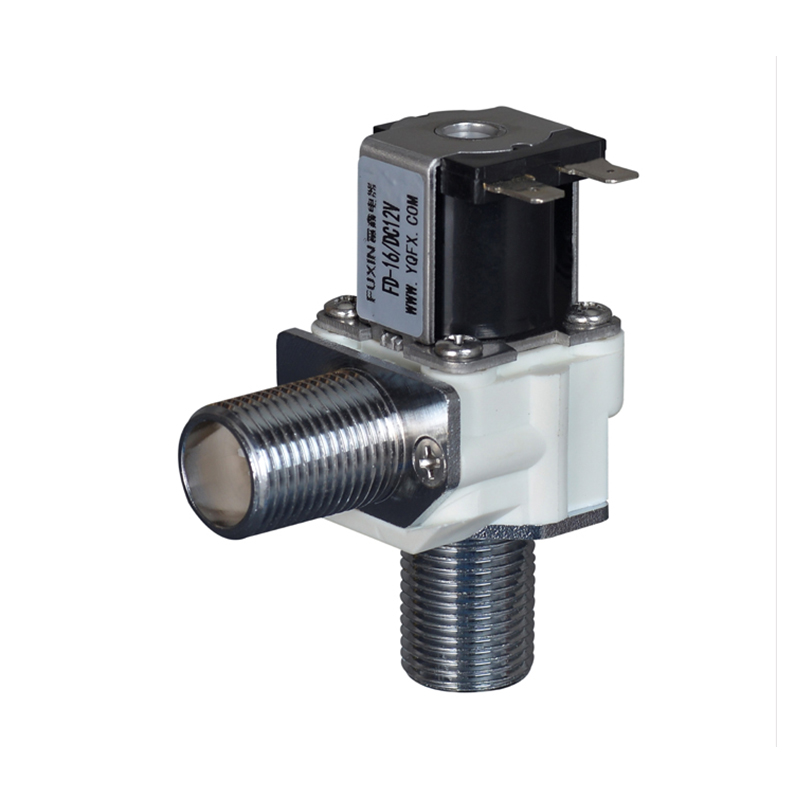
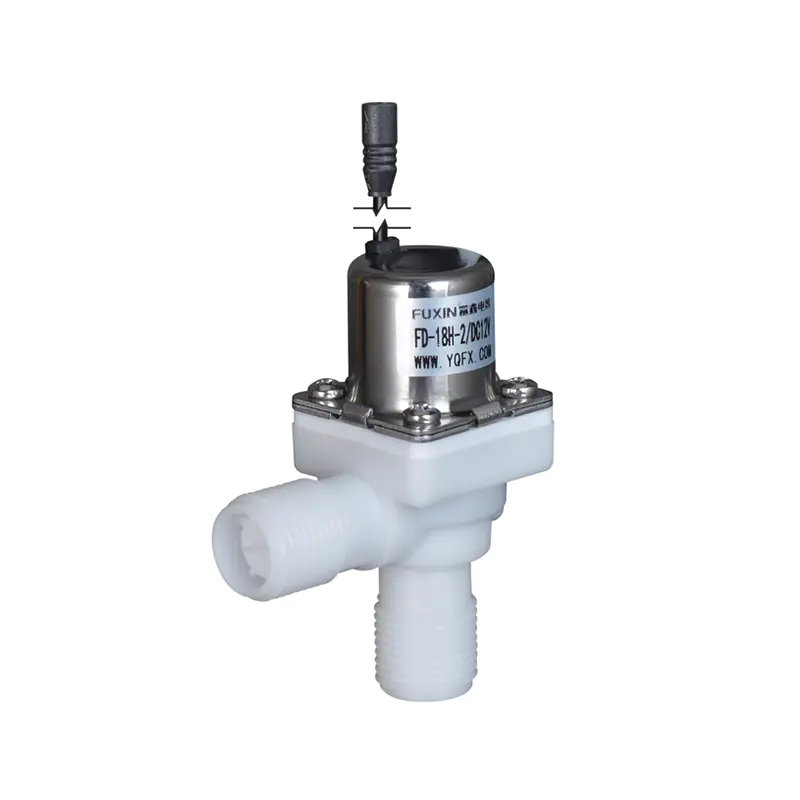
Water control systems show up in a lot of places — household appliances, irrigation setups, industrial machines. Behind all of them are small but important components managing how water moves through the system. A Water Solenoid Valve Factory typically focuses on producing valves that control water flow using electrical signals, letting equipment run in a more organized, automated way. These factories usually do more than just assemble one product line — they tend to offer different valve designs, supporting parts, customization options, and solutions built around various applications. Knowing what a factory actually produces makes it a lot easier for buyers to pick the right component for their project.
What a Water Solenoid Valve Factory Typically Produces
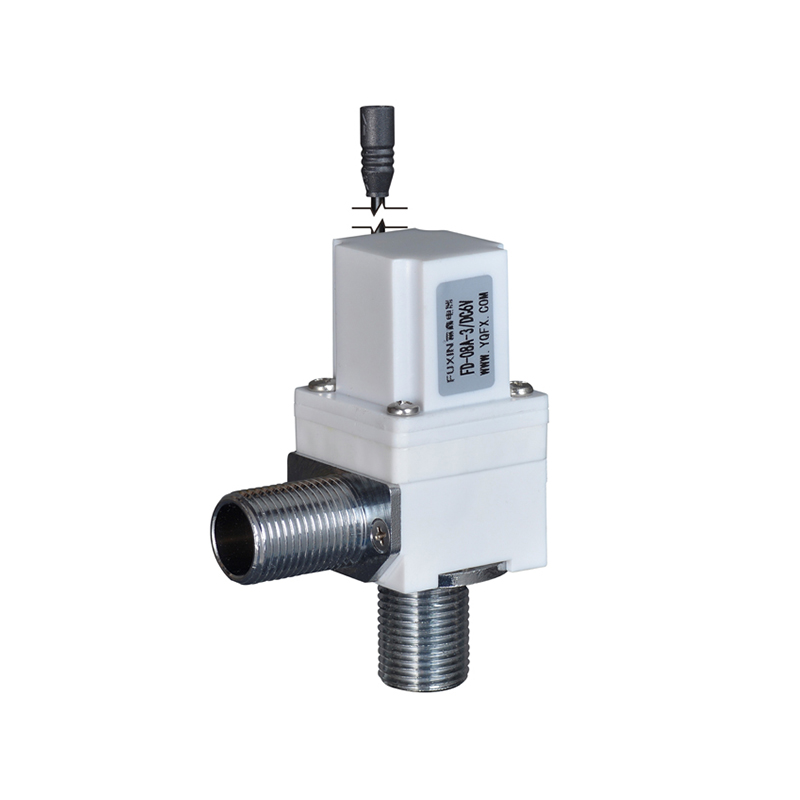
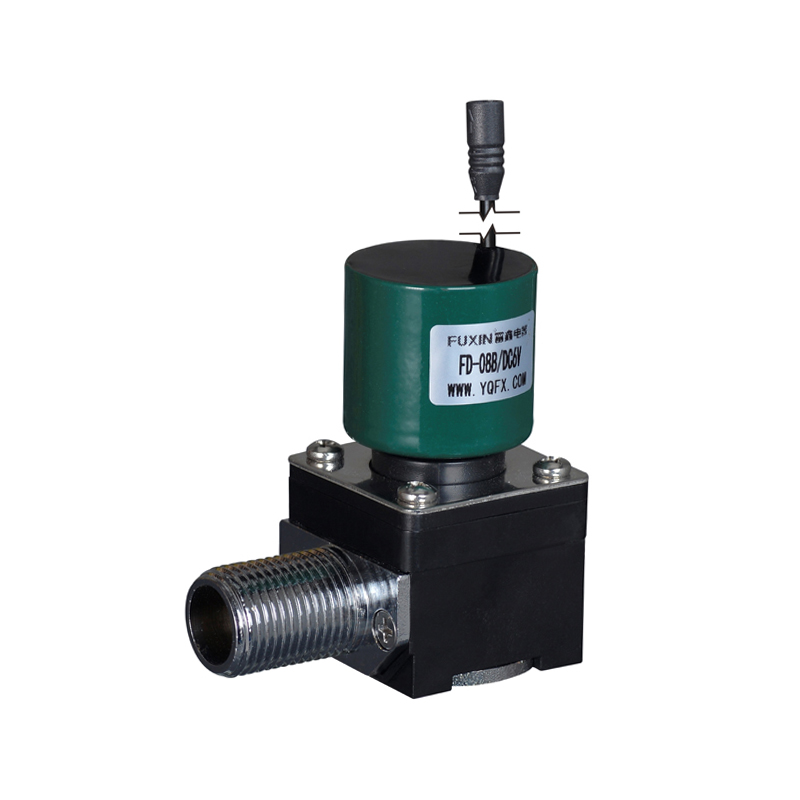
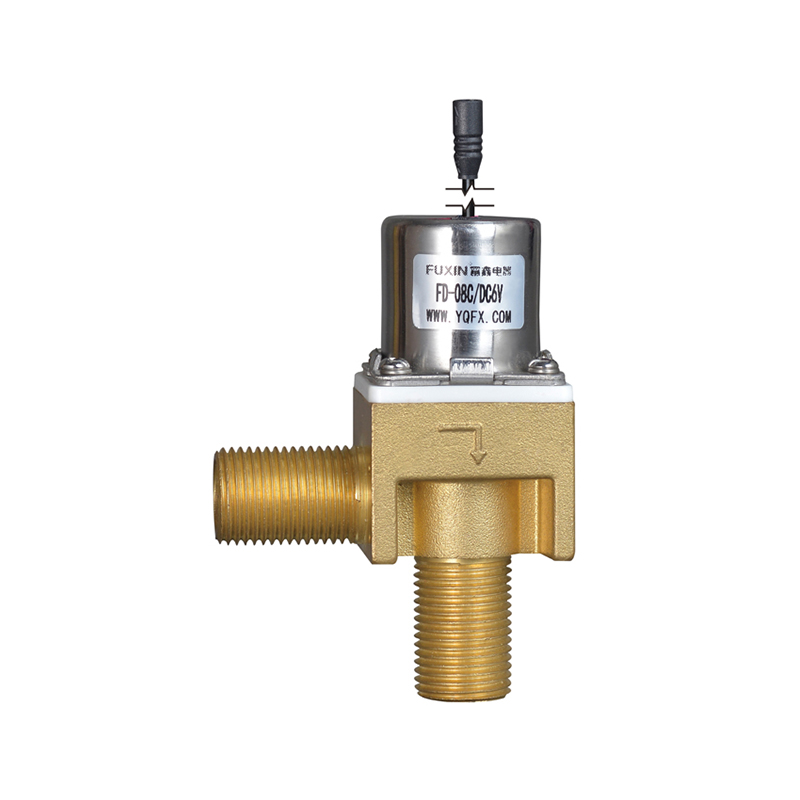
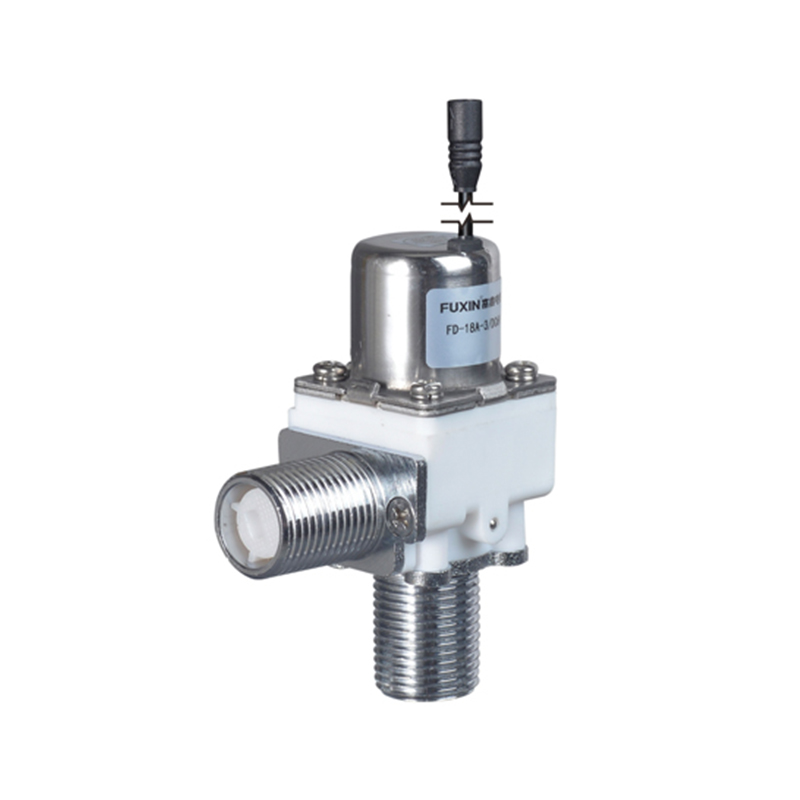
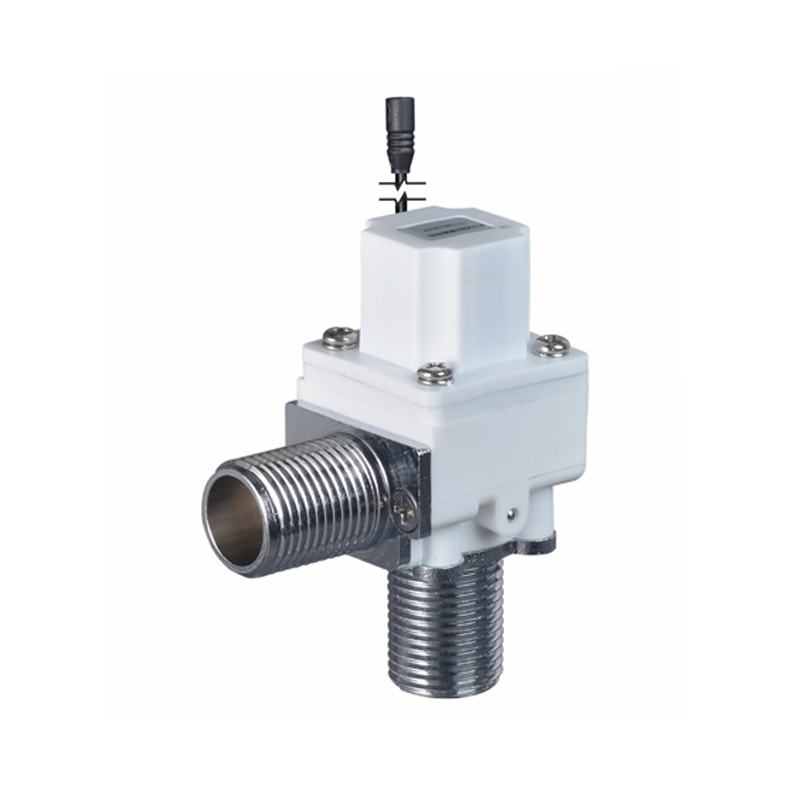
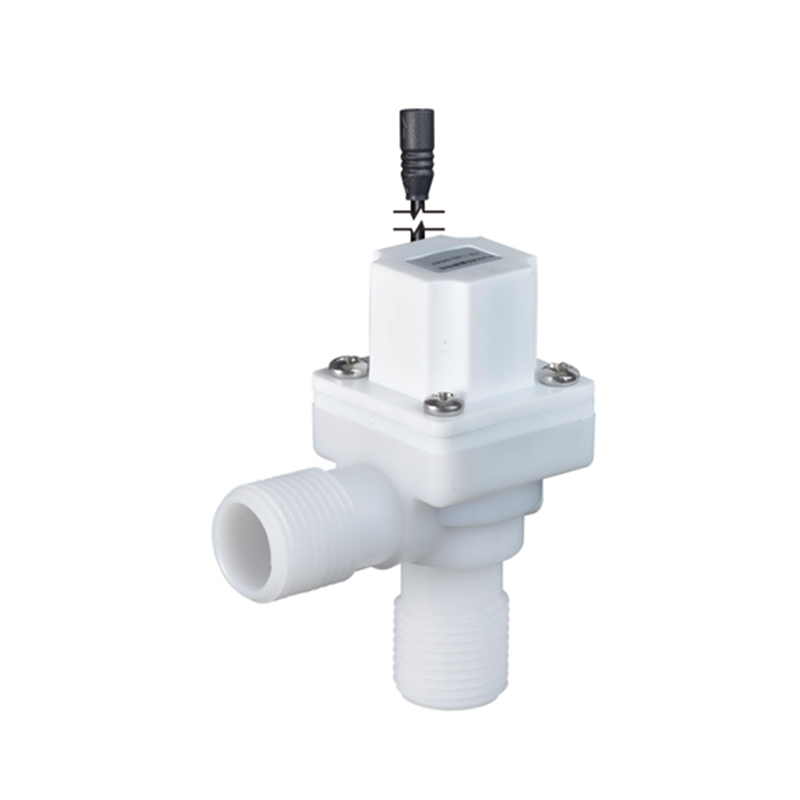
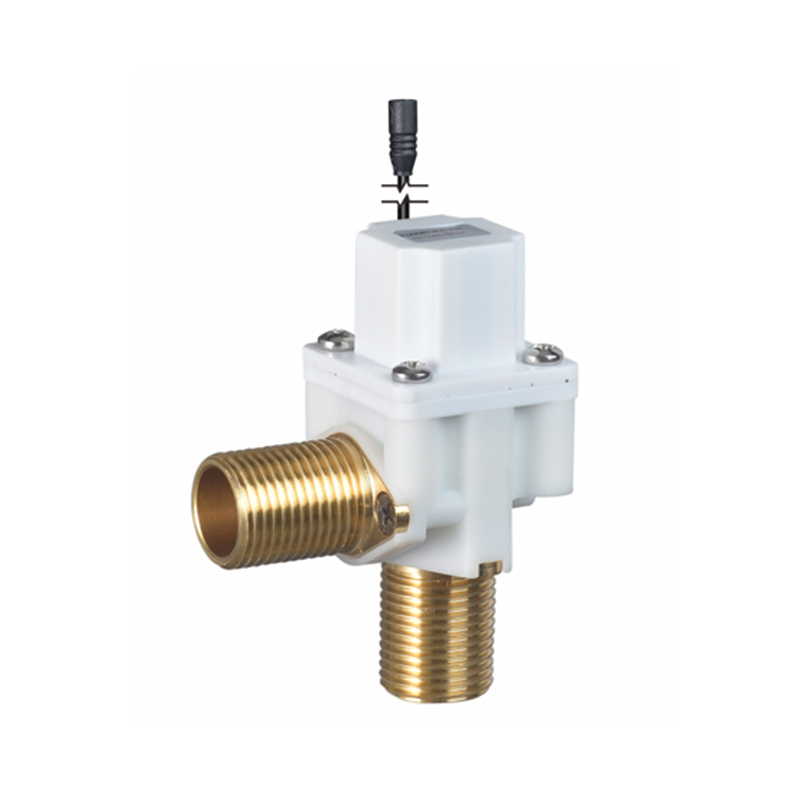
Most factories in this space produce a range of valve types depending on the application. The basic purpose stays fairly consistent, but the structure and design shift depending on where the valve ends up getting installed.
Common product categories include:
| Product Type | Common Application |
|---|---|
| Water control valves | Managing water flow in equipment |
| Automatic water valves | Supporting controlled water supply systems |
| Valve assemblies | Used in machines and complete systems |
| Customized valve products | Built for specific applications |
Some buyers just need valves for basic water control tasks. Others need components that integrate into much larger equipment systems. Manufacturers tend to develop multiple product lines simply because water systems vary a lot from one industry to the next — a household appliance, an irrigation system, and an industrial machine all need water control, but they're not operating under anything close to the same conditions.
How Water Solenoid Valves Actually Work
The basic idea behind a solenoid valve isn't complicated. It uses an electrical signal to control whether water can pass through the internal channel — when the system sends a signal, the valve opens or closes based on what's needed at that moment.
That's what allows automatic water management without someone manually adjusting anything. A lot of everyday products rely on this exact method, including:
- Washing equipment
- Water dispensers
- Irrigation systems
- Cleaning machines
- Industrial equipment
The advantage here is really just automation. Instead of manually adjusting flow every time it's needed, the system handles it on its own based on its operating requirements — which helps equipment run more smoothly and gives designers more room to build convenient, hands-off products.
Why Manufacturers Offer So Many Different Valve Designs
Not every water system operates the same way. A valve used in a small kitchen appliance has pretty different requirements than one installed in a large industrial machine.
Manufacturers build different designs to match different working environments. A few factors that tend to shape valve selection:
| Factor | Why It Matters |
|---|---|
| Application type | Determines suitable product design |
| Installation space | Affects valve size and structure |
| Water conditions | Influences material selection |
| Operating environment | Helps determine product requirements |
A factory with flexible production capabilities can support a wider range of application scenarios — which really helps companies developing new equipment or updating existing systems. Rather than redesigning an entire product around one standard component, buyers can often find a valve that already fits what they need.
Which Industries Actually Use These Valves
Water control shows up across a lot of industries, mostly because automatic flow management tends to simplify equipment operation across the board. Common application areas include:
| Industry | Possible Use |
|---|---|
| Home appliances | Water supply control |
| Agriculture | Irrigation management |
| Food equipment | Water-related processes |
| Industrial machinery | Automated water systems |
| Cleaning equipment | Controlled water delivery |
In agriculture, valves help run irrigation systems. In food equipment, controlled water supply supports prep and cleaning. In industrial settings, automatic water control often becomes just one piece of a larger machine's overall operation. The same basic component ends up serving very different purposes depending on how it's integrated.
How Factories Handle Product Customization
A lot of buyers aren't looking for a standard, off-the-shelf valve. They usually have specific requirements tied to equipment design, installation conditions, or how the product will actually be used.
Most water solenoid valve factories work directly with customers to adjust product features based on the project at hand. That customization can involve:
- Product structure adjustments
- Connection design changes
- Material choices
- Appearance requirements
- Packaging solutions
This kind of back-and-forth lets manufacturers and buyers land on something that actually fits the real application. For equipment developers, having a direct line of communication with the factory tends to make the development process a lot more flexible. A good valve isn't just about the component on its own — it needs to work well with the rest of the system too.
What Quality Checks Look Like in Valve Production
A valve might look simple from the outside, but getting the internal operation right takes real attention to detail. Manufacturers typically check several things during production to keep performance consistent:
| Inspection Area | Purpose |
|---|---|
| Material inspection | Confirms component suitability |
| Assembly checking | Reviews production consistency |
| Operation testing | Checks valve response |
| Appearance review | Ensures product condition |
Quality management matters here because these valves often end up as part of equipment running day in and day out. A problem with one small component can end up affecting a much bigger system down the line — which is why factories tend to pay close attention to both the production process and how products are handled afterward.
How to Actually Choose a Water Solenoid Valve Supplier
Finding the right supplier takes more than browsing product photos. Buyers generally need to figure out whether a factory can actually support what they're trying to build. Worth considering:
- Product range
- Manufacturing experience
- Customization ability
- Communication process
- After-sales support
A supplier that understands the application tends to offer more useful input along the way. A company developing irrigation equipment has different concerns than one making kitchen appliances, and clear communication upfront helps both sides get on the same page about what the project actually needs. That relationship often ends up shaping how well long-term cooperation works out.
What Else These Factories Typically Offer
Manufacturing today usually goes beyond just making the product itself. A lot of factories also support customers with services tied to product development and supply management, including:
- Product consultation
- Sample support
- Packaging assistance
- Technical communication
- Production coordination
These kinds of services make the purchasing process easier to manage, especially for businesses buying components on a regular basis. For a lot of buyers, the real value of working with a manufacturer comes from both the product itself and the support that comes along with it.
A Water Solenoid Valve Factory produces more than just automatic water control components. It supports a range of industries through different valve products, customization options, and manufacturing services built around real applications — from household appliances to full industrial systems. Understanding what a factory actually produces, and how it supports its customers, makes it a lot easier for buyers to make a clear decision when picking components for their own projects.