
 EN
EN English
 Español


A valve that hesitates half a second too long. A production line that stumbles because nobody's watching the fluid timing closely enough. These are the kinds of headaches that send engineers hunting for a Solenoid Coil Manufacturer, not because the part itself looks impressive on a shelf, but because this small, unassuming piece of hardware quietly resolves control problems that manual operation simply can't touch. Anyone who's watched a system stumble over inconsistent timing already knows why this component earns more attention than its size would suggest. Figuring out exactly what a Solenoid Coil does, and which specific headaches it actually fixes, helps engineers and buyers decide whether it genuinely belongs in their setup rather than assuming it's some universal patch for every fluid control complaint.
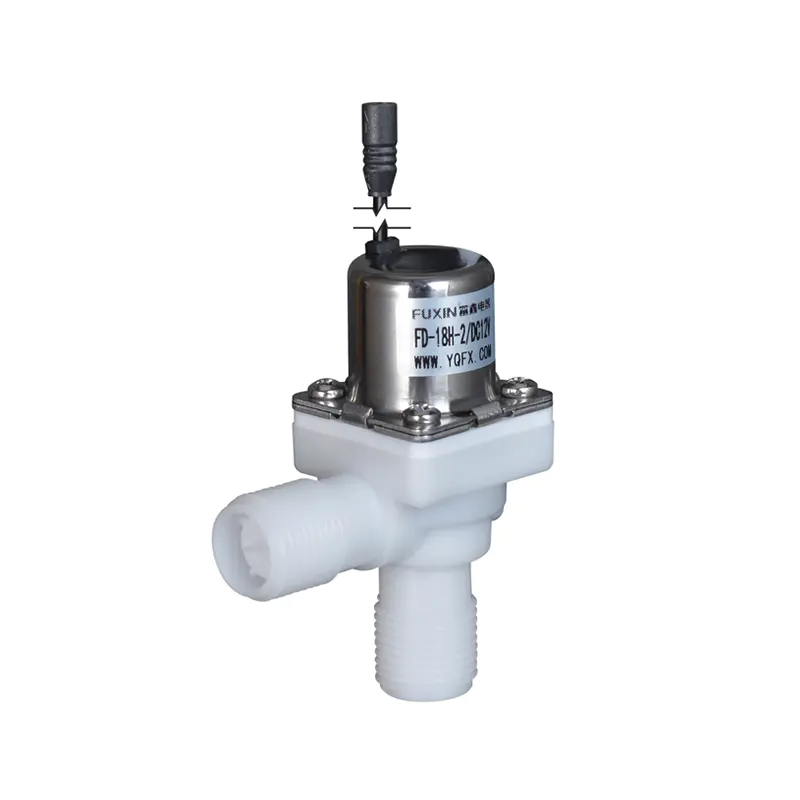
What Is a Solenoid Coil, Actually?
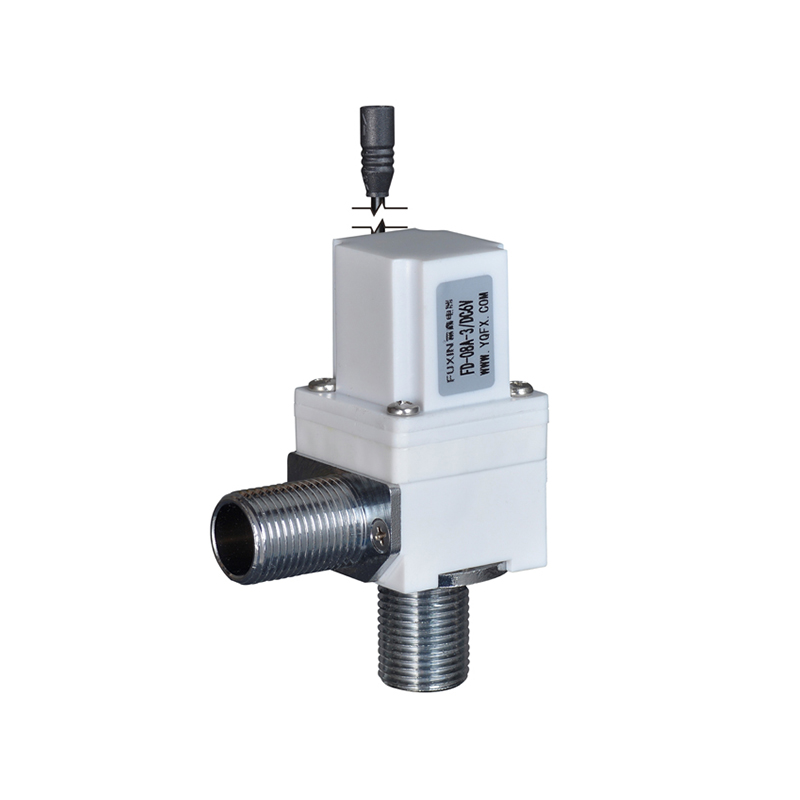
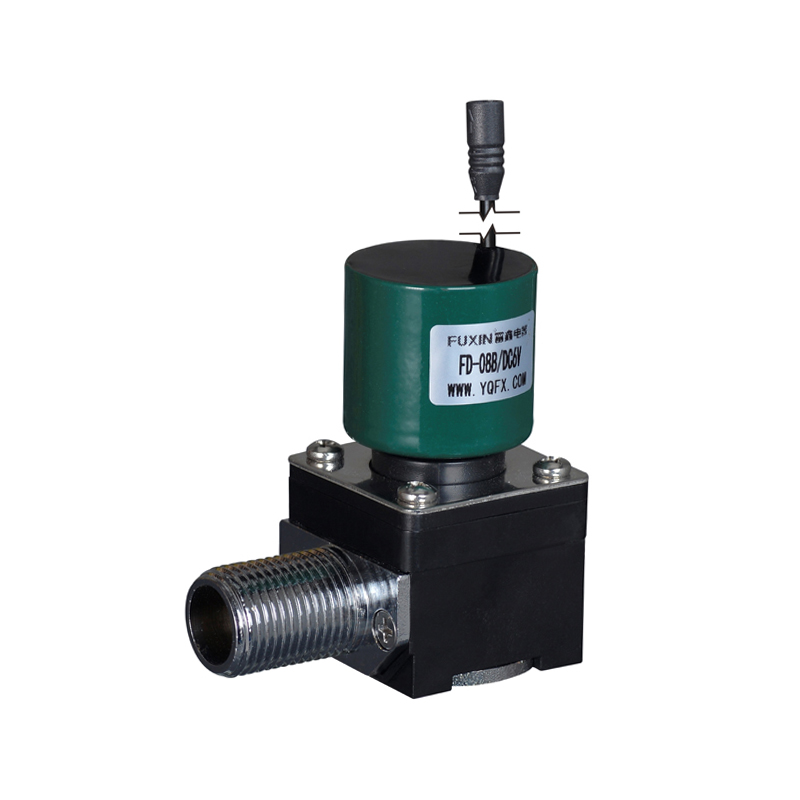
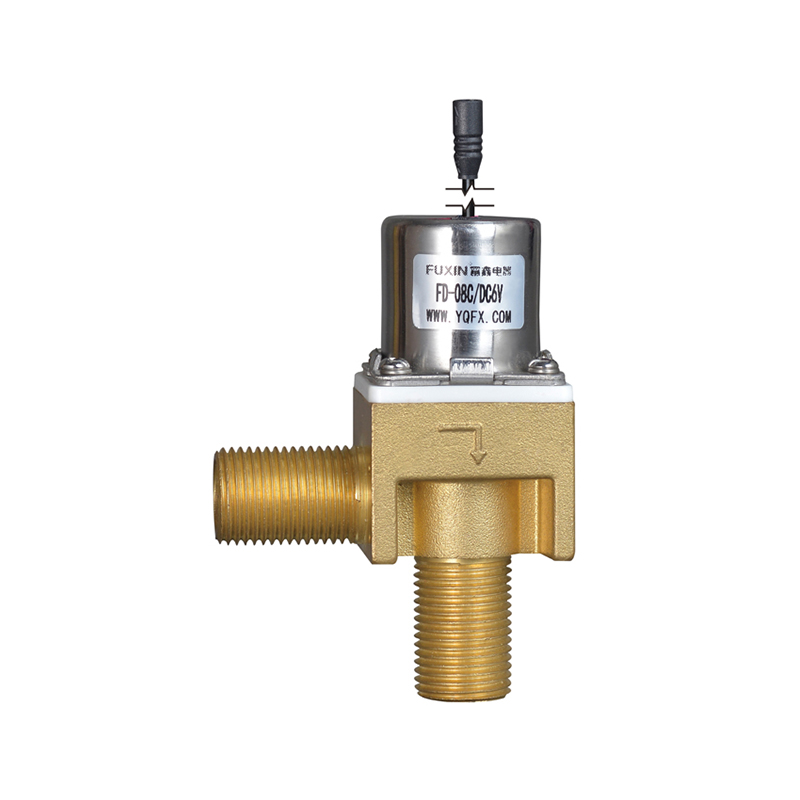
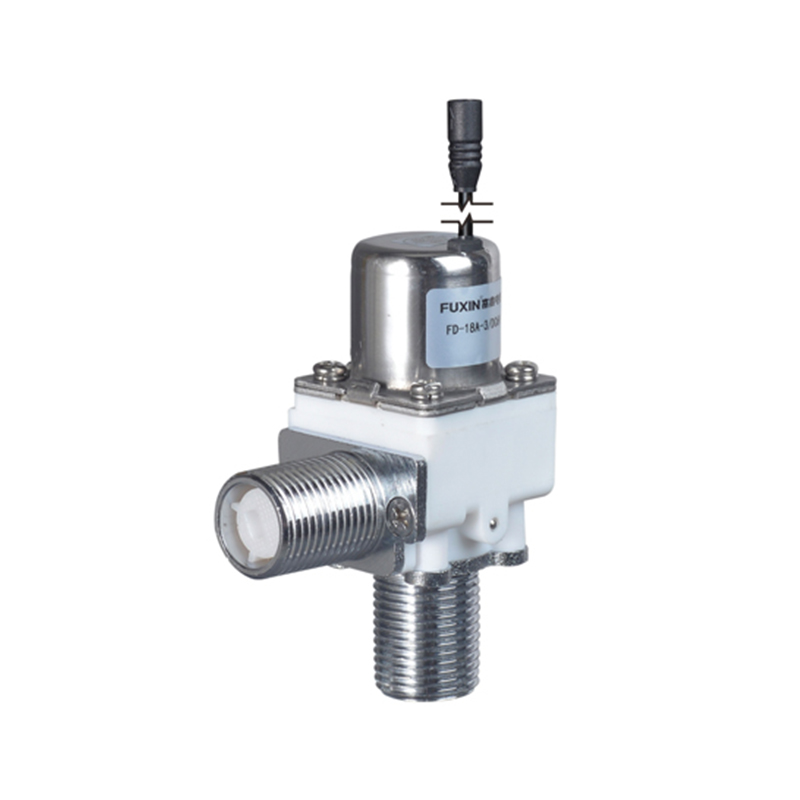
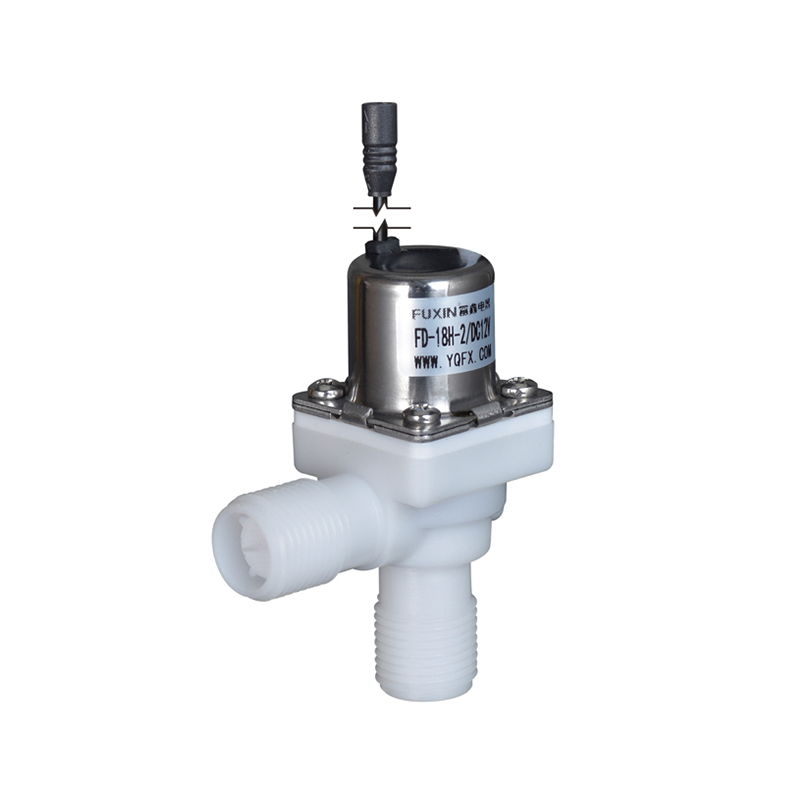
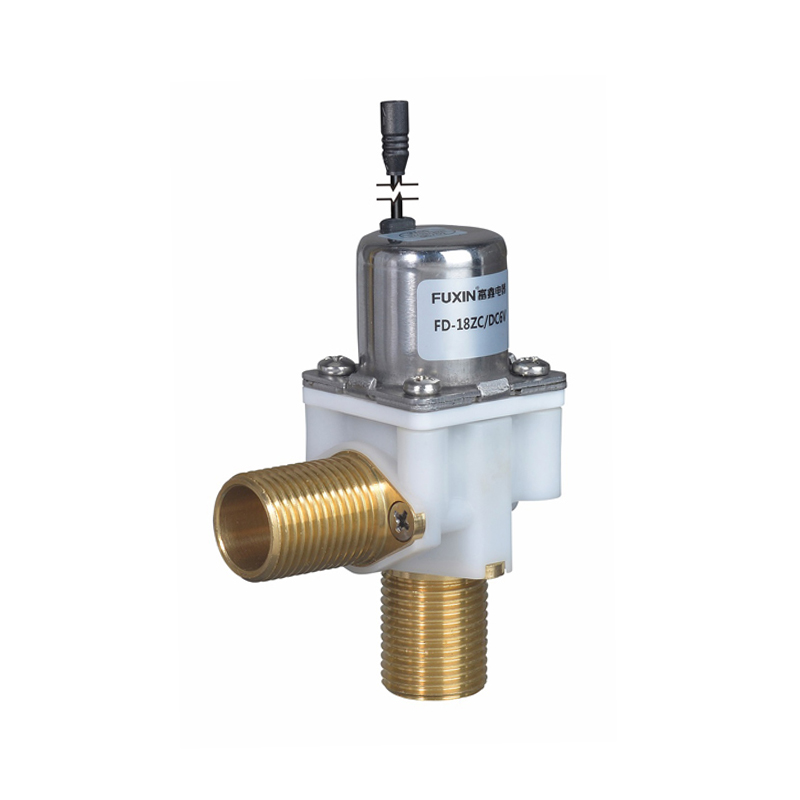
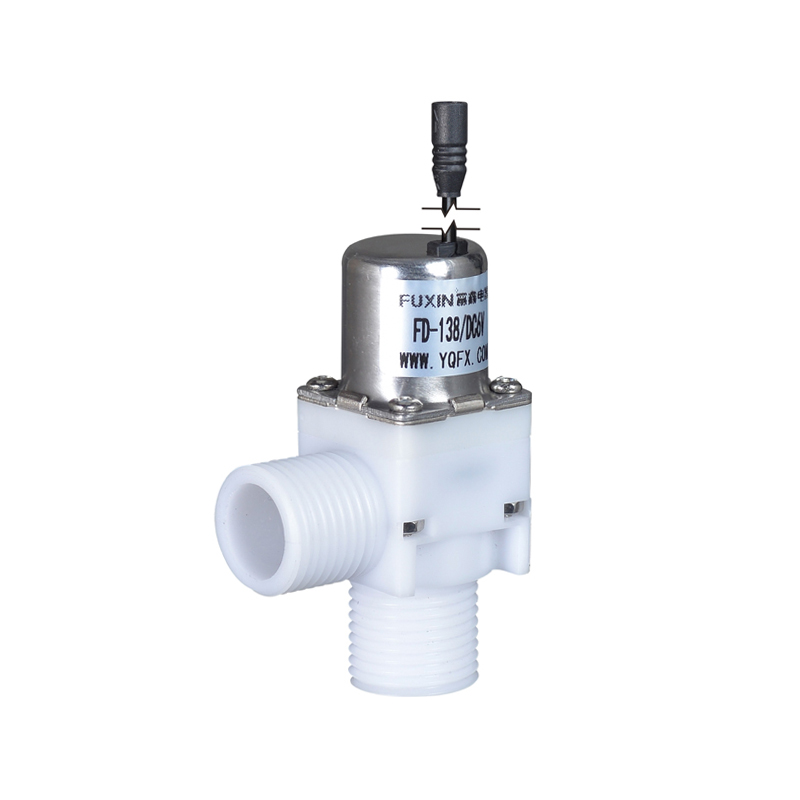
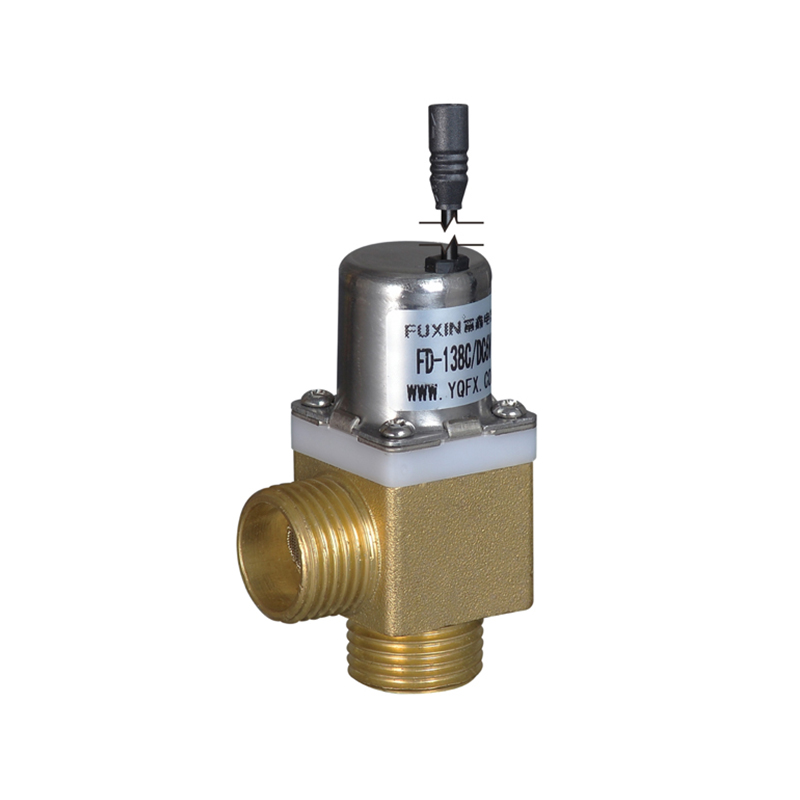
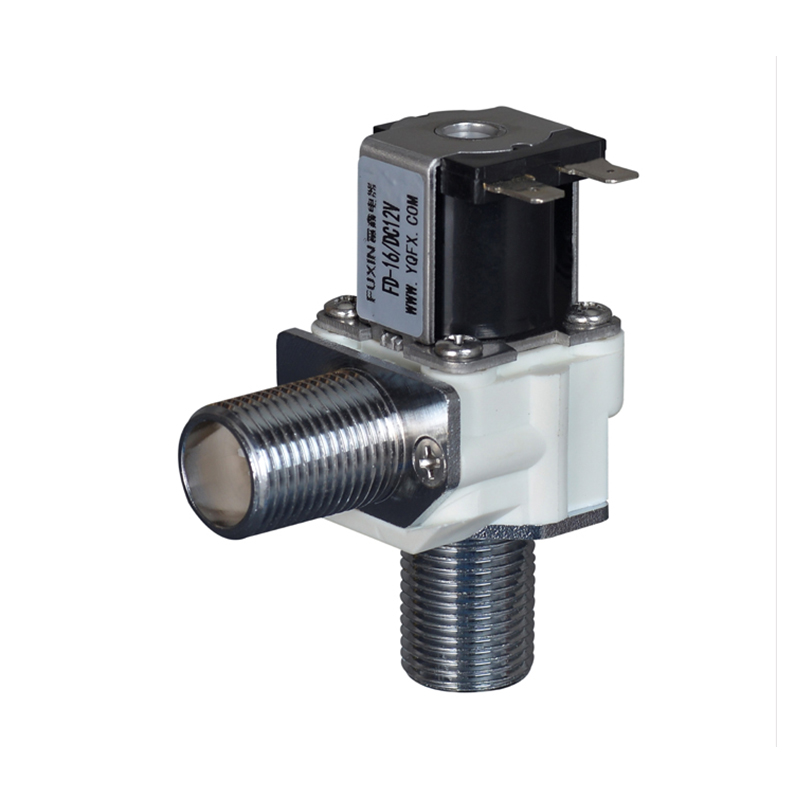
Strip away the jargon and a Solenoid Coil is just wound wire that builds a magnetic field the moment current runs through it. That field either pulls or pushes a plunger sitting inside a solenoid valve, and depending on whether current's flowing or not, the valve opens or shuts.
Simple, right? That's kind of the point. No tangled mechanical linkage, no moving parts beyond the plunger itself. Just electromagnetic force doing a job that would otherwise demand someone standing there flipping a switch, or a far clunkier actuator system trying to accomplish the same thing.
So Why Does This Basic Trick Matter So Much for Automation?
Automated systems can't tolerate a human needing to physically nudge a valve open. They need something that reacts fast and predictably every single time. A Solenoid Coil hands over exactly that, turning an electrical pulse straight into mechanical valve movement without the lag or unpredictability that comes with manual switching.
This matters a lot more once a system runs continuously, or needs valves cycling rapidly and repeatedly through a production sequence. Manual operation just can't keep up there. It never could.
The Usual Suspects: Common Problems in Automated Fluid Control
Before looking at how Solenoid Coils help address these issues, it is useful to understand the common problems that can occur in these systems and what causes them.
- Valves stuck needing manual intervention, which kind of defeats the whole point of calling something automated
- Response timing that wobbles unpredictably instead of firing exactly when the control system says to
- Poor integration with the rest of the automated setup, creating awkward manual bottlenecks in an otherwise hands-off process
- Reaction speeds too slow to keep pace with fast production cycles
Each one of these traces back to the same underlying gap: what the automation system expects, and what the existing valve mechanism can actually deliver.
Does Every Fluid Control Headache Come Back to Valve Actuation?
Not always, though it is still worth checking early because it appears in many cases. Some issues are actually related to pressure control, incorrect pipe sizing, or sensors that have shifted from their original calibration, and these factors are separate from the way the valve is activated.
However, when the issue involves unstable switching, slow reactions, or difficulty integrating valve operation into a larger automated process, Solenoid Coil performance is often one of the key areas to inspect.
How Solenoid Coils Tackle the Automated Switching Problem
The core trick here, turning electrical signal into mechanical movement, directly wipes out the problem of valves needing a person standing by to operate them.
Once a coil gets built into a valve assembly, that valve starts listening to whatever's running the show, a timer, a sensor trigger, a full programmable logic controller managing an entire sequence. Nobody needs to be there physically flipping anything anymore.
| Problem Category | How Solenoid Coils Address It | Practical Result |
|---|---|---|
| Manual valve operation dependency | Turns electrical signal into automatic actuation | Removes the human step from each cycle |
| Inconsistent response timing | Delivers fast, predictable electromagnetic actuation | Keeps response consistent across repeated cycles |
| Limited automation integration | Interfaces directly with sensors and controllers | Folds valves into a bigger automated sequence |
| Slow cycling capability | Reacts quickly to signal changes | Keeps pace with faster production demands |
Why Consistency Matters More Than People Assume
Automated systems live and die on predictability. A valve that snaps shut quickly one cycle and drags its feet the next throws off everything downstream, product quality, timing with other machines, overall efficiency, none of it stays unaffected.
Solenoid Coils, matched correctly to voltage and power needs, deliver that steady cycle-after-cycle response. That reliability is really why they've become such a default part across fluid control setups that need genuine automation rather than someone occasionally nudging things back into place by hand.
Can a Sloppy Coil Actually Cause Bigger Problems Down the Line?
It genuinely can, and it's not something to shrug off as a minor annoyance. A coil firing inconsistently throws off timing with everything else running alongside it, and that can snowball into cascading issues across a line that depends on tight sequencing between multiple machines.
Catching coil trouble early, before it snowballs into a system-wide timing mess, saves a whole lot more grief than waiting until the inconsistency becomes obvious through downstream failures.
Where This Actually Plays Out Across Different Industries
Different setups run into fluid control headaches that Solenoid Coils solve in slightly different ways, depending on what the application actually demands.
- Water treatment systems lean on Solenoid Coils for steady switching across filtration, dosing, and flow regulation
- Manufacturing lines use solenoid-driven valves to manage fluid timing across different production stages
- HVAC setups depend on them for controlling refrigerant or water flow tied to temperature signals
- Irrigation systems automate watering schedules through solenoid valves instead of someone manually opening lines at set intervals
Does the Application Actually Change Which Coil Spec Makes Sense?
It does, quite a bit actually. Different setups place different demands on voltage, duty cycle, and how much environmental abuse the coil needs to shrug off. A coil built for continuous industrial duty needs different traits than one meant for occasional residential irrigation, even though both are doing the exact same electromagnetic job underneath.
Buyers should discuss their specific application needs with suppliers instead of relying on a general specification for every situation. A mismatch between the coil specifications and the working environment may result in early wear or inconsistent performance when the coil operates outside its intended conditions.
Environmental Conditions That Quietly Wreck Coil Performance
Beyond basic electrical matching, whatever's happening around the installation site affects how reliably a coil actually performs over time.
- Extreme temperatures can degrade winding insulation and electromagnetic performance after enough exposure
- Moisture demands proper sealing and housing, or corrosion and short circuits eventually creep in
- Vibration from nearby equipment can loosen connections if mounting and wiring weren't secured properly
- Chemical exposure in certain industrial settings might call for specialized housing materials resistant to whatever's in the air
Confirming a coil's environmental rating actually fits the installation site, rather than assuming a standard spec will handle whatever gets thrown at it, prevents the kind of premature failure that otherwise looks like some mysterious recurring glitch.
A Reasonable Process for Picking the Right Coil
Rather than matching voltage and calling it done, working through a fuller evaluation helps make sure the coil actually solves the problem it's meant to solve.
- Confirm voltage and power line up with what the control system can actually output
- Think through duty cycle honestly, since continuous operation asks something different of a coil than occasional use
- Weigh environmental exposure, temperature, moisture, any chemical presence at the site
- Check that it'll actually talk to existing controllers, sensors, or whatever's running the automation
- Just ask the supplier directly whether their recommendation genuinely fits the intended use
Skip this and choose based on basic spec matching alone, and coil failure or flaky performance often traces right back to a mismatch nobody caught early enough.
Finding Suppliers Who Actually Get the Application
Sourcing from a Solenoid Coil factory that can handle specific application quirks, rather than pushing one generic product at everyone, matters a lot for buyers dealing with demanding or unusual operating conditions.
Worth asking solenoid valve coil manufacturers about:
- Whether they can build custom voltage or power specs for non-standard control setups
- Environmental rating options for harsh temperature, moisture, or chemical conditions
- Quality control that actually holds consistency across production batches
- Real guidance for buyers who aren't sure which spec fits their system
Why Does It Matter Working Directly With Solenoid Coil Suppliers Instead of Just Grabbing Generic Parts?
Generic parts bought without any application-specific conversation sometimes get by fine in simple, low-demand setups, but they tend to fall apart in tougher environments or automation sequences that need precise, dependable performance. Suppliers willing to actually talk through real operating conditions, rather than just selling whatever's sitting in stock, tend to hand over components that solve the actual problem instead of creating fresh ones down the road.
This distinction shows up a lot for buyers sourcing through a water solenoid valve factory or working with broader control valve factory needs, where a mismatched component becomes a recurring maintenance headache that proper specification would have avoided entirely.
Solenoid Coils solve a specific, genuinely important slice of problems inside automated fluid control systems, taking electrical signals and turning them into fast, dependable valve actuation that cuts out manual steps and lets automation actually integrate the way it's supposed to. Whether it's water treatment, manufacturing, HVAC, or irrigation, matching coil spec to real voltage, duty cycle, and environmental demands is really what separates a component that quietly works for years from one that turns into a recurring source of system trouble. Zhejiang Fuxin Electrical Technology Co., Ltd. works alongside engineers and buyers sorting through exactly these specification and application questions, helping match coil capability to whatever a given automated fluid system genuinely needs. Reach out with system details or application specifics, and the conversation about which coil solution actually fits can start from there.