
 EN
EN English
 Español


Valves that hesitate half a second longer than they should, a control loop that drifts out of sync during a long production run, unexplained heat buildup in a panel that never used to run warm, engineers chasing automation efficiency eventually land on the same overlooked component behind these symptoms. Working with the right Solenoid Coil Manufacturer often turns out to matter more than adjusting the surrounding control logic, since the coil sits right at the point where an electrical signal becomes physical motion. For automation engineers, OEM equipment builders, and fluid control system designers sourcing components for production lines, understanding what a coil actually contributes to system performance shapes both design decisions and supplier evaluations going forward.
What Does a Solenoid Coil Actually Do Inside an Automated System?
At its core, the coil converts an electrical signal into a magnetic field, which then pulls or pushes a plunger to open or close a valve, or shift a mechanical component into position. That conversion happens fast, often within a fraction of a second, and the reliability of that switching action directly affects how consistently the rest of the automated process behaves.
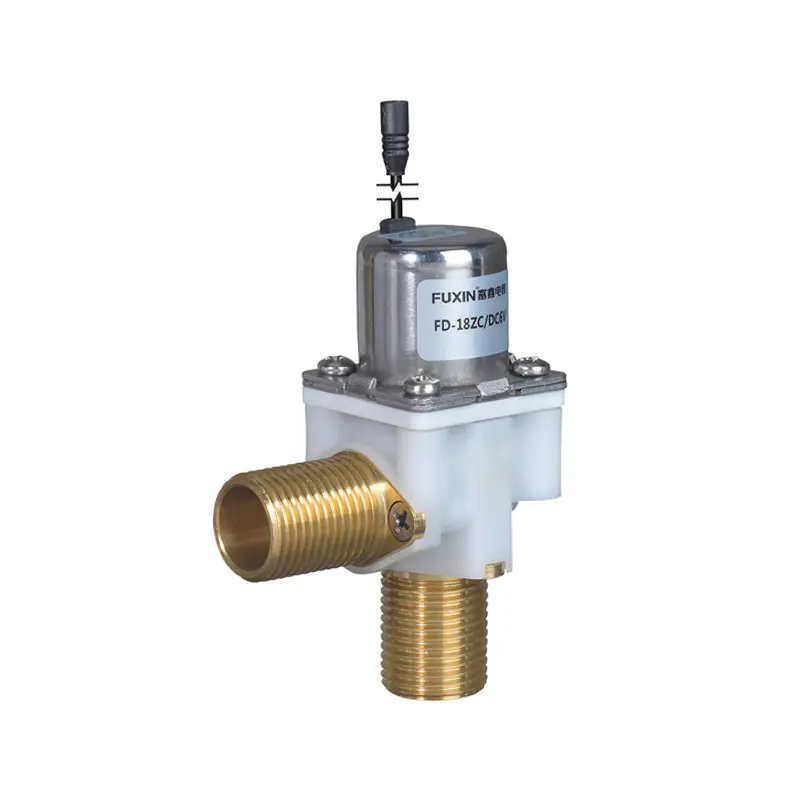
Think of it as the translator between the control system's digital instructions and the physical world of valves, actuators, and fluid lines. A control system can send a perfectly timed signal, but if the coil responds inconsistently, the whole sequence downstream inherits that unpredictability.
Why Does Response Speed Matter So Much in Automated Lines?
Automated production sequences often chain multiple steps together, where one valve opening triggers a sensor reading that then triggers another action. A coil with sluggish or inconsistent response introduces small delays that ripple through the entire sequence. Multiply that delay across a shift running continuously, and what looked like a negligible lag becomes measurable lost throughput by the end of the day.
How Does Coil Quality Influence System Reliability?
Not all coils behave the same way under repeated cycling. Some degrade faster under heat, losing magnetic strength after extended duty cycles, while others hold consistent performance across long production runs without needing frequent replacement. This distinction matters enormously for facilities running continuous operations, where unplanned downtime for coil replacement costs far more than the component itself.
Heat management plays a particular role here. Coils that operate at higher temperatures than necessary tend to experience faster insulation degradation, which may eventually result in short circuits or complete failure. A well constructed coil manages heat more effectively, extending service life and reducing the frequency of unplanned maintenance interruptions.
Does Coil Design Affect Energy Consumption Across a Facility?
It does, and this often gets overlooked when engineers focus purely on switching speed. A coil that draws excess current to maintain its magnetic field wastes energy continuously during operation, not just during the brief switching moment. Facilities running dozens or hundreds of solenoid valves across a plant floor can see that inefficiency add up considerably over time, even though each individual coil seems to draw a modest amount on its own.
Comparing Coil Types for Different Automation Needs
Buyers evaluating options for a new system, or replacing aging components in an existing one, benefit from understanding how different coil categories serve different purposes.
| Coil Category | Primary Function | Typical Application |
|---|---|---|
| Standard Solenoid Coil | General on off switching for valve actuation | General automation, packaging lines |
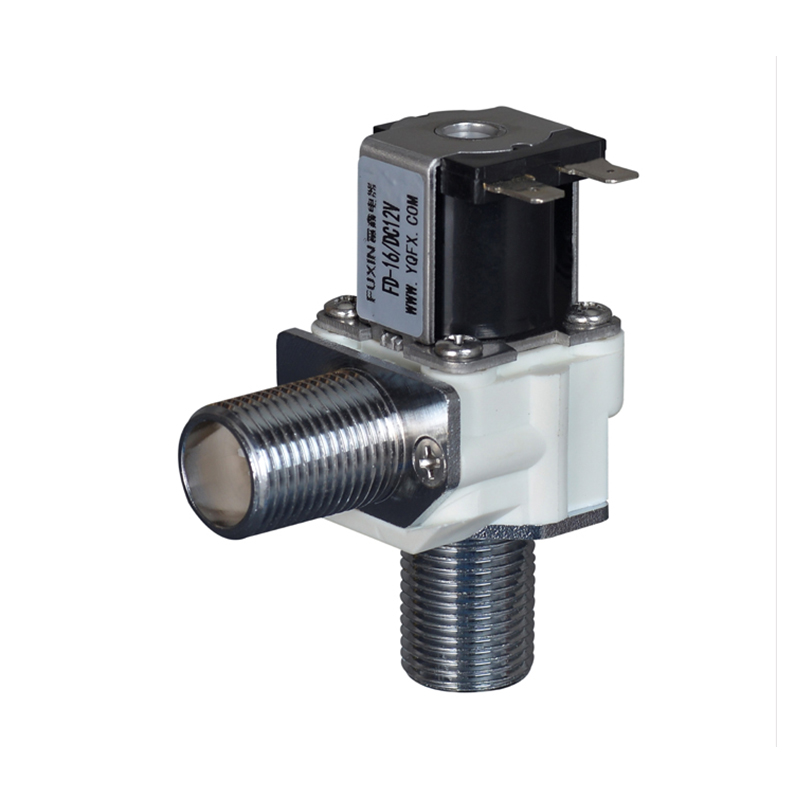
| Solenoid Valve Coil | Paired directly with valve bodies for fluid control | Pneumatic and hydraulic control systems |
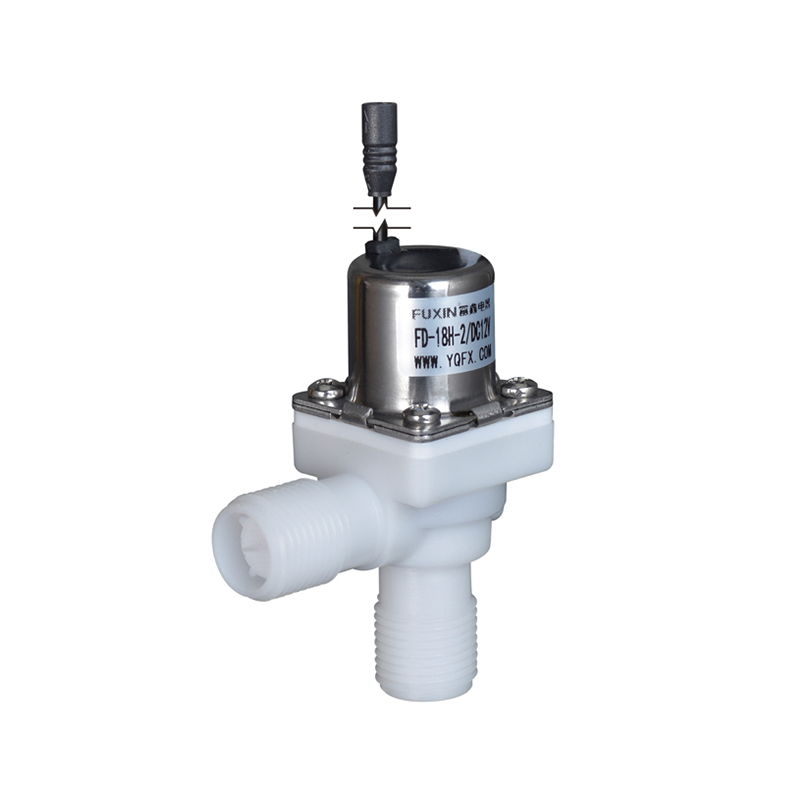
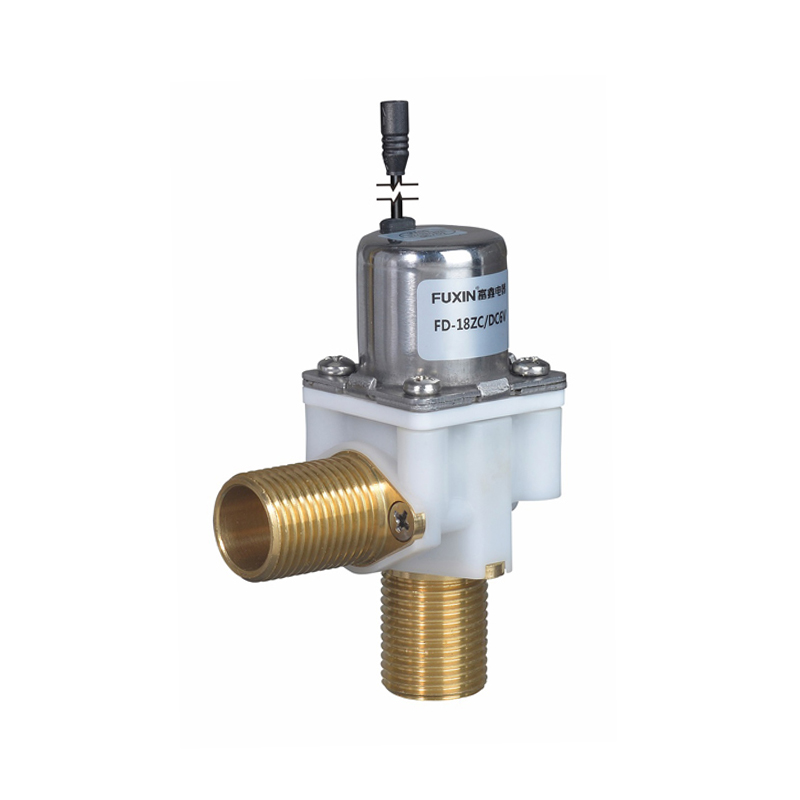
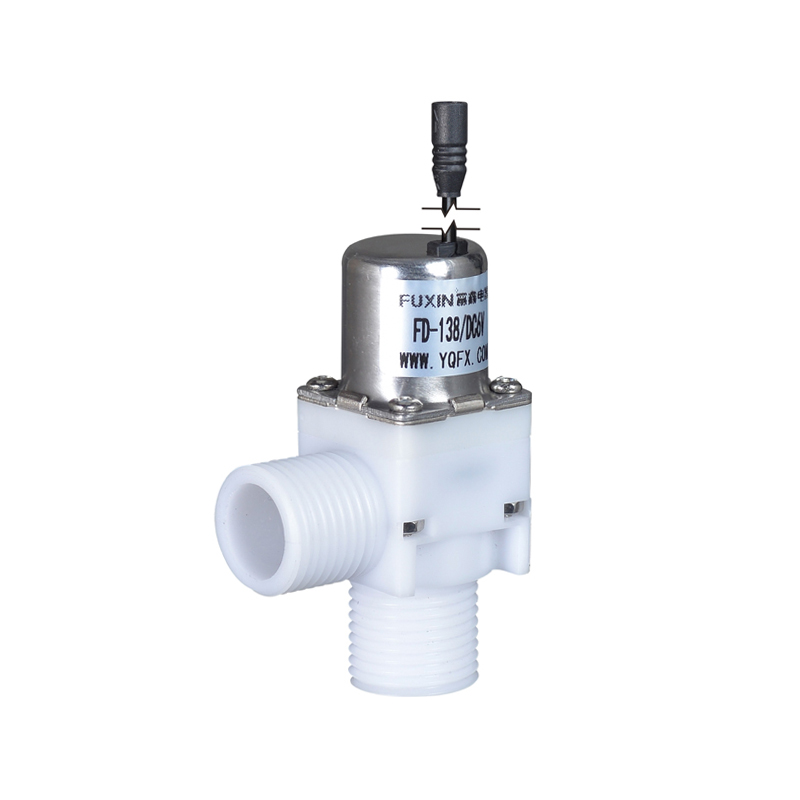
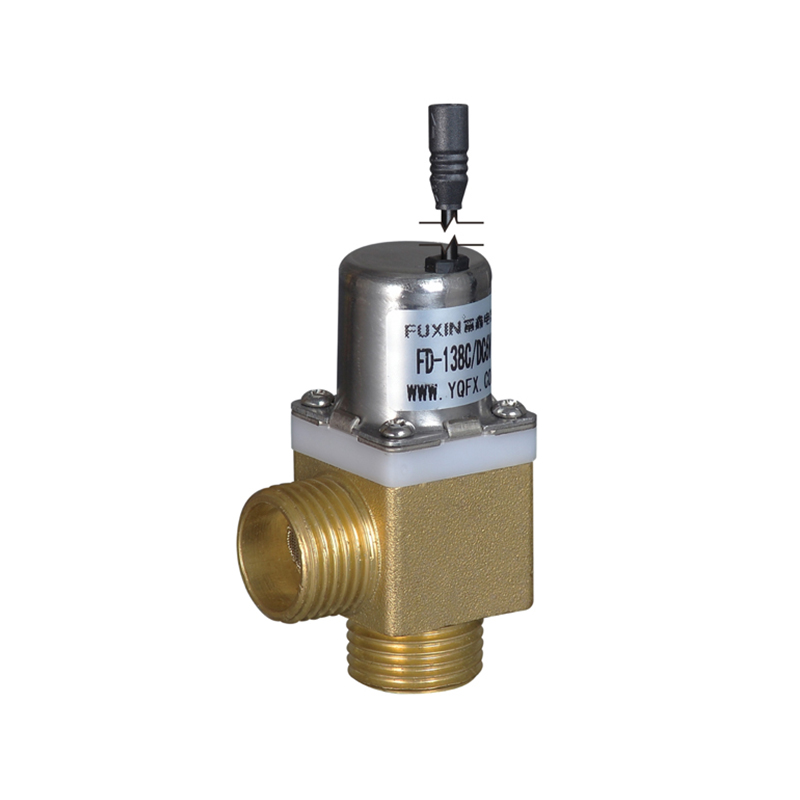
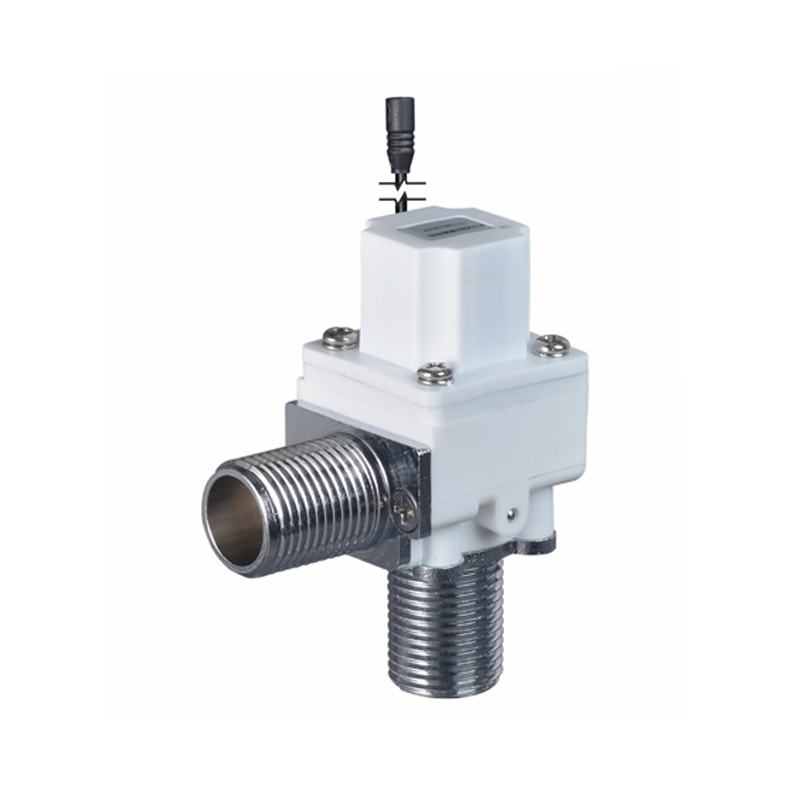
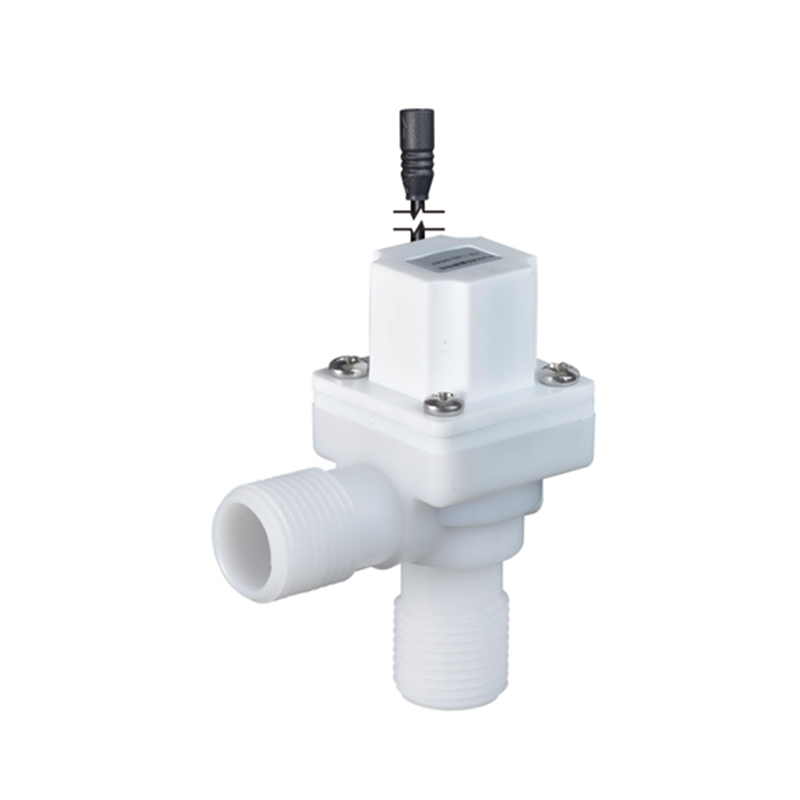
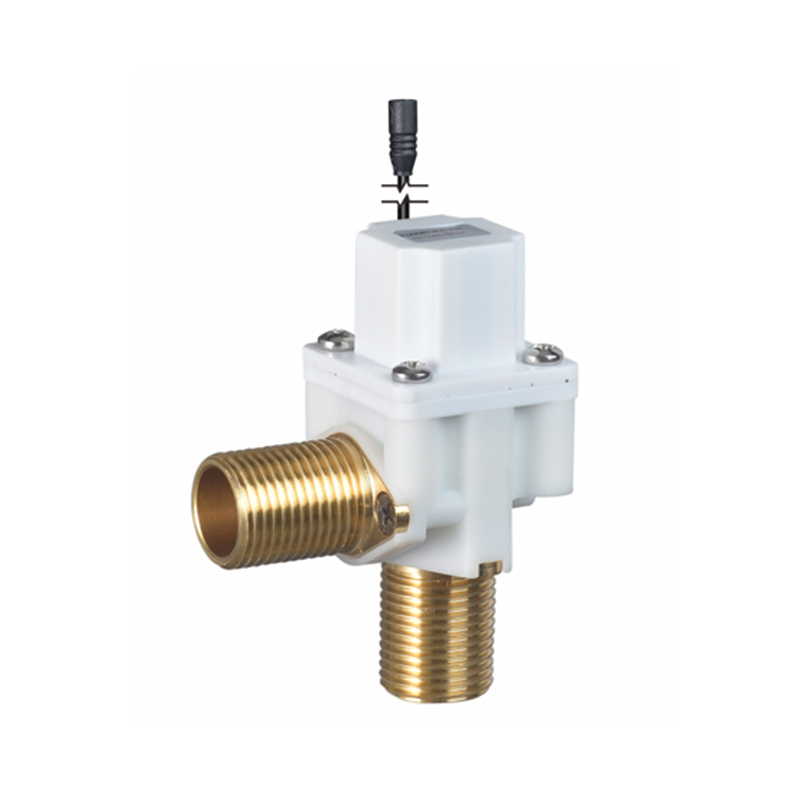
| Water Solenoid Valve Coil | Built for continuous exposure to water flow environments | Irrigation, water treatment, plumbing automation |
| High Duty Cycle Coil | Designed for frequent, repeated switching without overheating | High speed packaging, continuous process lines |
Selecting the right category depends heavily on how often the coil switches, what medium it interacts with, and how much continuous duty the application demands. A coil built for occasional switching in a dry environment will not hold up the same way in a water treatment application running around the clock.
What Should Buyers Discuss With a Solenoid Valve Coil Manufacturer Before Ordering?
Sourcing coils for a new automation project or an OEM build benefits from a structured conversation rather than a quick catalog lookup. A few points tend to guide that discussion productively.
- Duty cycle expectations, clarifying how often the coil will switch and whether operation runs continuously or intermittently.
- Environmental exposure, including moisture, temperature extremes, or chemical contact that could affect insulation and housing materials.
- Voltage and current requirements, matching the coil specification to the control system driving it.
- Physical mounting constraints, since coil dimensions need to fit within existing valve bodies or enclosure designs.
- Certification needs, particularly for industries with strict safety or hazardous location requirements tied to electrical components.
Are Custom Coil Specifications Ever Worth the Extra Coordination?
Frequently, yes, particularly for OEM equipment builders integrating coils into a proprietary design. Standard off the shelf coils work fine for general applications, but equipment with unusual voltage requirements, tight space constraints, or unique environmental exposure sometimes benefits from a coil built to a specific tolerance rather than adapted from a generic product line. A Solenoid Coil Factory capable of handling custom orders alongside standard production tends to serve OEM buyers better than one limited strictly to catalog items.
Where Do Water Based Applications Fit Into This Picture?
Irrigation systems, municipal water treatment facilities, and plumbing automation all rely on coils that hold up under constant exposure to water and, in some cases, chemical treatment agents mixed into the water supply. A Water Solenoid Valve Factory producing coils for this segment typically emphasizes corrosion-resistant housing and sealing designed to keep moisture away from the electrical winding itself, as even minor water ingress into a standard coil may result in early failure.
Buyers sourcing for water related automation should treat this environmental resistance as a baseline requirement rather than an optional upgrade, since replacement costs and downtime in a water treatment facility tend to carry higher stakes than a dry indoor packaging line.
Bringing Efficiency and Reliability Together
Automation efficiency is rarely the result of a single major upgrade; it is built through consistent and reliable performance at each stage where an electrical signal is converted into physical motion. The coil inside each solenoid valve often carries more importance in this chain than is initially recognized during system design. Working with a dependable Solenoid Coil Manufacturer means fewer unexpected failures, steadier response times across long production runs, and lower energy waste accumulating across a facility running dozens of automated components simultaneously. Zhejiang Fuxin Electrical Technology Co., Ltd. works with automation engineers, OEM builders, and procurement teams sourcing coils through Solenoid Coil Suppliers relationships built around matching specifications to real operating conditions, and sharing your voltage requirements, duty cycle expectations, and environmental exposure details is a practical way to start narrowing down the right coil for your system.