
 EN
EN English
 Español


Your control system sends the signal. The valve should respond in milliseconds. Instead, there's a lag — small enough to ignore in low-speed applications, significant enough to cause pressure spikes, flow inconsistency, or sequencing errors in anything time-sensitive. If you're working with fluid control systems where actuation speed matters, the solenoid coil is the component that determines how fast a valve can actually respond to an electrical command. Understanding the relationship between coil design, magnetic force generation, and mechanical actuation clarifies why some valves respond faster than others — and what to look for when sourcing from a Solenoid Coil Manufacturer or evaluating coil configurations for an existing system.
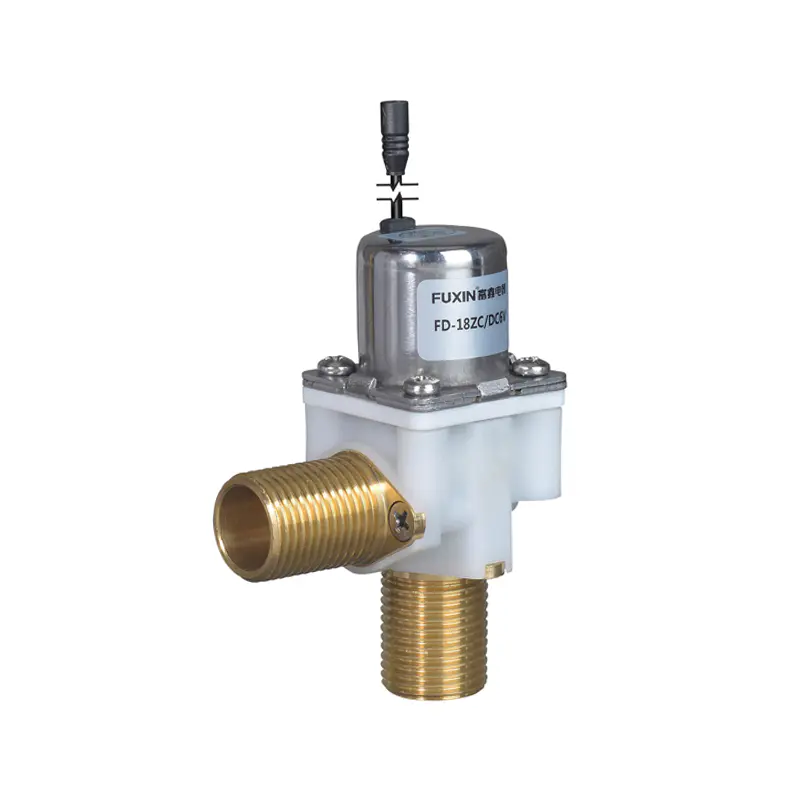
What a Solenoid Coil Actually Does in a Valve System
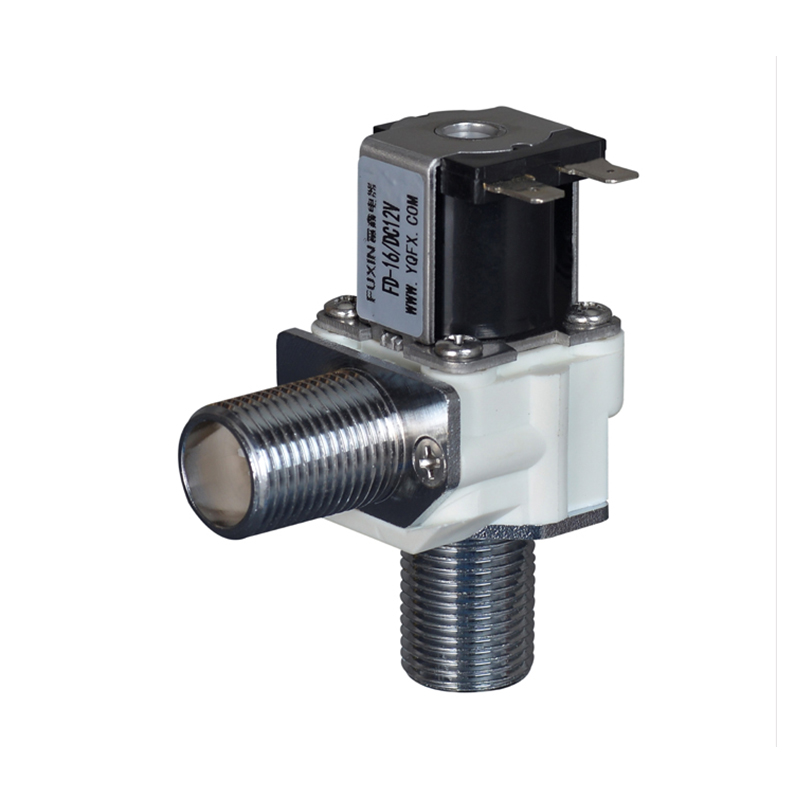
The coil is the electrical-to-mechanical conversion point in a solenoid valve. When current flows through the coil windings, it generates a magnetic field. That field acts on a ferromagnetic core — the armature or plunger — pulling it toward the coil center against whatever opposing force holds it in the rest position: a spring return, fluid pressure, or gravity.
The entire actuation sequence — signal arrives, current builds, magnetic field develops, force overcomes resistance, armature moves, valve opens or closes — happens within a window that ranges from a few milliseconds to tens of milliseconds depending on how the coil and valve are designed.
Response time isn't a fixed property of a valve model. It's the result of the interaction between the coil's electrical and magnetic characteristics and the mechanical system it's driving. Changing the coil parameters changes the response time. Understanding which parameters matter and how they interact is what makes coil specification a performance engineering decision rather than a catalog selection.
The Physics Behind Coil-Driven Actuation
Three things have to happen in sequence before a solenoid valve moves: current has to build through the coil, the coil has to develop sufficient magnetic force, and that force has to overcome the mechanical resistance holding the valve in its current state.
Current rise time is the constraint. Inductance — the coil's resistance to changing current — determines how quickly current can build from zero to operating level after the signal is applied. A coil with high inductance builds current slowly. A coil with lower inductance builds current faster. The tradeoff is that higher inductance generally means a stronger sustained magnetic field once current is established.
Magnetic force development follows the current curve. Force is proportional to the square of the magnetic flux density in the air gap between the armature and the core. As current builds, force builds — but not linearly. In the early part of the current rise, force is still below the threshold needed to move the armature. The time spent below that threshold is dead time from the system's perspective.
Mechanical resistance sets the force threshold the coil must exceed. Spring preload, fluid pressure acting on the valve seat, and friction in the armature guide all contribute to the resistance the magnetic force must overcome before movement begins. A coil that generates adequate force for static conditions may struggle when fluid pressure on the valve seat adds to the spring load.
The net result: response time is determined by how quickly the coil can generate enough force to overcome all resistance. Coil design, drive voltage, and the mechanical configuration of the valve body are all variables in that equation.
How Coil Design Parameters Affect Response Speed
Not all coils are equivalent, even at the same voltage and power rating. The physical design of the coil determines its electrical and magnetic behavior in ways that directly affect response time.
Wire gauge and number of turns: More turns increase inductance and peak magnetic force but slow current rise. Fewer turns with heavier wire reduce inductance and speed current rise but may require higher drive power to achieve adequate force. Coil designers balance these competing requirements against the specific valve actuation requirements.
Core material: The ferromagnetic core material affects how the magnetic field concentrates and how it saturates at higher current levels. Materials with higher permeability generate stronger fields for a given current, potentially reducing the current — and therefore time — needed to reach the actuation force threshold.
Coil geometry: The physical dimensions of the coil — diameter, length, fill factor — determine the air gap geometry when the armature is in the rest position. A larger initial air gap requires more force to begin armature movement; a smaller gap requires less. Coil geometry and valve body geometry need to be matched for the response characteristics required.
Bobbin and insulation materials: Thermal properties of the bobbin affect how the coil heats during operation. A coil that runs hot has higher winding resistance, which reduces current at a given voltage and weakens the magnetic force. In high-cycle applications — fast-switching valves operating continuously — thermal management in the coil design affects sustained response performance, not just initial response.
AC vs DC Solenoid Coils: Response Behavior Differences
The choice between AC and DC coil supply affects response time in ways that aren't always obvious from the electrical specification.
DC solenoid coils build current steadily after energization. The current rise is governed by the coil inductance and resistance. Response time is relatively predictable and consistent. However, a DC coil energized continuously draws the same current in the holding state as in the initial actuation — which creates continuous heat generation. Some DC coil designs use a voltage drop after initial actuation (through a resistor or electronic driver) to reduce holding current and heat.
AC solenoid coils operate differently. The alternating current creates a fluctuating magnetic field, which means the armature experiences a pulsating force rather than a steady pull. This is why AC solenoid valves produce a characteristic hum during operation — the armature is vibrating at the supply frequency. Response on initial energization can be faster than DC in some configurations because the peak current in an AC cycle is higher than the RMS value, providing a strong initial pull. However, AC coils can have higher inrush current and generate significant heat if the armature doesn't fully seat.
For systems requiring precise, fast response with controlled current, DC coil drives with electronic actuation control are generally more adaptable. AC coils remain common in applications where AC supply is standard and the valve actuation requirements don't demand millisecond-level timing control.
What Affects Response Time Beyond the Coil Itself
Coil design sets the potential for fast response. Whether that potential is realized depends on several other system factors that interact with the coil performance.
Drive voltage: Higher drive voltage produces faster current rise for a given coil inductance — the voltage difference from zero to operating level is larger, so current climbs more steeply. Some fast-response solenoid drivers use a voltage boost during the initial actuation pulse to accelerate current rise, then drop back to a holding voltage once the valve has moved. This is called a peak-and-hold drive strategy and is used where very fast response is required without overheating the coil.
Fluid pressure at the valve: Pressure acting on the valve seat adds to the mechanical resistance the coil must overcome. A valve operating at higher differential pressure requires more magnetic force to open — which means the coil must reach a higher current level before actuation begins. For a given coil design, higher operating pressure translates to slower response unless the coil is designed with that pressure load factored into the force calculation.
Valve body design and armature mass: A lighter armature accelerates faster for a given force — basic mechanics. Valve body designs that minimize moving mass improve mechanical response. Armature guide friction also adds resistance; low-friction guide materials and precision guide clearances contribute to faster and more consistent actuation.
Ambient temperature: Coil resistance increases with temperature. A coil running at elevated ambient temperature has higher winding resistance, which limits the current it can draw at a given voltage and reduces available magnetic force. In high-temperature environments — industrial ovens, engine compartments, outdoor installations in hot climates — coil thermal design becomes a response-time variable.
Comparing Coil Configurations for Different Response Requirements
| Application Type | Response Priority | Coil Characteristic | Drive Type | Key Design Consideration |
|---|---|---|---|---|
| Medical and Laboratory Equipment | Very fast, precise | Low inductance, optimized coil geometry | DC with peak-and-hold control | Heat management and cycle-to-cycle consistency |
| Industrial Automation (PLC-Controlled) | Fast, reliable | Medium inductance, robust construction | DC or AC, depending on the control system | Long cycle life and appropriate temperature rating |
| Water Treatment and Irrigation | Moderate | Standard DC or AC coil | AC or DC direct drive | Moisture resistance and corrosion protection |
| HVAC and Building Automation | Moderate to slow | Standard coil construction | AC (common) | Long service life and minimal maintenance |
| Hydraulic Systems (High Pressure) | Moderate, limited by system pressure | High-force output coil | DC preferred | Sufficient force at operating pressure |
| Pneumatic Fast-Cycling Applications | Fast | Low inductance with a lightweight armature | DC with electronic driver | High cycle rate and effective heat dissipation during continuous operation |
The table reflects the range of requirements across application categories. A water solenoid valve factory designing for irrigation will specify differently from a control valve factory designing for precision industrial automation — even if the coil supply voltage is identical. The application context shapes every design parameter that affects response.
How Manufacturing Quality Affects Realized Response Performance
A coil that looks correct on paper can underperform in the field if manufacturing quality doesn't match the specification. Several production variables directly affect response time consistency.
Winding consistency: Variation in wire tension during winding affects the inductance and resistance of individual coils across a production batch. Well-controlled winding processes produce coils with consistent electrical characteristics. Loose tolerance winding produces coils that vary — which shows up as response time variation across a batch of valves.
Insulation integrity: The insulation between wire turns must withstand the operating voltage without breakdown. Partial insulation failure creates inter-turn shorts that reduce effective coil inductance and alter the magnetic field geometry. The result is unpredictable actuation behavior that may not appear until the coil has been in service for some time.
Core material consistency: Variation in the magnetic properties of the core material between production batches affects the force-current relationship. Solenoid Coil Suppliers who source core materials with tightly controlled magnetic permeability produce more consistent actuation performance than those who accept wider material variability.
Encapsulation quality: Coils intended for industrial use are typically encapsulated in resin to protect the windings from moisture, vibration, and thermal cycling. Incomplete encapsulation, voids in the resin fill, or inadequate adhesion between the resin and winding create points where moisture can enter and cause insulation degradation over time. A coil that passes initial testing but fails after six months of outdoor service often traces back to encapsulation quality.
For buyers sourcing coils at volume from Solenoid Coil Suppliers or Solenoid Valve Coil Manufacturers, production quality documentation — winding process controls, incoming material testing, finished coil electrical testing — is as relevant to long-term performance as the component specification itself.
What to Ask When Evaluating a Solenoid Coil Manufacturer
The technical specification is the starting point. These additional questions help assess whether a manufacturer can consistently deliver the specified performance.
Production and testing:
- What electrical parameters are tested on every finished coil before shipment?
- How is winding consistency controlled across production batches?
- What is the standard insulation resistance test voltage and acceptance criterion?
Material traceability:
- Can core material magnetic properties be traced to incoming inspection records?
- What resin system is used for encapsulation, and what is its rated operating temperature?
- Is the wire grade and source documented for production batches?
Application support:
- Can the manufacturer provide force-current or response time characterization data for the coil in a representative valve body?
- Is application engineering support available for coil selection or custom coil development?
Quality management:
- What quality system certification does the factory hold?
- Is electrical testing performed on every unit a standard approach, or is sampling inspection the usual practice?
These questions don't need to be asked all at once, but the answers — and how readily a supplier provides them — indicate the level of manufacturing discipline behind the product.
Sourcing Considerations for Industrial Coil Applications
The supply chain for solenoid coils spans a wide range from specialized industrial manufacturers to general component distributors. For applications where response time consistency, reliability across temperature ranges, and long service life matter, the sourcing decision deserves the same engineering attention as the coil specification.
A solenoid coil factory focused on industrial applications typically invests in winding equipment capable of consistent tension control, encapsulation processes validated for the intended environmental exposure, and end-of-line electrical testing that catches deviations before shipment. These capabilities aren't visible from a catalog listing or a price quote — they require either factory qualification or references from buyers with comparable application requirements.
For OEM applications where the coil is integrated into a finished valve or control assembly, the coil supplier's ability to maintain specification consistency across production batches matters as much as meeting specification on the initial sample. Response time variation that's acceptable across a small prototype batch may become a field reliability problem when scaled to production volume.
Solenoid Coil Manufacturers that work regularly with control valve factories and fluid system OEMs have typically developed the documentation, testing, and process controls that serious industrial procurement requires. That operational experience is a practical qualification factor alongside technical capability.
Valve response time is ultimately a system-level outcome, but the solenoid coil is where the chain from electrical signal to mechanical motion begins — and where design and manufacturing quality have the clearest influence on how fast and how consistently that motion occurs. Understanding the coil parameters that govern magnetic force generation, current rise time, and thermal behavior gives engineers and buyers the language to evaluate whether a coil is specified and manufactured appropriately for a given application. For procurement teams qualifying new coil sources or engineering teams reviewing underperforming valve systems, the technical and manufacturing questions outlined here provide a structured starting point. Zhejiang Fuxin Electrical Technology Co., Ltd. manufactures solenoid coils for industrial valve and fluid control applications, with production processes and testing protocols suited to the requirements of control valve factories, water solenoid valve systems, and automation equipment OEMs. If your project involves coil specification, custom development, or volume sourcing, discussing your application parameters and production requirements directly is the more efficient way to determine fit.