
 EN
EN English
 Español


Water treatment systems rely on steady valve behavior, and a failing solenoid coil is frequently the source of unexplained downtime in filtration, dosing, or backwash cycles. Plant engineers and procurement teams looking into how to choose a solenoid coil for water treatment systems are usually dealing with a concrete issue already, such as repeated coil burnout, sluggish valve response, or moisture damage that interrupts a control loop. Picking the right coil is not purely a paperwork exercise; the choice shapes how the surrounding control valve behaves once it sits inside a wet or chemically active environment for an extended period. Coil selection generally comes down to understanding how the part works, matching it to the conditions it will face, and choosing a supplier capable of supporting the project well beyond the initial purchase. Each of these stages affects whether a coil keeps performing once it is installed in a live system.
What Should You Consider When Choosing a Solenoid Coil?
Before comparing manufacturers or requesting quotations, it helps to confirm the operating conditions the coil will face. A short evaluation usually covers the same group of factors, regardless of the type of water treatment equipment involved.
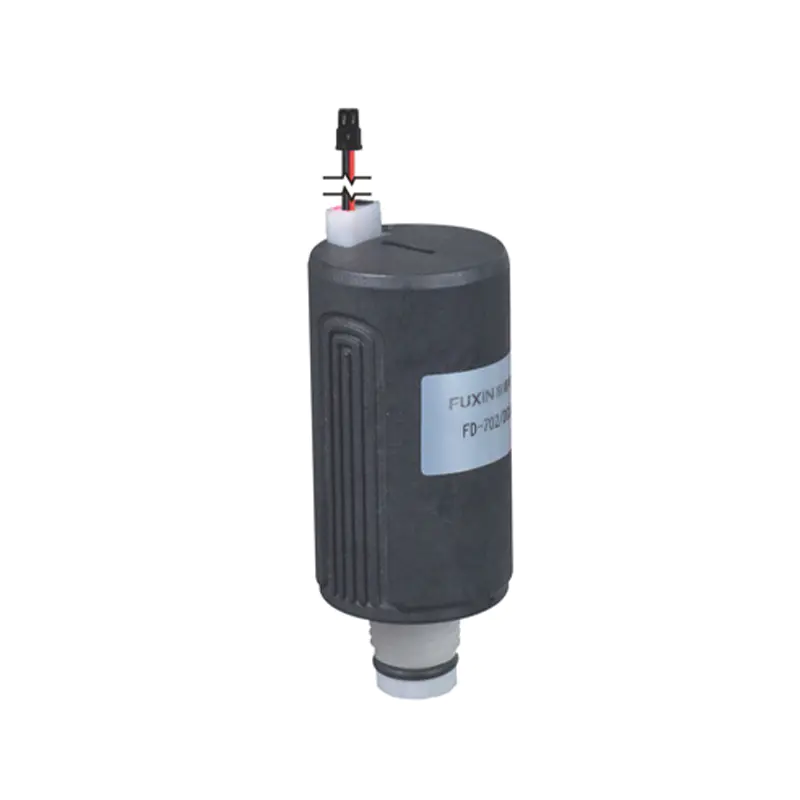
- Voltage and power supply compatibility with the existing control panel
- Protection rating suited to splashing, humidity, or submerged conditions
- Insulation class and heat tolerance under continuous duty cycles
- Wire and winding quality that affects coil lifespan
- Physical and electrical compatibility with the connected control valve
Working through these points early on cuts down on mismatched orders and lowers the odds of an early failure once the coil goes into service.
A Solenoid Coil Plays a Central Role in Water Treatment Systems
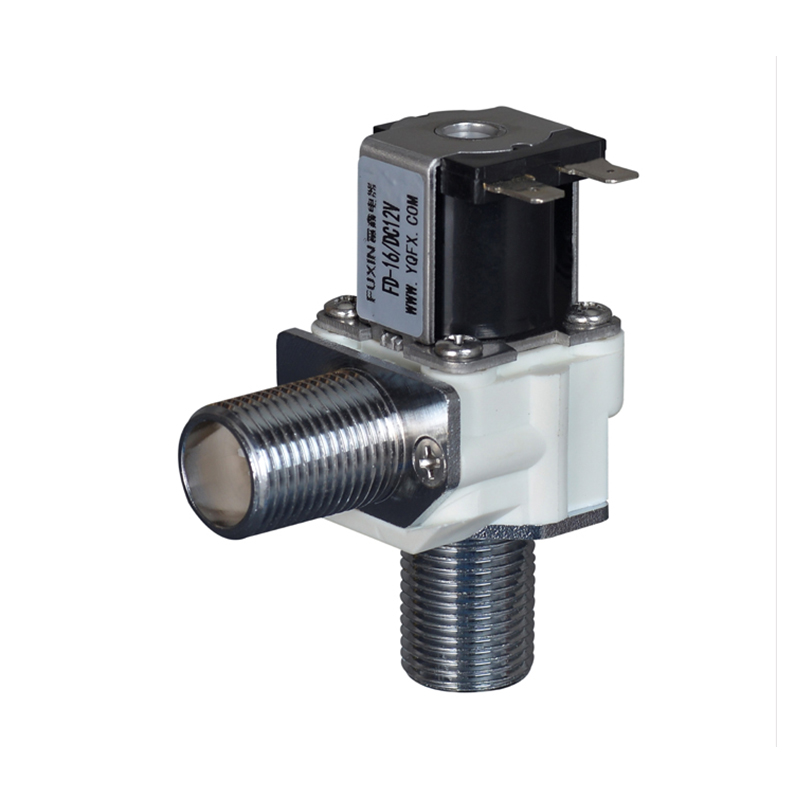
A solenoid coil is the electromagnetic component that turns an electrical signal into mechanical movement inside a solenoid valve. Current passing through the winding builds a magnetic field, and that field pulls a plunger or armature, which opens or closes the valve passage.
Inside a water treatment system, this action decides when water enters a filter, when a dosing line releases a chemical, or when a backwash cycle starts. Because the coil sits at the junction between electrical control and mechanical action, its condition has a direct bearing on how the rest of the system behaves.
A coil that overheats or loses insulation strength can leave a valve sticking, leaking, or unresponsive to control signals altogether. Recognizing this role explains why coil selection deserves the same attention given to valve body material or pipe sizing.
How Does a Solenoid Coil Work Inside a Water Control Valve?
The coil wraps around a tube or core that houses a moving plunger. Once the control system sends voltage to the coil, the magnetic field that forms lifts the plunger against a spring, opening the orifice and letting water or chemical solution pass through. When the signal cuts off, the spring pulls the plunger back into its closed position.
This cycle plays out repeatedly across many water treatment processes, including filtration backwashing, dosing pumps, and automated flushing. Every cycle adds heat inside the winding, and repeated exposure to moisture or condensation can wear down the insulation layer over time.
Coils built for dry industrial settings often struggle with this mix of thermal cycling and humidity, which is part of why water treatment applications call for components rated specifically for wet duty rather than general purpose parts.
Several Key Factors Determine the Right Coil Selection
Selecting a coil typically depends on more than a single specification. A change in one area, such as voltage, often carries over into insulation class or protection rating, so these factors tend to get reviewed together rather than checked off one at a time.
Treating coil selection as a checklist rather than a single decision also makes it easier to compare quotations from different suppliers on the same basis. Voltage, protection rating, temperature resistance, material quality, and compatibility with the connected valve commonly decide whether a coil holds up well in a water treatment setting.
Voltage and Power Requirements Define Coil Compatibility
Coils are built for specific voltage ranges and either alternating current or direct current supply. Ordering a coil with mismatched voltage can bring on underperformance, excess heat, or early winding failure.
Procurement teams should confirm the supply type used by the existing control panel before requesting a coil. Verifying voltage at the outset is usually simpler than adjusting it once the project is already underway.
Why Does Protection Rating Matter in Wet Environments?
Water treatment environments expose coils to splashing, condensation, and sometimes full immersion during cleaning. A coil without adequate sealing lets moisture reach the winding, which brings on short circuits or corrosion over time.
Buyers should request the documented protection rating for any coil meant for outdoor installation, submerged valve chambers, or high humidity rooms. This one factor alone accounts for a sizable share of premature coil replacement across water treatment installations.
Temperature Resistance Affects Long Term Reliability
Continuous duty cycles generate internal heat, and ambient temperature in pump rooms or outdoor enclosures adds to that load. Coils built with a suitable insulation class tolerate this heat buildup without losing magnetic strength or developing brittle wire coating.
Looking at the duty cycle, how often the valve switches, and the surrounding ambient temperature helps match the coil to actual conditions instead of defaulting to a general purpose part.
How Does Material Quality Influence Coil Lifespan?
The quality of copper winding and the enamel coating applied to it shapes how well a coil resists corrosion, vibration, and thermal expansion over repeated cycles. Lower grade winding wire can meet initial electrical specifications on paper while still failing earlier under continuous moisture exposure.
Asking a supplier about wire grade and coating method gives a clearer read on expected service life than comparing price alone.
Compatibility With the Control Valve Remains Essential
A coil has to match the physical dimensions, mounting style, and magnetic requirements of the valve body it operates. Mismatched dimensions can keep the plunger from seating correctly, even when the electrical specifications look fine on paper.
Working with a Control Valve Factory that understands both coil and valve engineering cuts down on fitment issues, since the two components are engineered to work as a matched assembly rather than as interchangeable parts.
What Problems Arise From Choosing the Wrong Solenoid Coil?
Picking a coil based on price or general availability, while skipping the voltage, protection, and material checks that matter in wet environments, tends to create recurring operational problems rather than one isolated failure.
- Coil burnout caused by voltage mismatch or continuous overheating
- Water ingress that causes short circuits and corrosion inside the winding
- Valve sticking or delayed response due to weakened magnetic pull
- Higher energy consumption as a damaged coil draws more current
- Unplanned downtime while a replacement part is sourced and installed
Each of these issues interrupts treatment cycles and can affect water quality if a valve fails to open or close at the right moment.
Solenoid Coil and Solenoid Valve Assembly Serve Different Purposes
Buyers sometimes use the terms coil and valve assembly interchangeably, though they describe different parts of the same system. Knowing the difference matters when deciding whether to replace a single component or the full assembly.
| Aspect | Solenoid Coil | Solenoid Valve Assembly |
|---|---|---|
| Function | Generates the magnetic field that moves the plunger | Controls the full path of water or chemical flow |
| Replacement scope | Can often be swapped on its own | Includes the coil, body, plunger, and seals |
| Common failure point | Winding insulation and protection rating | Seal wear, body corrosion, or coil failure |
| Sourcing consideration | Compatibility with the existing valve body | Compatibility with piping and the control panel |
When only the winding has failed and the valve body is still in good shape, replacing the coil on its own is usually enough. When seals or the valve body show wear as well, sourcing a complete assembly tends to be the more practical route.
Where Are Solenoid Coils Used Across Water Treatment Applications?
Solenoid coils show up across a wide range of water treatment equipment, and the operating environment shifts from one application to the next.
- Filtration systems, where coils trigger backwash cycles on a set schedule
- Reverse osmosis units, where coils manage feed water and flush valves
- Industrial water treatment plants, where dosing accuracy depends on consistent valve timing
- Irrigation systems, where coils sit exposed to outdoor humidity for long stretches
- Wastewater treatment lines, where corrosive conditions place extra demand on coil sealing
A Water Solenoid Valve Factory supplying across these segments typically keeps several coil variants on hand rather than relying on one universal design, since humidity, chemical exposure, and switching frequency differ between applications.
Solenoid Coil Manufacturers and Solenoid Coil Factories Offer Different Advantages
The terms manufacturer and factory often get used together, though buyers evaluating a Solenoid Coil Manufacturer typically focus on product development and engineering support. A Solenoid Coil Factory, on the other hand, tends to get judged more directly on production capacity and consistency across large orders.
A manufacturer with internal design capability can adjust winding specifications, insulation class, or housing material to match a specific water treatment application. A factory built around production scale often fits better for buyers placing repeat bulk orders of a standard coil design.
Many buyers end up working with a single organization that covers both functions. Doing so allows technical adjustments during early sampling while still delivering stable output once the design moves into regular production. Confirming which capability matters more for a given project, customization or volume, helps narrow the supplier search before requesting samples.
How Should Buyers Evaluate solenoid coil suppliers?
Once the technical requirements are settled, supplier evaluation shifts toward consistency, documentation, and the ability to support a project well past the initial order.
- Quality control procedures applied during winding and assembly
- Recognized certifications that confirm electrical and safety testing
- Turnaround time from sample approval to bulk production
- Willingness to customize voltage, housing, or wire length
- Flexibility on order quantity for buyers placing a smaller initial run
Working through solenoid coil suppliers that can answer these points clearly, backed by documentation rather than general assurances, cuts the risk of delays once a project moves into production.
Sourcing From Established Manufacturing Regions Offers Practical Advantages
Buyers sourcing electromechanical components such as solenoid coils often look toward regions with a dense concentration of electrical component manufacturing. These regions tend to offer shorter development cycles, established testing infrastructure, and access to a wider range of solenoid valve coil manufacturers within a single supply network.
That concentration of capability supports customization as well. Because raw materials, winding equipment, and assembly labor sit close together, adjustments to voltage, insulation class, or housing design can move from sample to production without the delays that come from coordinating separate supply chains.
For buyers managing several water treatment projects with different specifications, working with a supply base that already understands these variations can shorten the overall procurement timeline. It also cuts down on the back and forth that tends to happen when a single supplier lacks the equipment or experience to adjust a coil design mid project.
Choosing a Reliable Solenoid Coil Supplier Supports Long Term System Performance
Working through how to choose a solenoid coil for water treatment systems ultimately comes down to matching electrical specifications, protection rating, and valve compatibility to the actual operating environment, rather than picking a part on price alone. Buyers who confirm these details before placing an order tend to see fewer unplanned replacements and steadier valve performance across filtration, dosing, and backwash cycles.
Reviewing supplier documentation, asking direct questions about winding quality, and clarifying customization options during the sampling stage all feed into a coil that performs consistently once installed. These steps also make it easier to compare suppliers on substance rather than on price alone, and they give buyers a clearer basis for deciding between a standard coil and a customized design.
Zhejiang Fuxin Electrical Technology Co., Ltd. supports water treatment buyers through this selection process, offering coil specifications suited to wet and high humidity environments along with the documentation needed to confirm compatibility before an order is placed. Buyers preparing a new control valve project, or replacing failing coils across an existing system, are welcome to share their technical requirements and request a sample evaluation.