
 EN
EN English
 Español


In a busy office or school restroom, the flush handle is one of the more touched surfaces on the wall. The ceramic bowl behind it may be sound after many years of service. Replacing the whole fixture is often unnecessary when only the flushing control needs to change.
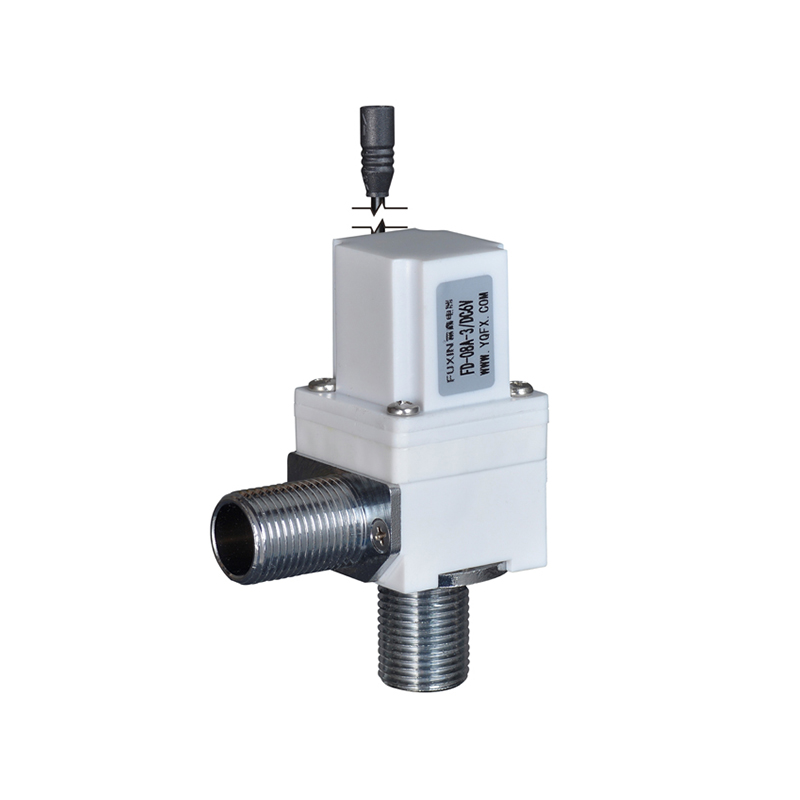
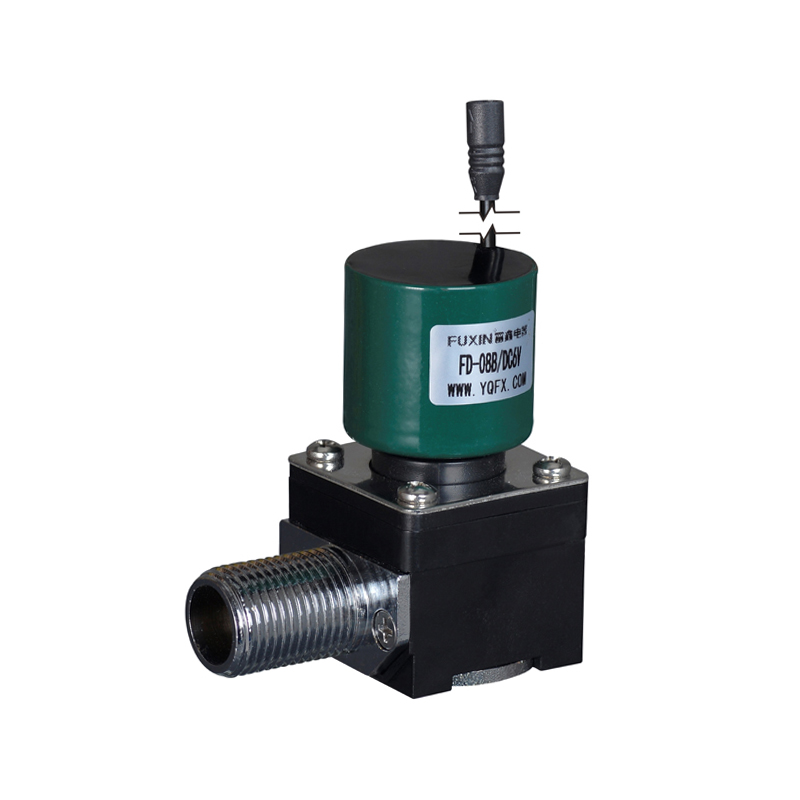
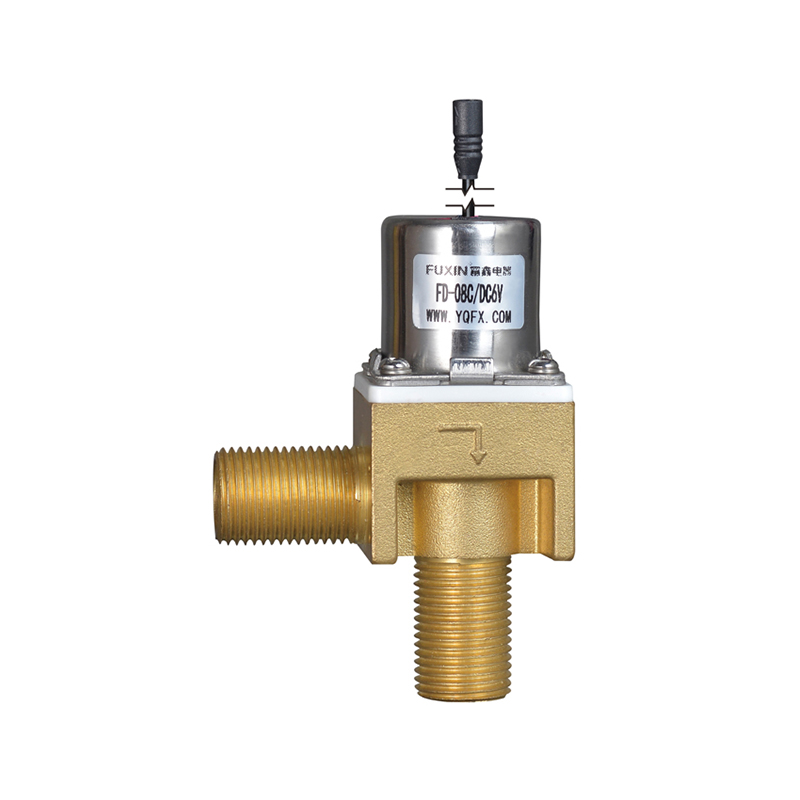
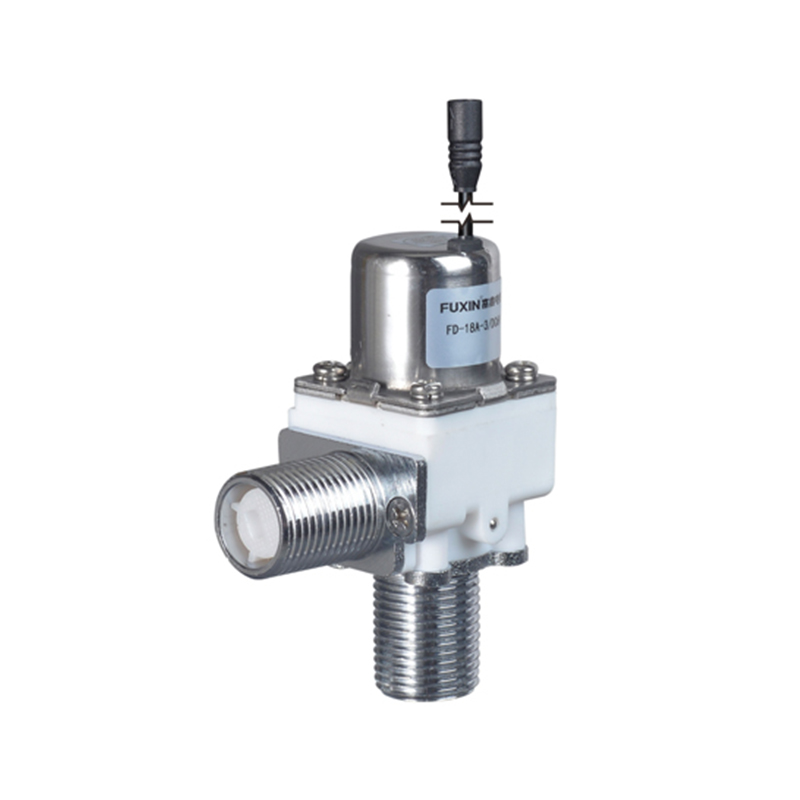
A Solenoid Valve Urinal setup uses an electrically controlled valve to manage flushing water. Adding a valve alone does not make every old urinal ready for automatic use. The sensor, power source, plumbing connections, and control arrangement must work together, and a site review shows what can stay.
What Usually Stays
The ceramic bowl is the more visible part, yet it rarely decides whether a touchless upgrade is possible. A fixture that is structurally sound and drains normally can often be kept.
Water supply and drain connections may also stay, but only after inspection. A new valve can have different connection needs from the old mechanism, so existing pipes should not be kept simply because they are already in the wall. Wall finishes and access panels are reusable when they leave enough room for the new equipment and for later service.
| Existing Component | Likely Decision | What to Check |
|---|---|---|
| Ceramic urinal | Often retained | Cracks, surface condition, drainage |
| Water supply pipe | May be retained | Corrosion, connection, available flow |
| Drain connection | May be retained | Fit, leaks, drainage behavior |
| Manual flush control | Usually replaced | Compatibility with automatic operation |
| Flushing valve | Often replaced | Suitability for the new control |
| Sensor and power supply | Added | Space and power arrangement |
Checking each part separately prevents needless replacement and exposes problems that should be fixed before installation.
When the Bowl or Pipework Needs Attention
A touchless upgrade does not repair a damaged fixture. A cracked ceramic body, a persistent leak, or a loose mounting will still be there after the new control goes in. Fix or replace the fixture first.
Drainage deserves its own look. A urinal that drains slowly or blocks often usually has a drain problem, not a flushing problem. An automatic valve cannot clear a blocked line.
| Condition | Suggested Action |
|---|---|
| Intact fixture, normal drainage | Consider keeping it |
| Minor connection wear | Repair or replace the connection |
| Cracked ceramic body | Assess fixture replacement |
| Persistent drainage trouble | Inspect drain and pipework |
| Unstable mounting | Repair support before installing |
Supply pipes need the same scrutiny. Look for corrosion, seepage, and old repairs. Restricted flow can leave the fixture flushing weakly, and a different connection layout may call for an adapter or a short section of new pipe. A valve placed in a tight or concealed spot must still be reachable for service.
Why the Valve Often Changes
A traditional urinal usually has a manual valve that releases water when someone presses a button or turns a handle. A touchless system needs to open the water path from a signal instead. The old valve may not support that.
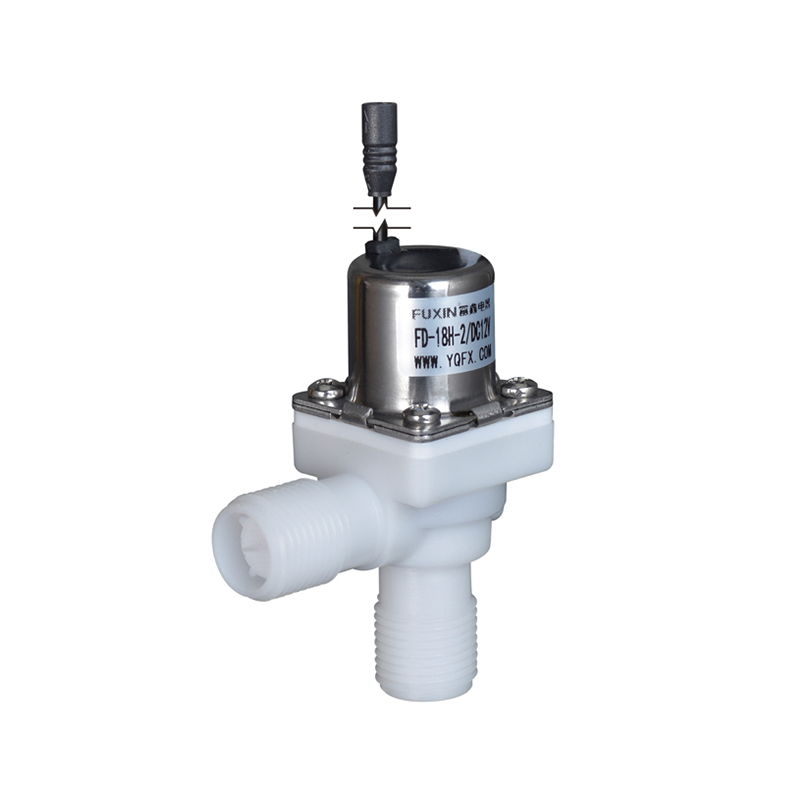
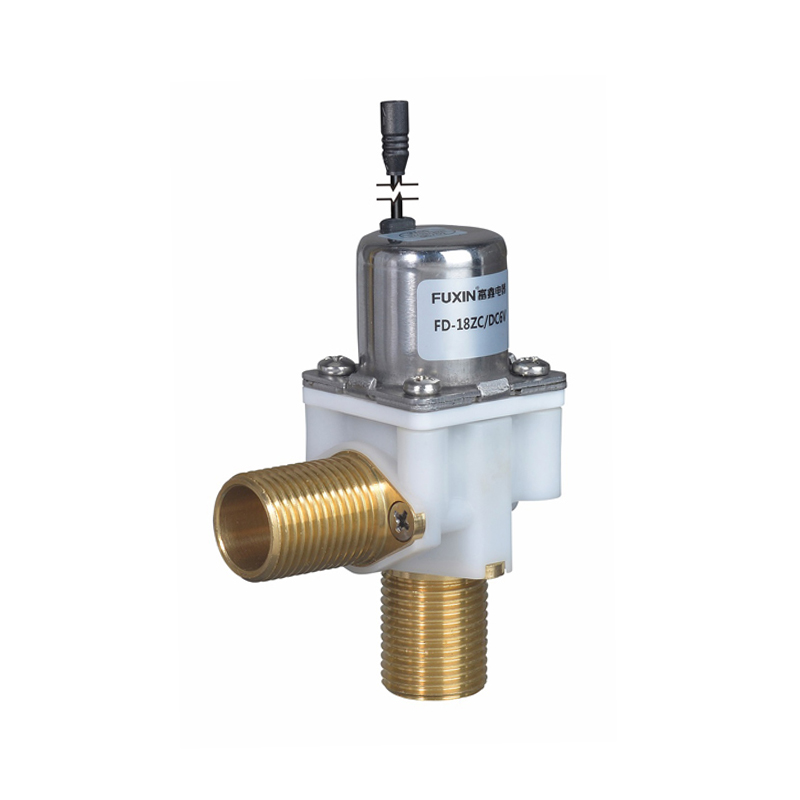
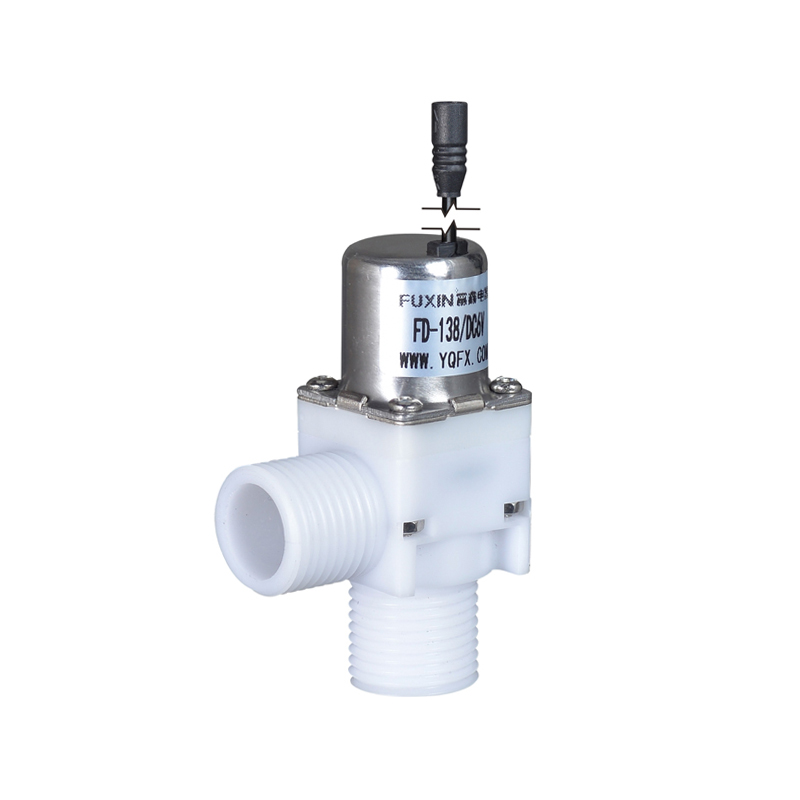
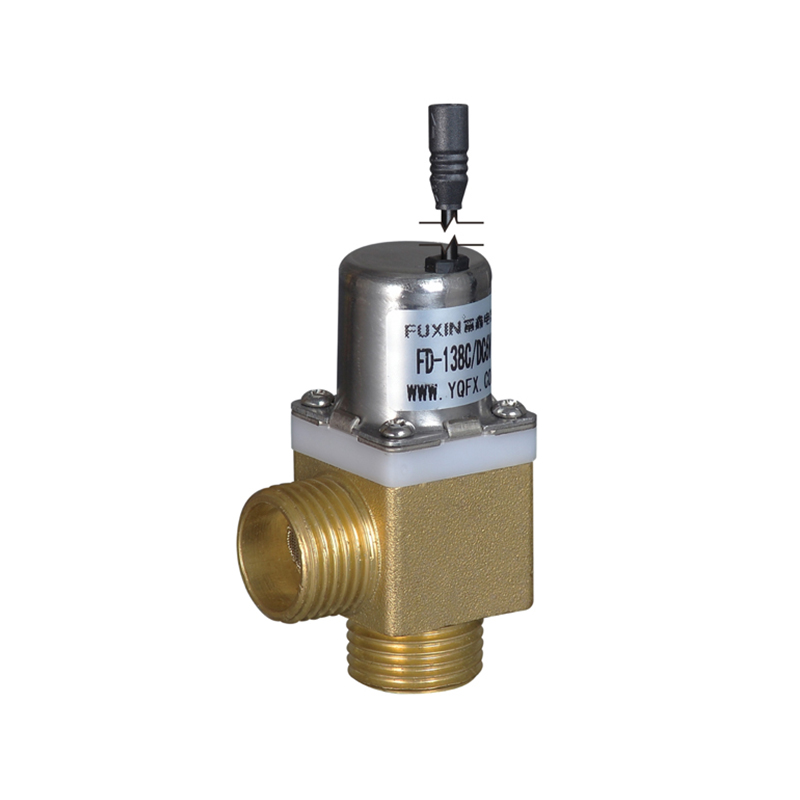
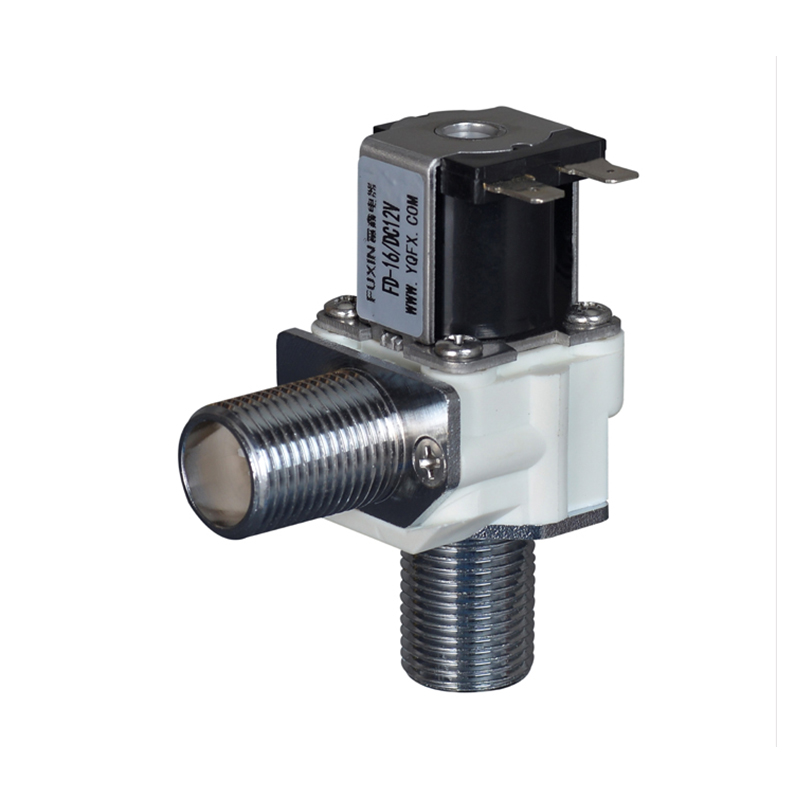
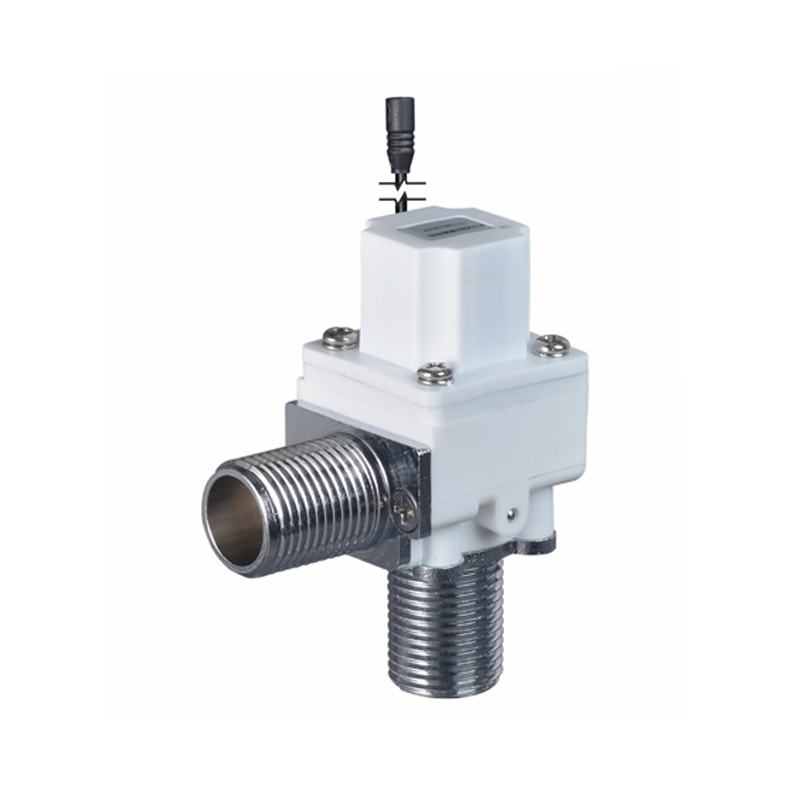
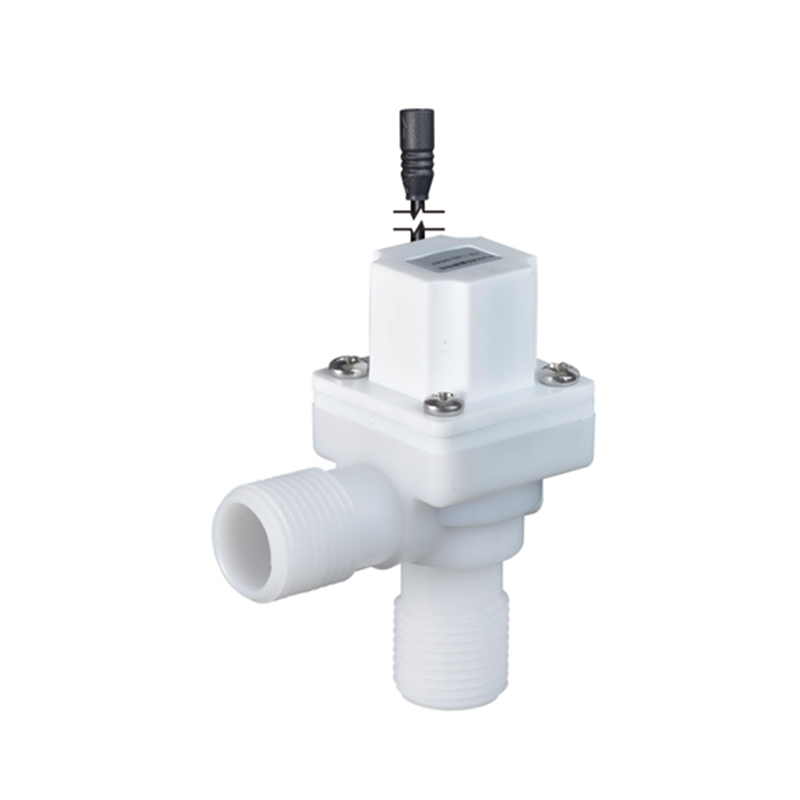
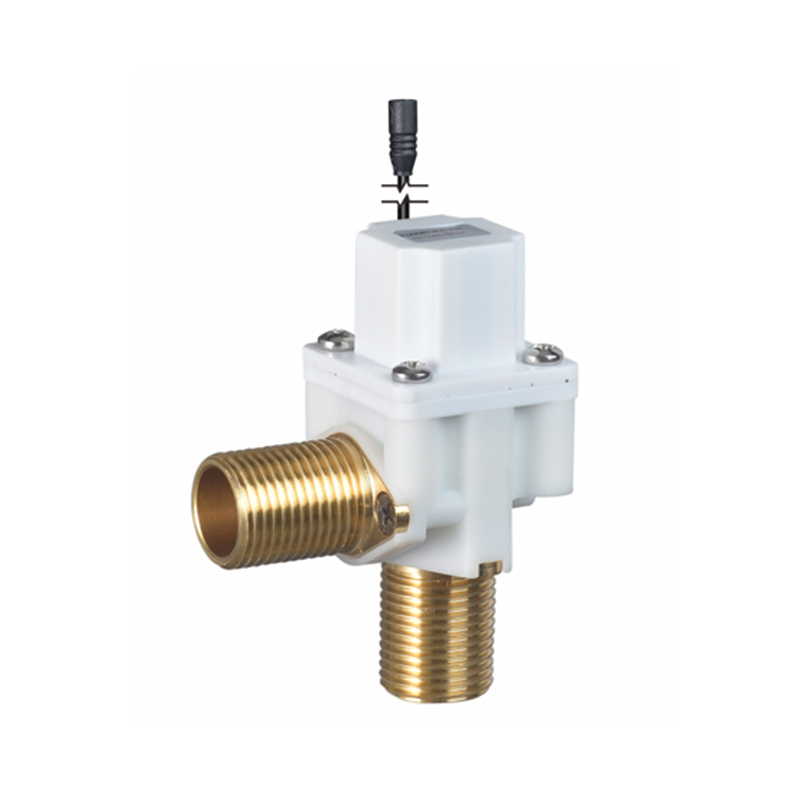
In a Solenoid Valve Urinal arrangement, the sensor detects an event and the control unit energizes the valve, which then passes flushing water. Some upgrades use a replacement valve built for automatic control. Others need a different valve position or extra control parts. Judge the existing valve against the new system's documented requirements instead of assuming it can be reused.
Connection fit matters. A mismatch with the plumbing or supply conditions can cause leaks, weak flushing, or wasted water.
The old handle or push button often becomes redundant. Removing it leaves an opening that needs to be closed and finished so it does not collect dirt or expose the old mechanism. A manual control can stay as a backup only if the chosen system supports it and the arrangement is clear to users.
New Components, Sensor Position, and Power
Most upgrades need a sensor, an automatic valve, a power source, and the connections between them. Some products bundle several functions, while others sell them separately.
| New Component | Role | Installation Point |
|---|---|---|
| Sensor | Detects the intended event | Position and detection area |
| Automatic valve | Controls flushing water | Plumbing fit and access |
| Power source | Supplies electrical energy | Safe, reachable location |
| Control unit, if separate | Processes the signal | Compatibility with sensor and valve |
| Mounting parts | Secure the equipment | Fit with fixture or wall |
| Protective cover | Shields the components | Access for service |
Read the product documents so you do not buy parts already included.
Sensor position decides when flushing happens. A poorly placed sensor may miss users or react to movement outside the target area. Nearby walls and reflective surfaces can affect some designs. Follow the placement the system recommends, then test with normal use and watch for repeated false activation. If behavior is inconsistent, check position, settings, connections, and surroundings before swapping parts.
Power comes from a battery or a fixed connection. A battery avoids new electrical work but needs a replacement plan. A fixed supply cuts battery changes but needs proper installation and safe routing. Do not reuse an existing power point without confirming it suits the product, and have a qualified person handle electrical work where required. Keep the battery compartment or connection reachable, since a hidden one makes every check slower.
Simple Conversion or Bigger Project
A conversion can be simple when the fixture is sound and the new parts fit the existing plumbing and mounting. The work then covers replacing the flush control, mounting the sensor, and making connections.
Other sites take more effort. The valve may not fit the space, the supply connection may be unsuitable, or the wall may offer no good spot for the sensor or power source. Worn pipes or a tired fixture widen the job. Measure the space, note connection positions, and identify service access before ordering. Plan how the restroom stays usable during work so plumbing, electrical, and finishing tasks do not collide.
After installation, test the whole system:
- Sensor response: does it detect the intended event?
- Valve operation: does water start and stop as designed?
- Flushing result: does the bowl clear properly?
- Connections: any leaks or loose fittings?
- Drainage: any slow flow or blockage?
- Power: is operation stable?
- Unwanted activation: any needless flushes?
A valve can open correctly while the fixture still flushes poorly because of supply or drainage. Test the result, not just the electronics, and show the facility team how to check the system.
Maintenance and Purchasing Questions
Automatic systems still need attention. Sensors get dirty or blocked, valves need service, and batteries run down. A routine can include wiping the sensor area, looking for leaks, watching flushing behavior, and inspecting accessible connections. Record any odd activation or change in flushing.
Use the cleaning method the manufacturer describes. Harsh chemicals or too much moisture can damage sensor surfaces, covers, or electrical parts, and parts needing specialist service should stay closed. Maintenance records show whether a recurring fault comes from the component, the installation, the cleaning routine, or the surroundings.
Before buying, describe the current setup to the supplier: urinal type, supply, drainage, existing flush mechanism, available space, and power options. Ask what is included and what must be bought separately, such as mounting parts, adapters, or power connections. Also ask about service access, spare parts, cleaning guidance, and how sensor behavior is adjusted.
When several urinals are involved, check each type on site. Similar-looking fixtures can hide different plumbing or space limits, and that review decides which parts stay and which are replaced.