
 EN
EN English
 Español


Public restrooms need to remain usable, clean, and easy to maintain throughout the day, yet frequent use can make hygiene management more demanding. Water control is an important part of this process because a urinal needs an appropriate flow of water after use while the surrounding area should remain as dry and orderly as possible.
A Solenoid Valve Urinal system can connect electrical control with water release, allowing the flushing process operating without requiring users handling a traditional mechanical control. This arrangement can support a cleaner user experience while also giving facility managers a genuinely clearer way organizing water-related maintenance.
For commercial buildings, transport facilities, schools, offices, shopping areas, and other shared spaces, the value of a solenoid valve comes from how it fits into the complete restroom system, rather than from the valve alone sitting in isolation.
Why Does Hygiene Matter in Public Restrooms?
Public restrooms experience repeated use by people with genuinely different habits, which means fixtures need supporting a consistent cleaning routine throughout the day. A urinal that proves difficult operating or maintaining can create additional work for cleaning staff and may affect how comfortable users feel entering the facility.
Water management also influences the surrounding environment because unnecessary splashing, irregular flow, or poor drainage can make nearby surfaces genuinely harder keeping clean. A well-planned water control system can help reducing some of these concerns by coordinating water release with the use of the fixture.
| Hygiene Consideration | Possible System Role |
|---|---|
| User contact | Supports touch-free operation |
| Water release | Controls flow to the fixture |
| Surface cleanliness | Helps reduce unnecessary handling |
| Maintenance | Provides a defined component for inspection |
| Restroom management | Supports consistent operating routines |
The goal isn't simply adding more equipment, but creating a restroom arrangement that stays practical for users and manageable for facility staff.
How Can a Solenoid Valve Urinal System Reduce Unnecessary Touching?
Touch points are a genuinely important consideration in shared restroom environments because many people may interact with the same fixture during the day. A traditional flush control requires the user making direct contact with a handle or button, while a sensor-controlled system can send a signal without requiring the same physical action.
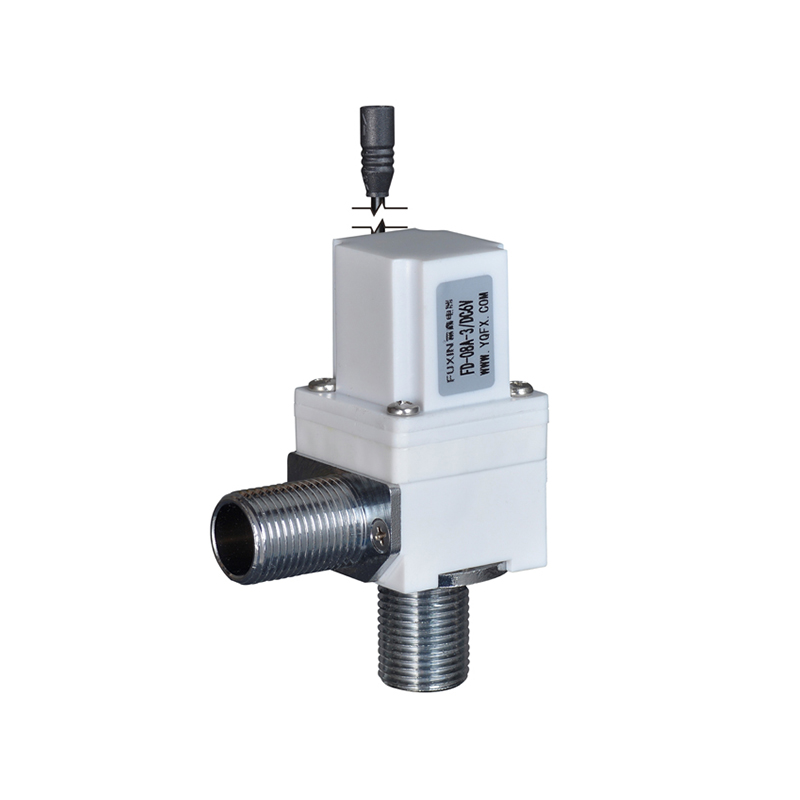
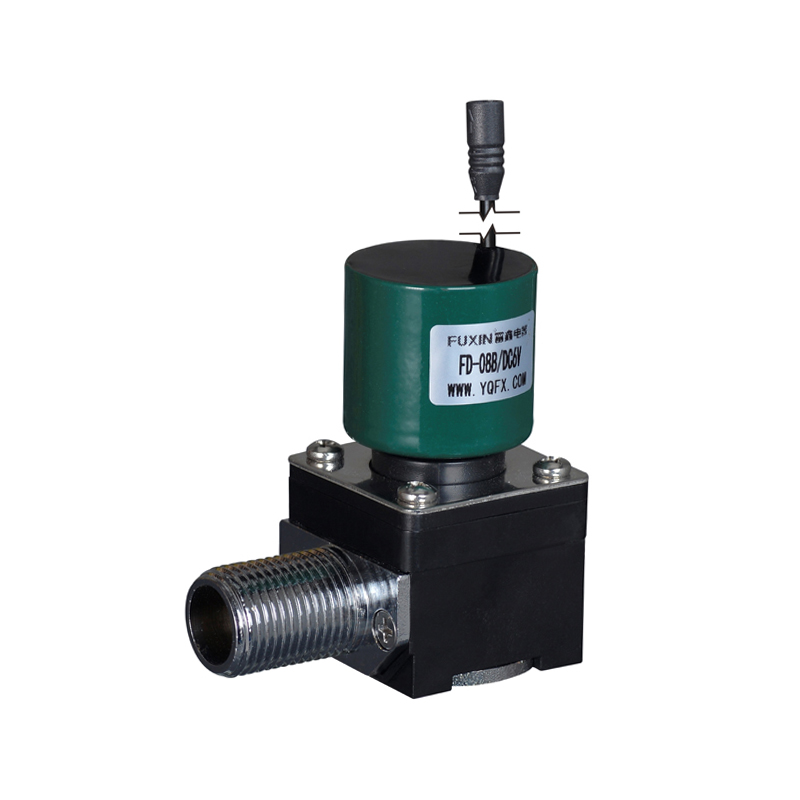
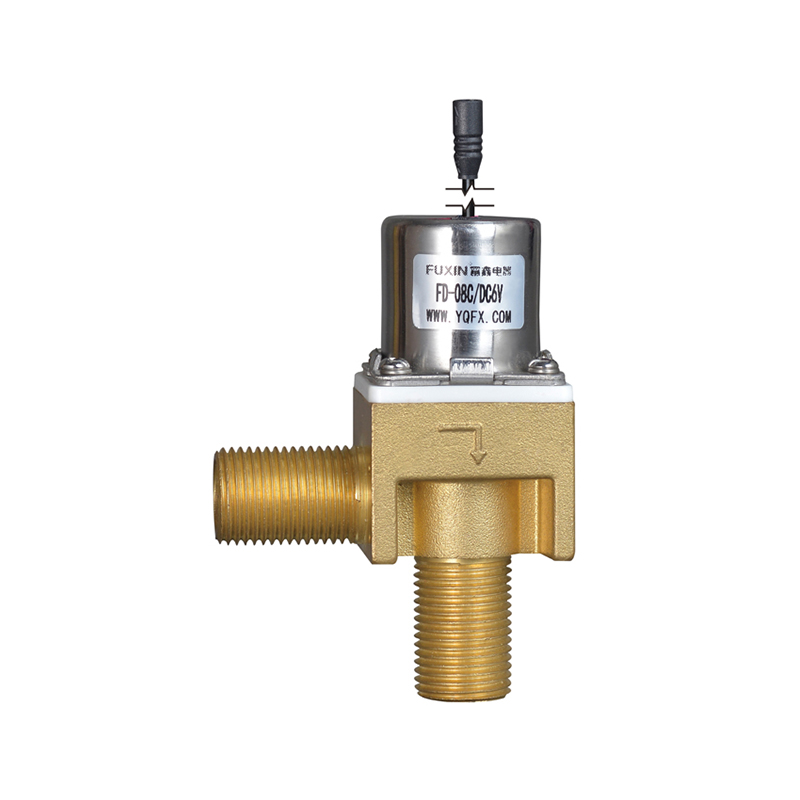
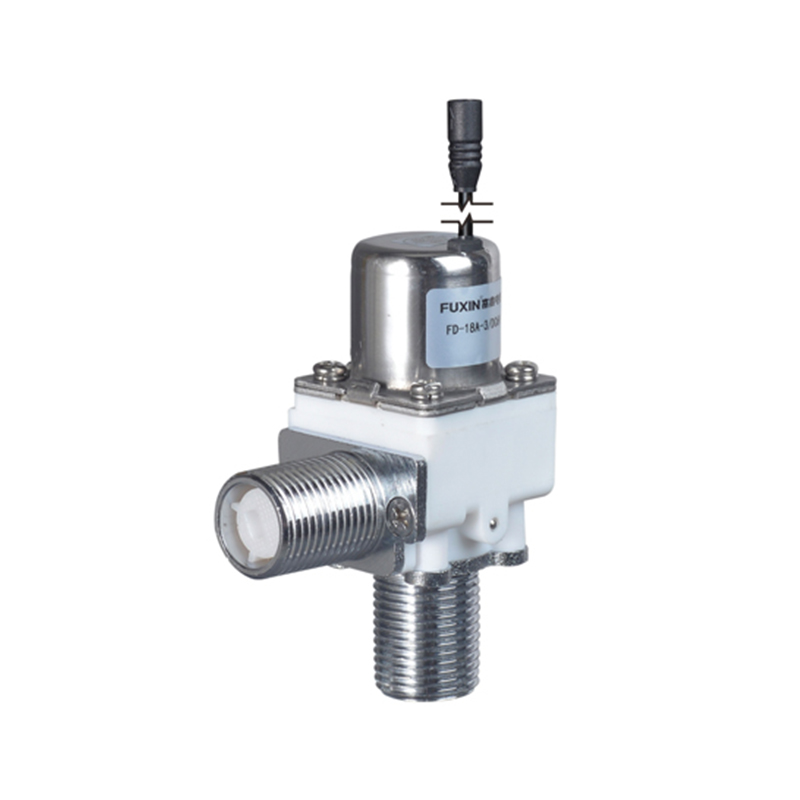
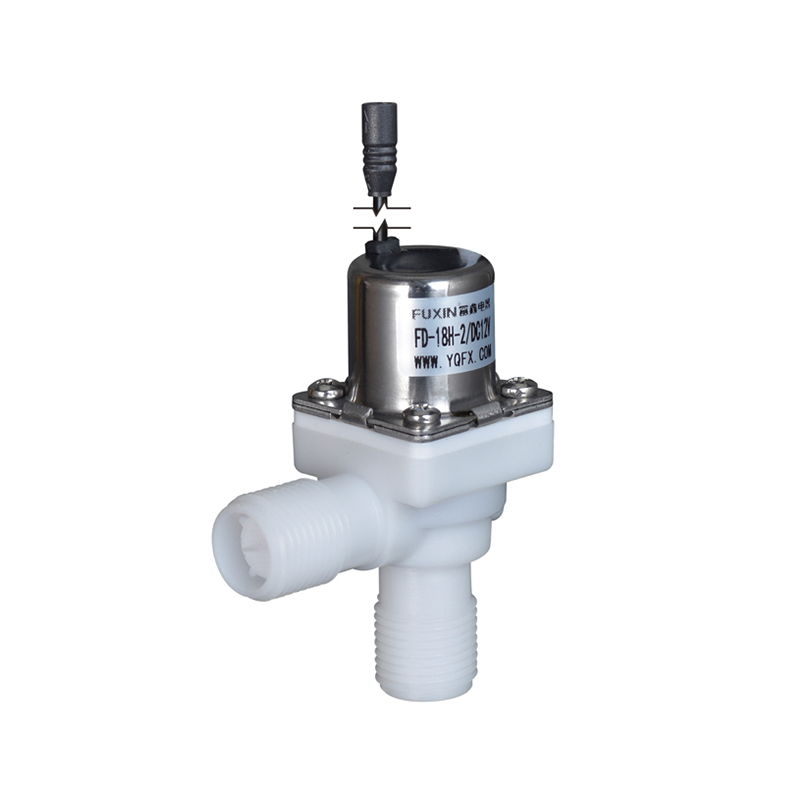
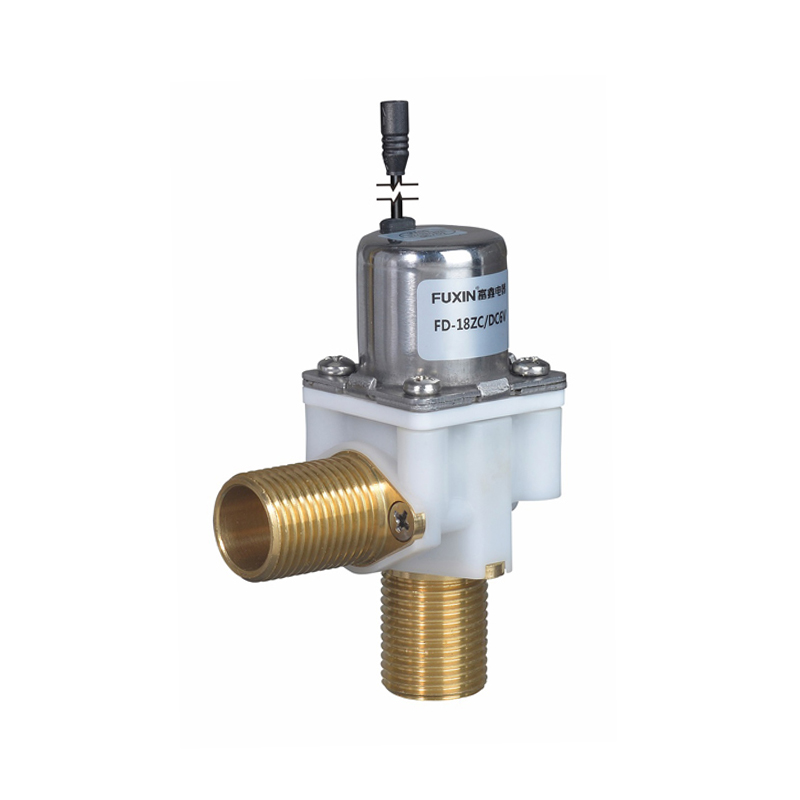
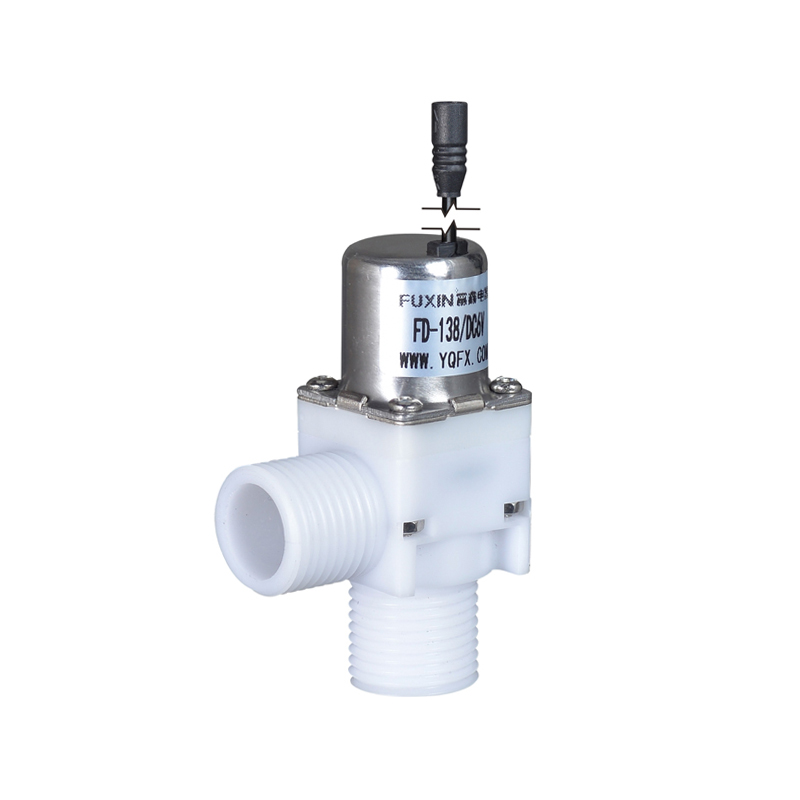
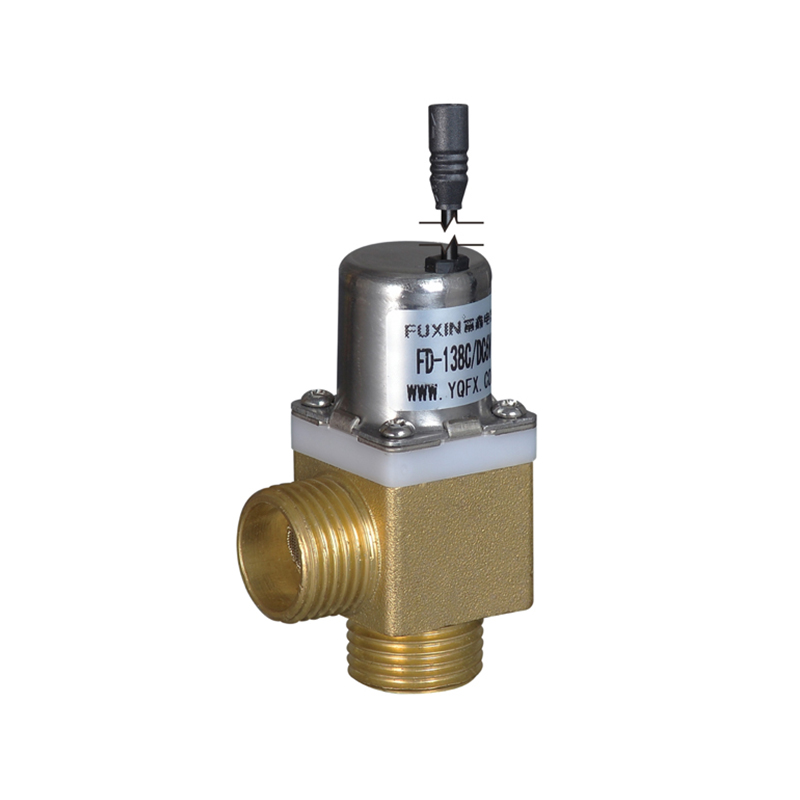
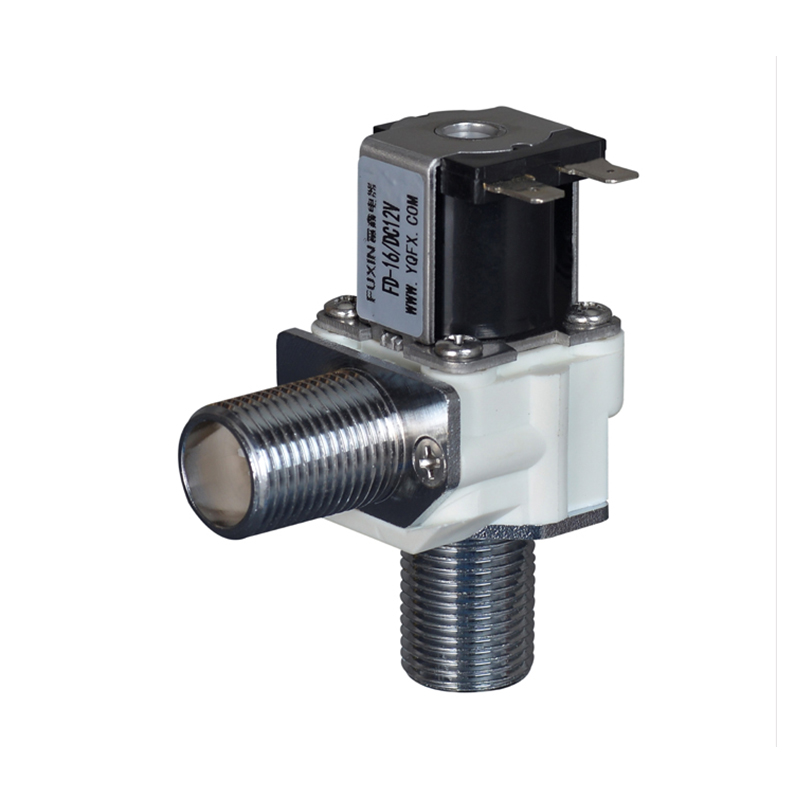
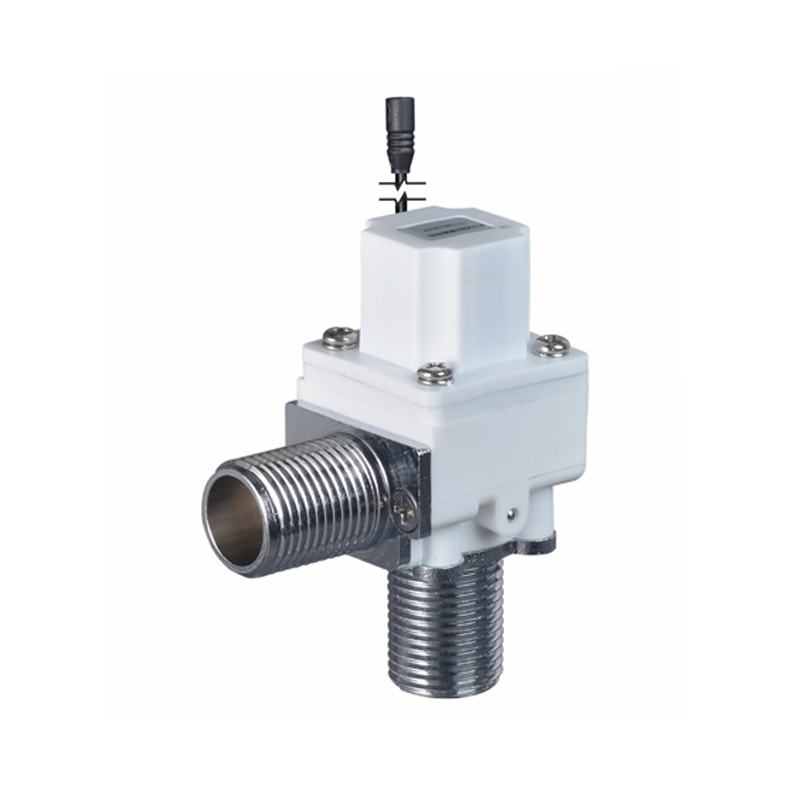
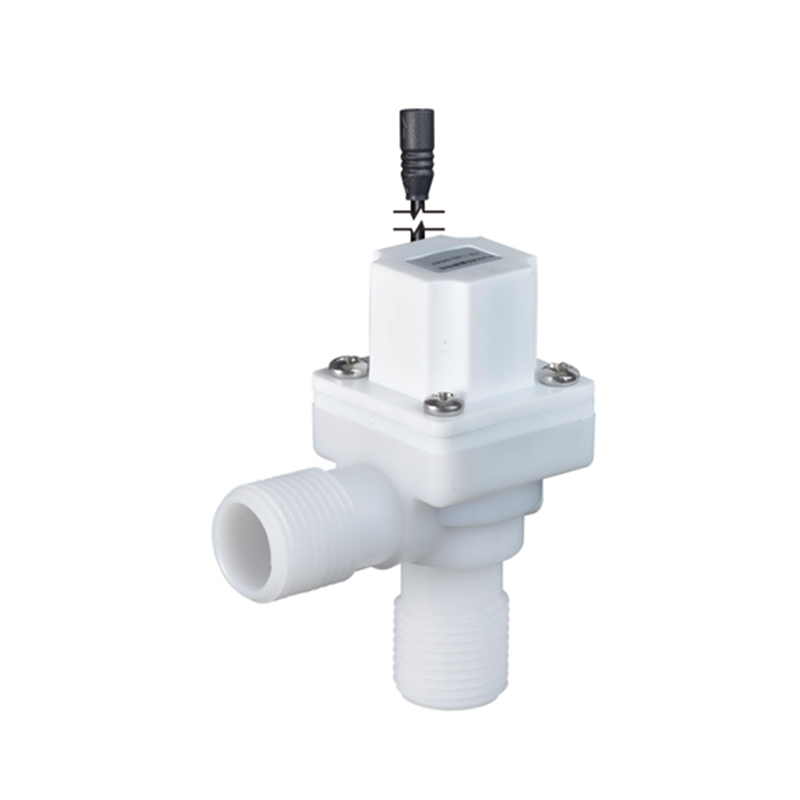
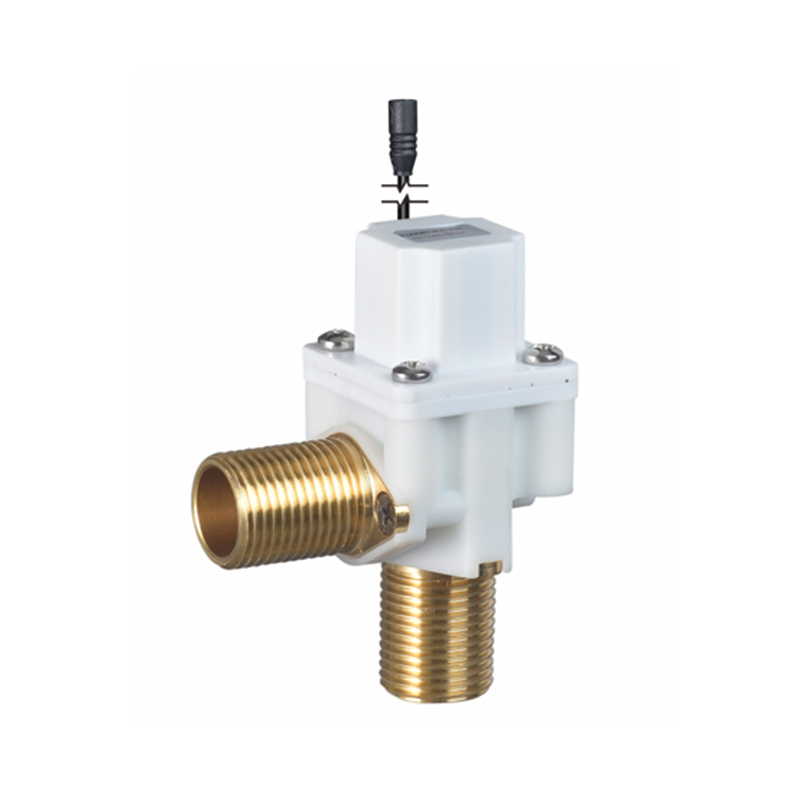
A Solenoid Valve Urinal can form part of this arrangement by controlling the water path after receiving an electrical signal from the associated control system. Reducing direct contact doesn't remove the need for cleaning, but it can change how users interact with the fixture itself.
This can also make the restroom experience genuinely more convenient because users don't need searching for a physical control after using the urinal. For facility managers, fewer touch points can become one part of a broader hygiene strategy that also includes regular cleaning, ventilation, drainage, and surface maintenance.
What Role Does a Urinal Sensor Solenoid Valve Play?
A Urinal Sensor Solenoid Valve combines sensor-based detection with controlled water release within the sanitation system. The sensor identifies the relevant user activity and communicates with the control system, while the solenoid valve responds by controlling the water path.
This creates a connection between user activity and the water supply without requiring the user operating a mechanical flush control. The arrangement can also help facility managers separating the sensing function from the water-control function, which can make inspection genuinely easier when a problem occurs.
| Component | General Role |
|---|---|
| Sensor | Detects relevant user activity |
| Control unit | Processes the sensor signal |
| Solenoid valve | Controls water movement |
| Water supply | Provides flushing water |
| Drainage system | Removes wastewater |
Understanding these roles helps buyers evaluating the complete system, instead of treating the valve as an independent product on its own.
How Can Controlled Water Release Support Restroom Cleanliness?
Water proves necessary for rinsing the urinal after use, but water management needs remaining connected with the actual operating condition of the fixture. A suitable control arrangement can release water when the system determines flushing is needed and return the valve to its normal state afterward.
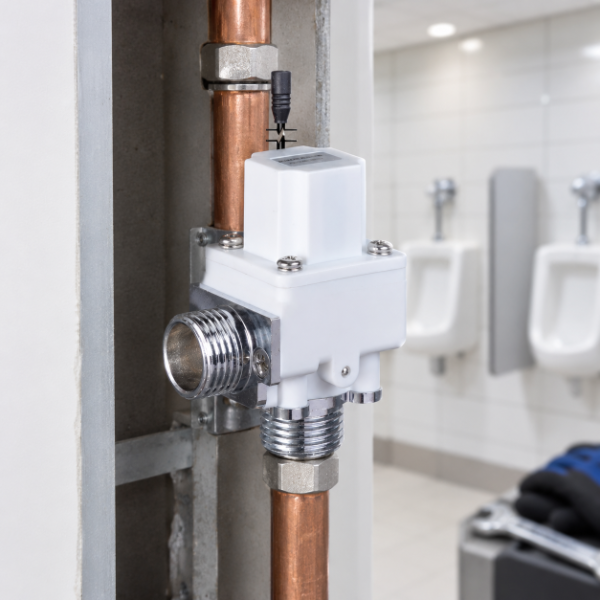
This can help preventing situations where water continues flowing without a clear reason, while also supporting regular rinsing during normal use. The actual behavior depends on the valve design, sensor arrangement, and control system selected for the installation.
Facility planners should therefore consider the entire water path when assessing how a Urinal Flush Solenoid Valve will support restroom operation. Water control should also get coordinated with drainage because effective flushing depends on the wastewater getting removed properly from the fixture area.
Why Is Touch-Free Operation Relevant to Shared Facilities?
A shared restroom can have a steady flow of users, and the same controls may get touched repeatedly throughout the day. Touch-free operation provides another way managing user interaction by moving part of the control process away from direct physical contact.
A Urinal Sensor Solenoid Valve can support this arrangement by connecting sensor activity with water control. The benefit relates to user interaction, rather than being a replacement for cleaning procedures already in place.
Restroom surfaces still need regular cleaning, and staff still need inspecting fixtures, drainage areas, walls, floors, and other shared surfaces around the room. Touch-free equipment can instead become one part of a broader facility management approach practiced daily.
How Can a Urinal Flush Solenoid Valve Support Daily Restroom Operation?
A Urinal Flush Solenoid Valve can help coordinating water release with the operating sequence of a urinal. When the control system sends the appropriate signal, the valve changes its state and allows the flushing process taking place according to the system design.
Once the flushing sequence has been completed, the valve can return to its normal position. This arrangement provides a defined point of control within the water system, which can prove useful during installation and maintenance.
For facility operators, predictable operation can make it genuinely easier identifying whether an issue comes from the sensor, control system, valve, water supply, or drainage arrangement.
Can Solenoid Valves Help Reduce Water-Related Mess?
Restroom hygiene gets affected by genuinely more than direct contact because water that's poorly controlled can create wet surfaces around the fixture. A suitable valve can help managing the timing and release of water within the flushing process, although the overall result also depends on the urinal design and drainage system.
If water gets released in an unsuitable way, the surrounding area may become genuinely harder maintaining. This is why valve selection should get considered together with the complete fixture and installation environment surrounding it.
A Solenoid Valve Urinal arrangement can support controlled water movement, but it can't independently solve problems caused by poor drainage, incorrect installation, or unsuitable fixture design. This broader view helps buyers avoid treating one component as the sole answer to restroom hygiene concerns.
How Does Restroom Layout Affect Valve Selection?
The physical arrangement of a public restroom can influence how sanitation equipment gets installed and maintained day to day. A valve may need positioning where technicians can reach it without disrupting other equipment or creating unnecessary difficulty during inspection.
The location of the sensor also matters because it needs working with the intended user area and fixture position. A well-planned layout can make the relationship between the sensor, valve, water supply, and urinal genuinely easier understanding.
| Layout Area | Planning Consideration |
|---|---|
| Urinal area | User access and fixture position |
| Valve location | Maintenance access |
| Sensor position | Suitable detection area |
| Water connection | Practical installation route |
| Drainage | Clear wastewater path |
| Service area | Space for inspection |
These factors can influence procurement decisions because a valve that fits the operating requirements may still prove inconvenient if the installation environment hasn't been considered beforehand.
Why Does Maintenance Access Matter for Public Restrooms?
Public restroom equipment needs regular inspection because repeated use can affect valves, sensors, connections, and surrounding fixtures over time. A valve should get positioned so maintenance staff can inspect it without creating unnecessary disruption to the restroom.
If access stays difficult, a small issue may take genuinely longer investigating or require additional preparation before service work can begin. A Urinal Flush Solenoid Valve can therefore get evaluated not only for its normal operating role but also for how easily technicians can reach and inspect it.
Maintenance planning can include checking the valve, electrical connections, sensor response, water supply, and surrounding components according to the equipment's care requirements laid out beforehand.
How Can Facility Managers Organize Valve Maintenance?
A simple maintenance routine can help facility teams understanding how restroom equipment performs over time. Staff can record inspection results, reported problems, cleaning observations, and service actions for the relevant fixtures throughout the building.
This information can help identifying whether problems stay isolated to one urinal or appear across several fixtures at once. For example, if several units show genuinely similar behavior, the issue may involve a shared water or control system, rather than one individual valve acting alone.
This makes organized maintenance useful for both daily operation and future procurement decisions down the line. Facility teams can also use maintenance records communicating genuinely more clearly with suppliers when replacement parts or technical support become required.
How Does Water Supply Condition Affect Hygiene?
A solenoid valve controls water movement, but the water supply itself remains a genuinely important part of the system overall. If the supply gets interrupted or the surrounding plumbing has a problem, the valve can't compensate for the absence of usable water.
The same applies when drainage doesn't operate as expected during use. A restroom system therefore needs coordinated attention to water supply, valve operation, fixture condition, and wastewater removal throughout the facility.
This is particularly important in shared facilities where several urinals may depend on related infrastructure running through the building. Buyers should consider these connections when discussing a Solenoid Valve Urinal system with suppliers directly.
What Happens When Power Is Interrupted?
Sensor-controlled sanitation equipment normally depends on electrical control, so a power interruption can change how the valve and sensor respond. When electrical power stays unavailable, the sensor may stop sending normal signals and the valve may remain in the state determined by its design.
The exact response depends on the equipment and control arrangement selected for the installation. Facility managers should understand this behavior before installation so they know what expecting during building maintenance or an unexpected interruption.
After power returns, the sensor, control unit, and valve may need returning to their normal operating states before regular flushing resumes. This is another reason why power-loss behavior should get included in procurement discussions from the start.
How Can Manufacturers Support Easier Restroom Maintenance?
Manufacturers can consider maintenance access, product identification, installation guidance, and operating information when developing solenoid valve systems for public sanitation. Clear information can help facility teams understanding where the valve belongs and how it interacts with the sensor and water supply.
The product should also suit the intended restroom environment and installation arrangement planned for it. A Urinal Sensor Solenoid Valve becomes genuinely easier managing when its role within the complete sanitation system stays clearly understood by installers and maintenance staff.
This can reduce confusion when a facility experiences an unusual flushing response or needs routine inspection on short notice.
What Should Buyers Consider When Sourcing Urinal Solenoid Valves?
Procurement teams should evaluate a valve according to the actual restroom environment, rather than selecting a product based only on its general category listed in a catalog.
A practical review can start with the application, checking whether the valve suits the planned urinal system, followed by the control method and how it interacts with the sensor and control unit. Water management comes next, covering how water gets released and stopped during normal operation, along with maintenance access for technicians inspecting and servicing the component. Installation fit matters too, confirming whether the valve suits the planned restroom layout, alongside power response describing what happens when electrical control gets interrupted. Documentation rounds out the review, checking whether installation and care instructions stay clear enough for facility staff.
These questions allow buyers comparing equipment according to practical operating needs, rather than relying on general product descriptions alone.
How Can Solenoid Valve Systems Fit Broader Hygiene Planning?
Public restroom hygiene involves many connected activities, including cleaning, water management, surface care, ventilation, drainage, inspection, and equipment maintenance working together. A Solenoid Valve Urinal can contribute to this system by providing controlled water movement, while a Urinal Sensor Solenoid Valve can connect user detection with the water-control process.
A Urinal Flush Solenoid Valve can also provide a defined control point that maintenance teams can inspect when flushing behavior changes unexpectedly. These components don't replace regular cleaning or facility management, but they can form part of a restroom layout designed around controlled operation and genuinely easier daily service.
When procurement teams consider valve selection together with sensors, water supply, drainage, installation access, maintenance routines, and power conditions, the resulting sanitation system can become genuinely easier operating and managing in a busy public environment.