
 EN
EN English
 Español


Smart sanitation equipment depends on electrical control coordinating sensing, flushing, and water flow, so a power interruption can change how a toilet or urinal behaves during normal use throughout the day. A solenoid valve sits within this operating process and responds to the electrical signal provided by the control system, which means its state during a power loss deserves genuine attention when planning automated sanitation equipment.
For public facilities, commercial buildings, transportation areas, offices, and other shared spaces, understanding what happens when power disappears can help equipment planners considering flushing behavior, water control, maintenance access, and recovery procedures. The issue isn't simply whether a valve opens or closes when electricity gets interrupted, because the actual response depends on the valve design, control arrangement, and way the sanitation system has been configured on site.
Why Does Power Matter to a Smart Toilet Solenoid Valve?
A smart toilet system uses electrical signals coordinating different actions, and the solenoid valve provides a controlled path for water when the system requests a flushing operation. When electrical power stays available, the control unit can send a signal causing the valve changing its operating state, allowing the sanitation system following its programmed sequence.
When power disappears, the electrical signal also gets interrupted, so the valve can no longer respond to new commands in the same manner. This creates a change from normal operation to a power-loss condition, and the response depends on how the valve has been selected for the sanitation application at hand.
| System Condition | Possible Valve Response |
|---|---|
| Normal power | Responds to control signals |
| Power interruption | Stops receiving new electrical commands |
| Power restored | Returns to controlled operation |
| Maintenance state | May be handled according to system design |
The important point for buyers is that the valve should get evaluated as part of the complete sanitation system, rather than as an isolated component sitting alone.
What Happens When Electrical Power Is Suddenly Lost?
A power interruption can occur for many reasons, including building maintenance, electrical faults, equipment servicing, or temporary supply changes running through the building. When this happens, the control system may stop sending signals to the valve, leaving the valve in the state determined by its design.
Some systems get designed so the valve returns to a particular resting state when electrical control gets removed, while other arrangements may use additional components managing what happens during an interruption. This means a buyer shouldn't assume every smart toilet or urinal valve behaves in exactly the same way during a power loss.
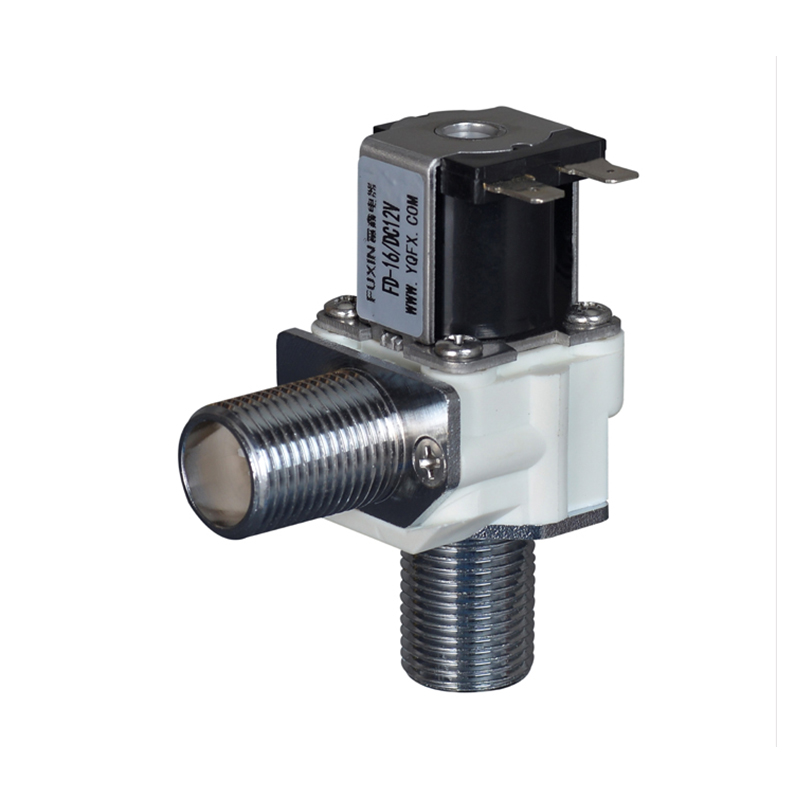
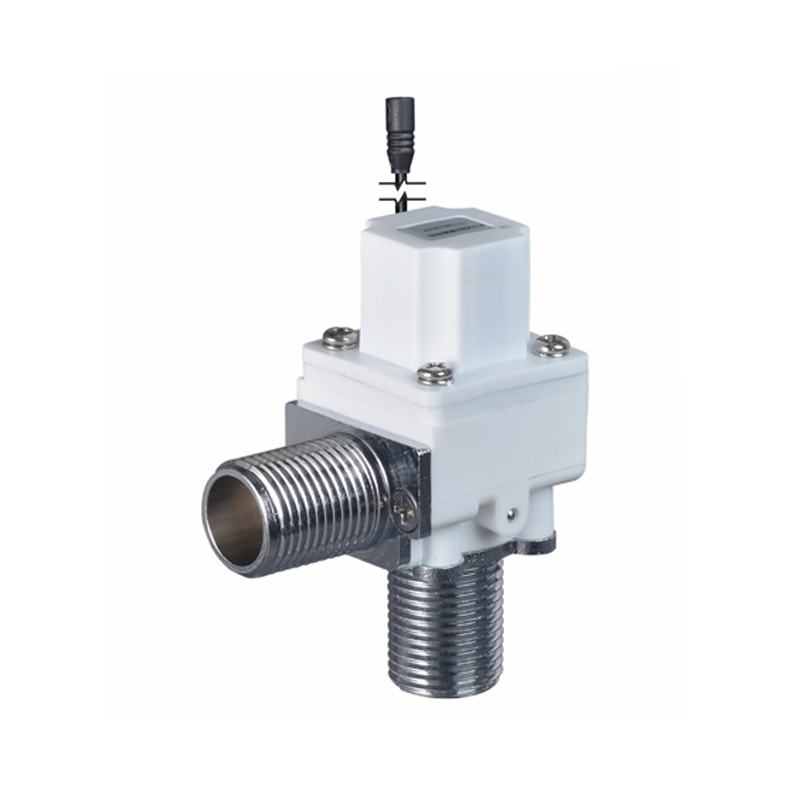
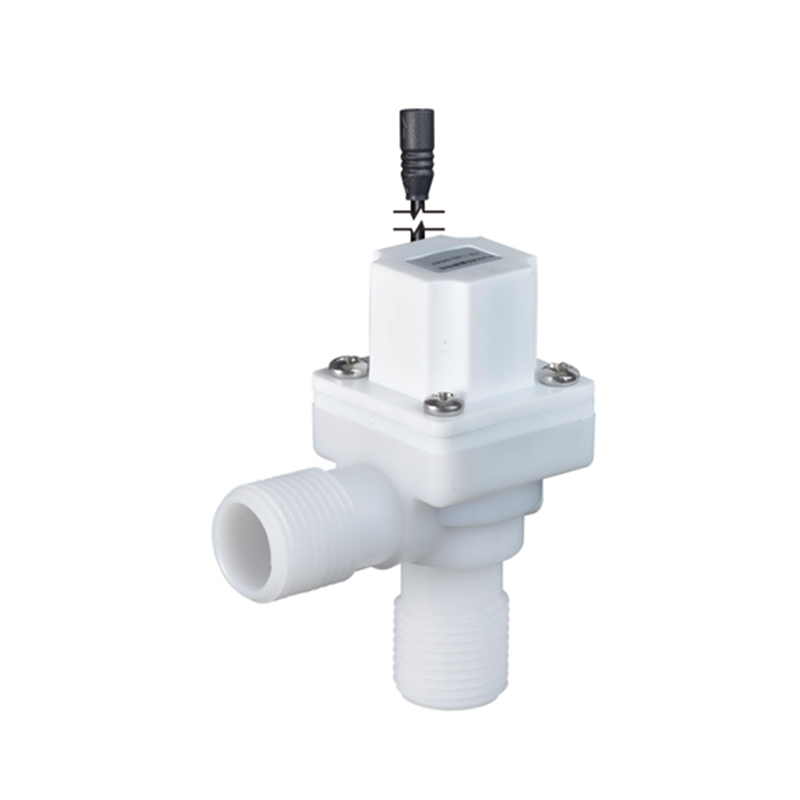
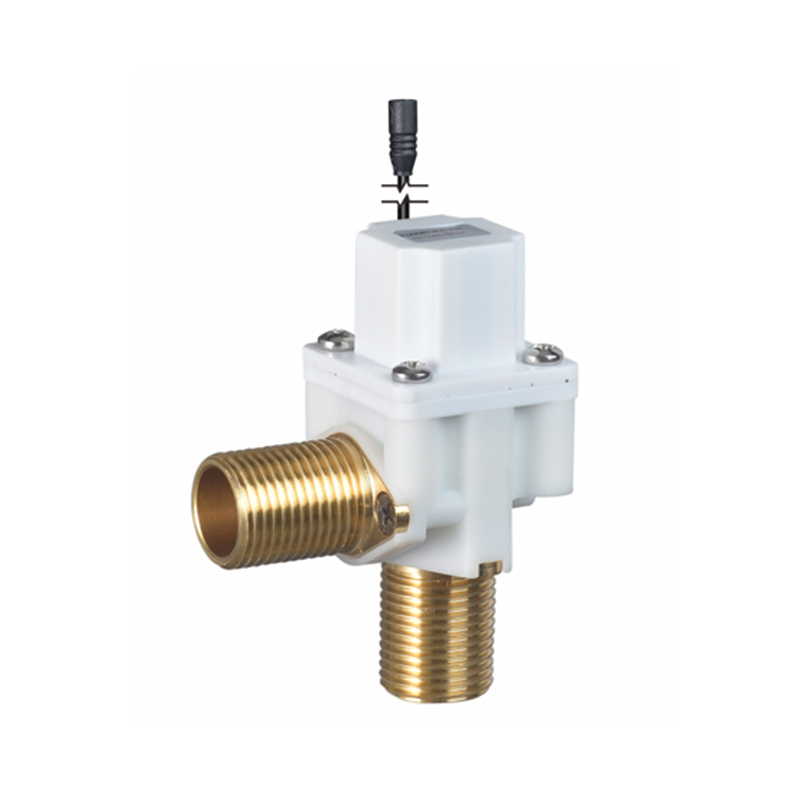
The sanitation equipment should get reviewed according to its intended operating arrangement, water control requirements, and recovery process planned ahead. A Urinal Sensor Solenoid Valve can therefore get considered together with the sensor, controller, power source, and water path when evaluating behavior during an outage.
How Does a Urinal Sensor Solenoid Valve Work During Normal Operation?
A sensor-controlled urinal system normally detects a user's presence or activity and sends an electrical signal when flushing is required. The control system then activates the valve so water can pass through the flushing path according to the system's intended sequence.
After the flushing action has taken place, the valve returns to its controlled state as the electrical signal changes. This arrangement allows the user operating the urinal without directly touching a conventional flushing handle.
The separation between the user and the control mechanism can also make sensor-based sanitation suitable for shared facilities where touch-free operation proves useful. When power gets interrupted, however, the sensor may no longer communicate with the valve in the usual manner.
The valve therefore becomes part of a wider power-loss response that includes the sensor and control system, rather than acting independently on its own.
Does a Solenoid Valve Urinal System Stop Flushing During a Power Loss?
A Solenoid Valve Urinal system may stop responding to new sensor commands when its electrical supply becomes unavailable. Whether water continues flowing, stops immediately, or remains controlled through another arrangement depends on the valve design and the wider system configuration in place.
A system designed around electrical activation generally requires electrical power changing the valve state, while a system with additional control features may behave genuinely differently during an interruption. This distinction matters because a temporary power loss doesn't necessarily produce the same result in every sanitation installation across a building.
Building managers should therefore examine the intended valve state and recovery behavior when selecting equipment for facilities where continuous operation matters. The same consideration applies to public sanitation projects where a genuinely large number of fixtures may connect to a shared electrical system.
Why Does Valve State Matter During Power Loss?
The valve's resting state determines how the water path behaves when electrical control gets removed. A design may get selected according to whether the sanitation application needs the valve remaining closed, moving toward another position, or working with an additional mechanical or electrical control arrangement.
The appropriate choice depends on the overall purpose of the sanitation system, rather than on the valve name alone printed on a spec sheet. For a public urinal installation, uncontrolled water flow could create unnecessary maintenance concerns, while a valve that remains closed may simply prevent a sensor-triggered flush until power returns.
This is why valve state should get discussed during system planning, instead of getting treated as a minor technical detail overlooked. Buyers can ask suppliers how the valve behaves without an electrical signal and how the system is expected recovering after power returns.
How Does a Urinal Flush Solenoid Valve Respond After Power Returns?
When electrical power gets restored, the control system can normally resume communication with the valve. The exact recovery sequence depends on the system design and may involve restarting the controller, checking the sensor, or waiting for the next user-triggered operation.
A Urinal Flush Solenoid Valve should therefore get considered in relation to the complete recovery process, rather than simply assuming normal operation resumes instantly. The system may need re-establishing its normal control state before the next flushing cycle can occur.
This can prove particularly relevant in facilities where power interruptions get followed by periods of genuinely heavy public use. Maintenance teams may benefit from having a genuinely clear procedure checking the control unit, sensor response, water supply, and valve operation after an interruption.
Can a Power Loss Cause Unwanted Water Flow?
The possibility of unwanted water flow depends on the valve's resting behavior and the overall control arrangement in place. A properly selected valve should operate according to the requirements of the sanitation system when electrical control stays present or absent.
If the valve arrangement doesn't match the intended water-control strategy, an interruption could create an operating condition that requires attention promptly. For this reason, buyers should discuss power-loss behavior during procurement, rather than focusing only on normal flushing performance.
Water management is particularly important in public facilities because a single valve issue can affect cleaning requirements, maintenance work, and the availability of a fixture down the line. The valve should therefore get evaluated together with the water supply, control system, and installation environment surrounding it.
How Can Sensor Systems Be Affected by Power Interruption?
A sensor needs electrical power detecting and communicating in the normal way when it forms part of an automatic flushing system. During an interruption, the sensor may stop detecting users or may temporarily lose its connection with the control system.
This means restoring the valve alone may not restore the complete flushing function on its own. The sensor, controller, power source, and valve all need working together once normal electrical service returns.
A Urinal Sensor Solenoid Valve installation should therefore get checked as a complete system when maintenance teams investigate a power-related problem. This approach can help distinguishing between a valve issue and a problem elsewhere in the electrical control chain.
What Should Facility Managers Check During a Power Loss?
Facility managers can establish simple procedures for situations where automatic sanitation equipment becomes unavailable unexpectedly. The procedure may include checking whether the power interruption affects one fixture or several fixtures, confirming the water supply remains available, and identifying whether the valve has returned to its intended resting condition.
Maintenance staff can also observe whether the sensor responds after power gets restored and whether the flushing sequence returns to its normal behavior. These checks can help identifying whether the problem relates to electrical supply, control equipment, sensor operation, or valve performance.
| Inspection Area | What to Observe |
|---|---|
| Electrical supply | Whether the equipment has power |
| Sensor | Whether detection resumes |
| Control unit | Whether commands are processed |
| Solenoid valve | Whether the intended state is maintained |
| Water supply | Whether water remains available |
| Flush action | Whether normal operation returns |
Simple inspection steps can make recovery genuinely easier organizing without requiring unnecessary replacement of components.
How Does Valve Selection Affect Smart Sanitation Planning?
Valve selection should reflect the operating environment, rather than getting based only on the basic function of opening and closing a water path. A public restroom may have genuinely different requirements from a private bathroom, while a transportation facility may have different maintenance conditions from an office building down the street.
The frequency of use, accessibility of maintenance areas, water control strategy, sensor arrangement, and electrical environment can all affect the selection process. Power-loss behavior should also be included in the review because electrical interruptions can occur during normal building operation and need to be considered as part of system planning.
Buyers can also ask how the valve behaves during startup, shutdown, maintenance, and recovery stages. These questions provide a genuinely more complete view of how the component fits into the sanitation system as a whole.
Why Is Power-Loss Behavior Important for Public Facilities?
Public facilities need sanitation equipment that different teams can understand and maintain over its service life. A power interruption may occur while the facility stays occupied, during building maintenance, or while another electrical system gets serviced elsewhere.
If the valve response stays clearly understood, staff can react according to an established procedure, rather than treating every interruption as an unexpected equipment failure. This can also make maintenance communication genuinely easier because technicians know what behavior should occur when electrical control gets removed.
For a Solenoid Valve Urinal, the relationship between the valve, sensor, and water supply should get documented as part of the installation information kept on file. Clear documentation can help maintenance teams identifying the correct component and understanding how the sanitation fixture should behave during an interruption.
How Can Manufacturers Design Valves for Practical Sanitation Use?
Manufacturers need considering genuinely more than normal electrical activation when developing valves for smart sanitation equipment. The valve may need operating within a complete system that includes sensors, controllers, water lines, power supplies, and user interfaces working together.
Power-loss behavior can therefore become part of product development because it influences how the valve interacts with the rest of the installation. Manufacturers can consider the valve's resting state, restart behavior, connection method, installation position, maintenance access, and compatibility with the intended sanitation equipment.
The product documentation can also explain expected behavior during power interruption and recovery stages. Clear information helps buyers understanding how the valve fits into a complete sanitation system before installation actually begins.
What Role Does Maintenance Play After a Power Interruption?
Maintenance becomes important when a power loss gets followed by unusual flushing behavior, because the problem may involve genuinely more than the electrical supply itself. Technicians can inspect the valve, sensor, controller, wiring connections, and water path according to the equipment's maintenance instructions on file.
A valve that doesn't return to its expected state may need inspection before the fixture gets returned to regular service. The same applies when a sensor appears detecting activity but the flushing action doesn't occur as expected.
Separating the electrical control side from the water-control side can help maintenance teams understanding where further inspection is needed. Regular checks can also help staff becoming familiar with the normal operating condition of the sanitation equipment over time.
How Should Buyers Evaluate Smart Toilet Valve Suppliers?
Procurement teams can ask suppliers questions that focus on real operating conditions, rather than only on product descriptions printed in a catalog. Useful questions include how the valve behaves when electrical power gets removed, what happens after power returns, how the valve should get installed, and what inspection steps get recommended after an interruption.
Buyers can also ask whether the valve is intended for sensor-controlled urinals, automatic toilet systems, or another sanitation application entirely. The supplier should be able explaining how the component fits into the complete water-control arrangement without relying only on general product claims made in a pitch.
For projects involving multiple fixtures, consistency in product documentation and installation guidance can also make future maintenance genuinely easier for the crew.
How Can Power-Loss Planning Support Smart Sanitation Projects?
Power-loss planning can get incorporated into the early stages of a sanitation project, rather than getting considered only after equipment has already been installed. Design teams can identify which fixtures depend on electrical control and determine how each system should behave when power stays unavailable.
The valve, sensor, controller, water supply, and recovery process can then get considered as connected parts of the same operating plan. This approach can help project teams preparing suitable maintenance procedures and communicating expected behavior to facility operators on site.
For a Urinal Flush Solenoid Valve, the planning process can include normal flushing, electrical interruption, power restoration, inspection, and return to service. Such planning gives buyers and maintenance teams a genuinely clearer understanding of how smart sanitation equipment is expected behaving across different operating conditions encountered over its working life.