
 EN
EN English
 Español


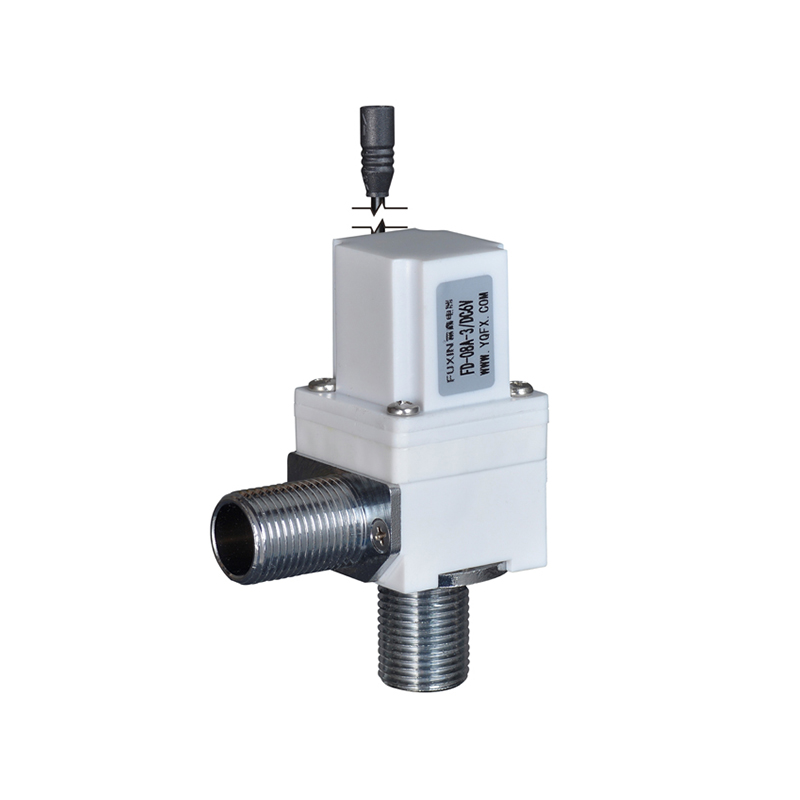
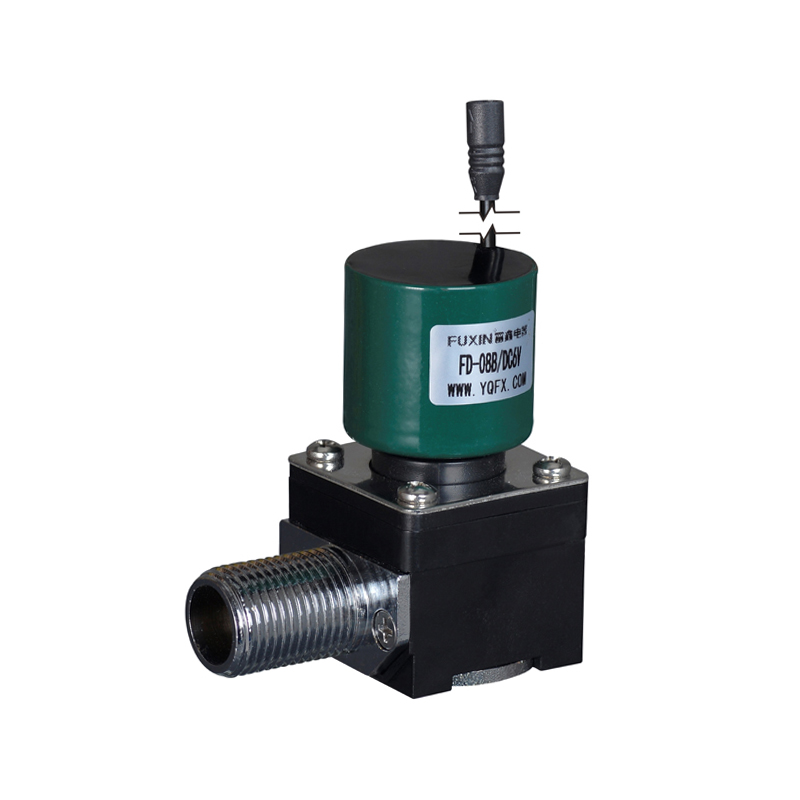
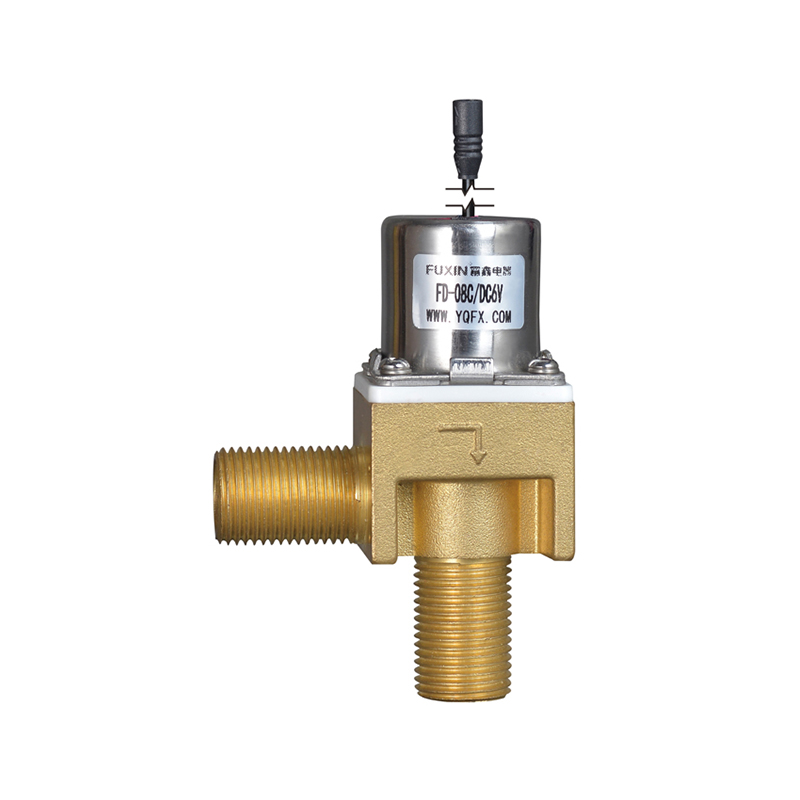
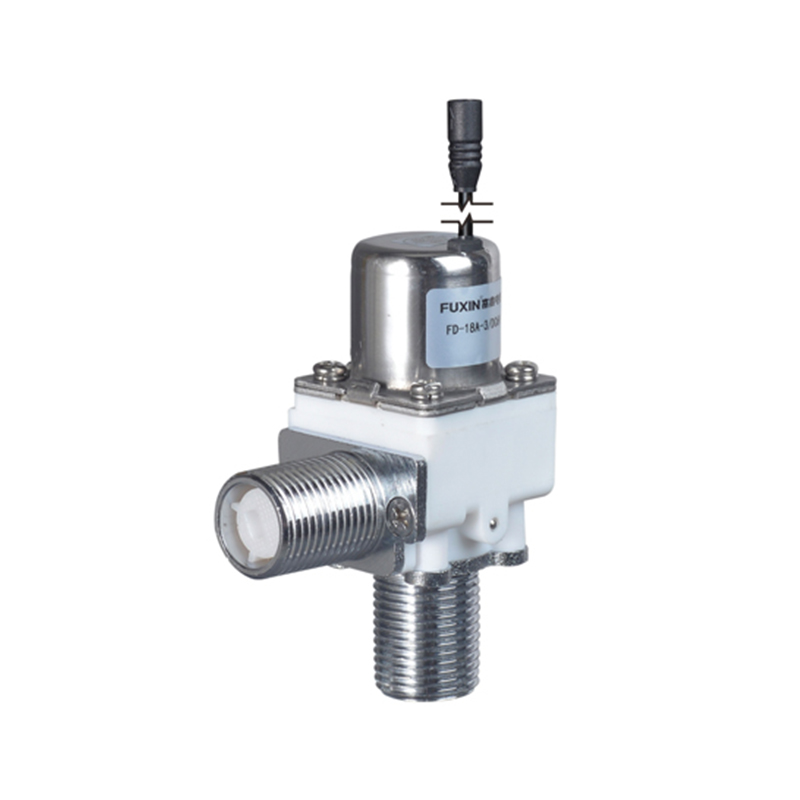
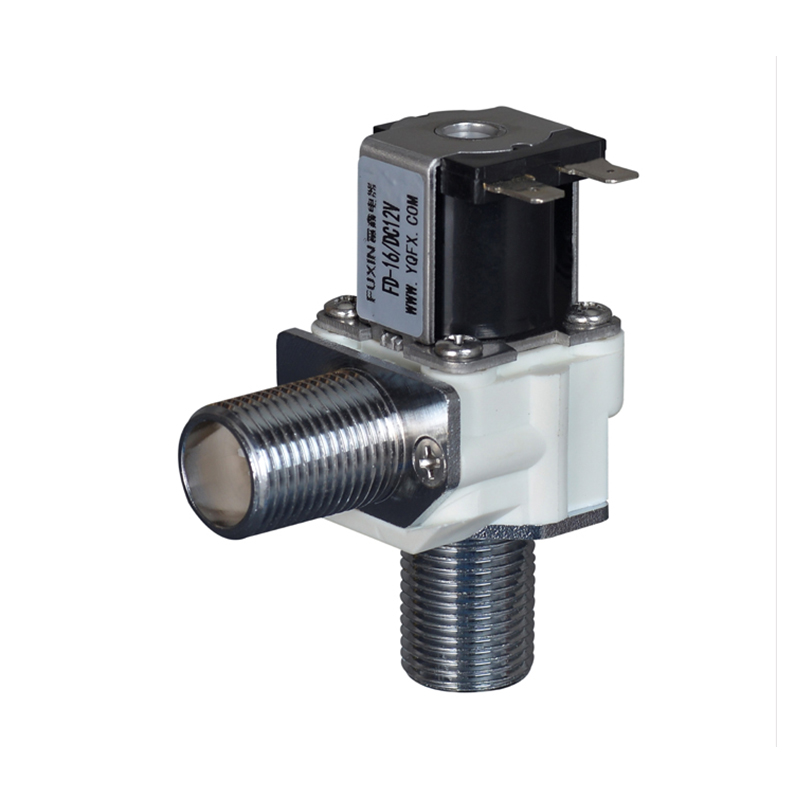
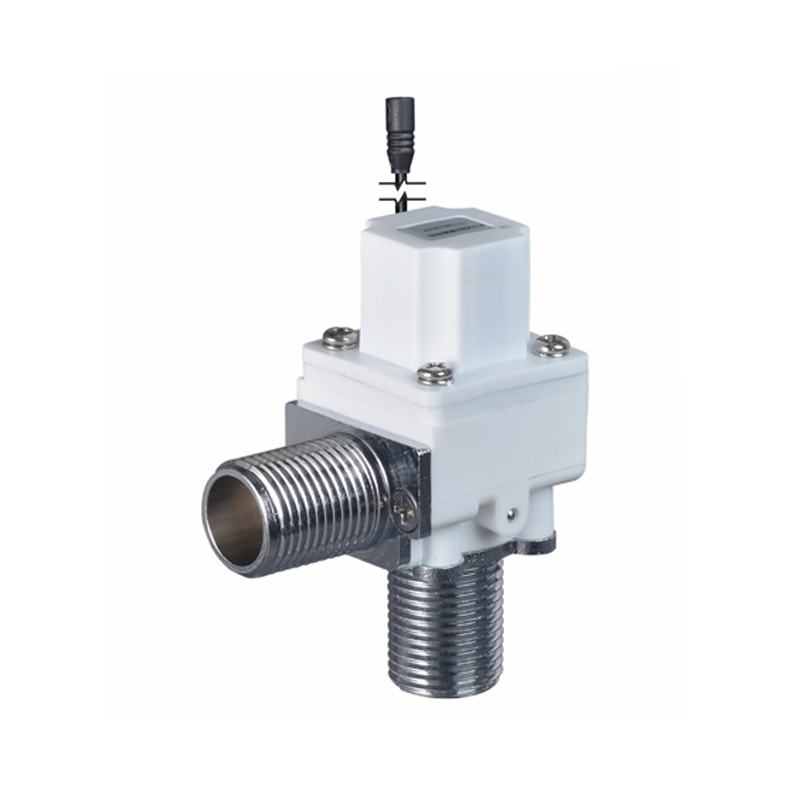
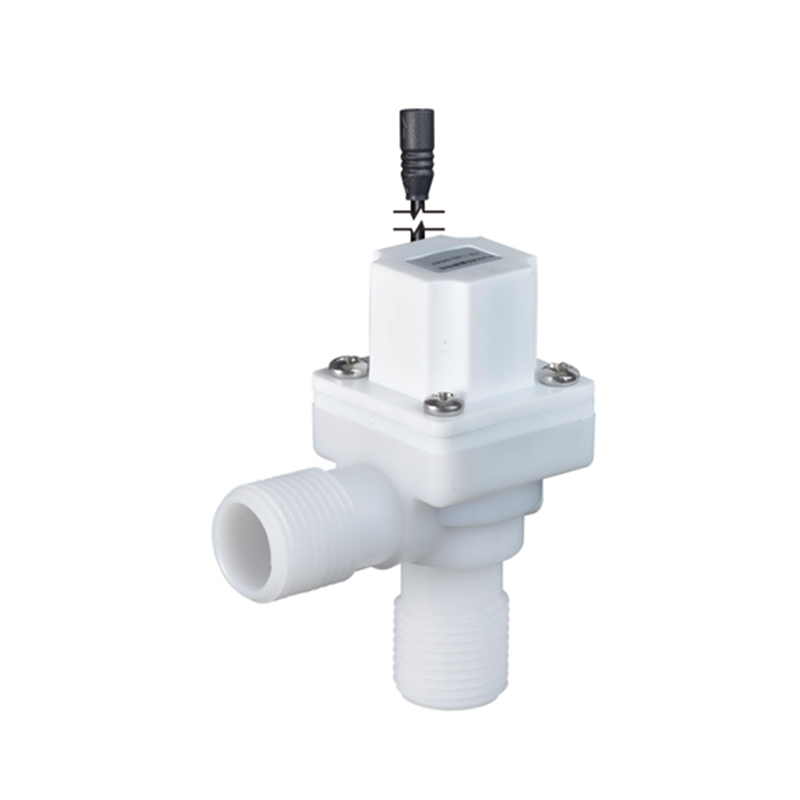
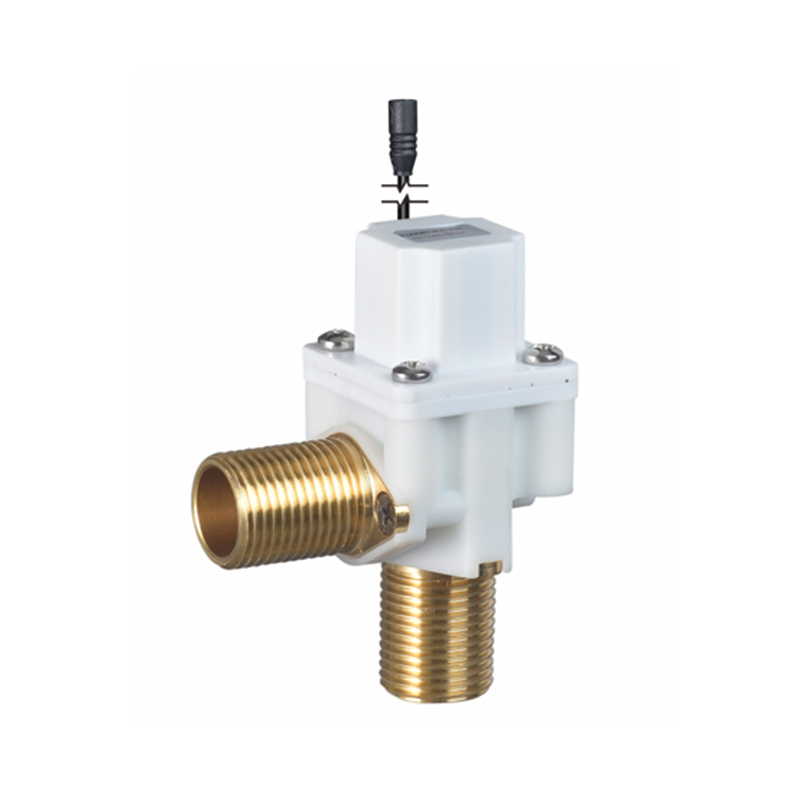
A faucet solenoid valve can open or close water flow without requiring a person to turn a handle by hand. This makes automatic water control genuinely useful in sensor faucets, urinal systems, washroom equipment, and other water supply applications. However, when water flow changes too quickly, the pipeline may produce a sharp noise or vibration known as water hammer.
Water hammer happens when moving water gets forced to change speed or direction quickly. The pressure change travels through the pipe and can create sounds, movement, or stress around the valve and connected components. The issue isn't simply about the valve itself sitting in the wall. Pipe layout, water flow, valve opening and closing behavior, and the condition of the surrounding system can all influence the result.
For a Faucet Solenoid Valve, understanding these factors can help manufacturers and installers create a genuinely more stable water control system. It can also help buyers understand why a valve that works correctly in one installation may behave genuinely differently in another building down the street.
What Is Water Hammer In A Faucet Solenoid Valve System?
Water hammer is a pressure change that occurs when flowing water gets stopped or redirected suddenly mid-stream. The moving water carries momentum, so a rapid change in flow can send a pressure wave through the connected pipeline.
The effect may appear as a knocking sound, vibration, or a short movement of the pipe against a wall stud. In some installations, the noise is genuinely easy to notice from another room. In others, the pressure change may happen without much sound but still place stress on the valve, fittings, or pipe connections quietly over time.
A faucet solenoid valve can influence this situation because its opening and closing action controls the movement of water directly.
| System Condition | Possible Effect |
|---|---|
| Rapid valve closing | Sudden change in water movement |
| Rapid valve opening | Quick change in flow |
| Long pipe route | Pressure movement can travel through more of the system |
| Loose pipe support | Vibration may become more noticeable |
| Poorly matched components | Flow changes may be harder to manage |
Water hammer should therefore get viewed as a system condition, rather than a single component failure sitting isolated in one spot.
Why Can Solenoid Valve Closing Cause Water Hammer?
Closing the valve stops or reduces the water path suddenly. If the change happens genuinely quickly, water that was already moving through the pipe has genuinely less time to slow down naturally on its own.
This sudden change can create a pressure wave that travels outward through the line. The wave then moves through the water and pipe system, which may cause the familiar knocking or tapping sound heard behind the wall.
The effect can become genuinely more noticeable when a solenoid valve gets used in a system where water is already moving quickly, or where the pipe route provides genuinely little room for the flow to change gradually.
The closing action itself is therefore worth considering when selecting or designing a valve system for a specific building. A useful way to think about the relationship runs like this: water moves, the valve closes, flow changes quickly, pressure changes, and pipe movement or noise follows.
The actual result depends on the complete installation surrounding it. A valve may close quickly without causing a genuinely noticeable problem in one system, while creating a louder response in another building with a different pipe layout.
How Does Valve Opening Affect Water Pressure?
Water hammer often gets associated with closing, but opening behavior can also influence the system considerably. When a valve opens, water begins moving through the pipeline from a standstill.
A rapid change from little or no flow to active flow can create a genuinely noticeable change in pressure and movement felt through the wall. The effect may depend on the existing water conditions and the way the rest of the pipeline is arranged around it.
For automatic faucets, the control system may open the valve whenever a sensor detects a user's hands nearby the basin. The response needs to provide water when required, but the opening action also becomes part of the overall flow behavior worth watching.
| Valve Action | What Changes in the System |
|---|---|
| Opening | Water begins moving |
| Partial opening | Flow increases gradually |
| Full opening | Water passes through the established flow path |
| Closing | Water movement reduces or stops |
This makes opening and closing behavior genuinely relevant when evaluating a Faucet Solenoid Valve for automatic water control in a commercial washroom.
How Does Pipeline Length Influence Water Hammer?
The pipeline itself can change how pressure movement behaves once it starts traveling. A short pipe route may respond genuinely differently from a longer route with several bends, connections, and branches along the way.
As water moves through the system, every change in the path can influence how pressure changes travel onward. Longer pipe routes can also connect the valve with fixtures located farther away in the same building.
When the valve closes, the resulting pressure movement may travel through a genuinely larger part of the system than expected. The exact response depends on the overall design, but several pipeline features deserve attention during planning.
Pipe length matters here, alongside pipe direction and pipe connections joining sections together. Changes in pipe size deserve review too, along with branch lines splitting off and pipe support holding everything in place.
The valve should therefore get considered together with the pipeline, instead of getting selected as an isolated product picked from a catalog. This approach proves particularly useful in commercial washrooms, where one water supply system may serve several automatic fixtures at once.
Can Loose Pipes Make Water Hammer Noise Louder?
A pressure change doesn't always create the same amount of noise every time it occurs. Pipe movement can make the sound genuinely more noticeable to someone standing nearby.
If a pipe isn't properly supported, a sudden change in water movement may cause it to move against nearby structures or supports in the wall cavity. The resulting sound can make a relatively short pressure event seem genuinely more serious than it actually is.
This doesn't mean every noisy pipe has a valve problem hiding behind it. The noise may simply come from the way the pipeline got installed years earlier.
| Installation Condition | Possible Noise Response |
|---|---|
| Stable pipe support | May reduce noticeable movement |
| Loose connection | May allow vibration |
| Long unsupported section | May increase movement |
| Tight contact with nearby surfaces | May create additional sound |
| Poorly arranged pipe route | Can make inspection more difficult |
Checking the pipeline can therefore prove genuinely useful when a faucet solenoid valve system produces unexpected noise late at night.
Why Does Water Hammer Matter For Pipeline Protection?
Repeated pressure changes can place stress on components connected to the water line over months and years. The valve, fittings, pipe joints, and other parts may all experience the effect gradually.
A single short pressure event may not cause an obvious problem when it occurs. Repeated changes can make system condition more important over time as stress builds up around the joints.
Pipeline protection is therefore genuinely connected with flow control from the start. Manufacturers and installers can consider how quickly water gets started and stopped, how pipes get supported, and how the valve fits into the complete water route.
A practical protection approach may include selecting a valve that suits the intended water system, alongside considering how quickly the valve changes flow. Reviewing the pipe route before installation matters too, along with supporting pipes securely and checking connections during routine maintenance visits. Investigating repeated noise instead of ignoring it rounds out the approach worth following.
These actions don't make every system genuinely silent. They can, however, help reduce conditions that make pressure changes genuinely difficult to manage down the line.
How Does A Faucet Solenoid Valve Work With A Sensor?
Automatic water fixtures often use a sensor to determine when water should flow toward the basin. When the sensor detects the intended action, the control system activates the solenoid valve directly.
The valve then opens to allow water to pass through toward the fixture. When the required action ends, the control system closes the valve again on its own.
This sequence proves genuinely convenient for users, but it also creates repeated opening and closing cycles throughout a busy day. A system used genuinely frequently may therefore place more attention on how the valve responds during these changes.
An automatic faucet, for example, may operate many times throughout a busy period in a public restroom. A washroom system using a Solenoid Valve Urinal can also experience repeated flushing cycles across a shift.
The valve and sensor should work together as part of one connected system. If the control signal and valve response are poorly matched, the change in water flow may feel genuinely abrupt to anyone standing nearby.
Why Can Urinal Flush Systems Experience Similar Pressure Changes?
Automatic urinal systems often use sensors to control flushing without a manual handle involved. When the sensor activates the system, the valve opens and water enters the flushing path directly.
A Urinal Sensor Solenoid Valve therefore has a genuinely direct connection with automatic water flow through the fixture. When the valve closes after flushing completes, the water movement changes again suddenly.
This creates a genuinely similar situation to an automatic faucet operating nearby. A Urinal Flush Solenoid Valve needs to operate within the conditions created by the water supply and pipeline serving it. If the surrounding system is poorly supported or the flow changes too quickly, noise or vibration may become genuinely noticeable to users.
| Automatic Fixture | Valve Role |
|---|---|
| Sensor faucet | Controls water delivery |
| Automatic urinal | Controls flushing water |
| Washroom flush system | Starts and stops water flow |
| Automatic basin | Supports touch-free water control |
These applications share a common principle worth remembering: automatic control changes water movement without direct manual operation by a person. The specific valve and system design still need to match the intended application closely.
Can Water Pressure Changes Come From More Than The Valve?
Yes, genuinely. A solenoid valve may be part of the event without being the only cause behind it. Water pressure can change because of other conditions in the supply system feeding the building.
Pipe layout, other valves, pumps, elevated water sources, and sudden changes elsewhere in the network can all affect how water behaves at any given fixture. This is why replacing the valve alone may not always solve repeated noise heard in a bathroom.
A useful inspection should cover the full path between the water source and the fixture. If a faucet makes a knocking sound whenever the sensor shuts off the water, for example, the installer can check the valve and then inspect the nearby pipe supports and connections that keep it secure. Examining the system as a whole can offer a clearer view of what is actually happening.
How Can Pipe Layout Influence Valve Performance?
The path taken by water can genuinely influence how the system responds when the valve changes position. Sharp turns, branches, long straight sections, and connections create genuinely different flow conditions along the route.
The position of the valve within this network can also matter considerably. A valve located near a fixture may behave genuinely differently from one installed farther along the supply line running through the building.
The surrounding pipe arrangement can change how pressure movement reaches other components sharing the same line. Good planning should therefore consider valve location alongside pipe direction and branch connections splitting off nearby.
Fixture position deserves attention too, along with maintenance access and pipe support holding everything steady. This proves especially useful in commercial projects where several fixtures share a water supply running through one system.
A clear layout can also make future inspection genuinely easier when a noise or pressure problem eventually appears months later.
How Can Valve Selection Help Reduce Water Hammer Risk?
Valve selection should genuinely match the actual application it's serving. A valve used for a small automatic faucet may have genuinely different operating requirements from a valve used in an automatic urinal system down the hall.
Water flow, fixture design, control method, and pipe arrangement all influence the choice worth making. Buyers can ask practical questions before selecting a product for a project.
| Buyer Question | Why It Matters |
|---|---|
| How is the valve controlled? | Determines the operating cycle |
| How often will it operate? | Relates to repeated opening and closing |
| What type of fixture uses it? | Helps match the valve to the application |
| How is the pipeline arranged? | Influences flow behavior |
| How is the valve installed? | Affects access and maintenance |
A Faucet Solenoid Valve should therefore get evaluated as part of the complete water control system, rather than as a standalone part chosen off a shelf. The same principle applies to Solenoid Valve Urinal products and other automatic washroom valves sold alongside them. Product selection becomes genuinely clearer once the actual application gets understood upfront.
What Maintenance Practices Can Help Identify Water Hammer?
Maintenance provides a genuine opportunity to notice changes before they become genuinely difficult to understand later on. A system that stayed quiet during normal operation but later develops knocking or vibration may have experienced a change in valve condition, pipe support, connections, or surrounding equipment.
Routine checks can include listening for new operating noise during a walkthrough, alongside checking visible pipe movement near exposed sections. Inspecting valve connections matters too, along with looking for loose supports hidden behind panels. Checking for unusual water flow deserves attention, along with reviewing sensor operation to confirm it triggers correctly.
The purpose isn't eliminating every sound from a water system entirely. Some operating noise may be genuinely normal, depending on the installation and building age. The useful point is identifying changes in behavior and investigating them when they occur genuinely repeatedly rather than once.
How Should Manufacturers Consider Water Hammer During Product Development?
Valve manufacturers can consider pressure changes during the design and testing stages before a product ever ships. The valve's opening and closing behavior is part of how the product interacts with the water system it's entering.
Product development can also consider installation conditions, rather than focusing only on the internal valve structure sitting inside the housing. A practical development process may review valve operation, asking how the valve changes water flow during a cycle. Connection design deserves review too, checking how it fits the pipeline it's joining.
Fixture application matters, confirming what type of water control is genuinely required for that market. Repeated operation deserves testing, checking how the valve behaves through regular use over thousands of cycles. Installation rounds out the review, confirming the product can be fitted and maintained clearly by a technician in the field.
This broader approach helps connect product design with actual use out in real buildings. For manufacturers serving different markets, understanding the difference between faucet systems, urinal systems, and other automatic water applications can also support genuinely clearer product communication with buyers.
What Should Buyers Check When A Solenoid Valve System Makes Noise?
Unexpected noise deserves genuine attention, but it doesn't automatically mean the valve is defective. Buyers and installers can look at the complete system before deciding what genuinely needs to change.
The valve's opening and closing action, pipe arrangement, support condition, and water movement all provide genuinely useful clues worth checking. A practical inspection can identify when the noise occurs during the day, then check whether it happens during valve opening or closing specifically.
Observing nearby pipe movement matters next, along with inspecting visible connections and supports holding things together. Reviewing the valve installation deserves a look too, along with considering other components connected to the same water line feeding the fixture.
This process can help separate valve-related behavior from pipeline-related conditions hiding in the wall. It's also genuinely useful when comparing different automatic water control products, because the surrounding installation can influence how any valve behaves once it's in place.
How Should Unrelated Product Terms Be Kept Separate?
Manufacturers and buyers sometimes work with several product categories at the same time, especially when dealing with different industrial suppliers across a project. Terms such as Gate Rack Nylon, Nylon Gear Rack Factory, and Helical Gear Rack Factory belong to mechanical transmission products, rather than faucet or washroom water control systems entirely.
These products shouldn't get treated as alternatives to a solenoid valve in any sourcing document. A nylon gear rack transfers mechanical movement across a gate or actuator, while a solenoid valve controls the passage of water through a pipeline instead.
Keeping these product categories separate makes product searches, purchasing communication, and technical documentation genuinely easier to understand for everyone involved. It also prevents unrelated keywords from confusing the actual application of each component during a bid or quote.
How Can Pipeline Design And Valve Operation Work Together?
Water hammer is genuinely easier to understand when valve operation and pipeline behavior get considered together as one connected system. The valve controls the water path, but the pipeline determines how the resulting pressure change travels through the system afterward.
Pipe length, support, direction, connections, and fixture arrangement can all influence the final response felt at the fixture. For automatic water systems, this relationship becomes part of everyday operation in every busy washroom.
A Faucet Solenoid Valve may open when a sensor detects a user and close once water is no longer required moments later. A Urinal Sensor Solenoid Valve follows a genuinely similar control sequence during automatic flushing, while a Urinal Flush Solenoid Valve needs to operate within the conditions created by its connected water supply.
When manufacturers, installers, and buyers look at valve movement together with pipeline design, unexpected noise becomes genuinely easier to investigate at the source. The same approach can also support genuinely clearer decisions about installation, inspection, component matching, and pipeline protection across an entire building.