
 EN
EN English
 Español


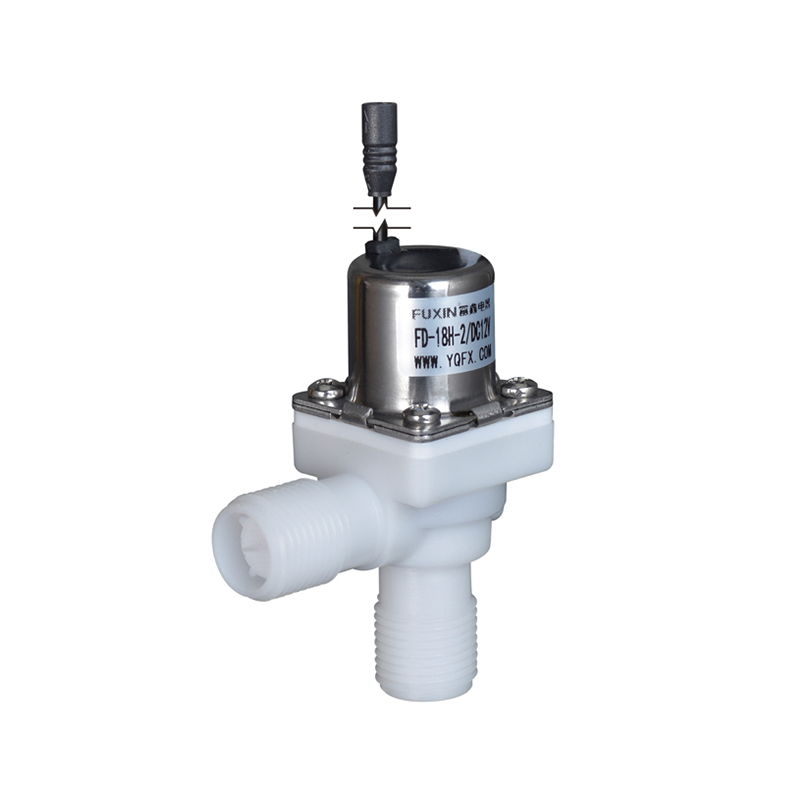
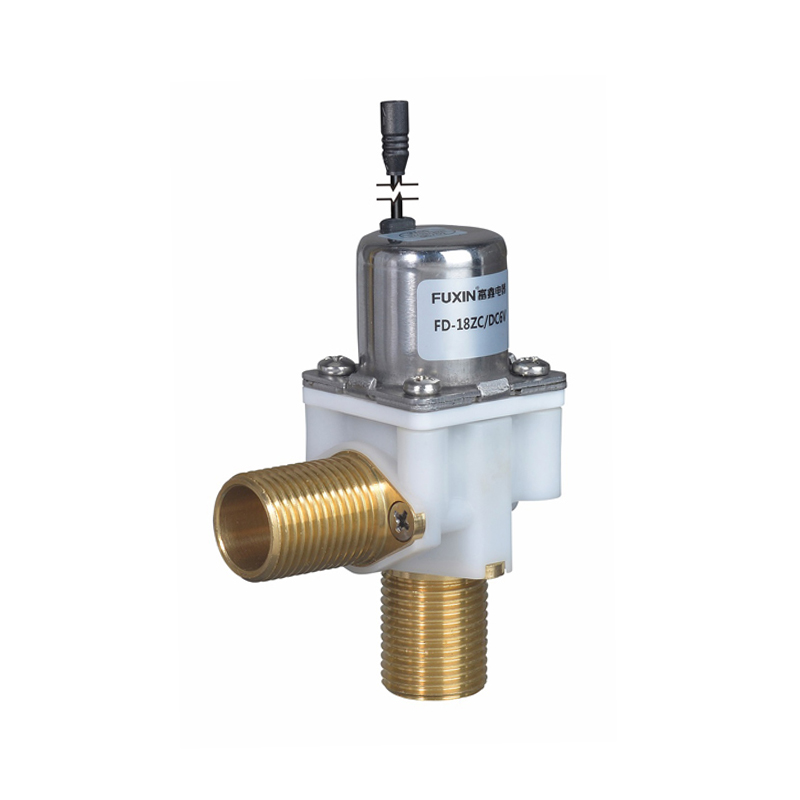
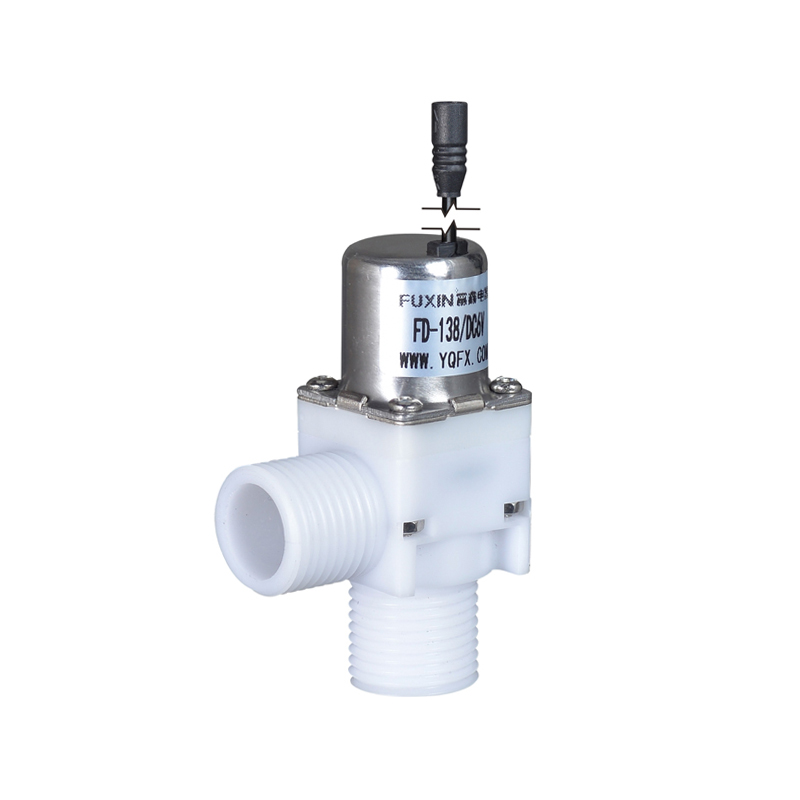
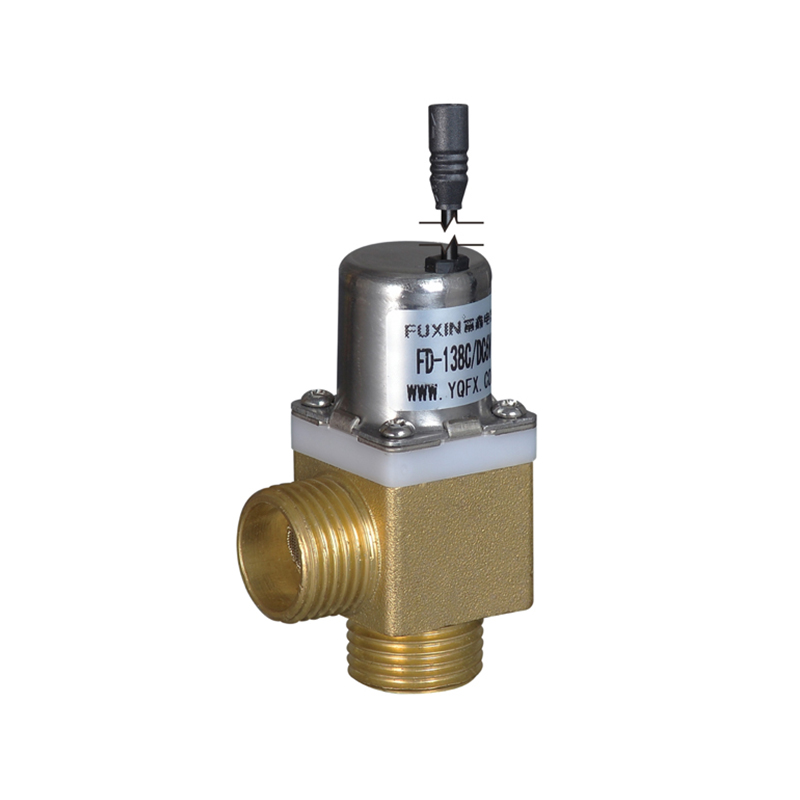
Many automated water systems need a valve to change position without keeping electrical power running continuously in the background. A conventional electrically operated valve may need power to remain in a particular state, which can make standby energy use genuinely part of the system's everyday operation around the clock.
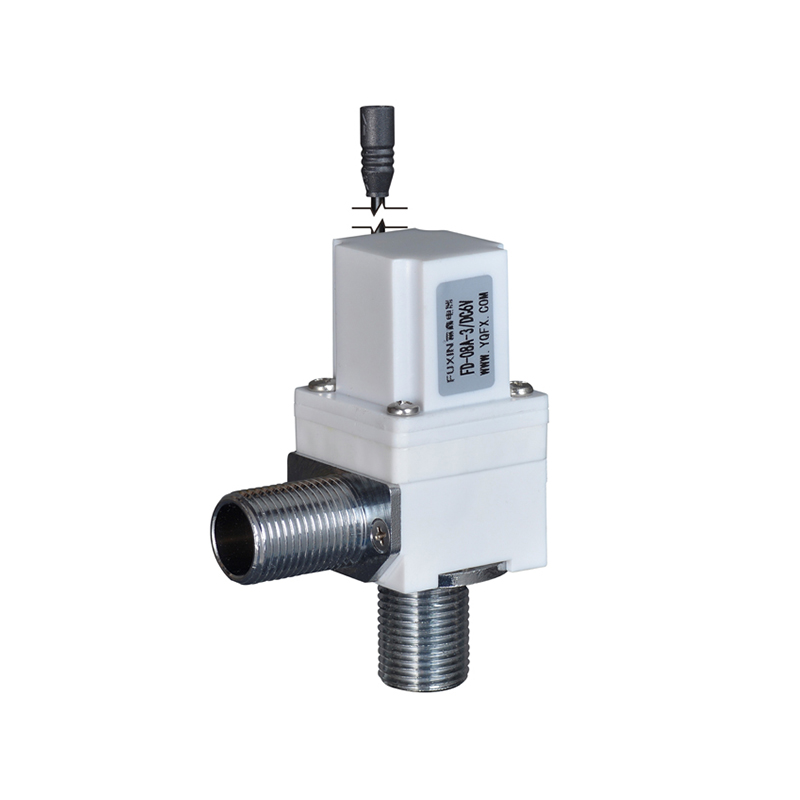
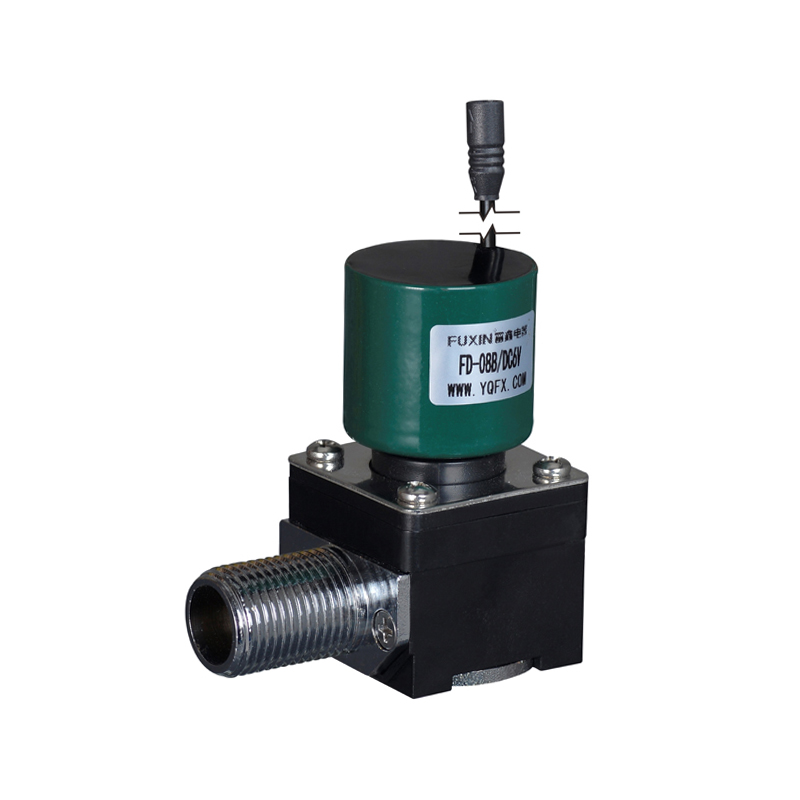
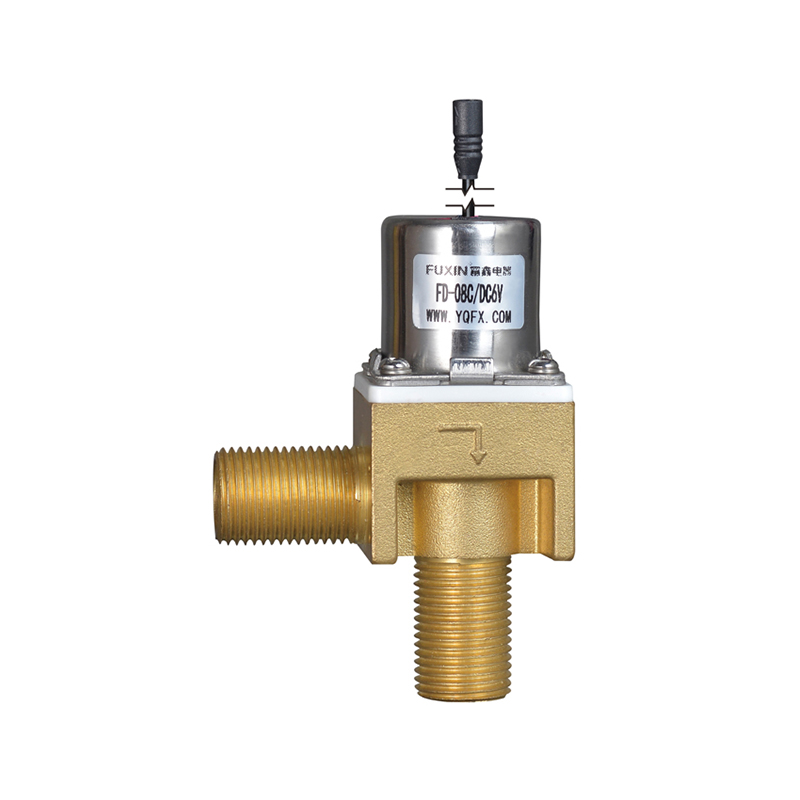
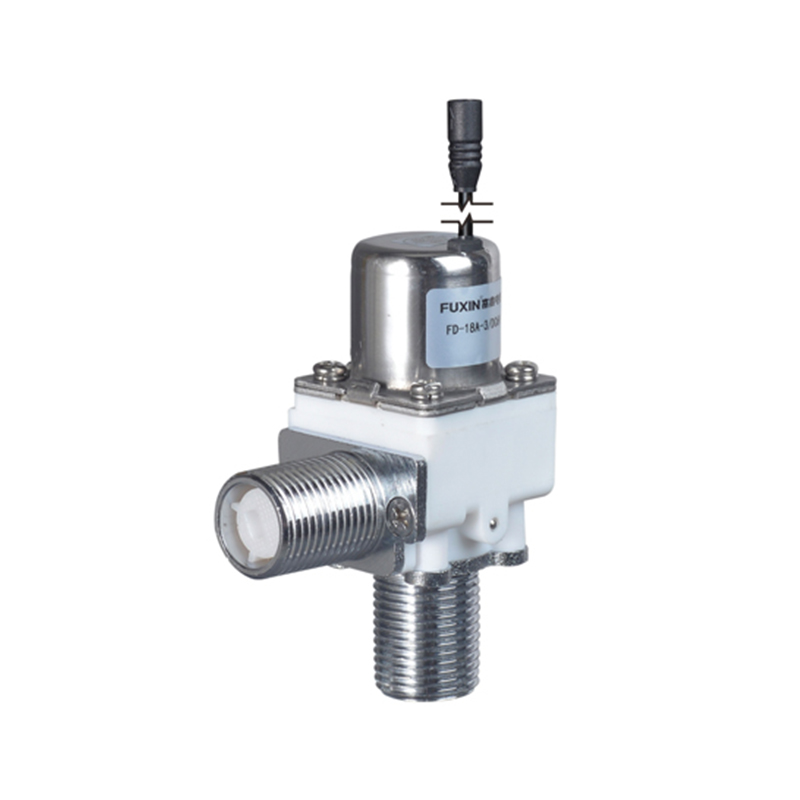
A Bistable Solenoid Valve approaches this situation quite differently. It can change between two stable positions through a brief electrical command, then remain in its new position without requiring continuous power to hold it there afterward. This operating idea makes the valve relevant to equipment where long periods of waiting occur between individual actions.
The difference becomes a lot easier to understand in products that open and close only when a user requests water at the sink. Automatic faucets, touchless fixtures, and smart toilets may spend much of their operating time simply waiting for the next command from someone walking up. In such systems, reducing unnecessary electrical activity during those waiting periods can genuinely influence how the overall product gets designed.
Why Does Standby Power Matter in Valve Systems?
A valve may operate for only a short period, while the surrounding equipment remains active for a lot longer throughout the day. This creates a genuinely important distinction between energy used during movement and energy used while the valve simply remains in position doing nothing.
A conventional arrangement may continue supplying power to maintain a valve state indefinitely. When this happens repeatedly across many devices installed throughout a building, standby operation becomes part of the equipment's regular energy demand adding up over time.
| Operating Situation | Conventional Holding Approach | Latching Approach |
|---|---|---|
| Valve needs to open | Electrical command | Electrical command |
| Valve reaches open state | May continue receiving power | Can remain in position |
| Valve waits for next action | Holding power may continue | No continuous holding command |
| Valve needs to close | Electrical command | Electrical command |
| Between commands | Electrical activity may continue | Valve remains in its state |
A latching design changes the relationship between electrical input and valve position in a genuinely meaningful way. The valve receives an electrical command when a change is needed, then doesn't need the same continuous input merely to remain in its new state.
This difference is particularly relevant when valves spend considerable time waiting between operating cycles throughout a typical day. The design focus shifts from keeping the valve energized around the clock, to delivering electrical input only when a change in state is genuinely required.
How Does a Latching Valve Solenoid Work Differently?
A Latching Valve Solenoid gets designed around the idea that the valve doesn't need continuous electrical input to maintain its position over time. Instead, an electrical pulse changes the valve from one stable state to another in a brief moment.
Once the movement is complete, the valve can remain there while the electrical signal ends and moves on. Another command can then move it back when the application requires a change later.
| Step in the Sequence | What Happens |
|---|---|
| Need identified | Control system detects a required change |
| Command sent | Electrical pulse reaches the solenoid |
| Movement occurs | Valve shifts to the requested state |
| Signal ends | Electrical command stops |
| Position holds | Valve remains in its new state |
| Later change | New command moves the valve again |
This creates a genuinely different operating pattern from a valve that relies on continuous power to stay put. The important point is that the electrical signal gets linked to movement itself, rather than continuous position holding over an extended period.
This can make the valve particularly suitable for systems where the open or closed state may remain unchanged for an extended stretch of time between uses.
What Makes a Pulse Latching Solenoid Relevant to Energy Saving?
A Pulse Latching Solenoid Valve uses a short electrical command to change its state at the moment it's needed. The exact electrical arrangement depends on the valve and control system involved, but the basic concept remains centered on changing position through a command, rather than continuously powering the valve throughout its life.
This creates a genuine opportunity to separate active operation from standby operation in a practical sense. During an active change, electrical energy gets used to move the valve into place.
| Valve Activity | Electrical Role |
|---|---|
| Waiting | Valve remains in its current state |
| Opening command | Pulse triggers movement |
| Open state | No continuous holding command |
| Closing command | Pulse triggers movement |
| Closed state | No continuous holding command |
After the movement has taken place, the valve can remain in position without continuing to receive the same holding signal minute after minute. The distinction can be genuinely useful in systems where the valve changes state only occasionally throughout a shift.
This operating pattern can also simplify discussions about energy use during design meetings. Instead of viewing power consumption as something that happens continuously in the background, designers can examine when the valve actually needs electrical input to do its job.
How Does a Bistable Solenoid Valve Change Control Strategy?
The introduction of a bistable valve can genuinely affect how the control system communicates with the valve throughout normal operation. The controller doesn't necessarily need to maintain an ongoing electrical command simply because the valve needs to stay open or closed for a while.
Instead, the controller can issue a command only when a state change is genuinely required by user activity. This creates a closer relationship between the user's action and the valve's electrical activity happening at that moment.
A faucet may remain inactive while no one is using it, then send a command when water actually gets requested by someone stepping up. The same idea can apply when the valve needs to close afterward once hands move away.
A control system can recognize the required state and send the appropriate command, rather than maintaining a continuous signal between operations that don't need one. This makes valve control genuinely more event-based in its nature.
Electrical activity occurs around a change in operation, instead of becoming a constant part of the waiting period stretching between uses throughout the day.
Can Automatic Faucet Solenoid Valve Systems Benefit From Latching Operation?
An Automatic Faucet Solenoid Valve often works in response to a user action detected by the faucet control system nearby. The valve may remain closed while the fixture sits unused and open when the system receives an appropriate request from a sensor.
Because the valve can spend significant time in an inactive state throughout a typical day, the way it behaves between commands matters quite a bit for overall efficiency. A latching design can allow the valve to remain closed without continuous electrical holding running in the background.
| Faucet Situation | Valve Response |
|---|---|
| No user detected | Valve remains closed |
| User detected | Control system sends command |
| Water requested | Valve changes position |
| Water use ends | Closing command is sent |
| Faucet remains unused | Valve stays in position |
When the control system requests water, an electrical pulse can change the valve's position quickly. After the water flow period ends and hands move away, another command can return the valve to its closed state.
This approach genuinely separates the faucet's sensing function from the valve's position-holding behavior throughout the day. The broader system can therefore spend a lot less time maintaining an electrical state that isn't actively needed at that moment.
How Can a Touchless Faucet Solenoid Valve Fit Low-Power Product Design?
A Touchless Faucet Solenoid Valve operates within a system where sensors and electronic controls detect user activity without requiring direct contact from a hand. The valve is responsible for changing the water path when the control system decides that flow should begin or stop based on what it sees.
This creates a genuinely interesting relationship between detection, control, and valve operation working together. The sensor may remain ready to detect activity around the clock, but the valve doesn't necessarily need continuous electrical input simply to remain in its current position while waiting.
| Function | Electrical Need |
|---|---|
| Sensor monitoring | Must stay available continuously |
| Valve holding position | No continuous input required |
| Valve state change | Brief command only |
A latching approach can keep the valve state stable until another command is genuinely required by activity at the sink. This can help designers separate two genuinely different forms of electrical activity happening in the same product.
The sensing system needs to remain available for user detection throughout operation. The valve, however, only needs an electrical command when its physical state needs to change based on what's detected.
That distinction can be genuinely useful when manufacturers are reviewing the energy behavior of a touchless fixture as a complete product, rather than looking at one component in isolation from everything else.
Why Is Smart Toilet Solenoid Valve Design Also Relevant?
A Smart Toilet Solenoid Valve may operate within a product that combines water control with electronic functions built into the unit. The valve can be involved in filling, flushing, or other controlled water operations depending on the product design chosen by the manufacturer.
Such equipment may remain inactive for genuinely long periods between user interactions throughout a household's day. During these periods, unnecessary continuous electrical activity can become part of the product's standby behavior adding up quietly.
| Operating Phase | Bistable Valve Behavior |
|---|---|
| Idle between uses | Valve holds state without power |
| Command received | State changes via pulse |
| Operation complete | Command ends, state holds |
| Next command needed | New pulse arrives when required |
A bistable valve can provide another genuinely useful way to approach this condition without adding complexity. The valve can change state when a control command gets received and remain in that state after the command has ended and moved on.
When another water operation is required later, the control system can issue a new command at that point. This operating principle fits products where water-related actions are separated by genuine waiting periods stretching throughout the day.
It also gives designers another way to think about energy management from a fresh angle. Instead of asking how much power a valve uses while operating, they can also ask whether electrical input is genuinely needed while the valve is simply waiting for its next task.
How Does Valve State Retention Affect System Design?
State retention is a genuinely important part of a latching valve's operating concept worth understanding fully. Once the valve has moved into position, it can remain in its new place without continuous electrical holding running in the background.
This can affect the surrounding control system in a meaningful way, because the controller doesn't need to treat every moment as an active valve operation requiring attention. The control logic can instead focus on state changes rather than constant monitoring of holding signals.
| Design Element | Controller Focus |
|---|---|
| Initial state | Known starting condition |
| Trigger event | User action or system need |
| Command issued | Brief pulse to change state |
| State confirmed | Valve now holds new position |
| Next trigger | Awaits future change request |
For example, a water fixture may begin in a closed state sitting quietly. A user action triggers a command, and the valve changes to an open state to let water flow. Once the command has ended, the valve remains open until another command requests closure later.
This means the controller needs to know the intended valve state and send the appropriate command when that state genuinely needs to change based on activity. The arrangement can therefore encourage clearer separation between active commands and standby conditions throughout the product's operation.
What Design Factors Should Manufacturers Consider?
Using a latching valve doesn't automatically make an entire product energy efficient on its own. The valve operates as one part of a larger system, and its genuine value depends on how the control system, sensing elements, power source, and water pathway are designed together as a whole.
Manufacturers need to consider how the valve receives commands and how the surrounding electronics identify its current operating state at any given moment. The valve's physical application also matters quite a bit in this planning.
| Design Question | Purpose |
|---|---|
| How often does the valve change state? | Determines cycle frequency needs |
| How long does it remain open or closed? | Shapes standby duration expectations |
| How does the control system request a change? | Guides signal design |
| How is position handled during power interruption? | Addresses fail-safe behavior |
| How does the valve fit within available space? | Affects physical integration |
| How will maintenance teams check operating condition? | Supports long-term serviceability |
A design used in a faucet may face genuinely different requirements from one used in a toilet or another water-control product entirely. These questions keep energy considerations connected with practical product design decisions made on the factory floor.
The aim isn't simply replacing one valve with another and calling it done. The surrounding system should also genuinely make use of the valve's latching behavior to see real benefit.
Can Latching Operation Reduce Unnecessary Electrical Activity?
The main energy-saving idea behind a latching valve is genuinely simple once you break it down. Electrical input gets associated with changing the valve state, rather than continuously maintaining that state hour after hour.
This can reduce unnecessary electrical activity during periods when the valve isn't moving at all. The effect becomes a lot more relevant when the equipment has long waiting periods built into its typical use pattern.
| Scenario | Standby Benefit |
|---|---|
| Fixture unused for hours | No holding signal needed |
| Valve open during use | Command ends once state reached |
| Repeated daily cycles | Only brief pulses accumulate |
| Battery-powered installation | Extended operating life possible |
A fixture may be unused for much of the day, while the valve remains in a stable closed position without needing attention. With a suitable latching design, the valve doesn't need to receive a continuous holding signal throughout that inactive stretch.
The same principle applies when the valve remains open for a controlled period during actual use. Once the required state has been reached, the electrical command can end and the system moves on to other tasks.
The valve then stays in position until another state change is genuinely required by user activity. This makes standby behavior a genuinely important part of valve selection, rather than an issue considered only after the complete product has already been designed and built.
How Can Latch Solenoid Valve Concepts Support Different Applications?
The term Latch Solenoid Valve describes the same general design idea of maintaining a valve state without continuous electrical holding running constantly. This concept can get applied across different water-control products, when the valve's operating requirements genuinely match the application at hand.
The common factor throughout is the separation between movement and state retention. A faucet may use the valve to control water flow during a brief user interaction at the sink.
| Application | Potential Latching Role |
|---|---|
| Automatic faucet | Water flow control |
| Touchless faucet | Sensor-driven water control |
| Smart toilet | Controlled water operation |
| Water equipment | State-based flow management |
| Battery-powered equipment | Reducing continuous valve holding |
A toilet may use it during a water-management cycle triggered by a sensor or button. Other equipment may require the valve to remain in a chosen position between separate operating commands spaced throughout the day.
The application changes from product to product, but the control concept can remain genuinely similar across the board. This flexibility gives manufacturers another design option when evaluating how valves interact with electronic control systems built into modern fixtures.
How Does Material Selection Fit Into Valve Lifecycle Planning?
Energy use is only one part of product planning that manufacturers need to consider carefully. Manufacturers also need to think about how a valve gets made, assembled, stored, installed, maintained, and eventually replaced over its working life.
Material selection can influence these stages, because the valve needs to remain suitable for its intended environment throughout years of service. Components may encounter moisture, repeated movement, cleaning processes, or long periods of storage depending on the application involved.
| Lifecycle Stage | Material Consideration |
|---|---|
| Manufacturing | Must suit forming and assembly methods |
| Storage | Needs stable condition over time |
| Installation | Requires compatibility with plumbing systems |
| Ongoing use | Must withstand moisture and cycling |
| Maintenance | Should allow inspection and servicing |
The product's material choices should therefore genuinely match its intended working conditions rather than following generic assumptions. At the same time, material planning should remain clearly separate from unrelated product categories entirely.
Clear product classification helps purchasing teams keep different material lifecycles genuinely separate from one another. A valve manufacturer can then focus its material decisions on the requirements of water-control equipment, rather than applying assumptions borrowed from unrelated categories.
What Should Buyers Look for When Selecting a Latching Valve?
Buyers evaluating a latching valve can begin with the actual operating pattern of their equipment in real conditions. The key question worth asking is whether the valve spends meaningful periods in a stable state between changes throughout its daily use.
If the valve needs to remain open or closed without continuous electrical holding, a latching design may genuinely fit that type of application well. Buyers can also examine how the valve interacts with the control system already in place.
| Consideration | Why It Matters |
|---|---|
| Required opening and closing commands | Confirms compatibility with control logic |
| Intended water-control application | Matches valve to actual use case |
| Valve state during normal operation | Reveals standby duration patterns |
| Control system arrangement | Ensures smooth integration |
| Installation conditions | Affects physical fit and access |
| Maintenance access | Supports long-term serviceability |
| Product lifecycle requirements | Guides material and durability needs |
This approach keeps purchasing decisions genuinely connected to the actual equipment involved, rather than focusing only on the name printed on a datasheet.
How Can Manufacturers Build Standby Power Planning Into Product Development?
Standby power is genuinely easier to address when it gets considered during product development, rather than after the valve and control system have already been locked in. Design teams can map when the valve needs to move and when it simply needs to remain in position throughout typical use.
This creates a genuinely clearer picture of where electrical input is actually required versus where it's simply habit. The same review can include automatic faucets, touchless fixtures, smart toilets, and other water-control products across a product line.
| Product Type | Standby Review Focus |
|---|---|
| Automatic faucets | Time between user detections |
| Touchless fixtures | Sensor versus valve power needs |
| Smart toilets | Duration between flush cycles |
| Battery-powered units | Total holding time avoided |
A Bistable Solenoid Valve, Latching Valve Solenoid, Pulse Latching Solenoid Valve, and Latch Solenoid Valve all reflect an approach where valve movement can get genuinely separated from continuous electrical holding running in the background.
This makes the latching principle relevant to a broader discussion about standby power happening across the industry. Instead of treating the valve as an always-energized component sitting there drawing current, manufacturers can consider whether the electrical system can send a command only when the physical state genuinely needs to change based on what the user actually does.