
 EN
EN English
 Español


Bathroom design is moving well beyond appearance and basic water delivery, especially in spaces where dozens of strangers pass through every hour. Users now expect spaces that are easier to operate, easier to clean, and more comfortable during daily use. Touchless control has become an important part of this shift because it reduces the need to touch common surfaces that everyone else has already touched that day.
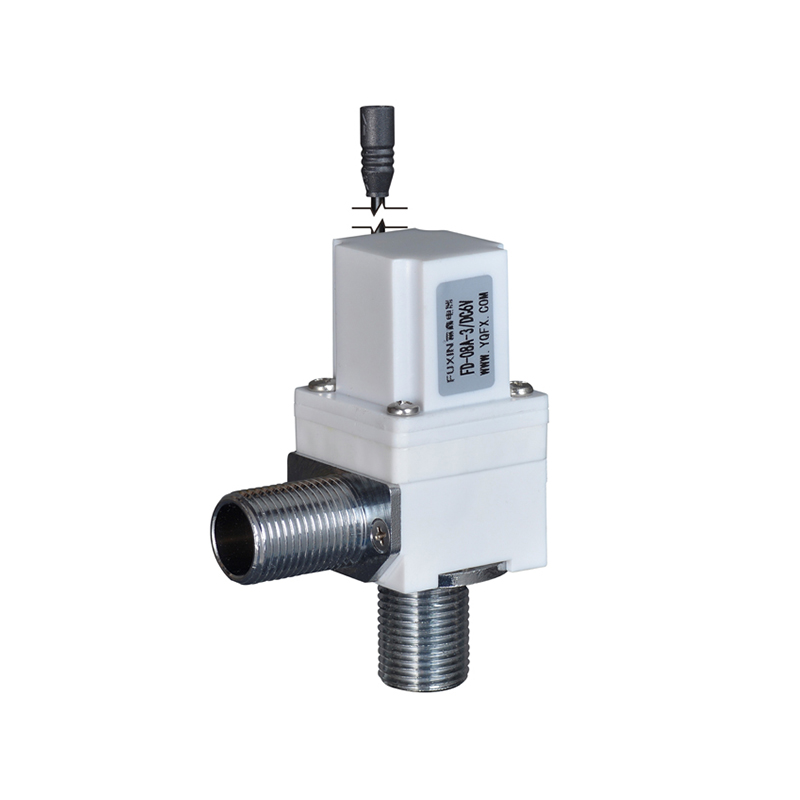
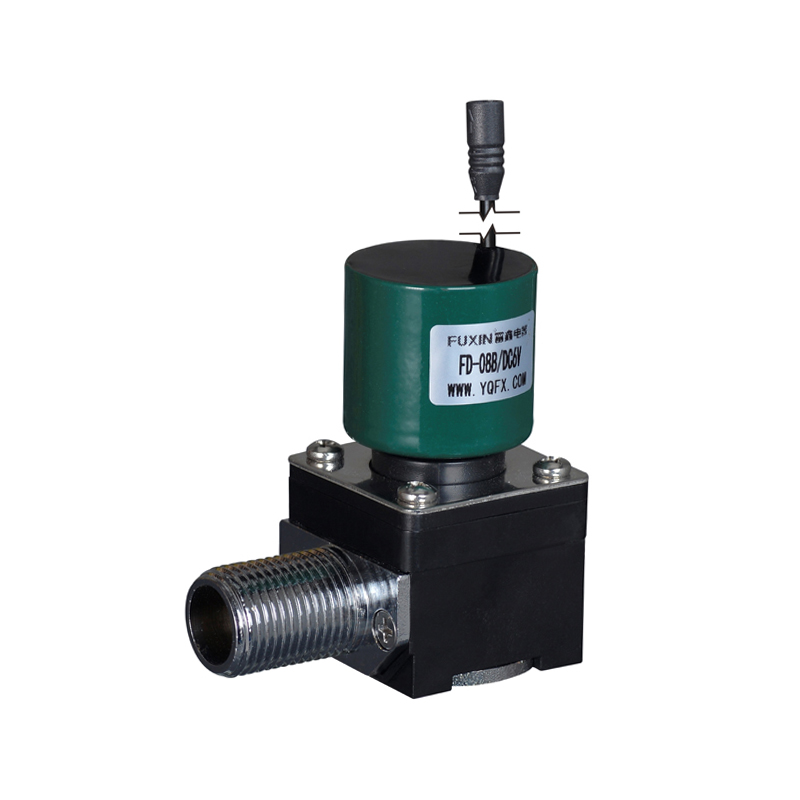
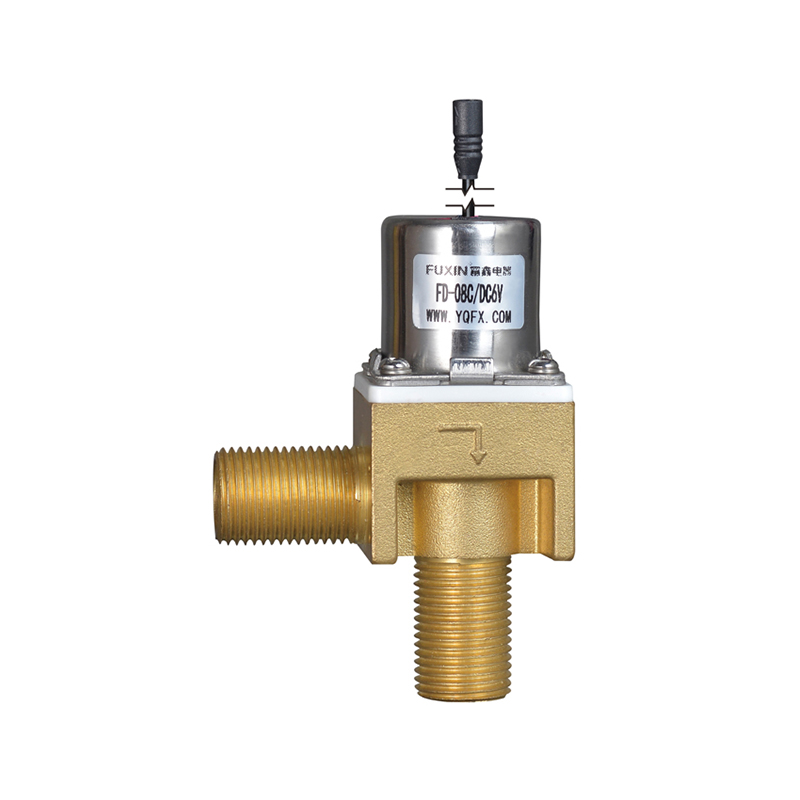
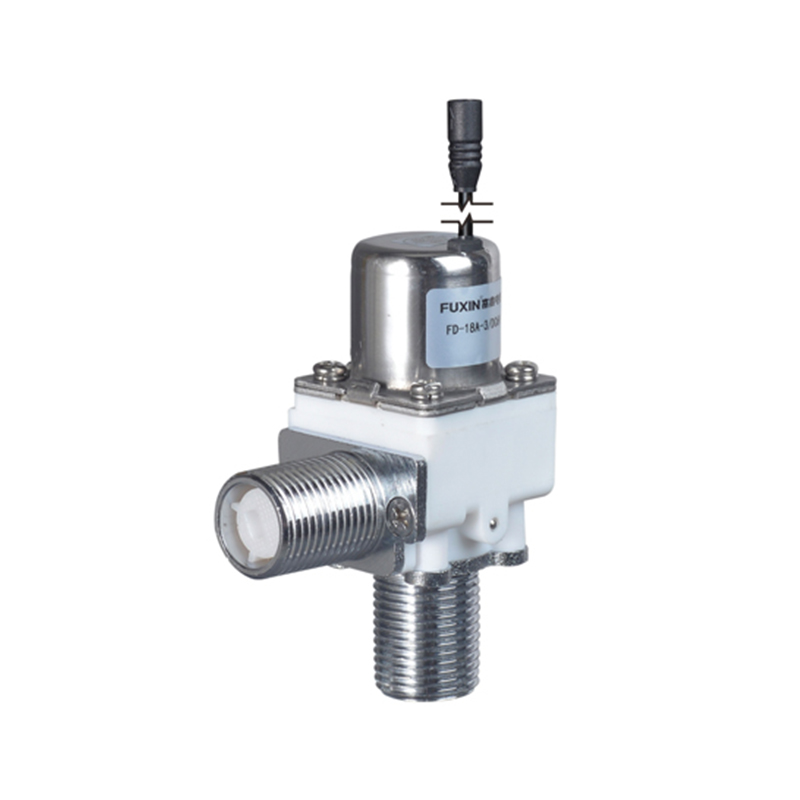
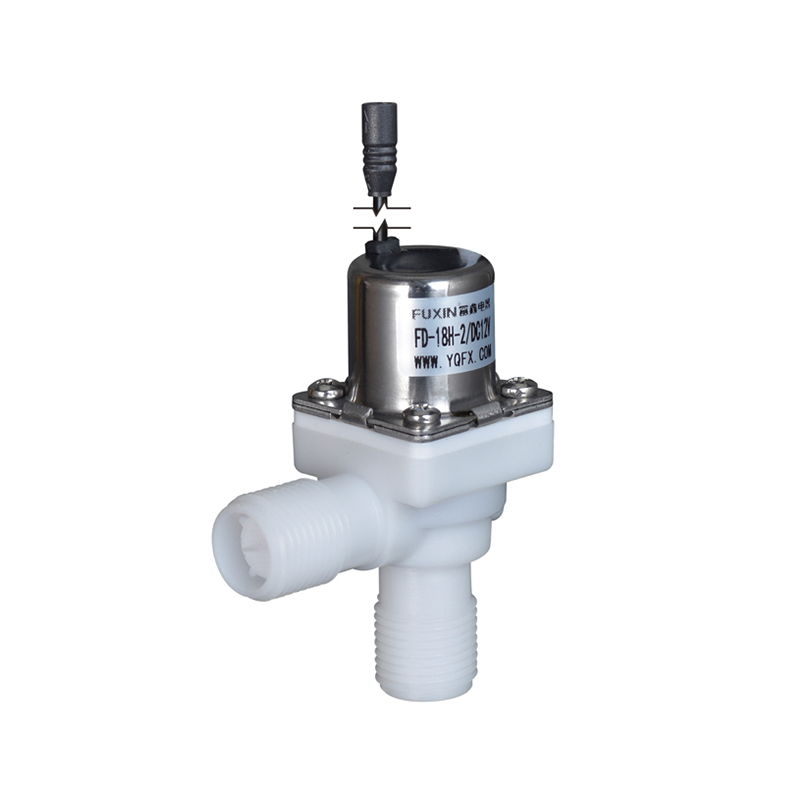
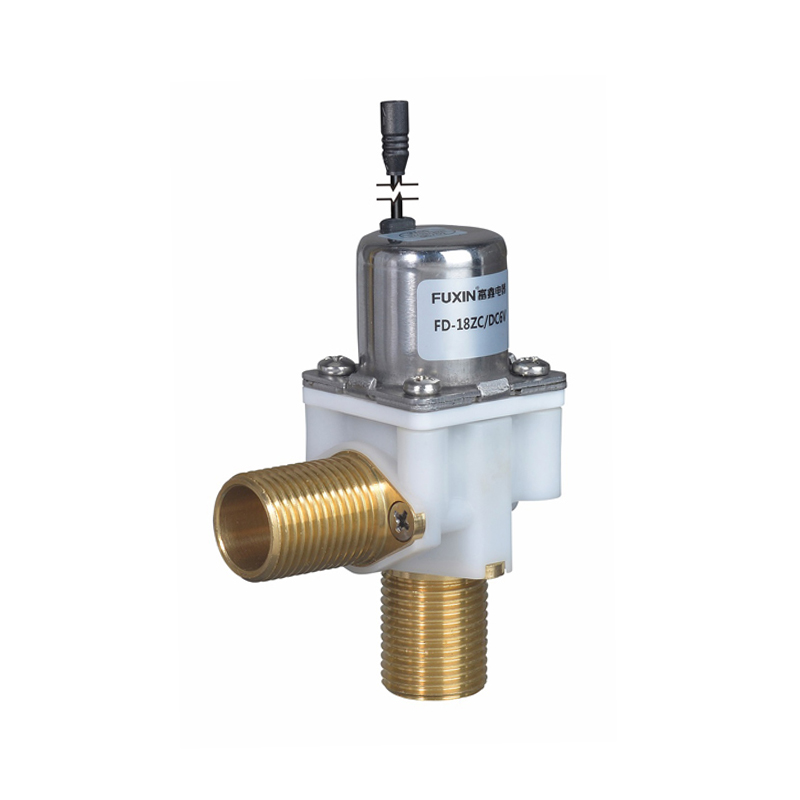
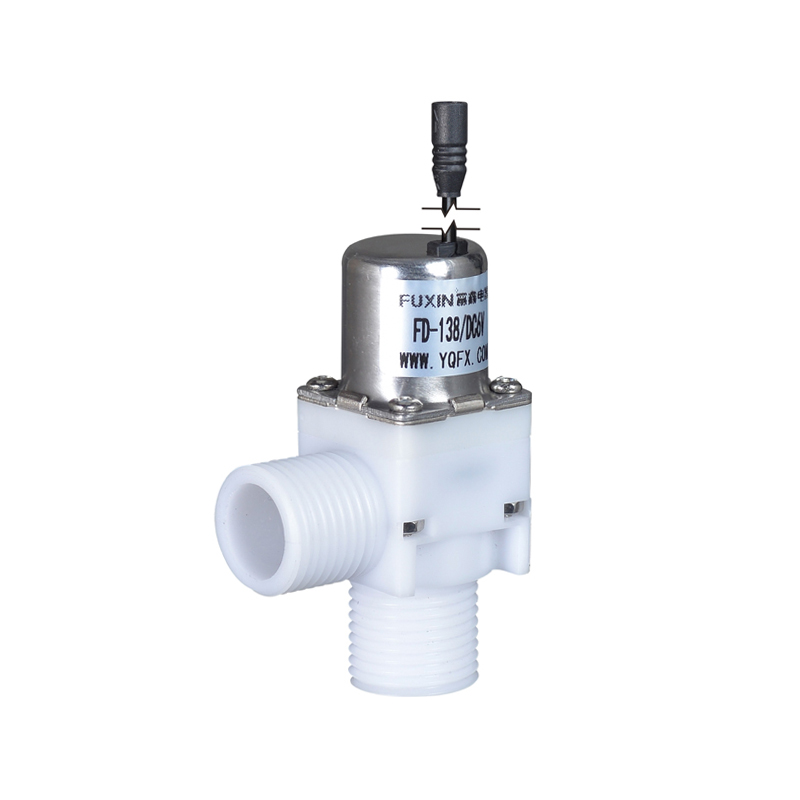
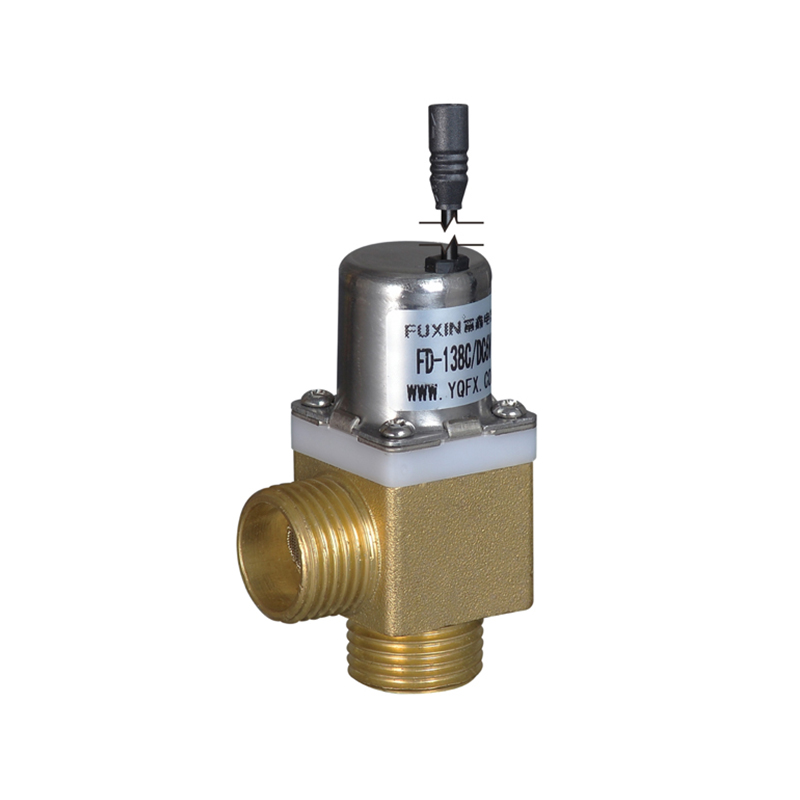
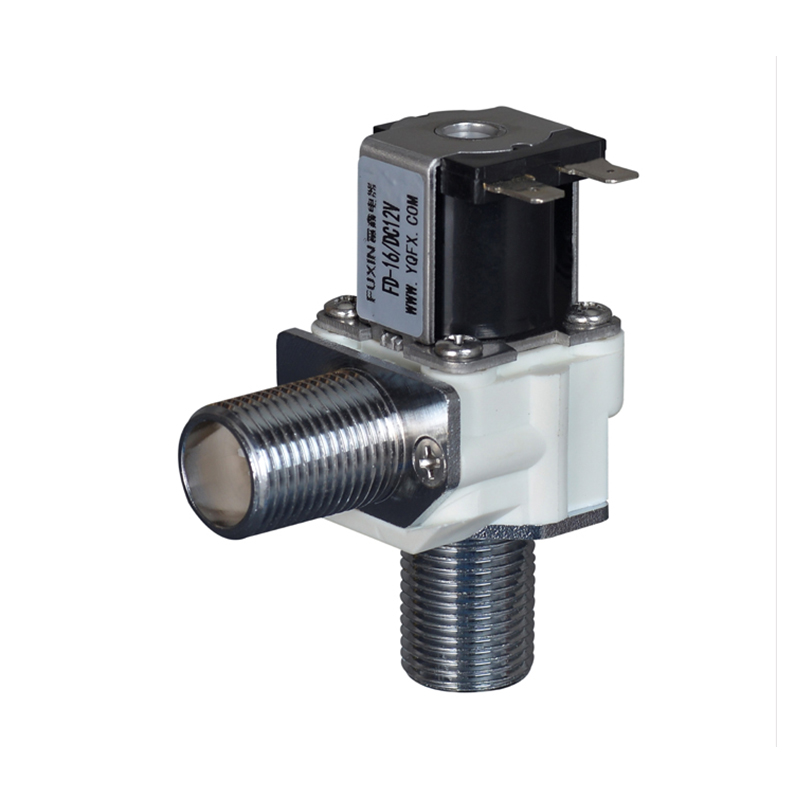
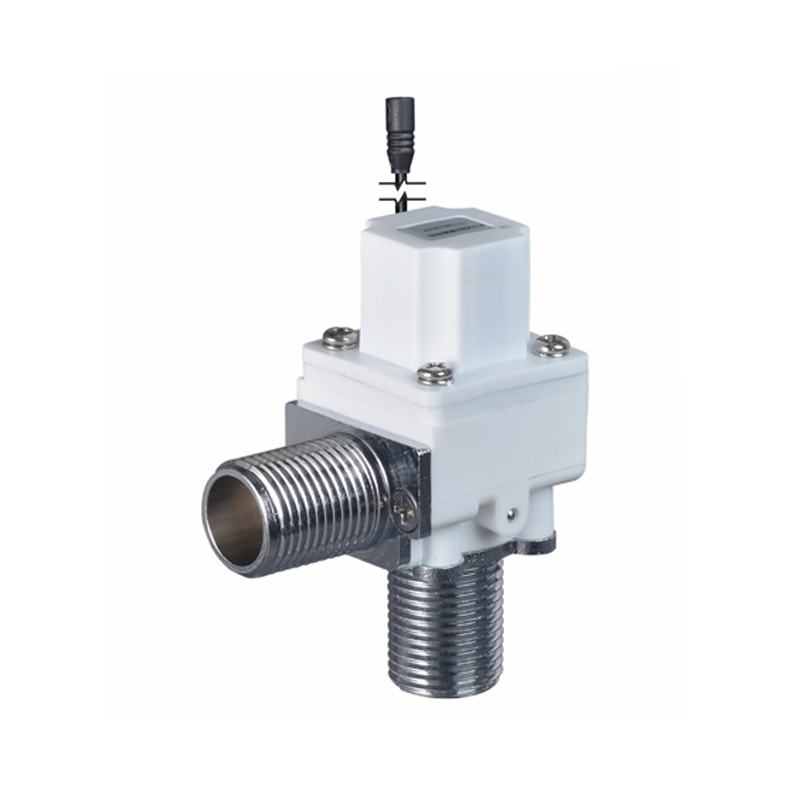
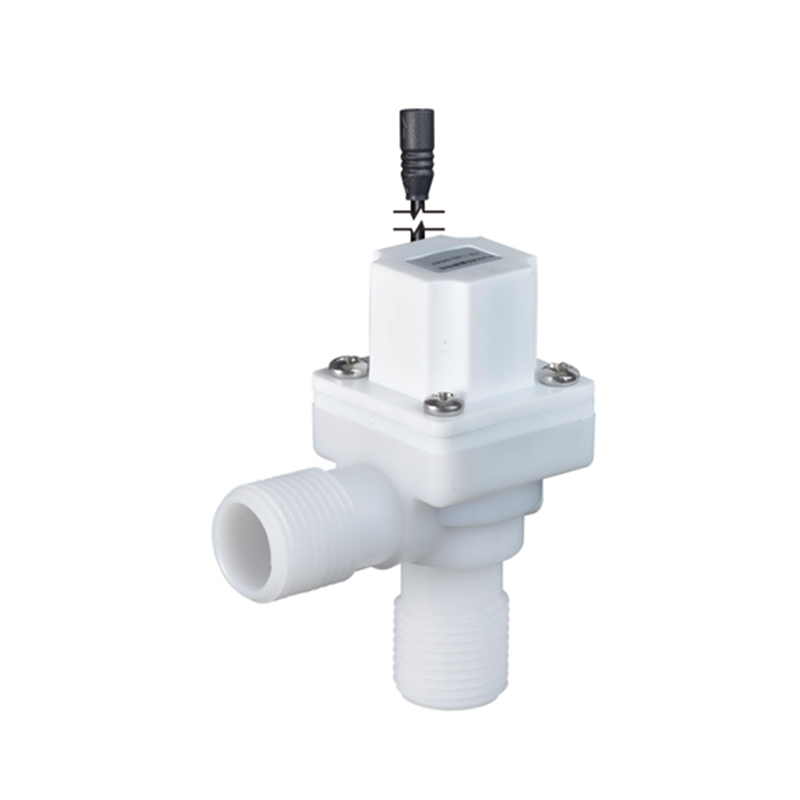
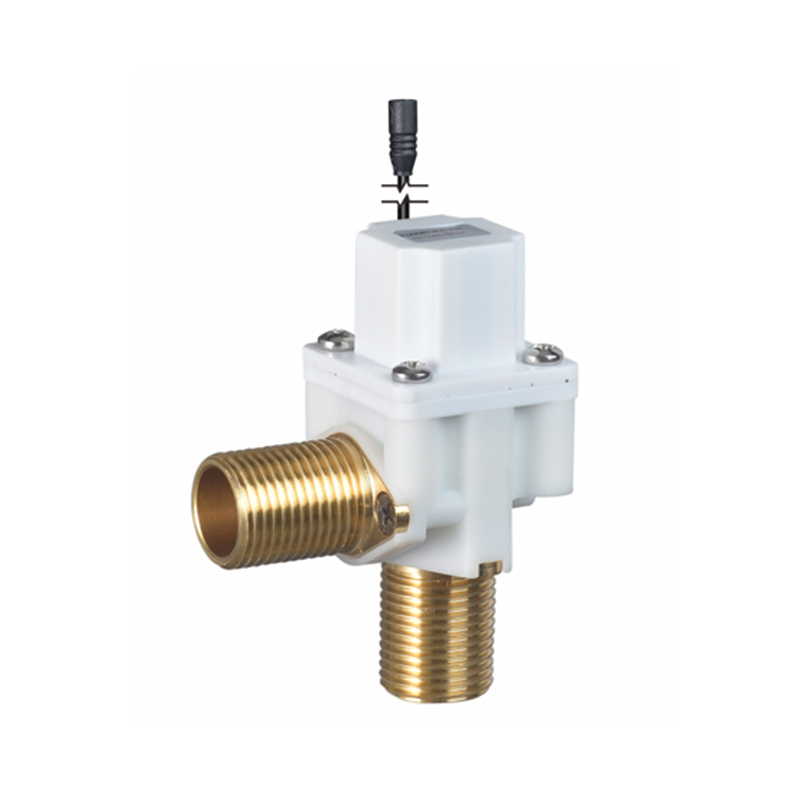
Sensor faucets show how this idea can work in a simple bathroom setting, whether it's an airport restroom or a home bathroom remodel. A user approaches the faucet, the sensor detects the movement, and water can be released without turning a handle caked in soap residue. Behind this simple experience, a compact water control component helps translate an electronic signal into physical water flow that the user never has to think about. A Faucet Solenoid can play this role in an automatic faucet system, sitting quietly out of sight while doing the actual work. It allows the water path to respond to a control signal instead of relying on direct manual operation, which makes it suitable for bathrooms where hands-free use is part of the overall design brief.

The value of this approach isn't limited to convenience alone, though that matters plenty on its own. Less physical contact can support cleaner shared spaces and create a more consistent user experience across a facility with hundreds of daily visitors. This is especially relevant in public restrooms, commercial buildings, healthcare environments, hospitality spaces, and modern residential bathrooms alike. Touchless design also gives designers more freedom when planning the visible parts of a bathroom that a guest actually sees. The faucet can have a clean appearance because the water control process doesn't depend on a traditional handle sticking out awkwardly. The result can be a simpler interaction between the user, sensor, and water outlet, one that feels almost invisible when it works well.
How Does a Faucet Solenoid Support Sensor Faucet Operation?
A sensor faucet needs a way to control water after the sensing system detects a user's presence at the basin. The sensor itself doesn't need to perform the physical water control on its own. Instead, the control signal can be passed to a valve component that manages the water path behind the scenes.
A Solenoid Valve for Faucet can support this process by responding to the electrical signal from the control system the moment a hand appears below the spout. When the system requests water, the valve changes its operating state almost instantly. When the request ends, as hands pull away, the valve can return to its previous state and stop the water flow before it overflows the basin. This arrangement separates sensing from water control cleanly. The sensor focuses on detecting user movement, while the valve handles the opening and closing of the water passage on its own track. Such separation can make the overall system a lot easier to organize during product design, since each part can be tested independently.
The user may only notice that water starts when their hands are placed below the outlet, nothing more complicated than that from their side. Yet the internal process involves several connected actions happening in a fraction of a second. Detection, signal transmission, valve movement, and water delivery need to work together as part of one seamless user experience. This is why faucet solenoid technology matters so much in touchless bathroom development. It sits between the electronic control side and the water delivery side, helping different parts of the system communicate through physical action rather than guesswork.
Why Is Automatic Water Dispensing Useful in Modern Bathrooms?
Automatic water dispensing changes the way people interact with a faucet in a genuinely practical sense. There's no need to search for a handle with wet hands or touch a shared surface after washing that dozens of other people touched earlier that day. The interaction becomes more direct and requires fewer physical steps between soaping up and rinsing off.
This can be useful in homes as well as commercial environments, though the reasons differ slightly between the two. In a residential bathroom, touchless water control can make hand washing a lot more convenient for someone juggling a toddler or carrying groceries. In a public restroom, it can help create a more consistent experience for many different users passing through on a busy afternoon. The idea also fits well with automatic water dispensing systems built around a simple user action. These systems are designed around something as basic as placing hands near a sensor. The control system then decides when water should be delivered and when the flow should stop without anyone pressing a button.
A Faucet Solenoid supports this automatic process by giving the control system a physical way to manage water flow in real time. Its role may seem small tucked away inside the fixture, but the user experience depends heavily on the smooth interaction between detection and water delivery. Touchless control can also help simplify bathroom layouts considerably. Designers don't always need to give users a visible mechanical control for every water outlet in a large restroom. This can create a cleaner visual environment and support modern interior design concepts that favor minimal hardware. The same principle can be applied to other water-related fixtures throughout a facility. As bathrooms include more automatic functions, solenoid-based control can become part of a wider approach to hands-free operation across the whole room.
Where Does a Solenoid Valve for Faucet Fit Into Public Restrooms?
Public restrooms have genuinely different needs from private bathrooms at home. They serve many users throughout a single day, and people may have very different habits when operating fixtures they've never seen before. A touchless system can reduce the number of physical actions required during each visit, which adds up across hundreds of visitors.
A Solenoid Valve for Faucet can fit naturally into these environments because it allows water control to be connected with sensors and automatic controls without extra hardware cluttering the counter. The visible faucet can remain relatively simple while the internal system manages the water response out of sight. Public restroom design also places real attention on cleaning routines, since janitorial staff service these spaces constantly. Fewer touch points can make some surfaces a lot easier to manage during routine cleaning at the end of a shift. It doesn't remove the need for proper cleaning altogether, but it can change how users interact with the fixture in the meantime.
Water management is another important consideration worth planning for. A faucet that continues running because a user forgets to close it, distracted by their phone, can create unnecessary water use over a full day. Automatic control allows the system to respond to the user's presence, rather than depending entirely on manual action that someone might forget. This approach can be useful in airports, shopping centers, offices, schools, hotels, restaurants, and other shared facilities that see heavy foot traffic. Each setting has different requirements depending on volume and clientele, but the general need for simple and reliable water interaction remains fairly similar across all of them.
The design process should also consider how the valve fits within the complete faucet assembly rather than as an add-on part. The solenoid isn't an isolated product feature sitting apart from everything else. Its value comes from how well it works with the sensor, control unit, water path, power arrangement, and faucet structure surrounding it.
How Can Urinal Flush Solenoid Valve Technology Extend Touchless Design?
Touchless bathroom technology isn't limited to handwashing faucets alone. Automatic flushing is another area where users can benefit from reduced physical contact, especially in shared restrooms serving a constant stream of visitors. This is especially relevant in facilities where multiple people use the same fixture throughout a busy day.
A Urinal Flush Solenoid Valve can help control the water used for automatic flushing without requiring a handle at all. The system can receive a signal from a sensing or control device and then activate the valve to manage the flushing process at the right moment. This creates a similar relationship between detection and action as seen at the faucet. The sensor or control system identifies the required condition, while the valve provides the physical response that follows. The user doesn't need to operate a traditional flush handle that other visitors have already touched that morning.
The concept can also support more consistent restroom operation across a busy facility. Manual flushing depends heavily on user behavior, which varies wildly from person to person. An automatic system can follow a defined control process instead, flushing reliably every time regardless of who walks up. This can make the fixture a lot easier to use for people with different habits and levels of familiarity with the specific hardware in front of them. For facility managers, touchless flushing can also become part of a wider bathroom management strategy spanning the whole restroom. Faucets, urinals, toilets, soap dispensers, and hand dryers can all be designed around reduced-contact interaction as a unified approach.
This broader view matters because smart bathroom technology isn't about one isolated device working alone. It's about creating a connected user journey in which common tasks require fewer manual controls from start to finish.
What Role Can Latching Solenoid Valves Play in Smart Bathroom Systems?
Not every automated bathroom application needs the same type of valve behavior running the same way. Some systems may need a valve to remain in a selected state without continuous electrical action draining power the whole time. This is where Latching Solenoid Valves can become genuinely relevant to a design team.
A latching design can maintain its operating position after receiving an appropriate control signal, without needing constant current to hold that state. This can be useful when the system architecture is built around controlled changes, rather than continuous activation running around the clock. In smart bathroom technology, energy management can become part of the overall product design conversation early on. Designers may want different components to operate only when a change in state is actually required, saving power over months of continuous use. A latching approach can fit applications built around this type of control philosophy nicely.
The exact use depends heavily on the faucet or water fixture being developed for a specific project. Some designs may benefit from conventional automatic valve action that activates and releases quickly. Others may have good reasons to consider a latching structure instead, particularly where power draw matters over a long installation life. The decision should be based on the complete system, rather than the valve name alone printed on a spec sheet. A Latching Valve Solenoid can therefore be viewed as another option within the broader solenoid technology family available to designers. Its relevance becomes a lot clearer when designers consider how sensors, control circuits, power sources, and water outlets should interact as a whole.
This type of thinking is increasingly useful as bathroom products become more integrated across a building's systems. A faucet is no longer simply a water outlet sitting on a counter. It can become one part of an automated environment that responds to user behavior throughout the day.
How Does Touchless Technology Change the Bathroom User Experience?
Good bathroom technology should feel simple from the user's perspective, almost boring in how naturally it works. People don't want to think about the internal valve structure when washing their hands before lunch. They expect the water to respond naturally to their movement without any fuss or delay.
Sensor faucets can support this experience by removing unnecessary manual steps from the whole interaction. A user can approach the fixture, position their hands, and receive water without searching for a control surface hidden somewhere on the basin. The quality of this interaction depends on more than the sensor alone, though. The sensing system and valve need to work as a coordinated pair, responding to each other without a noticeable lag. If detection occurs but water control doesn't respond as expected, the user experience can feel disconnected fast, leaving someone waving their hands awkwardly under a dry spout.
The Faucet Solenoid can therefore influence how a bathroom feels in use, even though it remains hidden inside the fixture. Its response becomes part of the connection between a user's action and the water they expect to receive. Touchless systems can also make automatic operation easier to understand for people with different needs and levels of familiarity. Children, older adults, travelers, and people using an unfamiliar facility may find this approach more straightforward than figuring out a mechanical handle they have not used before.
In residential bathrooms, the same design idea can fit naturally into the daily routines of a busy household. Automatic water dispensing can be helpful when hands are occupied, wet, or dirty, such as after handling raw chicken at a nearby kitchen sink. The technology feels more useful when it becomes a natural part of the room instead of adding another step to an already busy morning.
How Should Faucet Solenoid Technology Be Considered During Product Design?
Solenoid technology should be considered as part of the complete bathroom system, not as a standalone component judged on its own specs. Looking only at the valve can make it a lot harder to understand whether the final product will actually provide the intended user experience once installed.
Designers can begin by identifying how users are expected to interact with the fixture in its actual setting. A sensor faucet for a home may have genuinely different priorities from one intended for a busy public restroom serving hundreds daily. The surrounding environment affects the choice of control method and valve structure considerably. The water path also needs careful attention throughout the design process. The selected valve should fit the overall faucet design and support the intended flow control process without fighting the existing plumbing. Installation, cleaning access, internal space, and service requirements can all influence the final arrangement chosen.
Control integration is another important point worth getting right early. The sensor, control unit, power source, and solenoid should work as one coordinated system rather than separate parts bolted together. A well-planned product design avoids treating these parts as unrelated components that happen to share a housing. For products using Latching Solenoid Valves, designers should also consider how state changes are controlled within the complete system from end to end. A latching approach may suit some automatic water dispensing concepts well, while another valve arrangement may be more appropriate for different applications entirely.
The same principle applies to a Urinal Flush Solenoid Valve sitting inside a different fixture. Its function should be considered alongside the sensing method, flushing logic, fixture structure, cleaning process, and facility requirements surrounding it. A practical design review can therefore focus on several areas worth walking through in sequence.
| Design Area | Key Question |
|---|---|
| User interaction | How should the fixture respond to user movement? |
| Water control | How should water start and stop? |
| Sensor connection | How does the detection system communicate with the valve? |
| Installation | How will the valve fit inside the fixture? |
| Maintenance | Can internal components be accessed when service is needed? |
| Environment | What conditions will the bathroom system face during daily use? |
| Product integration | How will the valve work with the rest of the automatic system? |
This approach helps keep the focus on practical product development rather than abstract specifications. The valve is important on its own, but its real value appears only when it supports the complete bathroom experience end to end.
What Is Driving the Broader Move Toward Smart Bathroom Technology?
Smart bathroom design is developing around a fairly simple idea worth stating plainly: routine actions can become easier when products respond to users automatically instead of waiting for manual input. Faucets, flushing systems, soap dispensers, lighting, and other fixtures can all participate in this change happening across the industry.
Touchless operation is one noticeable part of this shift, giving visitors a simple way to interact with a faucet. It brings familiar bathroom functions together with sensors and automatic control that work quietly inside the fixture. The experience does not have to feel complicated because much of the technology stays out of sight. For manufacturers, this opens opportunities to distinguish products through practical functions rather than appearance alone. A faucet can be developed around cleaner interaction, easier operation, flexible installation, and compatibility with other bathroom systems already in use.
For building owners, automated fixtures can also fit into a wider facility strategy across different restrooms within a property. Public spaces need products that can handle regular use while remaining easy to operate for visitors and straightforward for maintenance teams. The growing interest in automatic water dispensing also brings more attention to internal components that users seldom consider. A compact component such as a Solenoid Valve for Faucet can affect how the entire product is planned and developed from the beginning.
As touchless bathrooms become more common across airports, offices, and homes alike, product development will continue to focus on the relationship between sensing, control, water delivery, and everyday use. That relationship is where solenoid technology becomes a genuinely practical part of modern bathroom design, quietly doing its job while nobody notices it's even there.