
 EN
EN English
 Español


Low-power control has become a genuinely important consideration in many automated devices found around a building. Products that operate away from a constant power source need to use available energy carefully, since nobody wants to swap batteries every week.
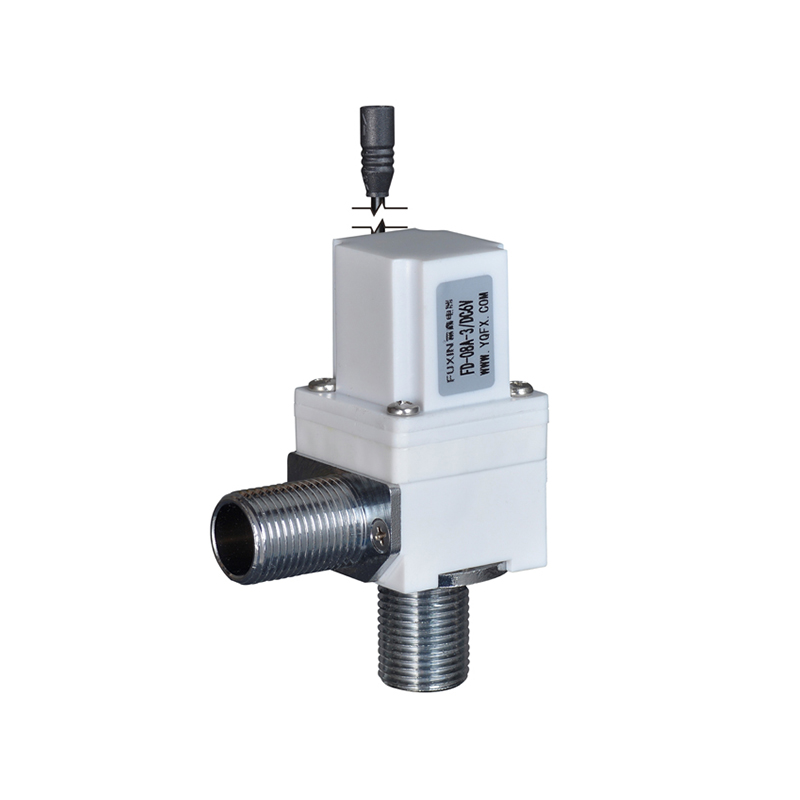
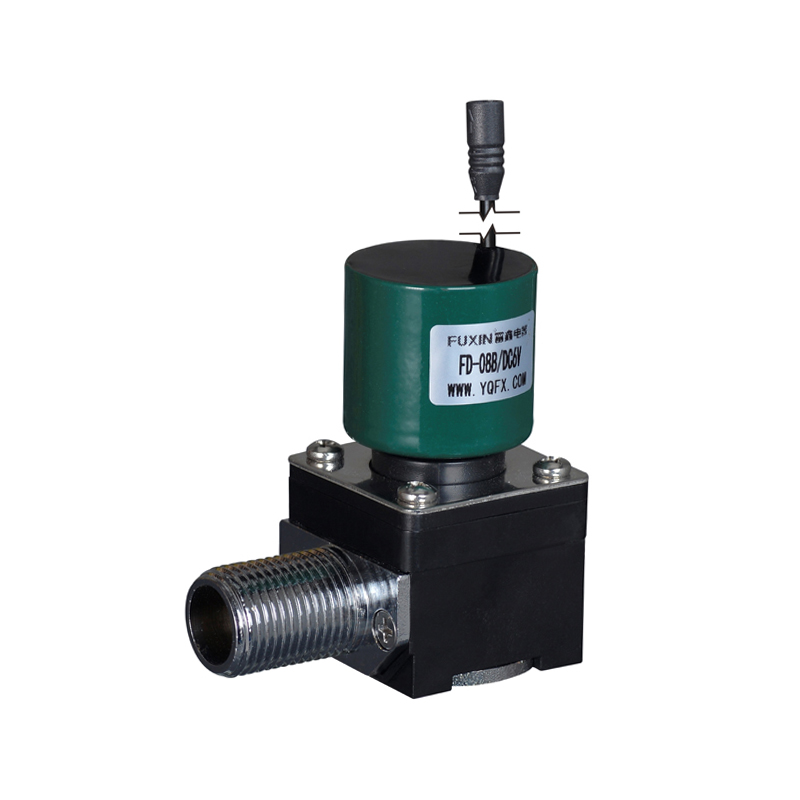
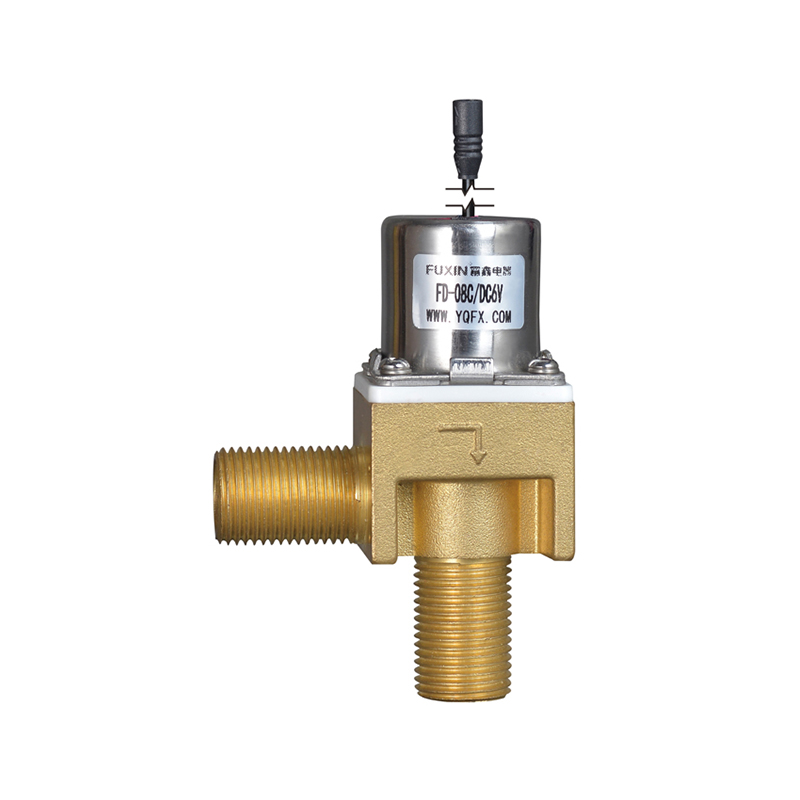
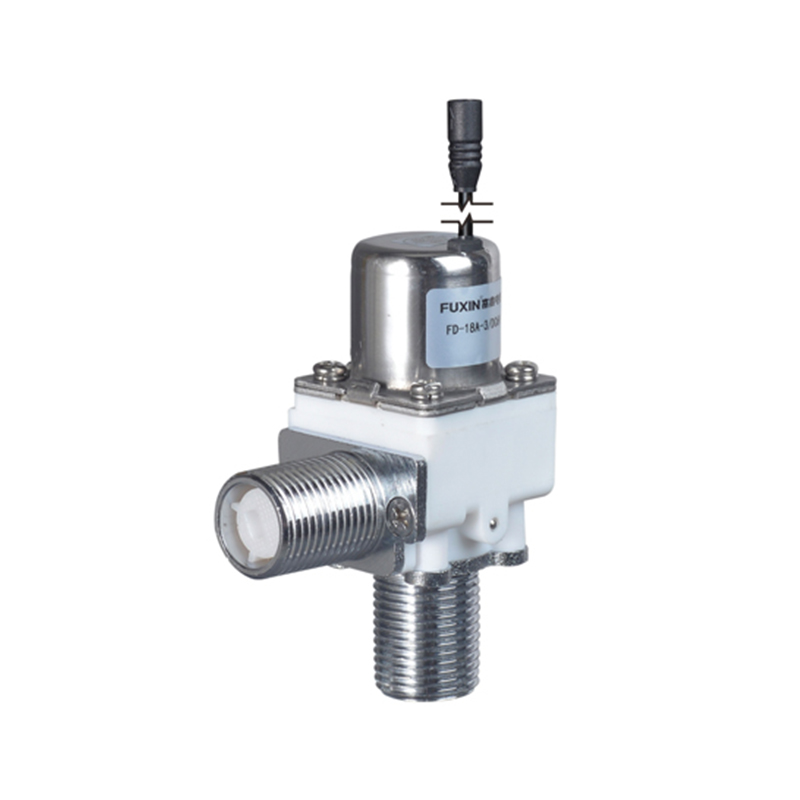
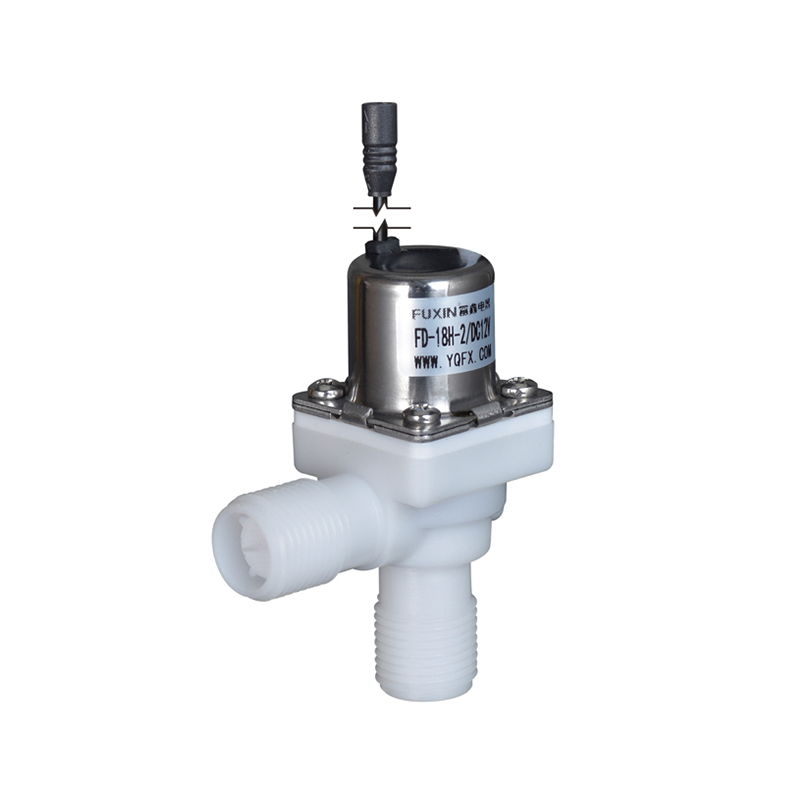
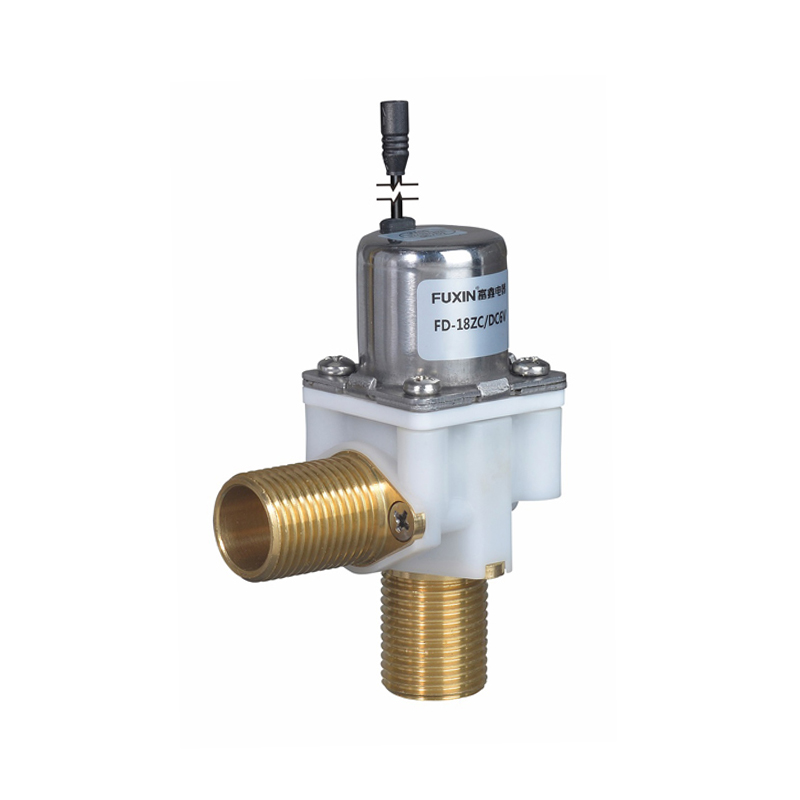
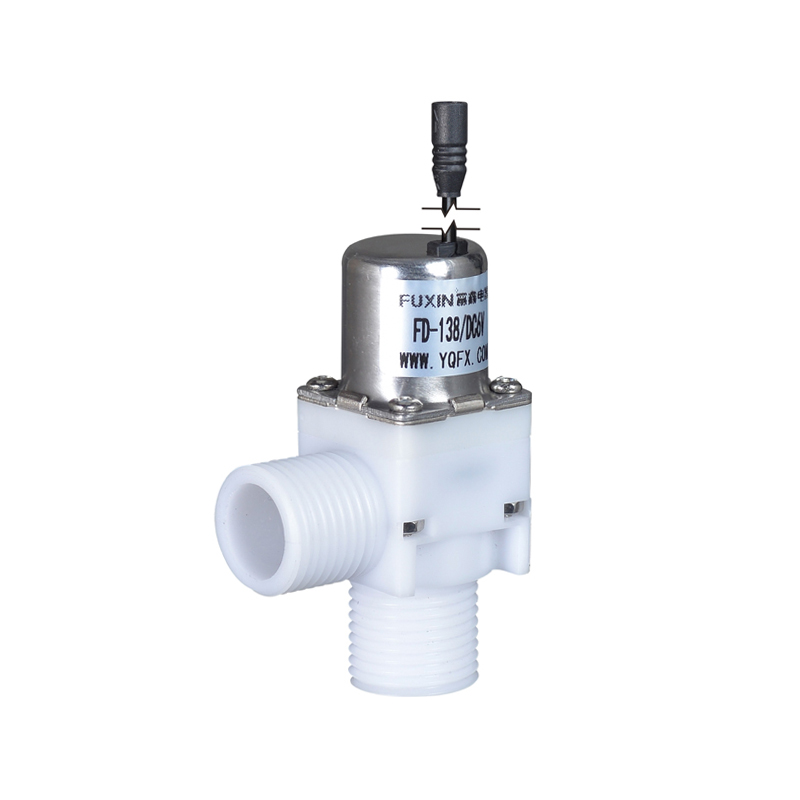
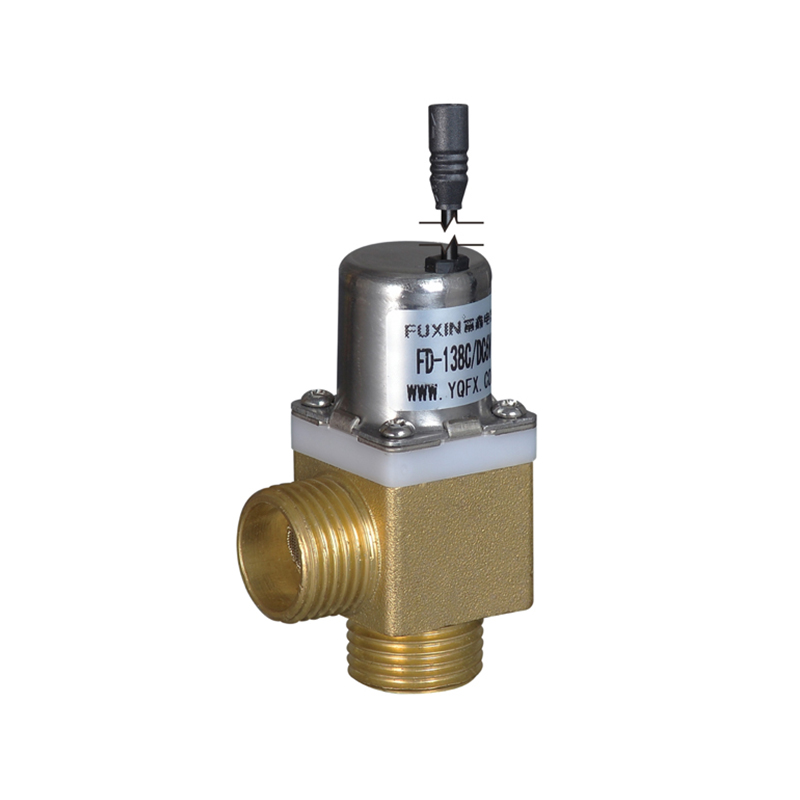
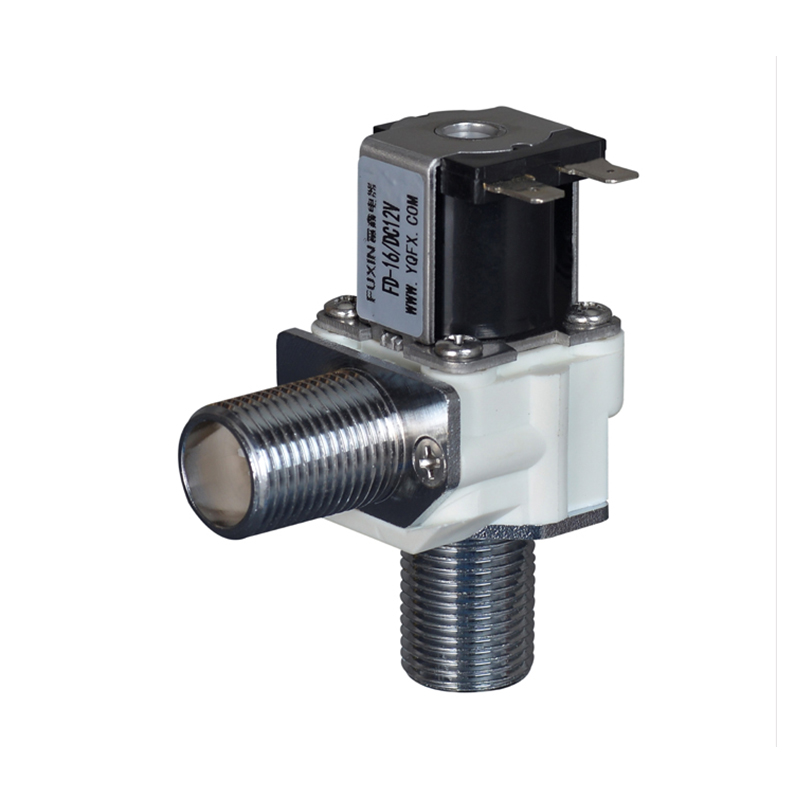
Battery-powered faucets, smart water controls, automatic flushing systems, and compact dispensing equipment all face this same challenge. A Latching Valve Solenoid offers a way to control fluid movement while reducing the need for continuous electrical input during normal operation.
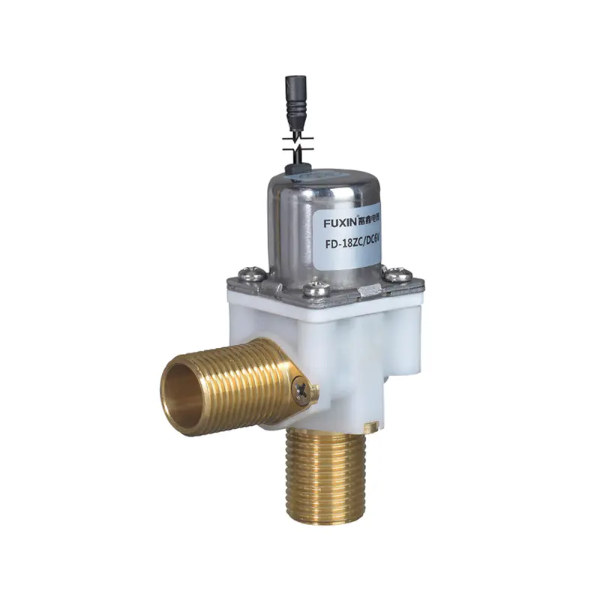
Instead of requiring constant power to maintain every valve position, a latching design can change state through a short electrical signal and remain in that position afterward without draining anything further. This operating approach can fit devices where energy use needs managing between individual actions rather than running nonstop.
The idea is particularly relevant to smart water products because many of them sit idle for long stretches of the day. A faucet may only need to open when a user actually approaches the sink. An automatic flushing system may remain inactive until a specific action gets detected nearby.
The control system therefore doesn't need to operate continuously just because the device happens to be connected to a battery.
What Makes a Latching Valve Solenoid Different From a Conventional Solenoid?
A solenoid valve uses an electrical signal to control the movement of a valve inside a fixture. In a conventional arrangement, electrical power may need to remain available while the valve is being held in a particular state, drawing current the whole time.
A latching design approaches this quite differently. A Latching Valve Solenoid can use a brief control pulse to change the valve position and then maintain that position without requiring continuous electrical input afterward.
This creates a useful distinction between changing a valve state and simply holding that state over time.
| Control Approach | Typical Operating Idea |
|---|---|
| Continuous control | Power remains involved while the valve state is maintained |
| Latching control | A brief signal changes the valve state |
| Battery-oriented control | Energy is used mainly when an action occurs |
| Smart control | Signals are triggered according to detected needs |
The practical value here depends on the complete device design, not the solenoid alone. The controller, power source, sensors, valve, and software logic all need to work together in concert.
A latching valve doesn't automatically make an entire product low-power on its own. It provides a component-level approach that can help designers plan how electrical energy actually gets used across the whole system. This distinction matters when developing compact products that spend much of their operating time simply waiting for the next user action.
How Can Latching Solenoid Technology Support Battery-Powered Devices?
Battery-powered equipment has a fairly simple limitation built into it. The available energy is finite, whether it's a set of AA batteries or a rechargeable pack tucked behind a wall panel.
Every electrical action consumes part of that available energy, so unnecessary operation can shorten the time between battery changes or charging cycles. A latching solenoid can fit this type of system well, since the valve doesn't necessarily need continuous electrical input to remain in its selected state.
For a smart faucet, the valve may stay closed until a sensor detects someone reaching toward it. The controller can then send a short signal to open the valve for that moment.
After the required operation finishes, another signal can return the valve to its previous state. The system can remain largely inactive between these individual actions, which adds up over a full day of use.
This proves useful for devices installed in locations where regular access to a power outlet is genuinely inconvenient. Examples may include public facilities, remote wash areas, portable water equipment, and compact battery-powered products tucked into tight spaces.
| Device Situation | Possible Role of Latching Control |
|---|---|
| Battery-powered faucet | Opens water flow when needed |
| Automatic flushing unit | Activates flushing after a detected action |
| Smart dispenser | Controls release during a selected operation |
| Portable water device | Supports intermittent operation |
| Sensor-based fixture | Responds to user detection |
Energy management becomes a lot more practical when the device gets designed around actual usage, rather than continuous operation running in the background. The control system can wake, respond, change the valve state, and return to an inactive condition without wasting power in between. This approach can help reduce unnecessary electrical activity over the life of the device.
Why Is Pulse Control Important in Low-Power Applications?
Pulse control is closely connected with the way a latching solenoid actually operates day to day. Instead of treating the valve as a component that must remain electrically active at all times, the control system can treat valve movement as a discrete action.
The controller sends a pulse whenever a change is required. Once the valve has moved to the requested position, the electrical signal can stop right there.
This makes the control process genuinely event-based, rather than running on a constant loop. A sensor, for example, may detect a person standing near an automatic faucet at a public restroom.
The controller interprets that detection and sends a signal to the Faucet Solenoid tucked inside the fixture. The valve changes state and allows the required water flow to begin.
When the user moves away or the programmed action ends, the controller can send another signal to change the valve state back again. The exact control sequence depends on the product design in question.
The broader principle stays that electrical energy is associated with the transition itself, rather than continuously maintaining the valve position hour after hour.
| Control Event | System Response |
|---|---|
| User detected | Controller sends opening signal |
| Water use begins | Valve remains in selected state |
| User leaves | Controller sends closing signal |
| System becomes idle | Electrical activity returns to standby |
This type of operation can make a lot of sense for devices that spend more time waiting than actively operating. It also gives designers a clearer way to think about energy consumption right at the control level, rather than guessing at it later.
How Does a Solenoid Valve for Faucet Fit Smart Water Devices?
Smart water products often combine sensors, controllers, power sources, and valves into one working unit. The sensor detects a user or a change in the surrounding environment near the fixture.
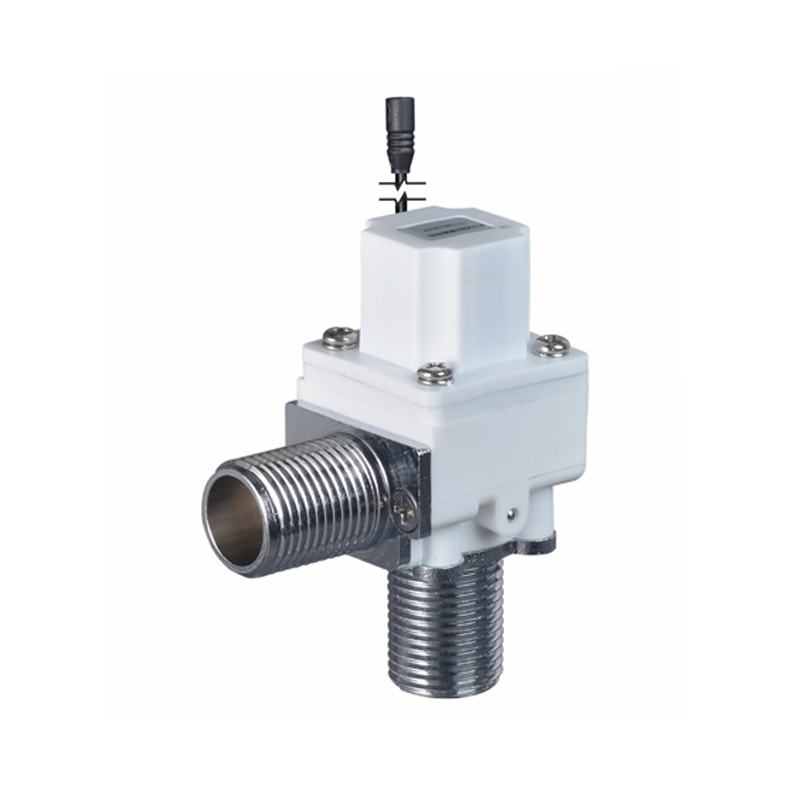
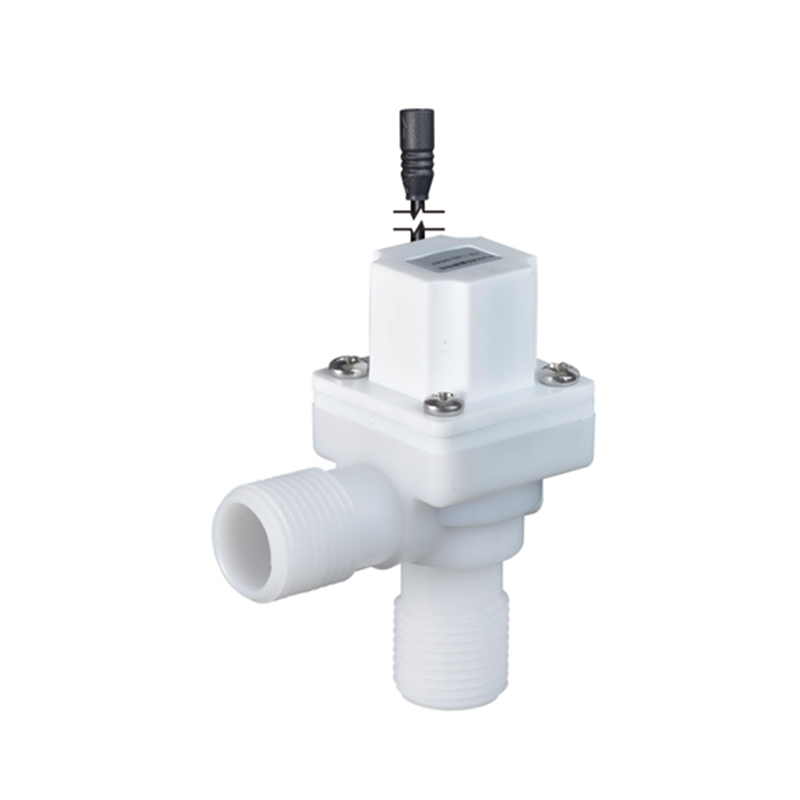
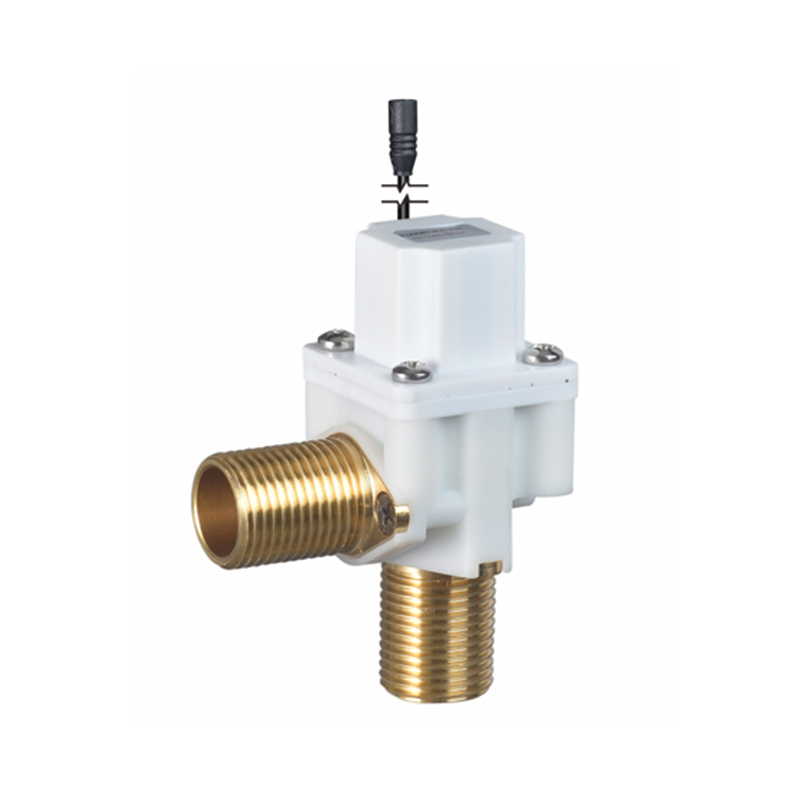
The controller processes that input almost instantly. The valve then responds to the control signal it receives. A Solenoid Valve for Faucet can serve as the physical part that controls water flow within this whole sequence.
When paired with latching operation, the valve can respond to short control signals, rather than relying on continuous electrical activation the whole time it's mounted. This proves useful for touchless faucets and other automated water fixtures found in airports, offices, and public restrooms.
The system can remain inactive when nobody's using the faucet at all. Once a user gets detected, the control circuit can activate the valve right away.
After the required water flow finishes, the system can return the valve to its selected resting state. The smart function therefore comes from the interaction between several components working together, rather than the solenoid acting alone.
| Smart Device Part | Main Role |
|---|---|
| Sensor | Detects user activity or surrounding conditions |
| Controller | Determines when a valve action is needed |
| Power source | Provides electrical energy for control |
| Solenoid valve | Controls water flow |
| Software logic | Defines how the system responds |
This structure can also support different control strategies depending on the product. A manufacturer may design the system around motion detection, touch input, timed operation, or another suitable trigger entirely. The latching valve provides the physical response to whatever those control decisions turn out to be.
How Can Latching Control Support Automatic Urinal Flush Systems?
Automatic flushing systems provide another practical example of intermittent operation worth walking through. An Urinal Flush system doesn't need to operate continuously throughout the day at all.
It only needs to control water flow when a flushing action is actually required. This makes it a fairly natural application for event-based valve control.
A sensor can detect when a user has completed a particular interaction with the fixture in front of them. The controller can then activate the solenoid valve according to the programmed sequence built into the unit.
A latching design can allow the valve to change state through a short signal, rather than remaining electrically energized throughout the entire operation. This can support battery-powered flushing systems where energy management is baked into the product design from the start.
The control process may involve several stages worth outlining.
- The sensor detects a relevant change.
- The controller evaluates the input.
- A signal is sent to the valve.
- The valve changes state.
- The flushing action takes place.
- The valve returns to the required state.
The actual sequence depends on the fixture and control system installed. The useful idea here is that the valve only needs electrical attention when its state actually needs to change, not every second in between.
This can simplify the energy strategy for an automatic flushing device considerably. It can also support installations where wiring a continuous power supply is genuinely inconvenient, like a retrofit in an older building.
What Role Does Energy Management Play in Smart Solenoid Systems?
Energy management is not simply about reducing electricity use across the board. It also involves deciding when electrical activity is actually needed.
A smart control system may spend much of its time waiting for an input from a sensor. During this inactive period, keeping a valve electrically energized may not serve any useful purpose.
A latching solenoid can help separate active control from standby periods cleanly. The controller can remain ready to respond while the valve maintains its current state without continuous electrical input draining the battery.
This creates a genuinely practical relationship between valve design and system-level energy management as a whole.
| Energy Management Stage | Design Consideration |
|---|---|
| Standby | Keep unnecessary electrical activity low |
| Detection | Monitor for a relevant user action |
| Valve change | Apply the required control signal |
| Active operation | Maintain the required fluid state |
| Return to standby | Avoid unnecessary continuous control |
This approach can be useful for smart devices with long idle periods, including bathroom fixtures that remain inactive for extended parts of the day. A device does not need to perform the same electrical activity throughout every stage of its operating cycle. Designers can identify when energy is actually needed and build the control strategy around those points. This can also make the overall system easier to understand and adjust later.
How Can Latching Valve Solenoids Work With Smart Sensors?
Sensors provide the information that tells a smart device when something has actually changed nearby. A faucet sensor may detect the presence of a user's hands reaching under the spout.
A flushing system may monitor activity around a fixture throughout the day. A dispenser may respond to a touch or proximity signal from someone standing close by.
The sensor itself doesn't control water flow directly, though. It sends information to the control system instead. The controller then decides whether the valve needs to change state based on that input.
A Latching Valve Solenoid can respond to that decision through a suitable electrical pulse sent at just the right moment. This creates a fairly simple chain worth picturing:
Detection → Decision → Pulse → Valve movement → Fluid control
The value of this arrangement comes down to coordination between the parts. A sensor that detects an action too frequently could create unnecessary valve activity that drains the battery faster than needed.
A controller with poorly planned timing could also cause unwanted operation nobody asked for. Good system design therefore considers the sensor and solenoid together as a pair, not as separate parts bolted on. The objective stays making the valve respond only when there's a genuine need for fluid control. This can help smart products balance convenience with practical energy use over months of daily service.
What Should Manufacturers Consider When Designing Low-Power Solenoid Controls?
A low-power product requires a lot more than simply selecting a latching valve off a catalog page. Manufacturers need to consider how the complete control system behaves during normal use in the field.
The power source should match the expected operating pattern for that device. The controller should recognize when a valve needs to change state without hesitation.
The sensor should provide useful input without creating unnecessary activity that wastes power. The valve should respond consistently to the intended control signals every single time.
The surrounding mechanical and fluid system also needs to match the product application it's built for. For a Faucet Solenoid, the design may focus on frequent short interactions throughout a busy day.
For a Solenoid Valve for Faucet, the control system may need to coordinate closely with touchless sensing hardware. For an Urinal Flush product, the valve may operate only after a specific user sequence completes. These applications share the same general idea but carry genuinely different operating conditions on the ground.
Manufacturers can consider the following areas during product development.
| Design Area | Practical Question |
|---|---|
| Power source | How will the device receive and manage energy? |
| Control logic | When should the valve change state? |
| Sensor input | What user action should trigger a response? |
| Valve selection | Does the valve suit the intended application? |
| Maintenance | Can the system be checked and serviced conveniently? |
| Product use | How will customers interact with the device? |
This application-focused approach can help avoid unnecessary complexity creeping into the design. It also allows the control system to be designed around actual user behavior, rather than a generic assumption pulled from a spec sheet.
How Can Latching Valve Technology Fit Future Low-Power Product Design?
Low-power control is becoming relevant across many types of smart equipment used in homes and public spaces. As everyday products increasingly rely on sensors and electronic controls, designers need practical ways to manage energy during the long inactive periods that make up much of a device’s operating life.
Water fixtures provide a clear example because many of their actions are short and event-driven by nature. A faucet waits for a user to walk up. A flushing system waits for a trigger somewhere nearby. A dispenser waits for a request from a hand or a touch.
These products don't need the same level of electrical activity at every single moment of the day. A latching valve can support this operating pattern by separating valve state changes from continuous electrical control running underneath everything.
For manufacturers, this creates a lot more flexibility when developing battery-powered or energy-conscious products headed to market. The concept can also fit compact smart devices where available space and power resources need to be considered together from the design phase onward.
As product designers continue combining sensors, controllers, and automated fluid control into single units, the role of the valve becomes part of a wider energy management strategy across the whole device. A Latching Valve Solenoid can provide a practical link between a short electrical command and a maintained fluid-control state, making it relevant to smart faucets, automatic flushing systems, and other intermittent-use devices found throughout daily life.