
 EN
EN English
 Español


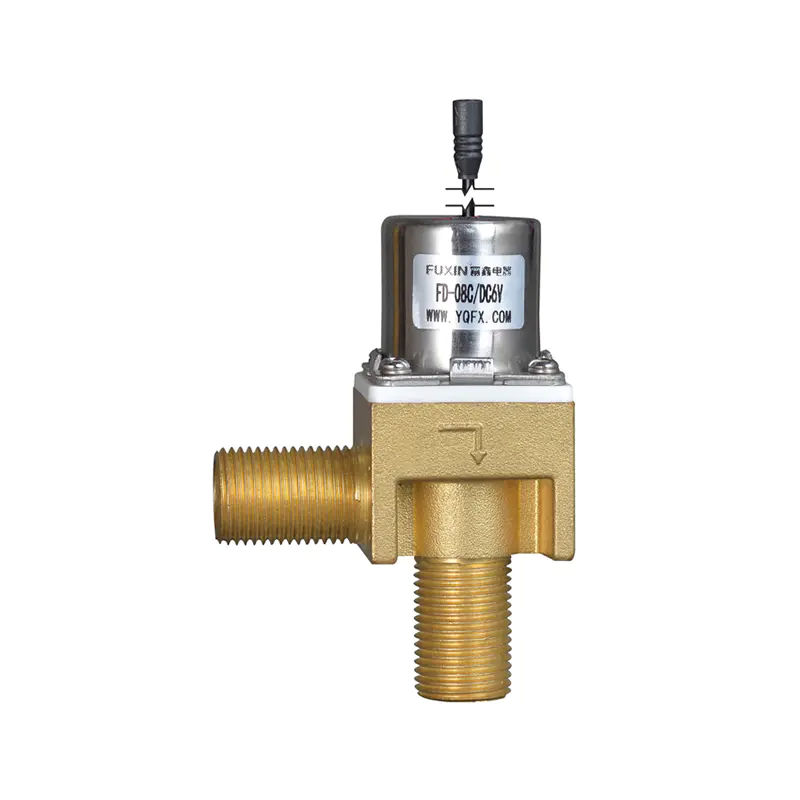
Water-saving systems keep getting tied more closely to automatic control. In homes, commercial buildings, public facilities, and smart bathroom setups, water fixtures increasingly need to respond to actual use rather than staying open longer than they have to. That's raised interest in compact components that can control water flow through electrical signals instead of a hand on a lever. A Latching Solenoid Valves design supports this kind of system by controlling when a water passage opens or closes, while only needing power the moment the valve actually changes state. That approach works well in fixtures that don't need continuous electrical input just to stay put in their current position. Rather than treating water control as a plain mechanical action, designers can build the valve into a wider system that reacts to sensors, switches, timers, or other control signals. That puts solenoid valve choice right at the intersection of water management and fixture design.
How Latching Solenoid Valves Work in Water-Saving Applications
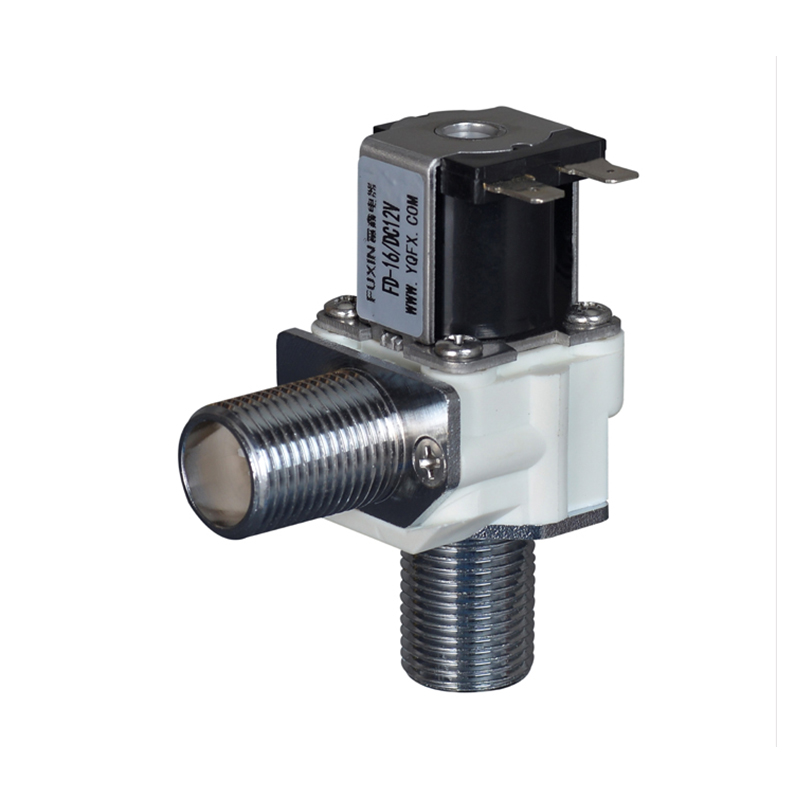
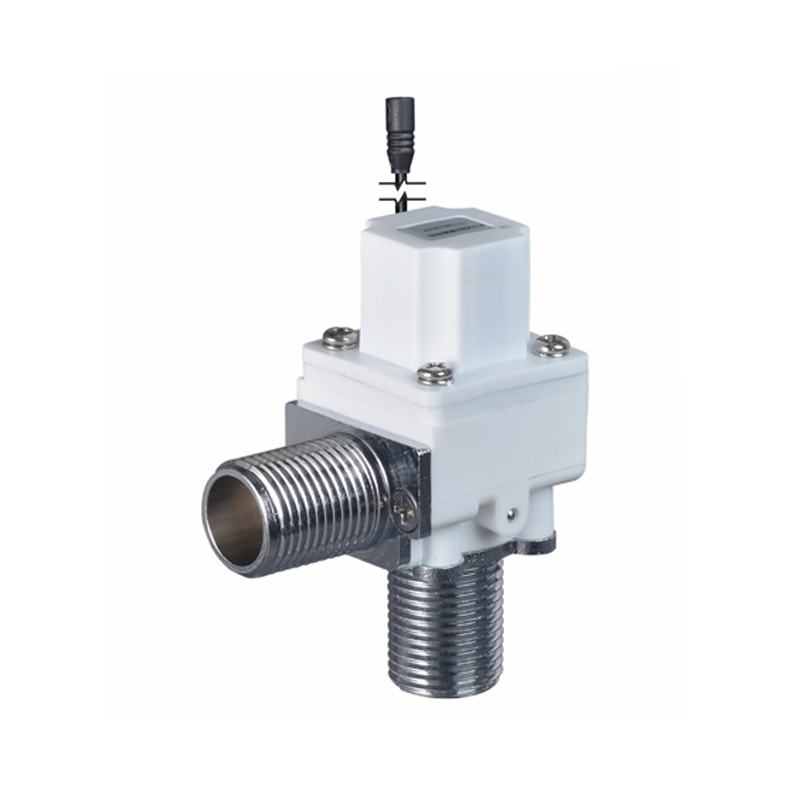
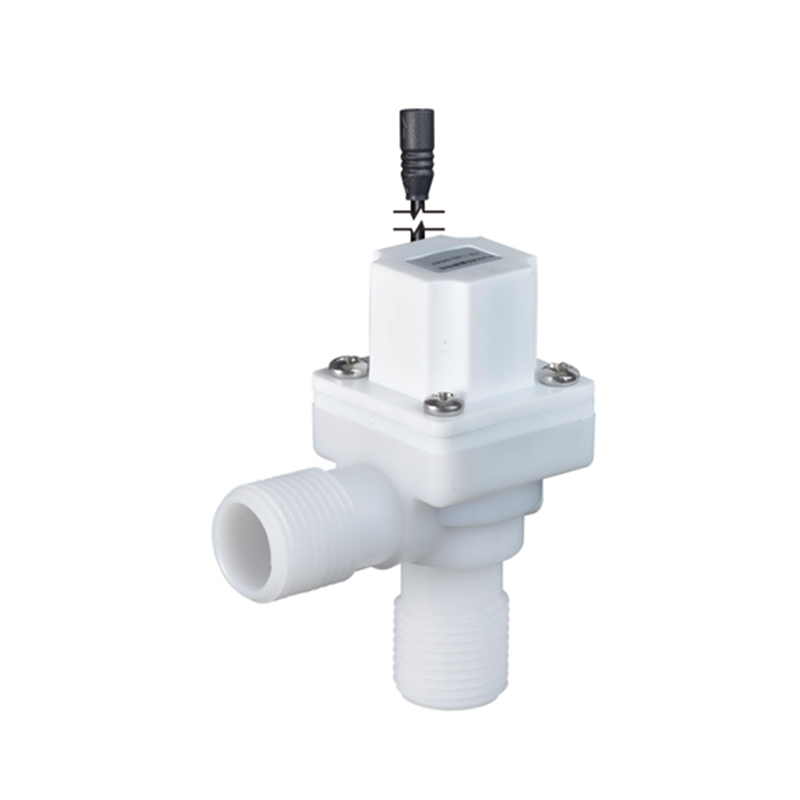
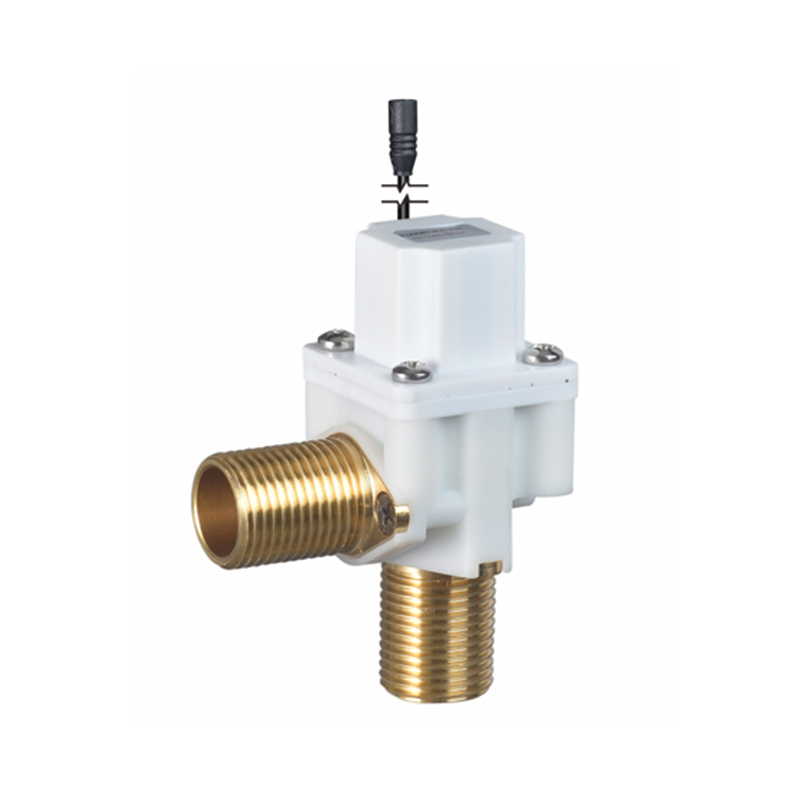
A latching solenoid valve uses an electrical signal to shift its flow position, then stays in that position without needing continuous power to hold it there.
That's genuinely useful in water-saving equipment, since the control system only needs to send a signal when water should start or stop, instead of powering the valve the entire time it sits open or closed.
The exact design shifts depending on the application, but the underlying idea stays simple.
| Control Requirement | Role of a Latching Valve |
|---|---|
| Automatic water release | Opens when the control system requests flow |
| Water shutoff | Closes when the system sends a closing signal |
| Sensor-based operation | Responds to an external control signal |
| Intermittent use | Changes state only when needed |
| Smart fixture control | Works as part of an automated water system |
That makes the valve well-suited to fixtures running in short usage cycles. A faucet, say, only needs water while someone's actually washing their hands. A flush system only needs water for the defined moment of flushing itself.
The valve becomes part of the actual control process rather than sitting there as a passive pipe connection between the water supply and the fixture.
Why a Faucet Solenoid Helps With Automatic Dispensing
Traditional faucets run on manual movement — someone turns a handle, water flows, and the handle gets moved again once they're done.
Automatic fixtures handle this differently. A Faucet Solenoid works with a sensor or electronic controller to manage water flow without needing anyone to touch a conventional handle at all.
That's genuinely helpful in public bathrooms, commercial buildings, healthcare settings, and anywhere else hands-free operation actually matters — think of a hospital sink where staff shouldn't need to touch a faucet handle between patients.
The control system detects a user and activates the valve based on however the fixture's designed. Once that action wraps up, the valve closes the water path again.
That creates a direct link between what a user is doing and when water actually shows up.
| Faucet Type | Water Control Approach |
|---|---|
| Manual faucet | User operates the handle |
| Sensor faucet | Electronic system controls flow |
| Smart faucet | Control may combine sensors and other functions |
| Public-use faucet | Automatic operation can reduce unnecessary handling |
The actual water-saving effect comes from the control strategy, not the valve sitting there on its own. A well-built system cuts down on the stretches where water keeps flowing after someone's already finished at the sink. How much water actually gets used still depends on the faucet's overall design, the control logic behind it, how it's installed, and how people actually use it.
How a Solenoid Valve for Faucet Supports Hands-Free Water Management
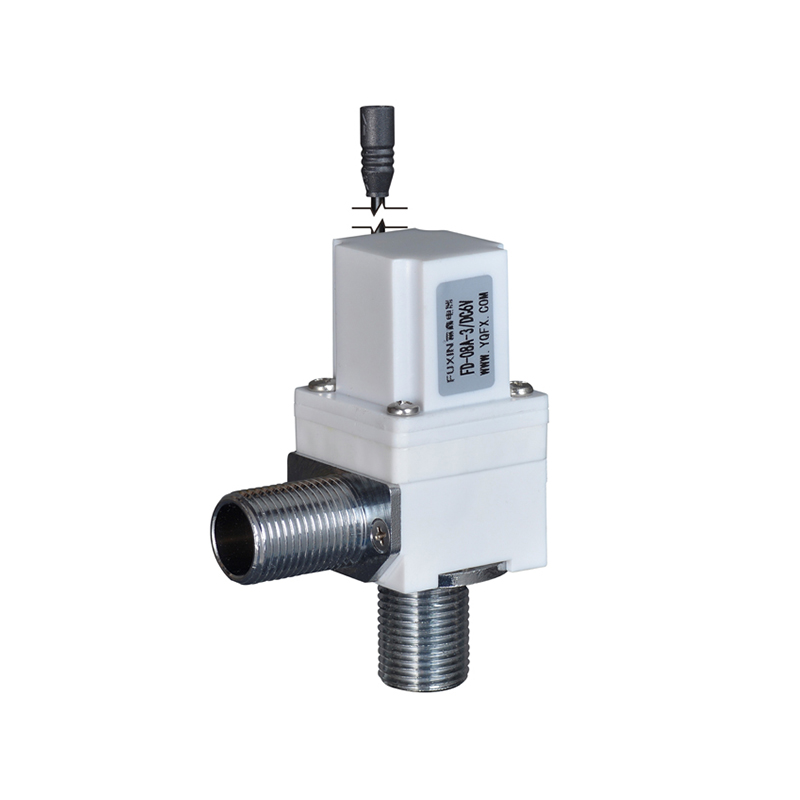
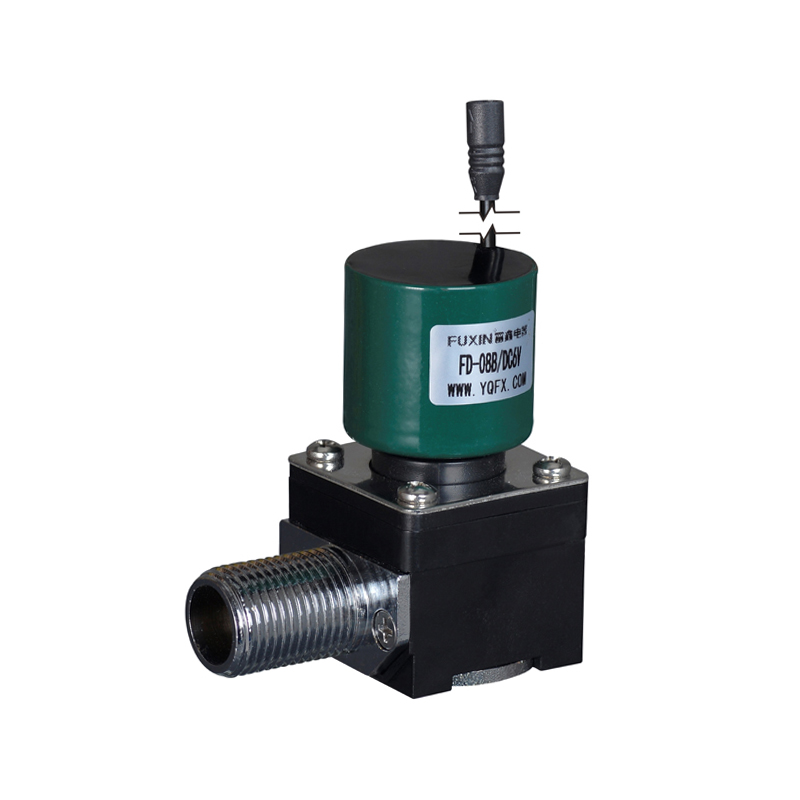
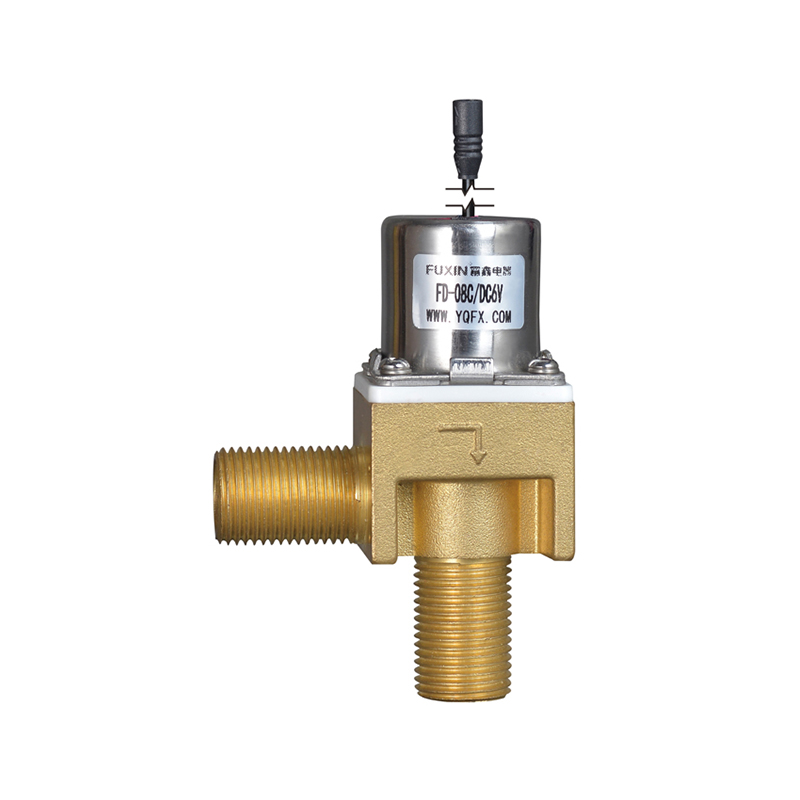
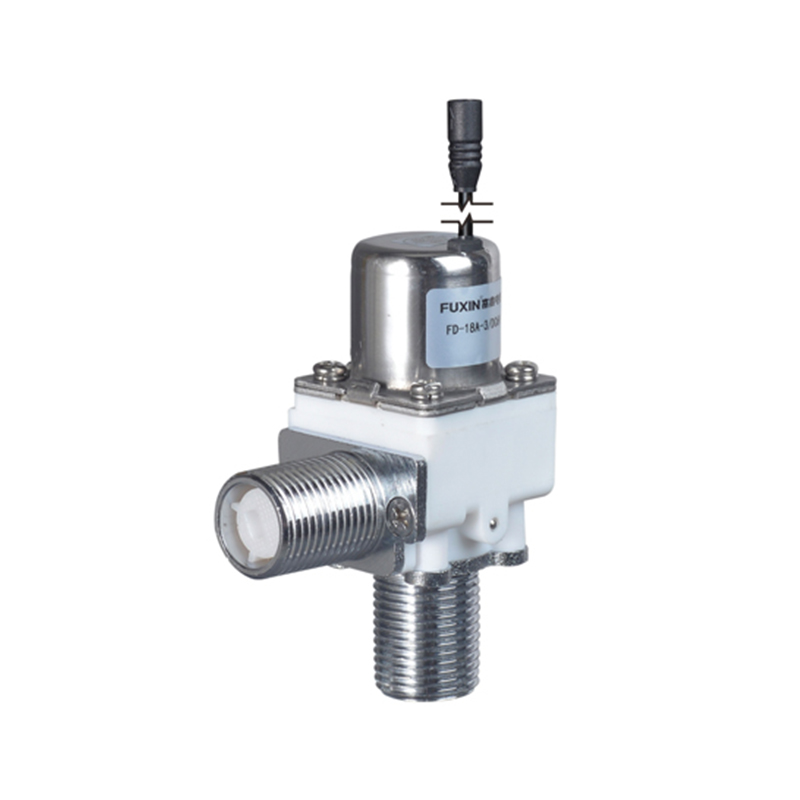
A Solenoid Valve for Faucet acts as the water-control piece inside an automatic faucet system.
The faucet might use a sensor to pick up on a hand or some other intended action. That sensor sends a signal to the controller, which then operates the valve.
Water flows for as long as the system determines it's actually needed. Once the person steps back or the control condition changes, the valve closes again.
This arrangement keeps the physical water outlet separate from the electronic decision steering it — a distinction that matters when things need troubleshooting later.
| System Part | General Function |
|---|---|
| Sensor | Detects intended user activity |
| Controller | Processes the control signal |
| Solenoid valve | Opens or closes the water path |
| Faucet outlet | Delivers water to the user |
| Power source | Supports electronic operation |
What comes out of this is a fixture that responds to actual use rather than depending entirely on manual operation. For facility managers, this kind of setup also makes water management easier to standardize across a whole building's worth of fixtures.
Different rooms can share the same control principles even while the fixture design itself gets adjusted for the specific space. That matters a lot in places where a lot of people pass through and use the same water outlets over and over throughout a day.
The Role of a Urinal Flush Solenoid Valve in Flush Control
Flush systems run on a different pattern than faucets do. A faucet stays active while someone's washing up, but a urinal flush normally kicks in as one defined action after use, not an ongoing process.
A Urinal Flush Solenoid Valve controls the water path once an automatic flush system gets the right signal to trigger it. The valve connects user detection with actually releasing water.
The system might use a sensor or another method entirely to decide when a flush should happen. The valve then handles the physical opening and closing action the fixture needs.
| Flush System Function | Valve Contribution |
|---|---|
| User detection | Receives a control instruction |
| Flush activation | Opens the water path |
| Flush completion | Closes the water path |
| Automatic operation | Reduces dependence on manual controls |
| Water management | Supports controlled release |
This kind of setup helps avoid the two common problems with manual flush handles — someone missing a flush entirely, or someone triggering one unnecessarily. How much water actually gets used depends on the whole flush system, not the valve in isolation.
That's why designers need to think about the valve alongside the sensor, controller, plumbing setup, and fixture as one combined package rather than picking each piece separately.
How Latching Valve Solenoid Design Fits Smart Bathroom Systems
Smart bathrooms pack several functions into one space. Automatic faucets, flush fixtures, soap dispensers, hand dryers, and other devices can all run through electronic controls at once.
A Latching Valve Solenoid fits naturally into that kind of setup, since it changes state on command and then holds that state without drawing continuous power the whole time.
That's useful when several fixtures are all operating intermittently rather than continuously. The control system only activates the relevant valve when a water-related function is actually needed at that moment.
| Smart Bathroom Function | Possible Control Relationship |
|---|---|
| Hand washing | Sensor activates faucet flow |
| Urinal flushing | User detection triggers flush control |
| Water shutoff | Controller closes the valve |
| Fixture monitoring | System coordinates operating states |
| Automated operation | Electronic signals replace manual activation |
The value of a latching design here ties directly to system architecture — it gives a controlled interface between electrical instructions and actual water movement. That makes the component relevant to anyone designing bathroom fixtures aiming to combine convenience with controlled water use.
A smart bathroom doesn't need every single component running all the time. Individual devices can just respond whenever their function is actually called for.
Can Latching Solenoid Valves Cut Down Unnecessary Water Flow?
Water-saving design usually starts by cutting unnecessary operation wherever it shows up. A faucet left running after hand washing wastes water. A flush system triggered at the wrong moment does the same thing without serving any real purpose.
Automatic control tackles this by tying water release to specific conditions instead of leaving it up to habit or a handle someone forgot to shut off.
A latching valve supports that by changing state whenever the control system requests it. The valve itself doesn't decide how much water gets used — that decision sits with the broader fixture and control design around it.
| Water Management Goal | Supporting Design Approach |
|---|---|
| Avoid continuous flow | Close the valve when use ends |
| Control automatic dispensing | Link valve operation to sensors |
| Manage flushing | Coordinate valve activity with flush controls |
| Reduce manual dependence | Use electronic activation |
| Support intermittent operation | Change valve state when required |
This distinction matters when talking about the product honestly. A solenoid valve shouldn't get described as independently guaranteeing water savings on its own. What it contributes depends entirely on how it's built into the complete system around it.
Good design puts the valve, sensor, controller, water path, and user interface into one coordinated operating process rather than treating any single piece as the whole solution.
What to Consider When Selecting Valves for Water Fixtures
Valve selection should start with the actual fixture and the environment it's going into.
A component built for an automatic faucet has different requirements from one meant for a flush system. Water path, installation space, control method, maintenance plan, and expected usage pattern all shape which valve makes sense.
A few practical questions help guide that decision during development.
How will the valve receive its control signal?
The electrical interface needs to match whatever controller or sensor system the fixture already uses.
Does the valve need to hold position without continuous power?
Intermittent operation often makes a latching design the right call for a given application.
Where will the valve be installed?
Available space and how connections get routed affect how easily the product integrates.
How will maintenance get handled?
The valve needs to stay accessible enough for inspection or replacement whenever that's needed.
What type of water fixture will it control?
A faucet, urinal, dispenser, or something else entirely can each call for a different configuration.
How does the valve fit the complete water management system?
The component should work with the sensor, controller, plumbing structure, and user interface as one unified system, not as a lone part bolted in.
These questions keep the valve from getting picked in isolation. A component that looks technically solid on paper can still turn out inconvenient if it doesn't actually fit the rest of the fixture's architecture.
How Valve Design Is Changing With Modern Water Management Needs
Water fixtures are increasingly built around controlled operation rather than plain mechanical action. That shows up clearly in automatic faucets, touch-free flush systems, and smart bathroom equipment showing up in more buildings every year.
These products depend on sensors, electronic controls, and water-control components all working together in sync. The solenoid valve's role has become part of that bigger design process rather than an isolated part chosen after everything else is settled.
Instead of treating the valve as a simple stand-in for a manual switch, manufacturers can think about how it shapes the whole user experience.
| Product Development Area | Design Direction |
|---|---|
| Faucet control | More responsive automatic operation |
| Flush systems | Coordinated activation |
| Water management | Controlled flow periods |
| Smart bathrooms | Integration with electronic systems |
| Component design | Easier system compatibility |
For manufacturers, that opens up real opportunities to build valves around specific fixture applications. A Faucet Solenoid might get designed around automatic dispensing needs, while a Urinal Flush Solenoid Valve focuses on flush control specifically. A Latching Valve Solenoid can serve applications where holding a valve state without continuous electrical input actually pays off.
The broader direction here points toward components that fit naturally into complete water-management systems rather than standing alone. As bathroom fixtures get more connected, valve design increasingly has to account for sensors, electronic controls, installation conditions, maintenance access, and how people actually experience the finished product day to day.