
 EN
EN English
 Español


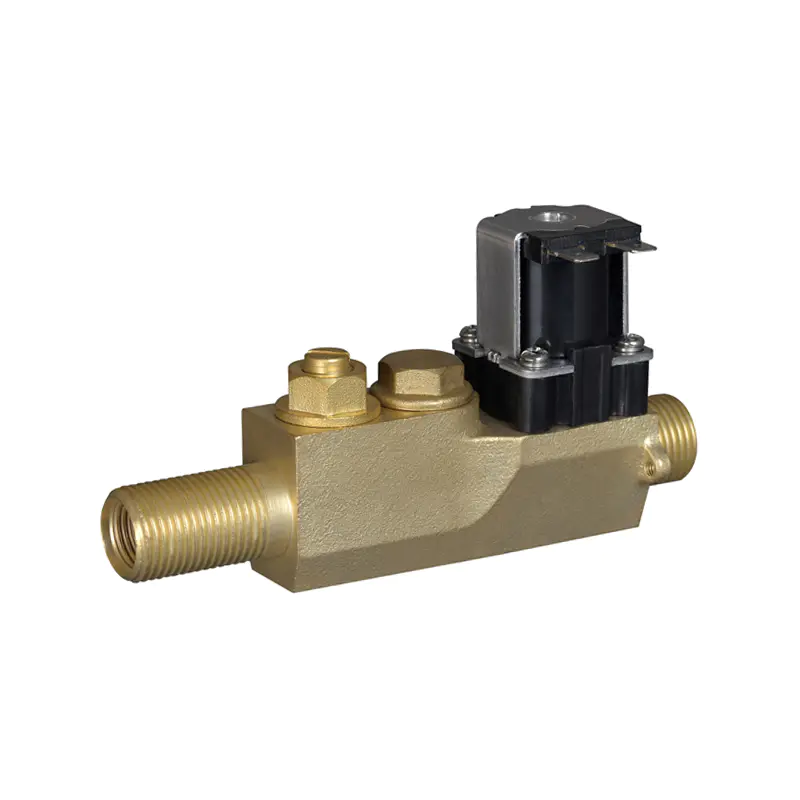
A facility manager fielding a third complaint this week about a urinal that flushes weakly on Monday and runs long on Wednesday, with no obvious pattern connecting the two, is dealing with exactly the kind of inconsistency that makes a Urinal Flush Solenoid Valve system genuinely tricky to diagnose. A urinal that flushes differently from one use to another can be genuinely frustrating for everyone involved, from the maintenance crew to the building occupants standing there waiting. Sometimes the water flow appears weak for no clear reason. At another moment, the flush may continue longer than expected, wasting water and raising questions from whoever notices the utility bill.
These problems aren't always caused by one component sitting somewhere in the system.
A flushing system depends on several parts working together in sequence, each one capable of introducing its own irregularity. Water must reach the valve properly, without interruption or restriction along the way. The control system must send the intended signal at the right moment. The valve must respond correctly once that signal arrives. Installation and routine maintenance can also influence the result considerably, sometimes more than the components themselves get credit for.
Understanding these relationships can help facility managers, installers, and equipment suppliers identify possible causes without immediately replacing the entire system on a hunch. It also provides genuinely useful direction when selecting components for public washrooms, commercial buildings, hotels, transportation facilities, and other frequently used spaces where reliability matters to everyone passing through.
Why Flushing Can Become Inconsistent
An automatic flushing system is designed to respond to a control signal and regulate water flow in a genuinely predictable way. When the result changes from one operation to another, something within that sequence may not be working consistently, even if nothing looks obviously broken to the naked eye.
The issue may begin with the water supply itself, upstream of the valve entirely.
If the incoming flow changes for any reason, the valve can't produce exactly the same result each time it activates. A partially restricted passage can create a genuinely similar effect, even when the valve mechanism is working fine on its own without complaint.
The control side can also influence operation considerably in ways that aren't obvious from outside.
A sensor or electronic control unit needs to recognize the intended action and send an appropriate signal without delay. If that signal is delayed or interrupted, the valve response may appear genuinely irregular to anyone watching the fixture.
Common areas worth checking include several distinct points scattered through the system.
| Area | Possible Influence on Flushing |
|---|---|
| Water supply | Affects available flow |
| Valve condition | Influences water release |
| Control signal | Determines activation |
| Installation | Can affect alignment and connections |
| Internal passages | May restrict normal flow |
| Maintenance | Helps preserve consistent operation |
The important point is that flushing performance is genuinely the result of a system, rather than a single part working in isolation from everything around it. Looking at the complete operating sequence often provides a genuinely clearer picture than examining the valve alone.
How Water Supply Status Affects Valve Performance
Water supply conditions have a genuinely direct relationship with flushing behavior, even when the valve itself is functioning properly on its own. Even a well-maintained valve can't compensate for an inconsistent supply changing the amount and speed of water reaching the fixture.
A supply line may experience changes caused by other fixtures operating at the same time nearby, pulling pressure away momentarily during a busy stretch. Restrictions can also develop through deposits or debris accumulating over months of normal use. In older installations, connections may become genuinely less secure over time, or passages may gradually become less clear as mineral buildup accumulates along the inside.
When the available water changes, users may genuinely notice differences in flushing right away without anyone flagging it formally.
A useful inspection should consider whether the problem occurs throughout the building or only at one fixture in particular. If several fixtures show genuinely similar behavior at the same time, the issue may relate to the shared water supply, rather than an individual valve acting up on its own.
If only one urinal behaves differently from its neighbors, attention can shift toward the local valve, connection, installation, or fixture itself specifically.
This simple comparison can prevent genuinely unnecessary component replacement that wouldn't have fixed the actual problem anyway.
What Role the Solenoid Valve Plays
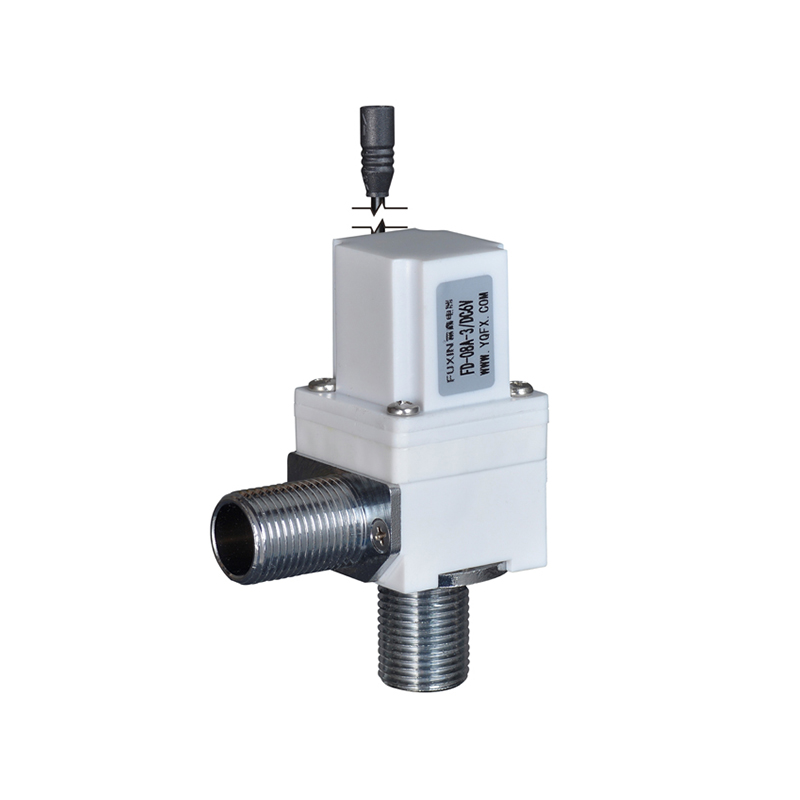
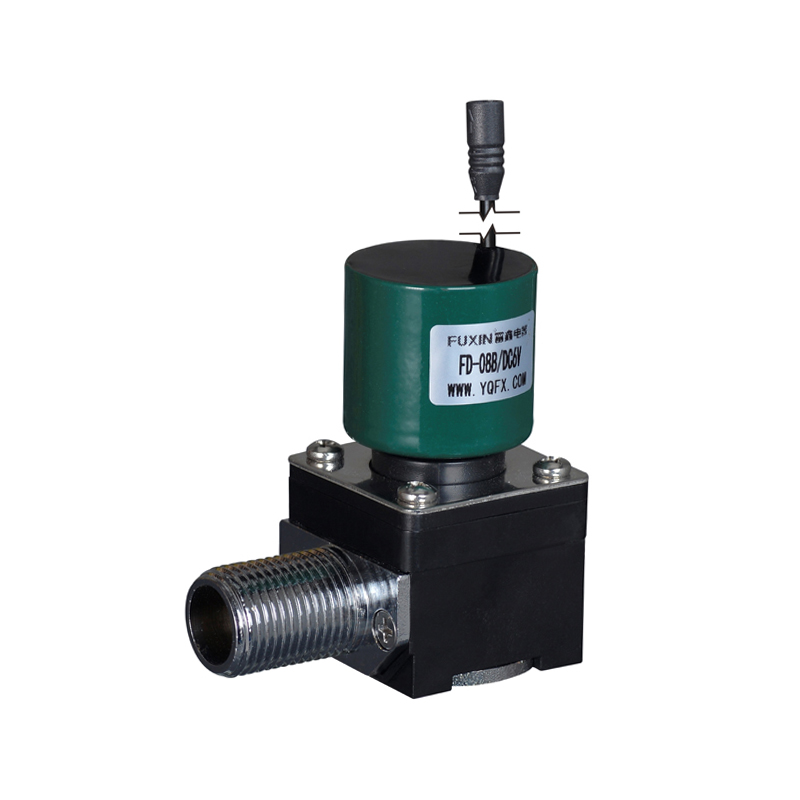
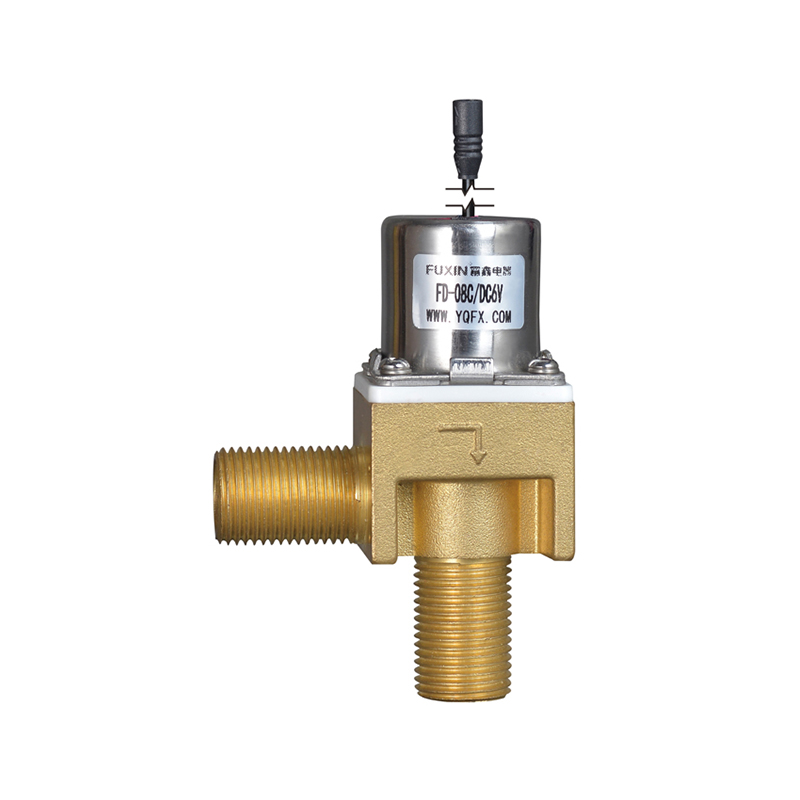
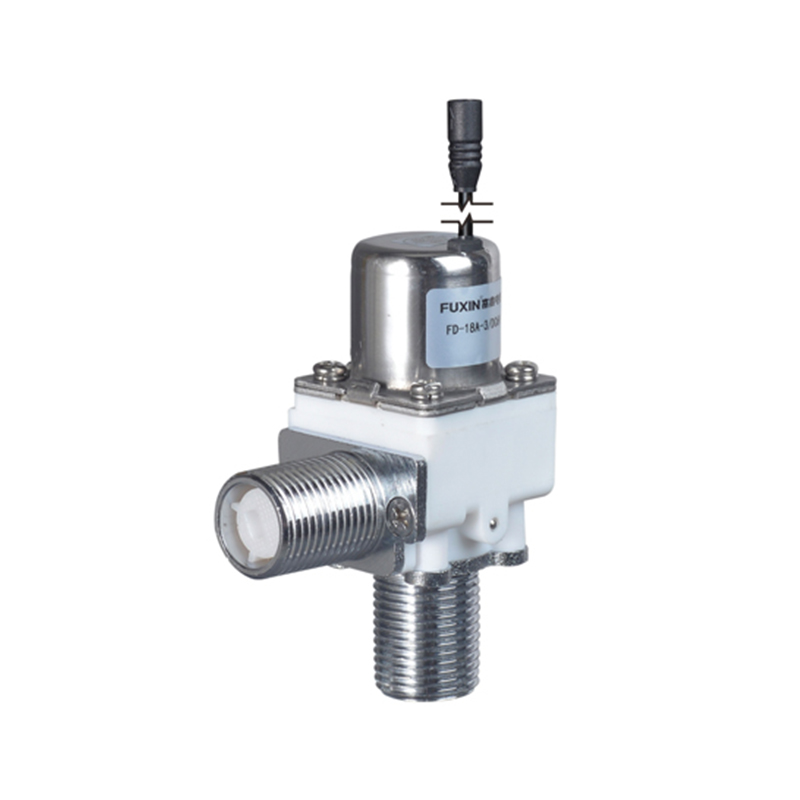
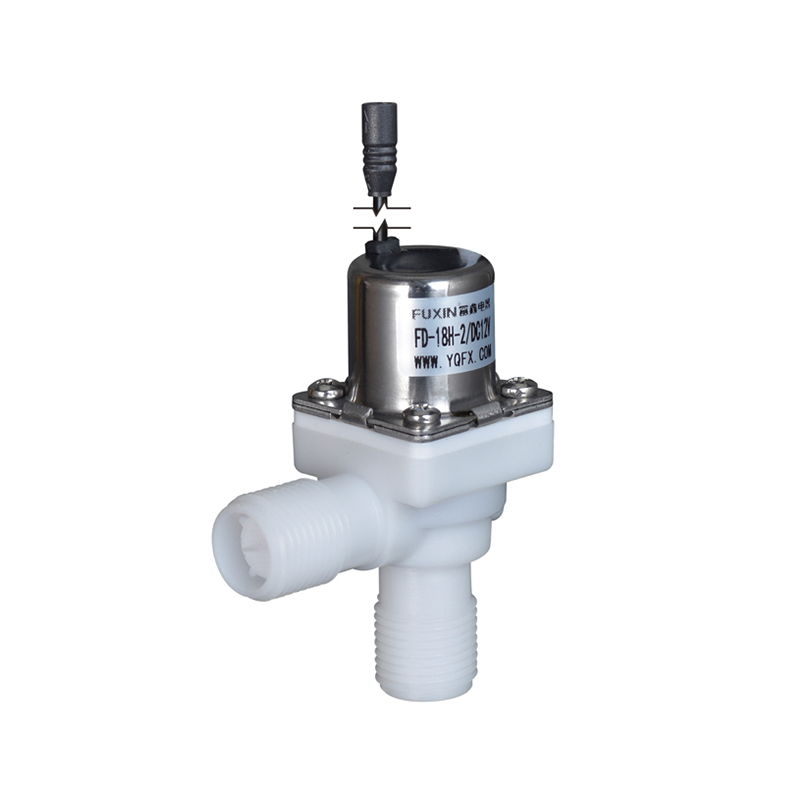
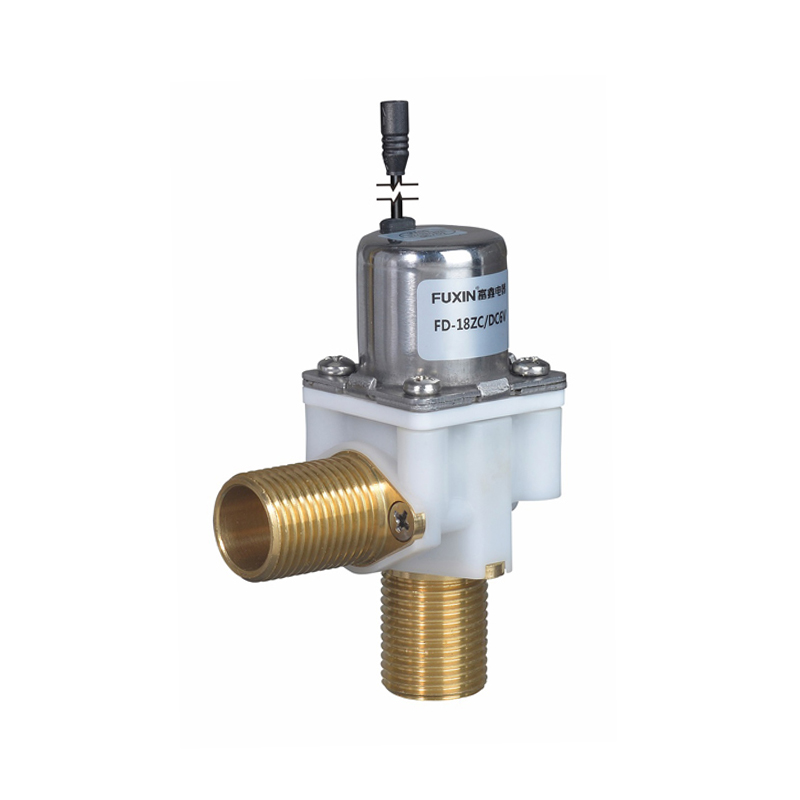
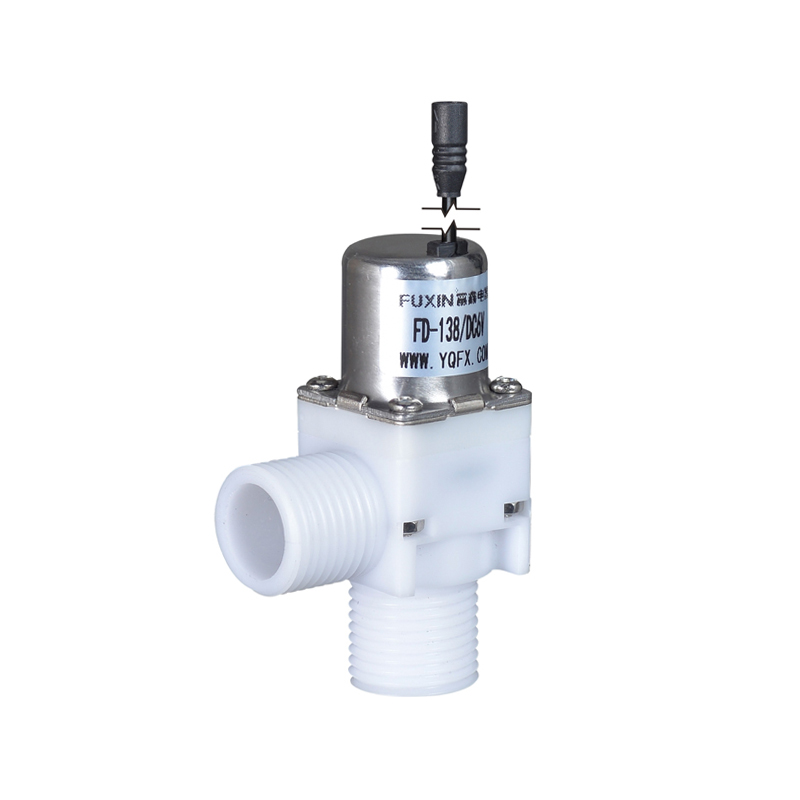
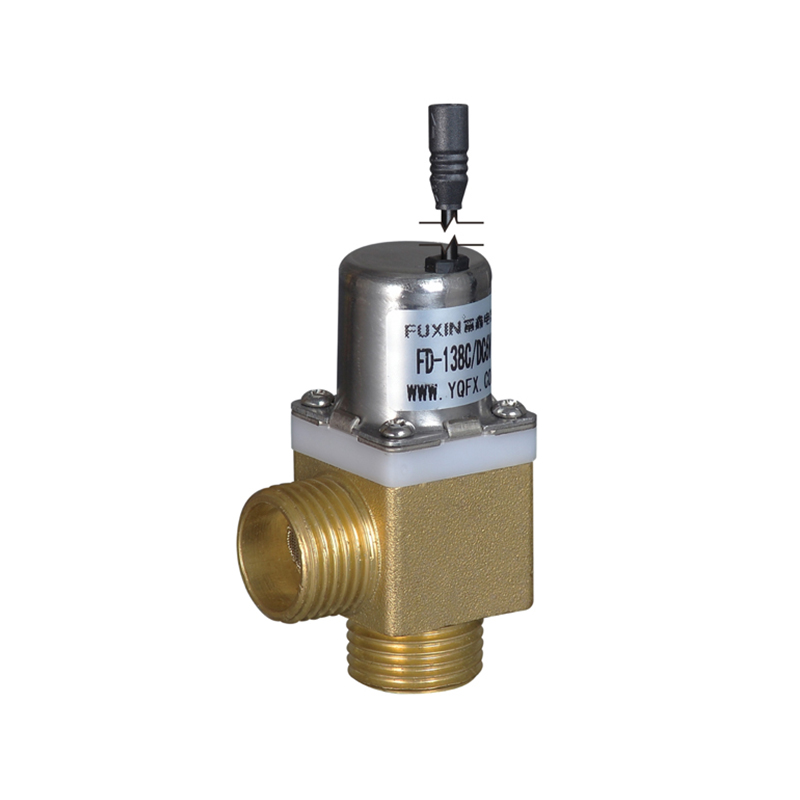
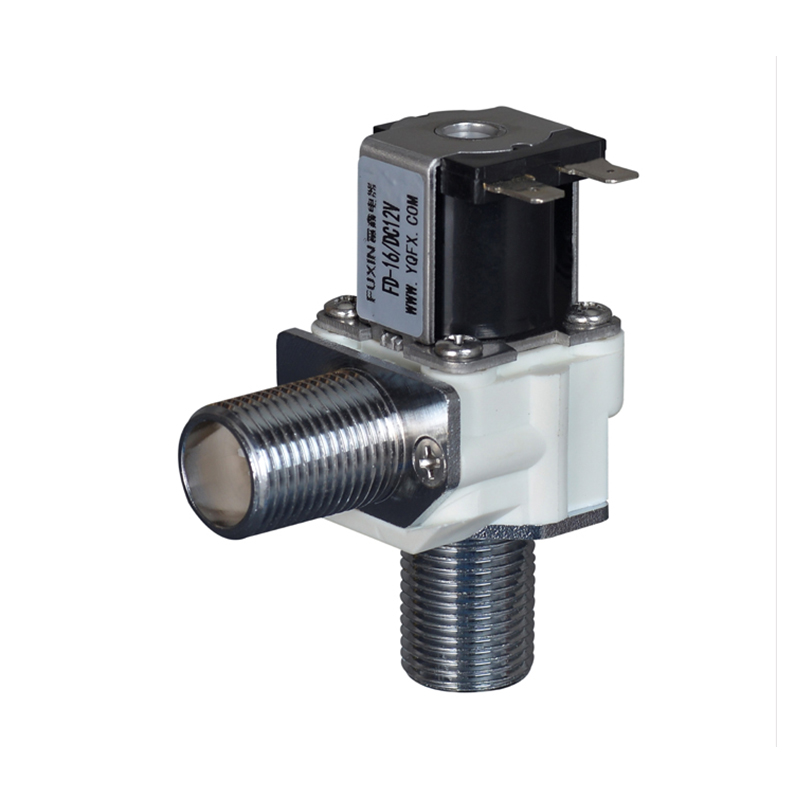
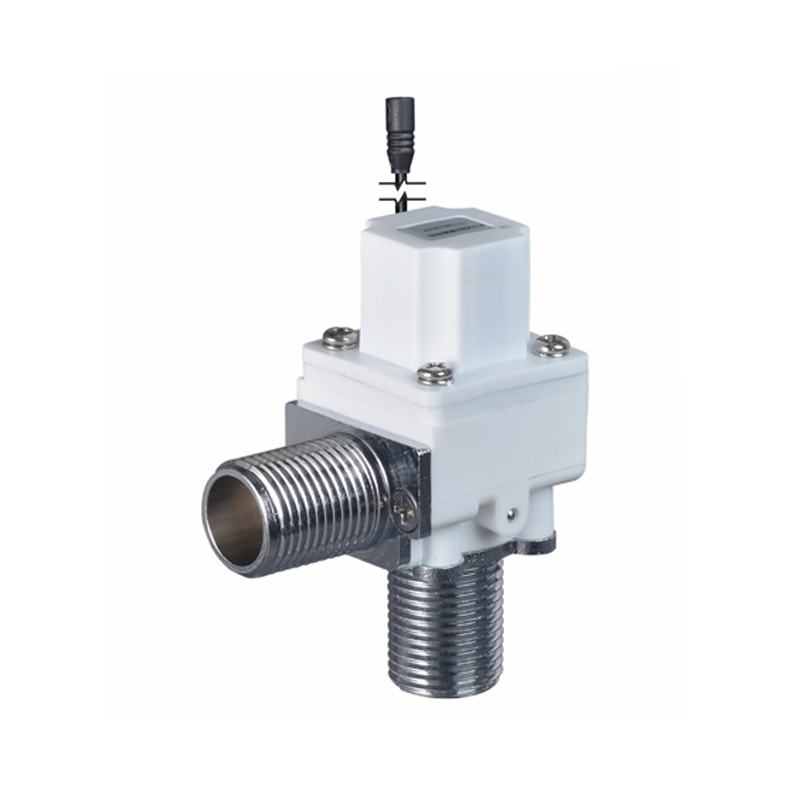
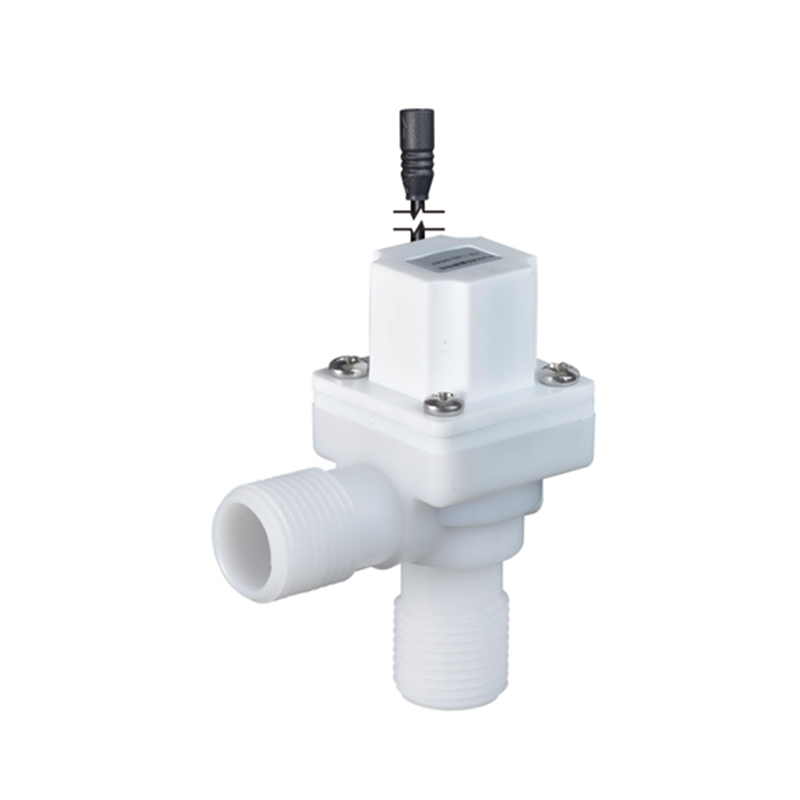
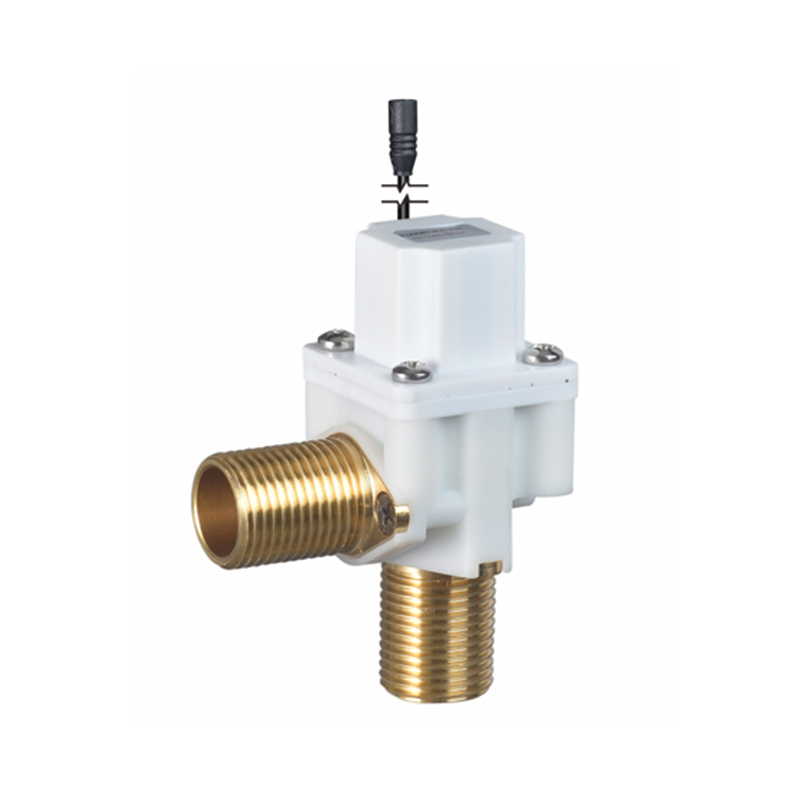
A Faucet Solenoid is an electrically controlled component that allows water flow to get opened or closed according to a control signal sent its way. In automatic sanitary equipment, this basic function helps coordinate electronic controls with water delivery throughout the fixture, whether it's a sink or a urinal.
The valve needs to move between its operating positions in a genuinely predictable way, every single time it gets triggered. If movement becomes slow or incomplete, flushing can become genuinely irregular in ways that are hard to pin down without careful observation.
Several conditions may influence valve response over time as the unit ages.
- Internal contamination
- Wear from repeated operation
- Electrical connection problems
- Changes in the control signal
- Installation issues
- Unsuitable operating conditions
The valve should also match the application in which it gets installed, rather than getting swapped in generically off a shelf. A component designed for one type of water control system may not provide the same behavior in another application, even if it looks genuinely similar in a catalog photo.
For this reason, component selection should consider the complete flushing arrangement, rather than focusing only on the valve body sitting in isolation from the rest of the setup.
Could a Control Signal Cause Irregular Flushing?
Automatic flushing relies on communication between the control system and the valve, a relationship easy to overlook when troubleshooting under pressure. The control device detects an intended action and sends a signal that causes the valve to operate as expected without a person touching anything.
If the signal is inconsistent, the resulting flush may also appear genuinely inconsistent to anyone using the fixture that day.
A sensor can be affected by its surroundings in ways that aren't always obvious at a glance. Its position, cleanliness, or connection may influence how reliably it recognizes a user standing in front of it. Electrical connections can create another genuinely possible source of trouble further down the line, hidden behind a wall panel.
A loose connection may cause intermittent operation that comes and goes unpredictably from one week to the next. A damaged connection can interrupt the signal altogether, stopping things cold without warning. Problems within the control unit itself can also make the valve appear faulty, even when the valve mechanism remains genuinely functional underneath.
Troubleshooting should therefore distinguish carefully between a valve response problem and a signal problem upstream of it.
One practical approach is observing the sequence of events as they actually unfold in real time. Does the system recognize the user normally when they step up? Does the control respond promptly? Does the valve activate after the signal gets sent? Does water flow stop as expected once the cycle completes?
Following the sequence step by step can reveal genuinely where the irregularity actually begins in that chain.
How Installation Can Affect Flushing Consistency
Installation has a genuinely strong influence on how a flushing system operates over its working life. A valve may perform as intended when installed correctly, but behave differently if connections are poorly positioned or components aren't properly secured from the start of the job.
The water path should remain genuinely suitable for normal operation throughout its length. Connections should also be secure and arranged so unnecessary stress isn't placed on the components over time as the building settles.
Installation concerns may include several distinct areas worth checking during a walkthrough.
| Installation Area | What to Observe |
|---|---|
| Valve position | Proper orientation and secure mounting |
| Water connection | Secure and suitable connection |
| Electrical connection | Stable contact |
| Pipe arrangement | Clear and practical water path |
| Fixture alignment | Proper relationship between components |
A crowded installation can make later maintenance genuinely difficult for whoever inherits the job down the road. This matters because automatic flushing equipment may need periodic inspection and cleaning throughout its working life on a schedule.
Good installation planning leaves enough access for inspection without requiring extensive disassembly every single time someone needs to look.
It also helps reduce the chance that routine servicing will accidentally disturb nearby connections that were working fine before someone reached in there with a wrench.
Why Internal Contamination Can Change Flush Behavior
Water systems can carry small particles or deposits, even in buildings with reasonably clean supply lines running throughout. Over time, these materials may collect around passages or moving parts inside the valve itself, out of sight.
Even a genuinely small restriction can influence how water moves through a valve. The result may be a flush that feels weaker, slower, or genuinely less predictable than it used to be a year earlier.
This is particularly relevant in facilities where fixtures operate frequently throughout the day, like a busy transit station or stadium restroom during an event. Repeated use gives contamination more opportunities to affect components over a shorter span of time than a lightly used office bathroom.
Cleaning procedures should follow the manufacturer's maintenance recommendations for that particular equipment, rather than improvised methods invented on the spot. Improper cleaning can damage surfaces or seals and create another genuinely separate source of trouble down the road that wasn't there before.
Maintenance should also look beyond visible dirt sitting on the outside of the housing.
A valve may appear clean from the outside while an internal passage remains partially restricted out of sight from a casual glance. Regular inspection can help identify changes before they develop into more noticeable operating problems that generate complaints from occupants.
Do Latching Designs Behave Differently?
Some automatic water control systems use Latching Solenoid Valves, a design that works a bit differently from what many technicians expect walking into a job. These designs can hold their operating state without requiring continuous electrical activation, unlike some other valve arrangements that need constant power running through them.
This can genuinely influence how the control system and valve interact with each other during a cycle. The electrical signal needs to correspond with the intended change of state precisely. If the control sequence isn't suitable for the valve design, operation may not match expectations at all, leaving a technician puzzled.
A Latching Valve Solenoid may therefore require attention to both the valve itself and the control method used alongside it, since the two are tightly linked.
When troubleshooting such a system, it's genuinely useful to ask whether the valve is receiving the correct type of command and whether it changes state as intended in response to that command. Simply checking whether electricity reaches the component may not provide enough information to diagnose the actual issue at hand.
The operating logic should get considered as part of the installation, not as an afterthought tacked on once something goes wrong.
This is one reason replacement parts should be selected based on the complete system, rather than physical appearance alone sitting on a supplier's shelf waiting to get picked.
How a Solenoid Valve for Faucet Applications Relates to Urinal Systems
A Solenoid Valve for Faucet applications and an automatic urinal flushing valve can share a genuinely basic operating principle underneath their different housings. Both use an electrical signal to control water flow through the fixture in question.
However, the surrounding application can be genuinely different in practice once you look closer. A faucet may control water for hand washing at a sink, while a urinal flushing system manages a separate fixture and flushing sequence entirely, with different timing and volume needs.
The water path, control method, installation arrangement, and operating pattern all matter here more than the shared electrical principle alone.
This distinction proves useful when selecting replacement components for a repair job on short notice. A valve shouldn't get chosen simply because it can open and close water on command. Its operating characteristics should genuinely fit the intended sanitary application it's headed toward, not just the generic function it performs.
Suppliers and installers can also review the complete system before recommending a component to a client facing a repair. This approach reduces the risk of introducing a part that appears compatible on paper but behaves genuinely differently under actual operating conditions once it's bolted into place.
What Maintenance Practices Help Prevent Inconsistent Flushing
Routine maintenance can reduce the likelihood of small problems becoming noticeable service issues that generate complaints down the line. Automatic fixtures are often genuinely taken for granted because users don't need to operate them manually, so nobody notices until something breaks.
That convenience can make maintenance genuinely easy to overlook until something actually stops working correctly.
A basic inspection can include several distinct areas worth walking through on a schedule.
- Check the fixture for unusual flushing behavior
- Inspect visible water connections
- Check electrical connections where accessible
- Look for signs of leakage
- Inspect the valve for external contamination
- Clean relevant components according to approved procedures
- Observe whether the control system responds normally
Maintenance doesn't need to mean replacing components on a fixed schedule without checking their actual condition beforehand. A condition-based approach can prove genuinely more useful because it focuses attention on actual changes in operation, rather than an arbitrary calendar date.
If one fixture begins flushing differently from neighboring units nearby, comparing their operating conditions may provide genuinely useful clues about what's actually going on underneath.
A consistent maintenance record can also help identify recurring problems worth tracking over months. If the same fixture repeatedly develops similar symptoms, the underlying cause may involve installation, water conditions, or component compatibility, rather than normal wear alone explaining it.
How Troubleshooting Can Separate Different Causes
When a flush behaves differently than expected, replacing the valve immediately may not actually solve the problem underneath it. A structured inspection can genuinely narrow the possible causes before parts start getting swapped out unnecessarily.
Start by observing the symptom carefully, without jumping to conclusions too quickly.
If there's no response at all, the control signal and electrical connection deserve attention before anything else in the sequence. If the valve activates but water flow is weak, the water supply or internal passage may need inspection instead. If the flush begins normally but doesn't stop as expected, the valve movement or control sequence may be genuinely involved somewhere in the chain.
The following comparison can help organize the investigation systematically before parts get pulled.
| Symptom | Areas to Inspect |
|---|---|
| No flushing | Control signal, connection, valve response |
| Weak flushing | Water supply, passage condition, valve opening |
| Delayed response | Sensor, control signal, valve movement |
| Flush does not stop normally | Valve state, control sequence, internal condition |
| Different behavior between fixtures | Local installation or component condition |
| Intermittent operation | Electrical connection, sensor, control system |
This approach keeps the investigation genuinely focused, rather than scattered across every possible part in the system.
A problem that appears mechanical may actually begin with an electrical signal further upstream. A valve that appears faulty may simply be receiving an inconsistent command from the control unit. Likewise, an electrical system can function normally while restricted water flow creates what looks like an apparent control problem to someone unfamiliar with the setup.
What Should Be Considered When Selecting Replacement Components
Replacement decisions should begin with the actual operating requirements of the flushing system, not just a part number match pulled from an old invoice. Physical fit is genuinely important, but it isn't the only consideration worth weighing before ordering.
The valve needs to work with the water supply arrangement and control method already in place at that site. Connections should be suitable for the installation as it currently exists. The operating pattern should also match how the fixture actually gets used throughout a typical day.
For automatic sanitary equipment, compatibility can involve several distinct factors worth confirming with a supplier.
- Water flow requirements
- Control signal behavior
- Installation arrangement
- Valve response
- Maintenance access
- Expected operating environment
A component that fits into an existing space may still create genuinely inconsistent operation if its characteristics don't match the rest of the system around it.
The same principle applies when comparing conventional valve designs with Latching Solenoid Valves side by side on a spec sheet. The choice should reflect the control arrangement already in place, rather than getting based only on the name or appearance of the component sitting in a catalog somewhere.
Careful selection can make installation and future maintenance genuinely easier down the road for whoever handles the next repair call.
In busy public and commercial washrooms, reliable flushing depends on the relationship between the water supply, control system, valve, fixture, installation, and maintenance routine working together as one system. Understanding each part of that relationship makes it genuinely easier to investigate inconsistent operation and make practical adjustments whenever problems appear on the schedule.