
 EN
EN English
 Español


A homeowner checking a garden irrigation app on their phone expects the sprinklers to actually turn on when the schedule says they should — and turn off just as reliably when the cycle ends. That simple expectation hides a lot of coordination happening behind the scenes between sensors, timers, controllers, and the valve that physically opens and closes the water line. When a valve doesn't match the rest of that system, even a carefully planned water network turns into something that's constantly being troubleshooted instead of just working.
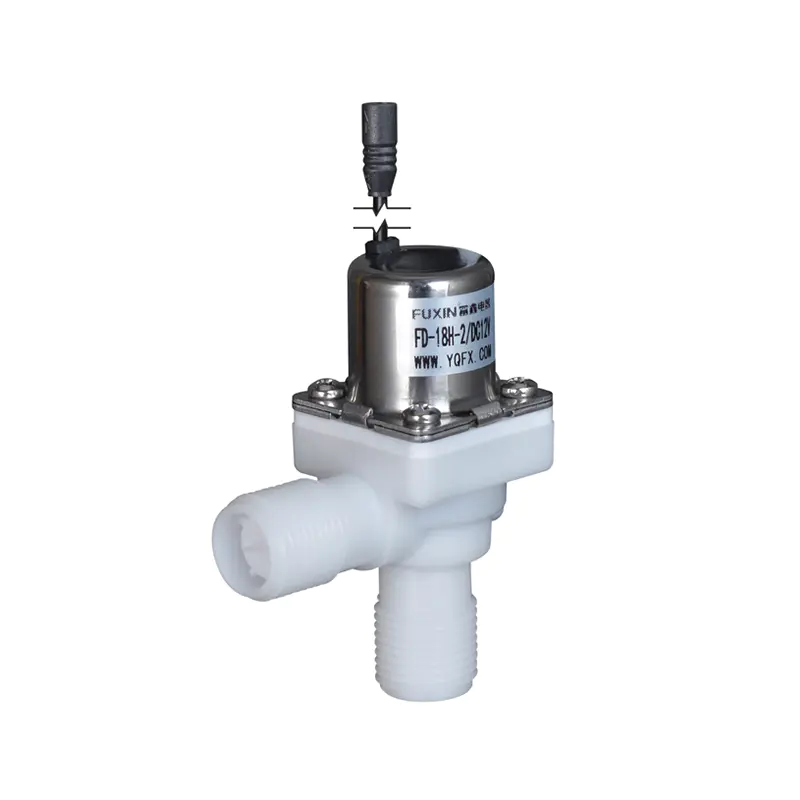
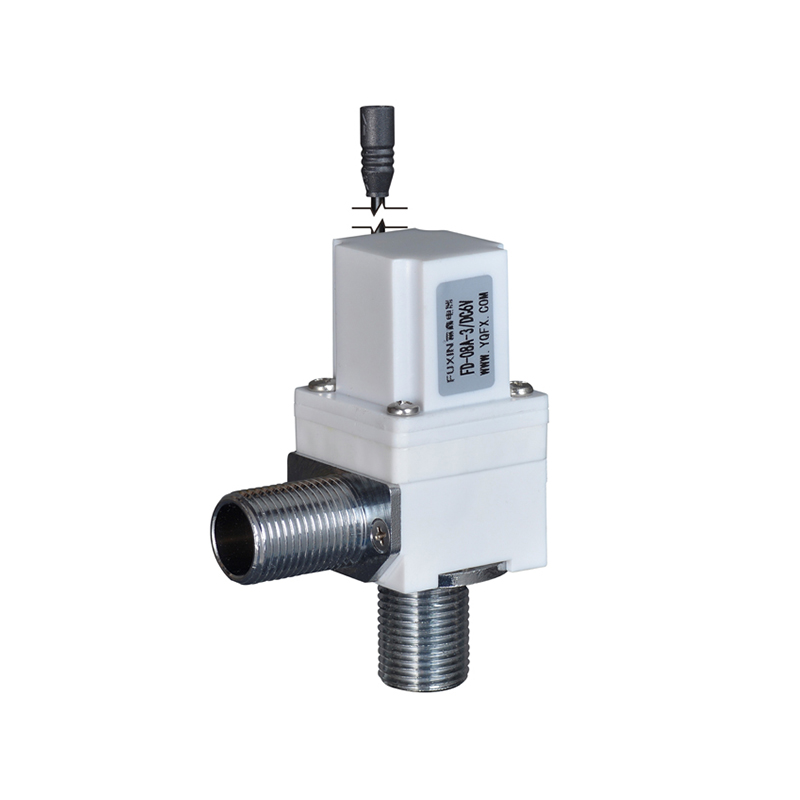
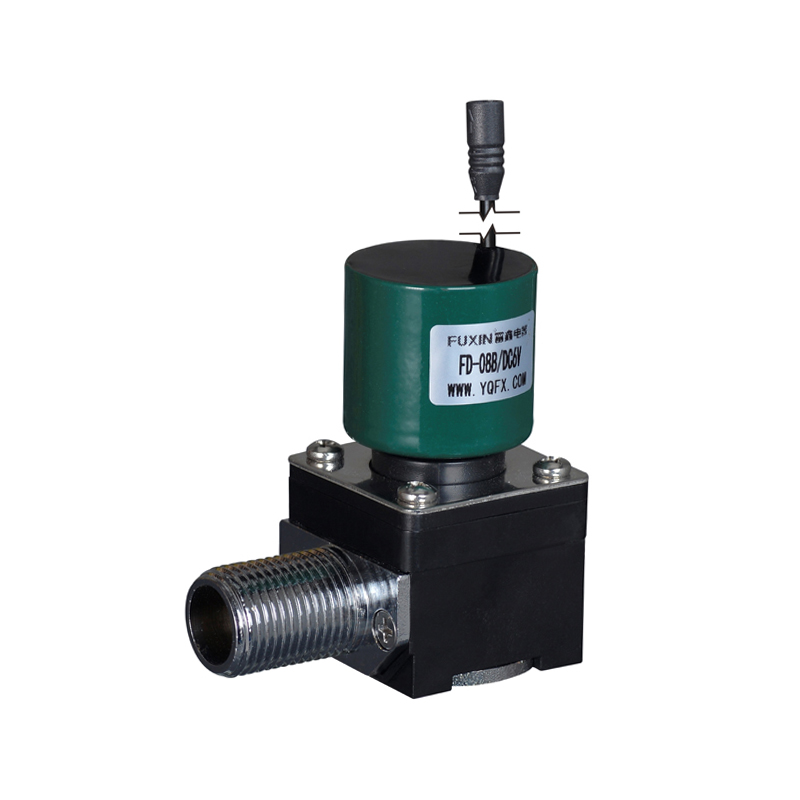
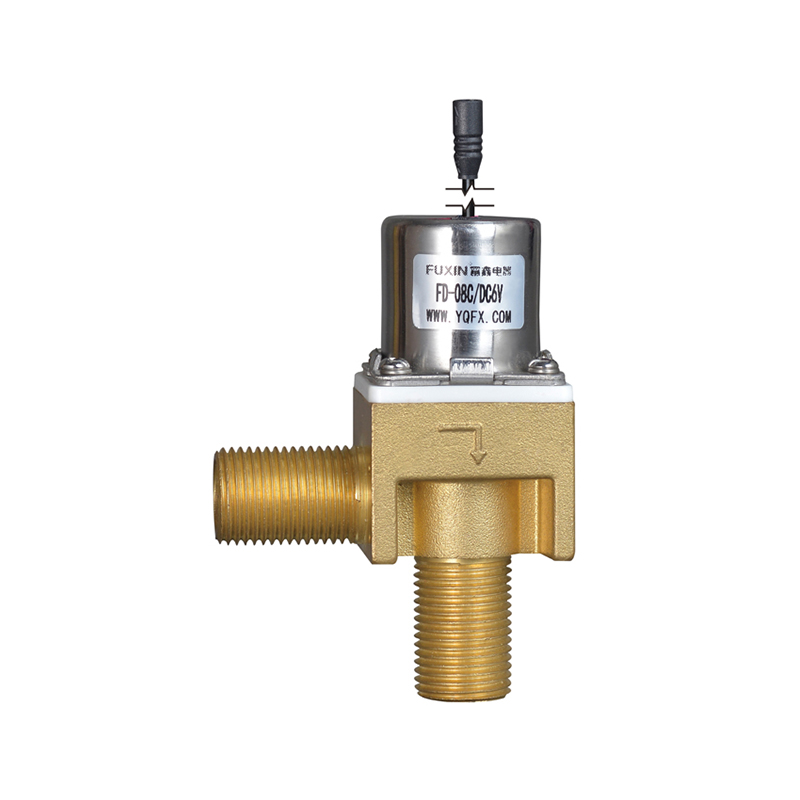
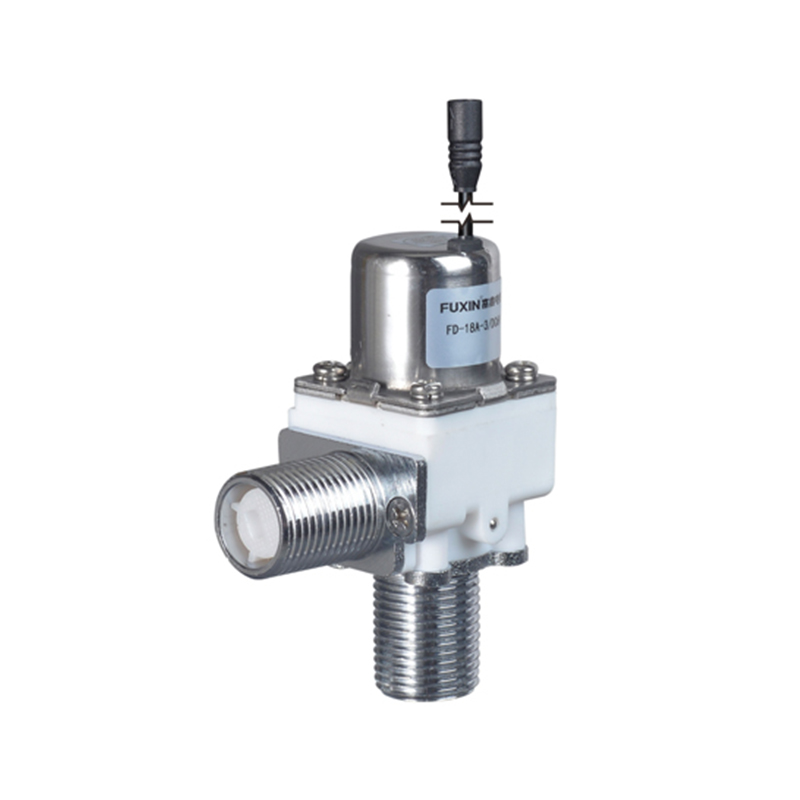
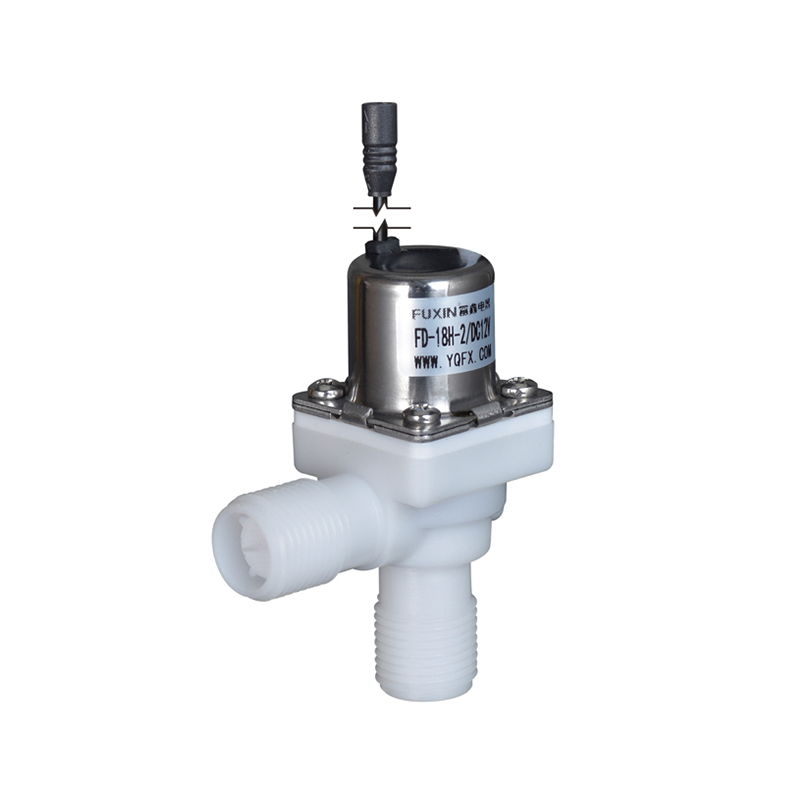
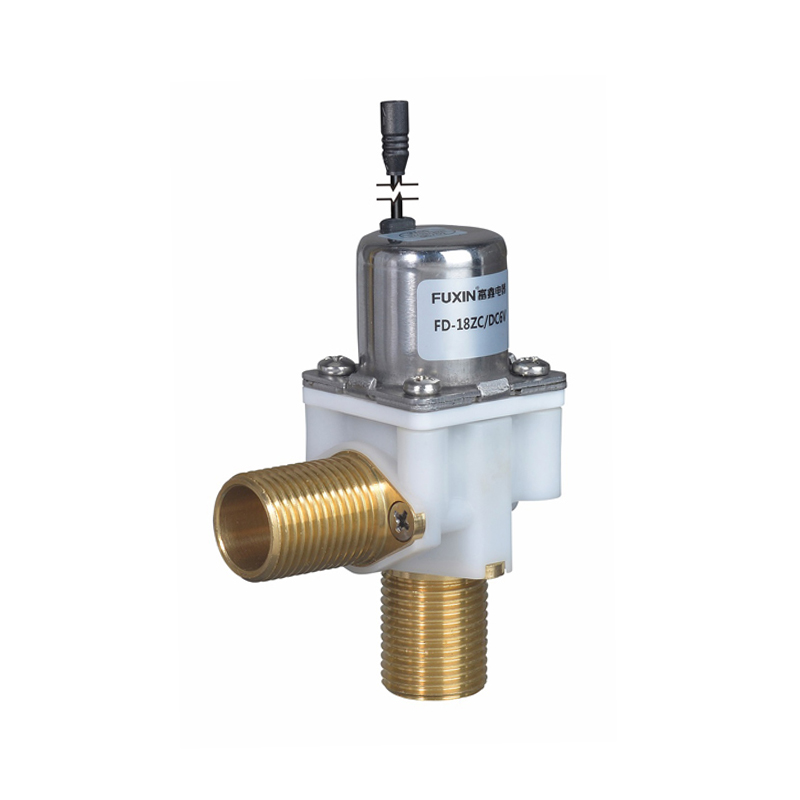
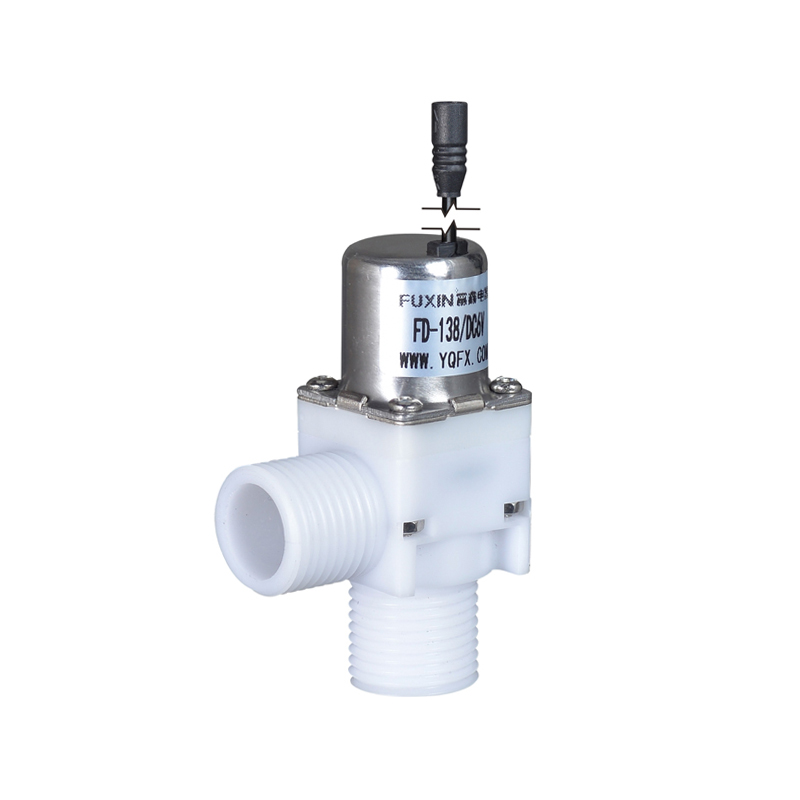
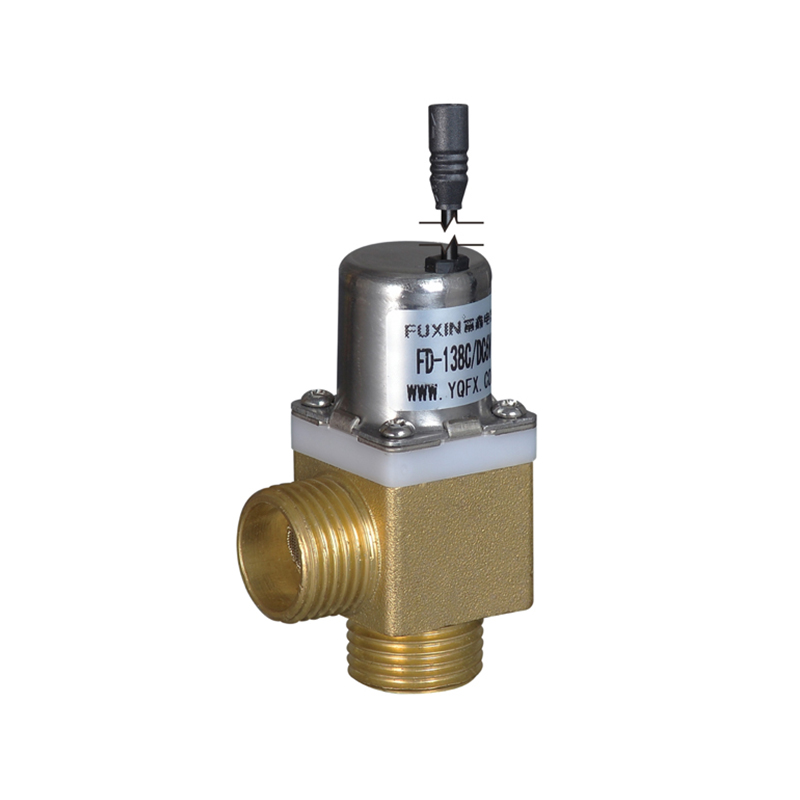
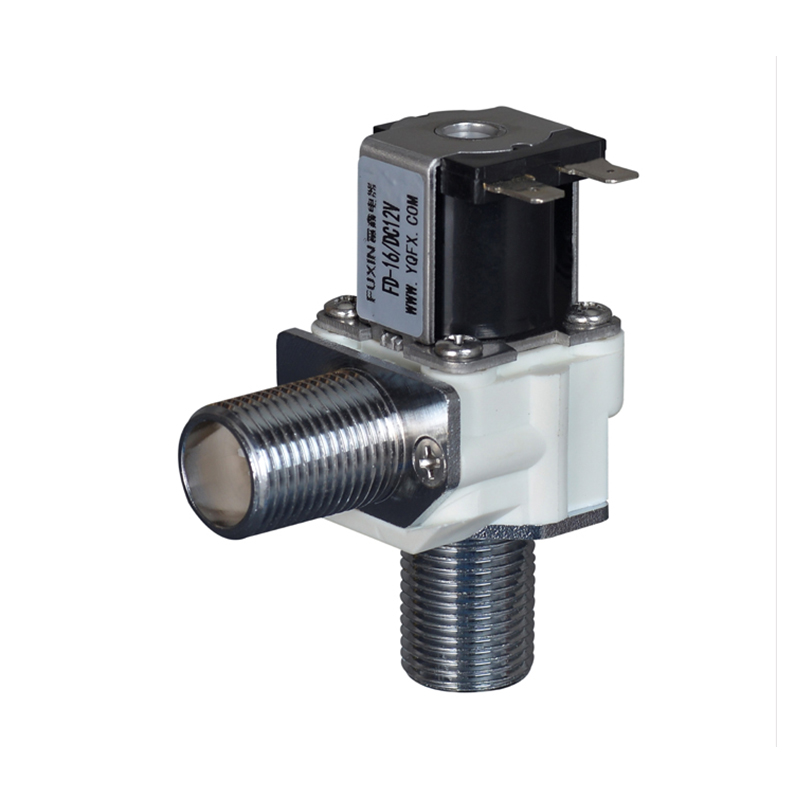
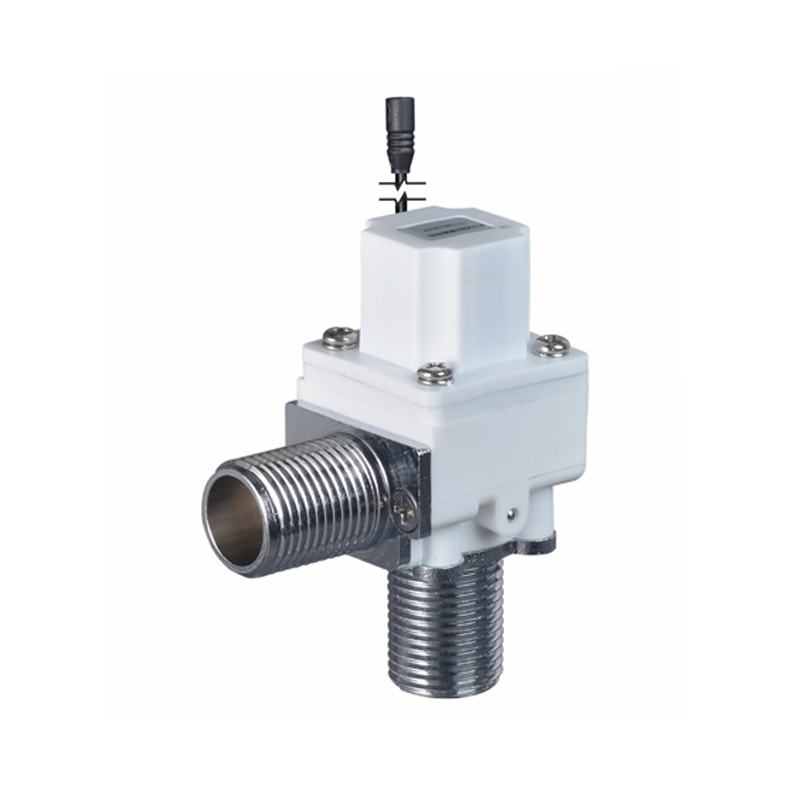
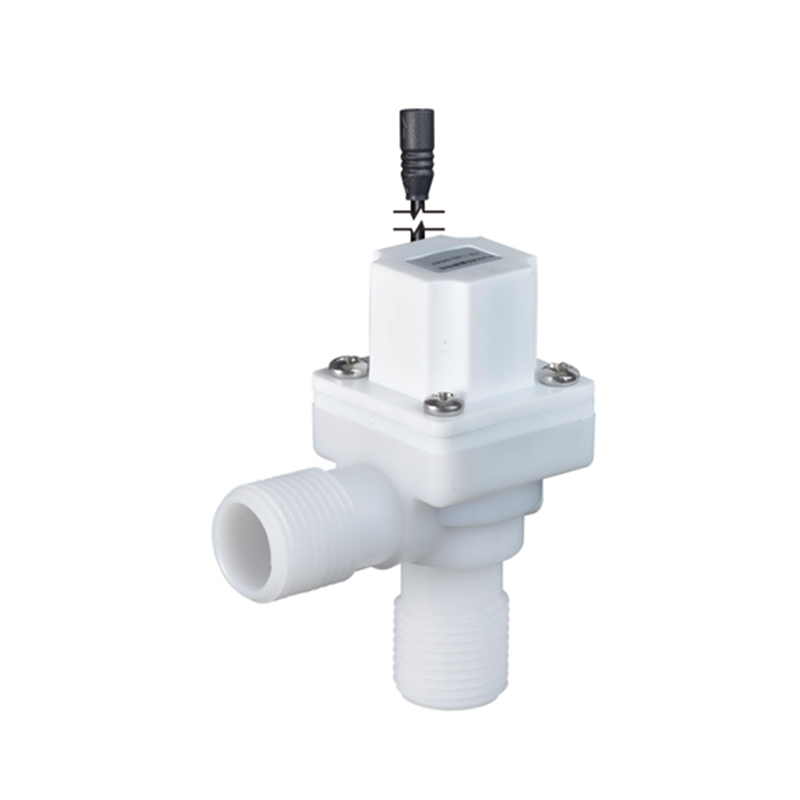
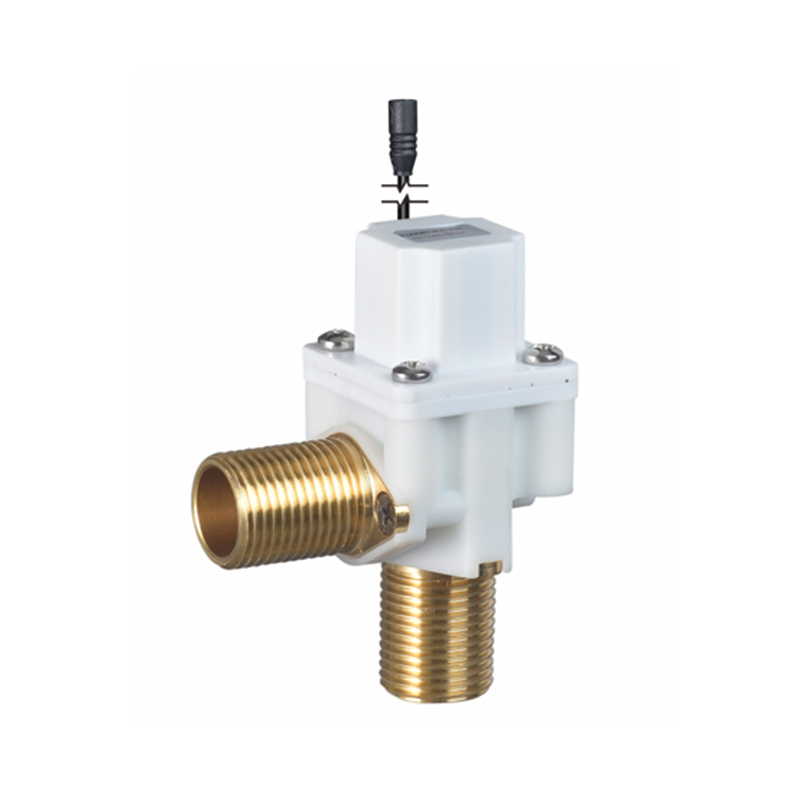
This is where solutions from a water solenoid valve manufacturer become genuinely useful. Rather than treating the valve as some interchangeable part, manufacturers and system builders benefit from thinking about how it fits into the complete water control process from the start. Automatic supply, irrigation, equipment integration, remote operation, and custom designs each pull the requirements in a slightly different direction.
The growing use of connected water equipment is changing how buyers evaluate valves from the outset. It's no longer just about whether it opens and closes — buyers are looking at compatibility with existing controllers, how it's actually triggered, installation constraints, power draw, and how much customization the manufacturer can realistically support.
Why Solenoid Valves Matter in Smart Water Systems
Water control usually involves the same actions happening over and over. A system needs to send water to a specific area, cut it off once a task's done, or react to a signal coming from a sensor buried in the soil or mounted on a pipe.
Manual operation gets by fine for a single tap or a small setup. It falls apart fast once several water points need coordinating automatically — nobody wants to walk around manually opening six different irrigation zones every morning.
A solenoid valve gives the system an electrical way to control flow. A controller sends a signal, and the valve responds according to however the system's been programmed to behave.
That's the actual link between the water network and whatever's controlling it.
| Smart Water Function | Valve Role |
|---|---|
| Automatic supply | Controls when water actually gets delivered |
| Irrigation | Opens or closes specific water lines on command |
| Equipment control | Responds directly to control signals |
| Remote operation | Works with connected systems operated from elsewhere |
| Water management | Helps route flow between different areas of a property |
The valve is just one piece here, though. Sensors, controllers, the software running behind them, pumps, pipes, and whatever's supplying power all play into how the system actually behaves day to day.
That's why valve selection works better when it starts with the application itself, not with a part number pulled off a catalog page. A manufacturer who actually understands the broader system can help a buyer land on a valve configuration that fits what they're actually building.
Making Automatic Water Supply More Flexible
Automatic water supply is probably the clearest use case for an electrically controlled valve.
A system gets arranged so water flows only once a specific condition is met — a timer hitting a set point, a sensor reading crossing a threshold, an equipment command firing, or a schedule kicking in. A commercial building, for instance, might run automatic control across several separate water zones instead of having a maintenance worker walk around manually turning valves on one by one.
The same idea applies to equipment that only needs water during certain stages of its own operating cycle — think of a piece of industrial machinery that needs a cooling flush partway through a process, then shuts that flow off once it's done.
The valve becomes the actual link between the control logic running in software and the physical pipe carrying water.
This kind of setup tends to deliver a few practical wins:
- Less manual intervention needed day to day
- Easier control over separate water zones independently
- Operating routines that stay more organized and predictable
- Flexibility to integrate with whatever control equipment is already in place
- Easier adjustments later on as the system's needs change
Exactly how this gets configured depends heavily on the application. A backyard irrigation setup and a large commercial water network are going to need very different control arrangements, even though both rely on the same basic principle. That's why manufacturers generally need the full picture of the application before recommending anything specific.
What Role Latching Solenoid Valve Designs Play
A latching solenoid valve gets considered when a water system needs a valve that switches between open and closed while relying on a control approach built for brief, intermittent electrical signals rather than continuous power.
This matters in systems where managing power draw is a real concern — a battery-powered irrigation controller out in a field, for instance, can't afford to keep sending continuous current just to hold a valve in position.
This kind of design fits applications where a valve needs to hold its position for a stretch of time before the next command comes through.
Worth considering for:
- Smart irrigation setups
- Battery-powered water equipment
- Remote water control installations
- Automated garden systems
- Distributed water management across a larger property
The real benefit isn't just cutting electrical demand, though that matters. The bigger question is whether the valve's actual operating method fits how the rest of the system is built. A valve that changes state through a brief pulse of control signal might suit one application perfectly, while a different system genuinely needs a different control arrangement entirely.
That's why system designers need to think about the valve, the controller, and the power source as one connected decision, not three separate purchases made independently.
How a Latching Valve Solenoid Supports Connected Water Control
A Latching Valve Solenoid offers another way to handle water flow in systems where the valve's state needs to stay stable between commands without constant electrical input.
This works well for connected equipment that doesn't need to keep sending a signal just to hold a valve where it already is.
Picture a smart irrigation setup split across several separate watering zones. The controller sends a command the moment one specific zone actually needs water. Once that valve changes state, the system moves on to handle other tasks until the next command comes due — it's not sitting there holding a signal open the whole time, which matters a lot for anything running on limited power.
The surrounding electronics still need attention, though. The controller has to actually understand how the valve changes state, and wiring, signal handling, and the underlying system logic need to get planned together rather than bolted on separately.
Done right, this creates a much more coordinated relationship between the valve and whatever smart platform is running the show.
How Better Valve Integration Benefits Smart Irrigation
Irrigation has moved well past simple timers ticking on a fixed schedule. Modern setups combine timers with environmental sensors, live weather data, soil moisture readings, and remote control functions all feeding into one decision-making system.
The valve is where all of that decision-making finally turns into something physical happening in the pipe.
A smart controller might determine one zone needs water while another one, already saturated from yesterday's rain, doesn't. The corresponding valve responds to whatever signal comes through for that specific zone.
| Irrigation Need | Possible System Response |
|---|---|
| Scheduled watering | Opens the relevant water lines on cue |
| Area-based control | Activates individual zones independently |
| Sensor-based watering | Responds directly to sensor input |
| Remote adjustment | Takes commands from a connected controller |
| Watering interruption | Closes off the relevant flow path |
This gives irrigation designers a lot more room to work with. A backyard garden setup might only need a couple of controlled zones. A larger landscaping project could involve several separate zones each running its own watering schedule based on plant type or sun exposure.
Either way, the valves need to match whatever control architecture is actually running the show. Manufacturers help here by offering different configurations suited to different control methods, rather than expecting every single application to work with one identical valve setup.
How Water Valves Support Remote Control
Remote control changes how someone actually interacts with a water system day to day.
Instead of physically walking out to a valve location, a user operates the whole thing through a connected controller or an app on their phone. That's especially useful when valves sit out in a garden, spread across agricultural land, tucked into a building's mechanical room, or buried somewhere inconvenient to reach regularly.
The valve just needs to respond reliably to whatever signal the system sends it.
Remote operation typically covers tasks like:
- Starting a watering cycle from a phone or laptop
- Cutting off water delivery on demand
- Switching which zone is currently active
- Adjusting an operating schedule remotely
- Checking whether the system actually responded as expected
The remote interface doesn't replace the valve itself — it's just another route for sending commands to it. That distinction matters when planning a connected water system, because the whole thing depends on the software, controller, power supply, communication link, and valve all working together properly. If one piece of that chain doesn't line up with the rest, remote control gets unreliable fast, and troubleshooting becomes a headache since the failure could be sitting anywhere in that chain.
What Manufacturers Should Consider for Equipment Integration
Smart water equipment rarely operates in isolation. A valve often has to connect with pumps, sensors, controllers, meters, filters, irrigation hardware, or a building management system running the whole property.
That creates a need for compatibility that goes well past just fitting the physical pipe connection.
Control method — the valve needs to respond correctly to whatever signal type the intended controller actually sends.
Installation environment — the valve's build needs to suit wherever it's actually going to sit, whether that's buried underground, mounted in a damp mechanical room, or exposed outdoors.
Water application — different water systems come with different operating conditions and usage patterns that the valve has to tolerate.
Power arrangement — the valve needs to work with whatever power source and control method the system already relies on.
System communication — connected equipment needs a clear, reliable way to coordinate commands and confirm responses back and forth.
These factors shape product selection from day one. For OEM customers, this often goes further still — a manufacturer might work directly with an equipment developer to adjust the valve's configuration around a specific piece of machinery, rather than just handing over a standard product and hoping it fits. That kind of collaboration matters especially when the valve is going to sit inside a larger piece of automated equipment where space and wiring are already tightly constrained.
How OEM Customization Helps Smart Water Equipment
Not every water system can run on an identical, off-the-shelf valve.
An irrigation controller has different needs than a drinking water appliance sitting in someone's kitchen. A commercial water management system installed across a large building comes with its own installation and control requirements too.
OEM customization lets the valve get treated as part of the equipment's overall design, rather than something dropped in afterward.
Customization can touch on:
- Valve body configuration
- How it connects to surrounding pipework
- The electrical control method it uses
- Which orientation it installs in
- Housing design and materials
- Product labeling
- Packaging for shipping and installation
- Assembly tailored to a specific system
How far this goes depends on what the manufacturer can actually support and what the buyer genuinely needs. The important thing is that customization should solve an actual problem in the system — changing a component purely for how it looks rarely delivers much real value.
A more useful approach is figuring out exactly where the standard configuration doesn't quite fit the equipment, then talking through those specific gaps with the manufacturer directly. That tends to cut down on unnecessary rework once production's already underway.
How Manufacturers Can Improve Valve Selection for Smart Water Projects
A useful selection process starts with the actual operating environment, not the product spec sheet.
Rather than just asking whether a valve can open and close a water line, buyers do better considering how it'll actually behave once it's part of the complete system.
Identify the water application — figure out whether the valve's going into irrigation, equipment supply, building services, or something else entirely.
Review the control method — get clear on whether the valve will take commands from a timer, a sensor, a controller, or a connected platform.
Consider the power source — check whether the system runs on continuous power, intermittent signals, or a carefully managed energy budget like a battery.
Examine installation conditions — think through the available space, how it'll connect to existing pipework, and what the surrounding environment actually looks like.
Assess system integration — confirm the valve will actually work alongside whatever else is already part of the water network.
Discuss customization needs early — if the standard configuration doesn't quite fit, work out what needs to change before production starts, not after.
Working through this gives buyers a much clearer sense of whether a particular valve actually suits what they're building, and it gives manufacturers better information to base a recommendation on.
What's Changing in Water Solenoid Valve Manufacturing
Smart water systems are pushing valve manufacturers into a broader role than they used to occupy.
The focus is shifting away from just producing standalone components. Buyers increasingly need solutions built to fit automated equipment, connected control systems, and installation requirements specific to their actual application.
That shift is showing up in a few areas of product development:
- Easier integration with existing systems
- More flexible control options built into the product line
- Attention to power draw and energy-conscious operation
- Compact layouts that fit tighter equipment spaces
- Genuine OEM customization capability
- Product design tailored to specific applications rather than generic use
- Better compatibility with automated water systems already in the field
None of this means every valve needs to turn into something complicated. A simple control function still does the job perfectly well in plenty of situations, as long as it actually fits the system it's dropped into.
The real challenge is matching the valve to how the water system actually operates. For irrigation equipment, that might mean supporting proper zone-based control. For remote water management, it might mean responding clearly and predictably to commands from a connected controller. For OEM equipment, it might mean reshaping the valve around the structure and operating logic of whatever finished machine it's going into.
A water solenoid valve manufacturer that pays attention to these differences ends up offering something well beyond a standalone flow-control part. It becomes a real partner for equipment developers and system integrators putting together practical automatic water solutions built from valves, controllers, sensors, power systems, and the connected control functions tying it all together.