
 EN
EN English
 Español


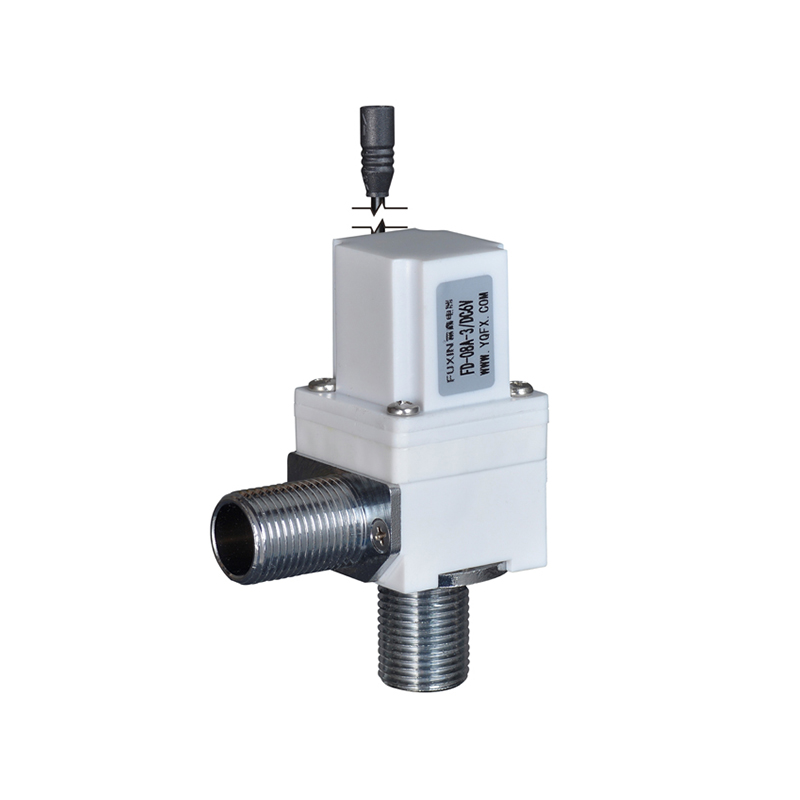
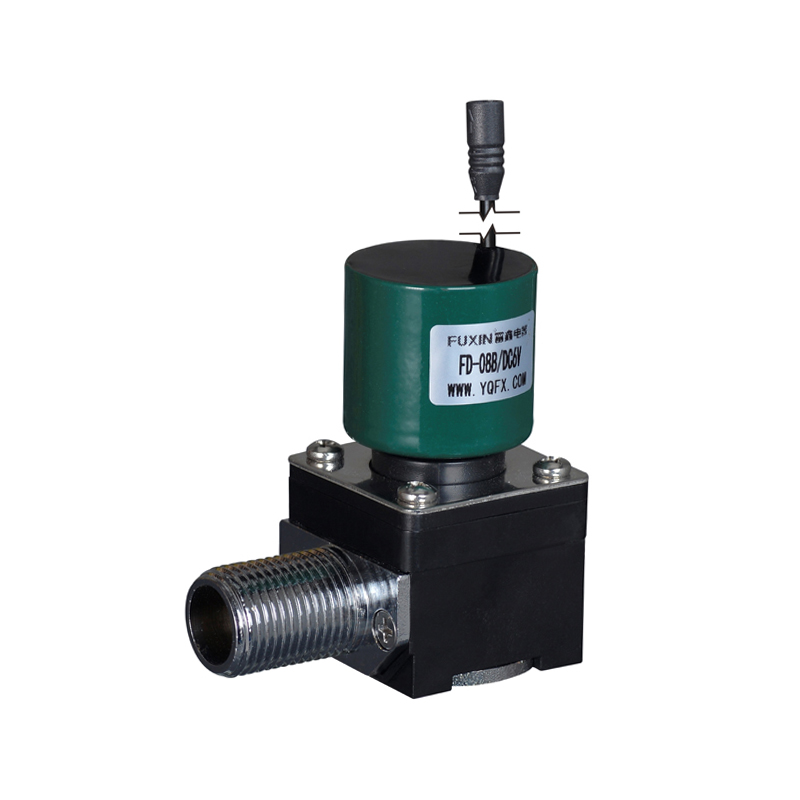
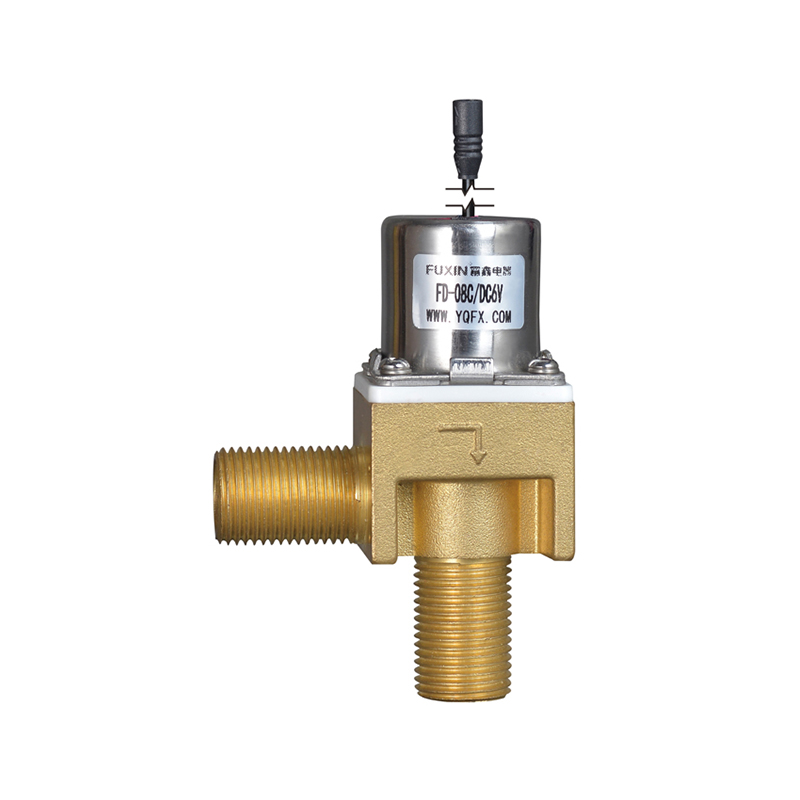
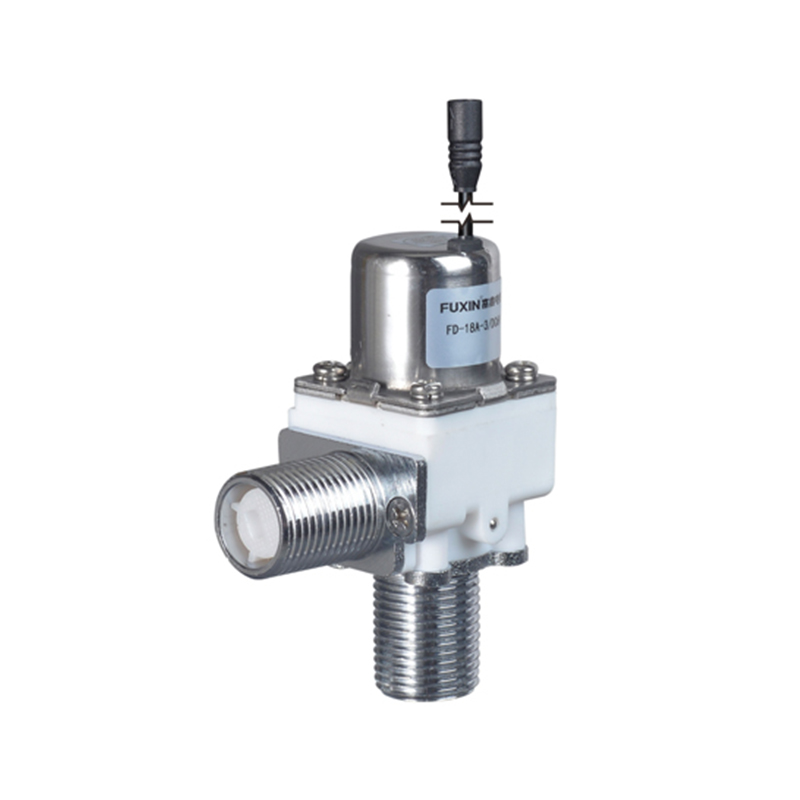
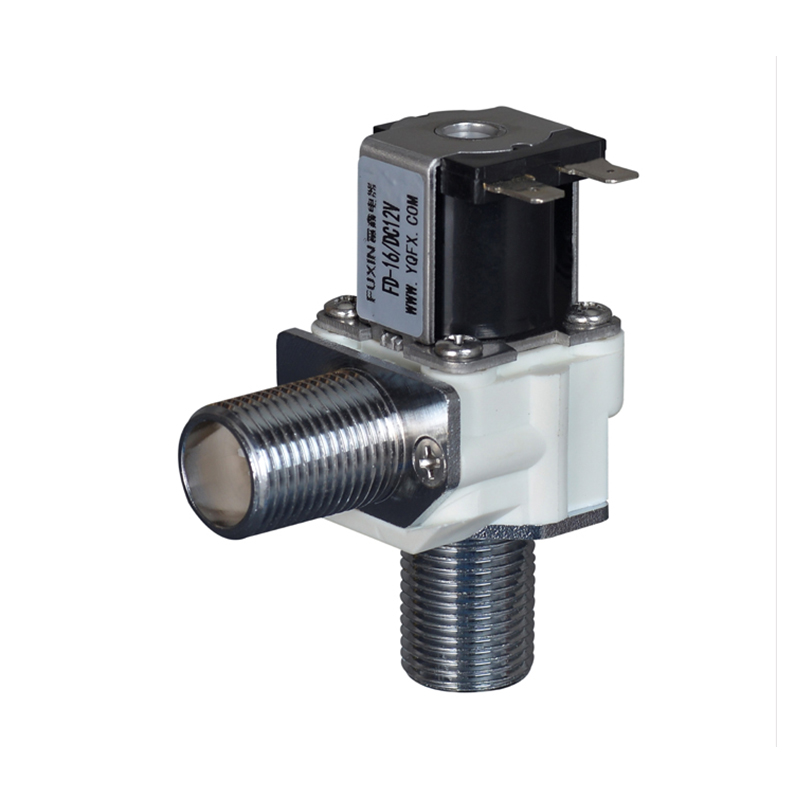
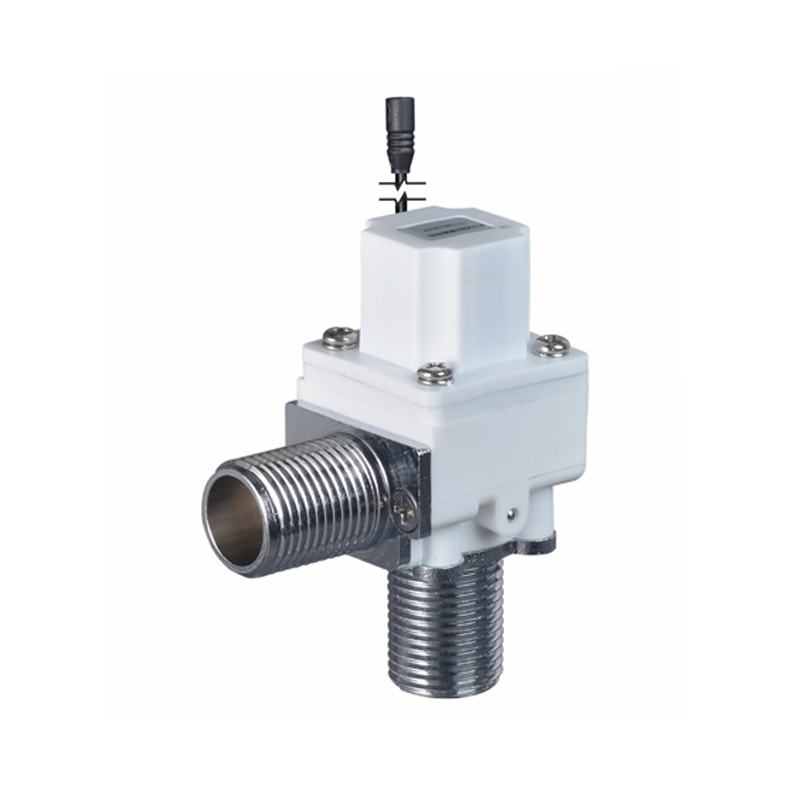
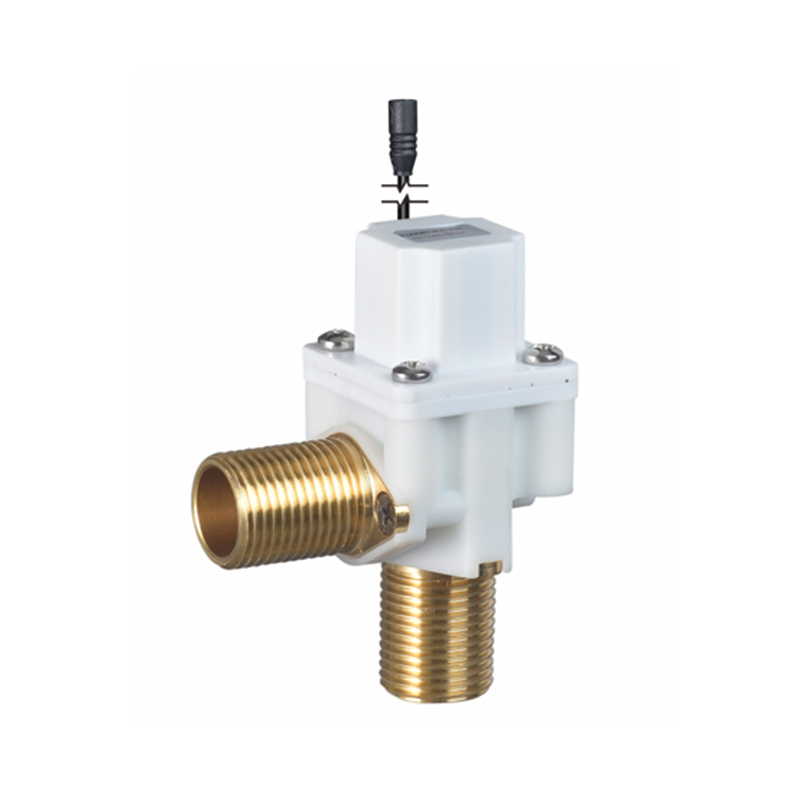
There is a small brass or plastic component hidden inside many water systems that often goes unnoticed — the part that activates a sprinkler head at dawn or allows a dishwasher to draw the needed water before stopping the flow. Nobody notices it until it fails. A Water Solenoid Valve is doing that quiet job: switching flow on and off so a system can run itself instead of needing a hand on a tap every time. Homes, farms, and factories keep asking more of their water setups, and this little component has had to stretch to match.
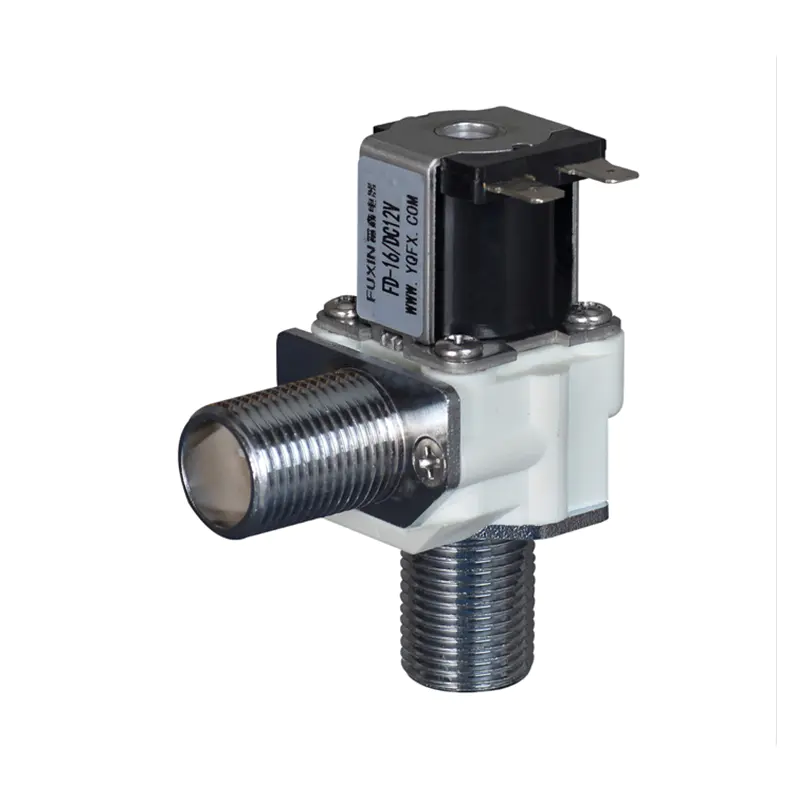
There was a time when managing water flow meant manually turning a spigot whenever needed. That approach is still used in many places, but automation has gradually become part of everyday water systems in ways that often go unnoticed.
Different Settings, Different Demands
A homeowner running sprinklers on a timer isn't thinking about the same things as a farmer irrigating several fields, and neither is thinking like a plant manager keeping cooling systems running around the clock. Each one pulls water control toward something a little different.
Patterns that keep showing up:
- Homes with automated appliances or irrigation want systems that just run without daily attention
- Farms spread across large or uneven ground need valves tough enough to sit outdoors through weather swings
- Buildings split into separate water zones need parts that don't step on each other
- Factories running nonstop can't afford water control that interrupts a line mid-process
None of this is exactly new. It's just gotten harder to manage by hand as these systems have sprawled out and multiplied.
What's Actually Happening Inside the Valve
Strip away the housing and it's a fairly simple idea. An electric signal reaches a coil, the coil pulls a small internal piece back, and water starts moving through. Cut the power and that piece drops back into place, sealing the passage again. No manual turning required.
| Setting | Typical Role |
|---|---|
| Household plumbing | Feeds water into machines like washers on command |
| Irrigation setups | Switches sprinkler zones on and off by timer |
| Commercial kitchens | Manages flow into ice machines or espresso setups |
| Industrial lines | Regulates water through larger processing systems |
A lawn getting watered at 5 AM while the household sleeps is entirely dependent on a valve like this doing its job with nobody around to check.
Why Nobody Wants to Do This by Hand Anymore
Manually adjusting water flow across a setup with several separate zones gets old fast. Automated valves take that repetition away.
Once a system runs on its own, a few things tend to change:
- Watering schedules stay consistent even when nobody remembers to act on them
- Sensors can trigger a response instead of waiting for a person to notice something's off
- Daily attention drops considerably across setups with multiple zones
- Separate parts of a system stay in sync without someone matching timing by hand
Consider a greenhouse managing multiple irrigation lines at the same time. Inspecting every valve by hand would take up a significant amount of time and effort on a regular basis.
Water Costs Something, and People Notice Now
Water isn't free, and in a growing number of places people think harder about it than their parents did. A system that only runs when it's actually needed, and shuts off the moment a task ends, avoids waste that used to go completely unnoticed.
| Goal | Valve's Role |
|---|---|
| Skipping unnecessary flow | Cuts off right as a task finishes |
| Running on a schedule | Follows a timer instead of guesswork |
| Adjusting as conditions change | Lets the system respond flexibly |
| Avoiding forgotten taps | Removes the human error factor |
A restaurant running dishwashing on an automated cycle leans on this kind of precise shutoff. Without it, water keeps running past the point where it's doing anything useful.
One Design, Many Different Jobs
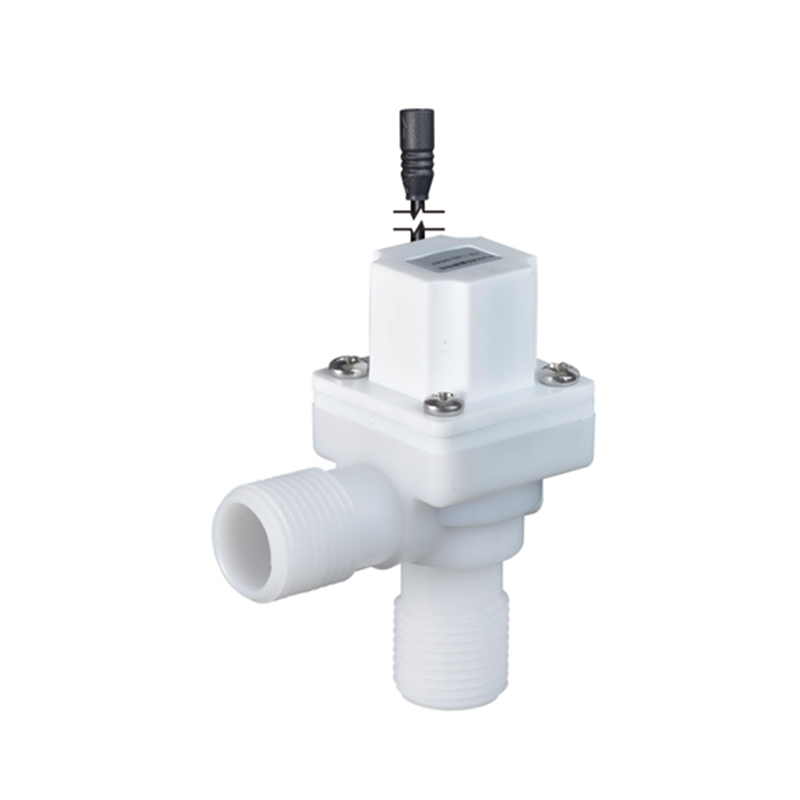
A valve sitting in a backyard sprinkler line faces nothing like the conditions inside a factory processing system, even though the mechanism underneath is basically identical. What changes is size, material, and how it's triggered.
Some of the ways this plays out:
- Sizing scales to match pipe width and how much water actually needs to move
- Materials shift depending on what's flowing through — clean tap water versus something carrying particles
- Triggers range from a basic mechanical timer to something reading live sensor data
- Mounting adjusts for tight indoor spaces versus exposed outdoor installs
A vineyard running drip lines row by row and a lab managing water for sensitive equipment are solving a similar core problem with almost nothing else in common.
Manufacturers Keep Tinkering With the Details
Nobody's just stamping out identical valves and calling it done. Makers watch how these parts hold up once they're actually installed, then adjust based on where they wear out or where customers keep asking for something different.
| Focus | What Changes |
|---|---|
| Sizing flexibility | Widens how many systems a single design can fit |
| Simpler builds | Makes installation and swaps less of a hassle |
| Fitting existing plumbing | Cuts down on custom parts and rework |
| Watching real usage | Keeps designs matched to actual daily habits |
A facility that's fought with badly fitting valves before notices immediately when a supplier starts offering something that just slots into the pipework already there.
Reliability Isn't Optional Here
A valve giving out mid-cycle can flood a basement, overwater a field, or stall an entire production line — depending entirely on where it happens to be sitting. That spread of consequences is exactly why dependability gets so much attention when someone's choosing a valve.
Steady operation tends to mean:
- Fewer surprise troubleshooting sessions
- Maintenance that gets scheduled ahead of time instead of handled in a panic
- Confidence that an automated setup does what it's supposed to, every time
- Long gaps before anything needs replacing
A commercial laundry running machines nonstop can't really afford a valve that sticks halfway through a cycle. One failure and the whole day's workload backs up.
Smart Systems Are Dragging Valves Along With Them
Lighting and thermostats got wired into phone apps years ago. Water control is catching up. A valve that takes a signal from a central panel or a phone fits right into that kind of setup without much friction.
- Connected homes let water control sync with everything else running automatically
- Remote access means checking a system without physically standing in front of it
- Usage data lets adjustments get made based on actual patterns instead of guesses
- Broader coordination folds water control into whole-building automation
Someone managing several rental properties benefits obviously here — checking and adjusting water systems from a phone beats driving to each address every time something looks off.
Where the Environment Enters the Conversation
Water draws more scrutiny than it once did, especially anywhere dealing with drought or a supply under strain. Households and businesses alike are trying to use it more deliberately instead of letting systems run on autopilot regardless of actual need.
- Cutting water lost to forgotten manual shutoffs
- Letting systems respond to real conditions instead of a fixed schedule
- Supporting careful use without shortchanging what a task actually requires
- Making responsible use the default setting, not an extra step someone has to remember
A farm swapping a fixed watering schedule for something sensor-driven feels this directly on a water bill — not just as a line in some sustainability report nobody reads.
Why One Valve Design Can't Cover Everything
What works for a backyard sprinkler falls apart in an industrial cooling line, and the reverse is just as true. Water management resists a single, standardized answer.
| Challenge | Industry Response |
|---|---|
| Wildly different applications | Multiple configurations instead of one fixed model |
| Shifting expectations | Features adjusted around actual usage patterns |
| More complex system layouts | Parts built to integrate, not stand alone |
| Resource concerns | Control methods aimed at trimming excess flow |
That's really the reason a Water Solenoid Valve Factory tends to run several product lines rather than betting on one universal part to cover every job.
Where This Seems to Be Going
Water systems keep pushing further into daily life — home irrigation running unattended, factory processes operating with nobody standing over them. A part as small and unglamorous as a solenoid valve ends up carrying a surprising share of the responsibility for making all that automation actually hold together.
As people keep wanting water systems that run steadily, use water with more care, and slot into wider automated setups, valves built around this same combination of adaptability and dependability will probably keep showing up in more places. Quietly operating in the background, long after people have stopped noticing how the water flow began.