
 EN
EN English
 Español


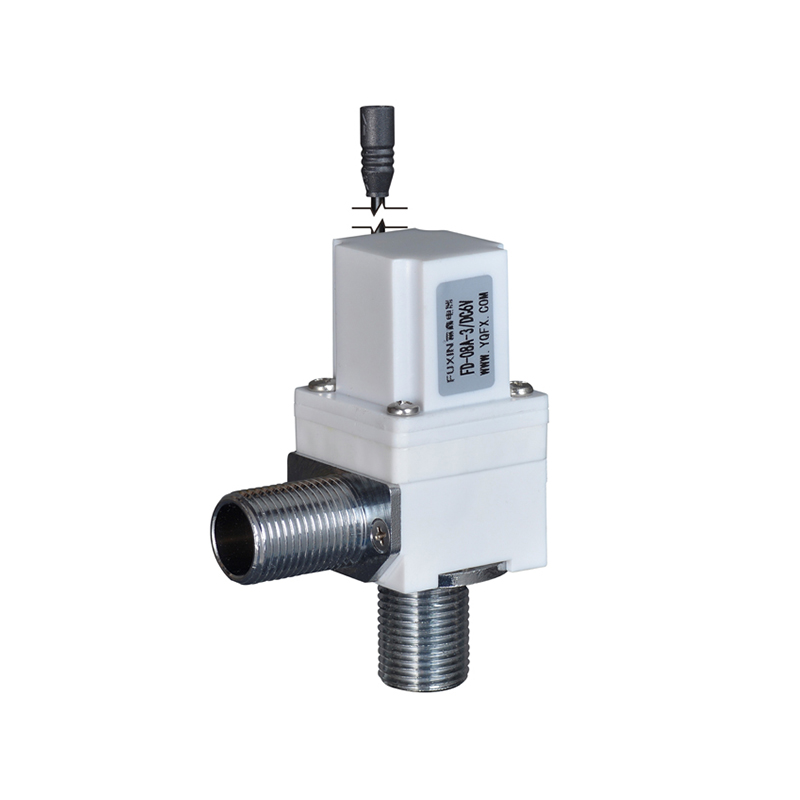
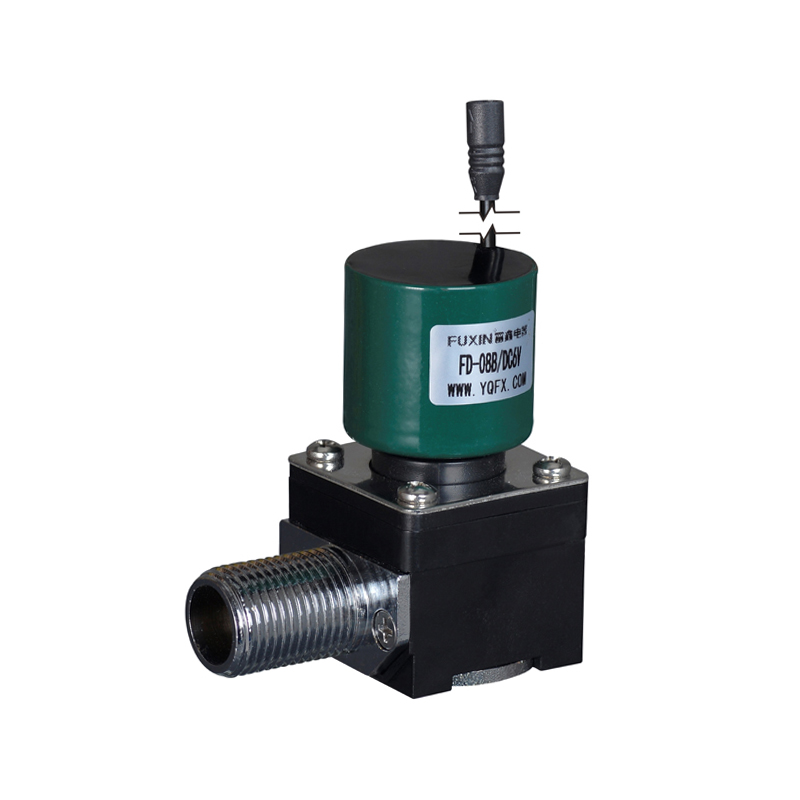
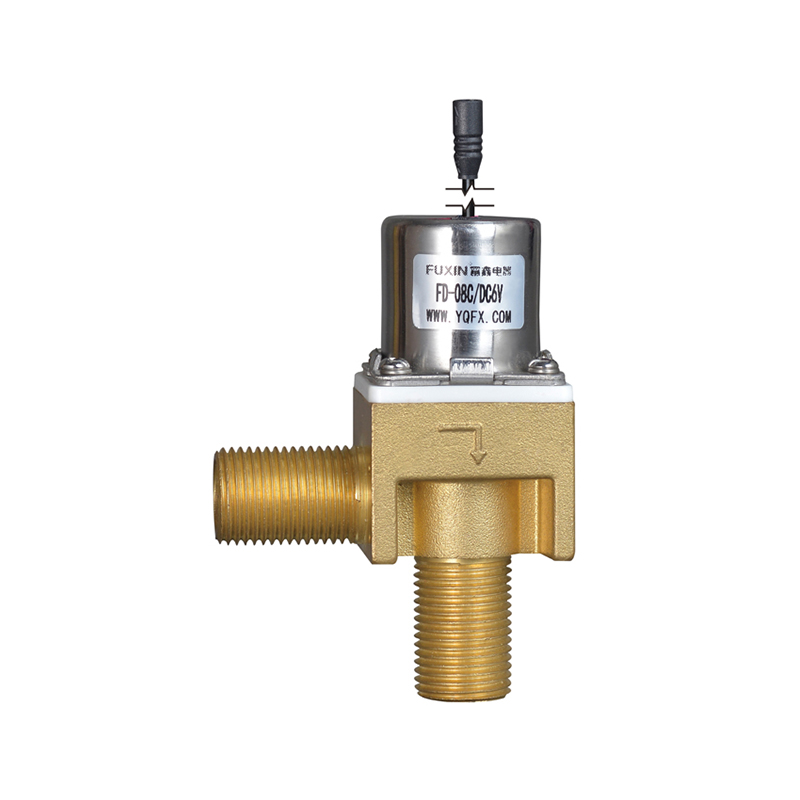
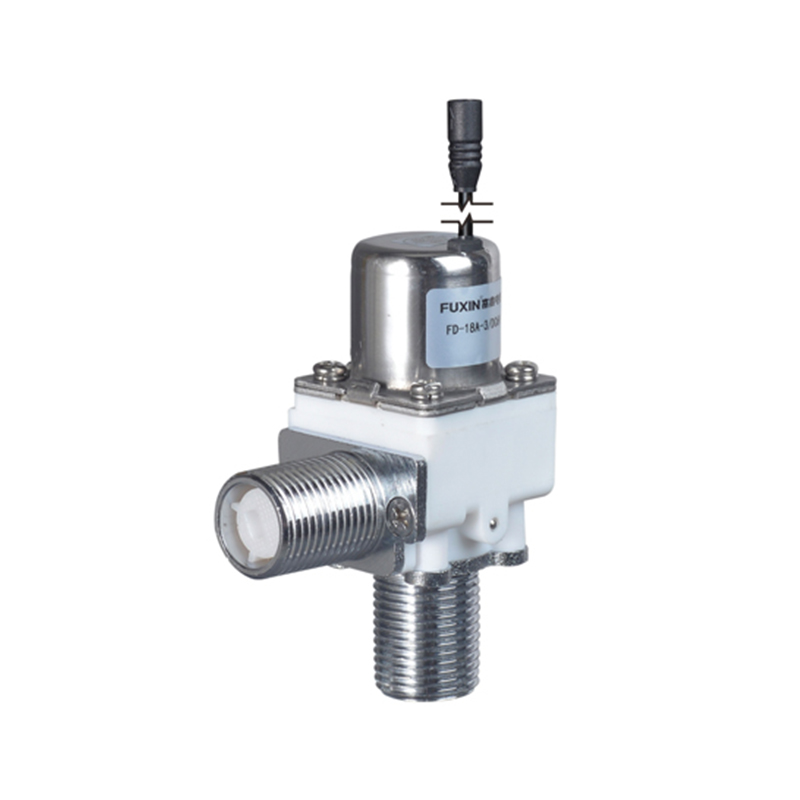
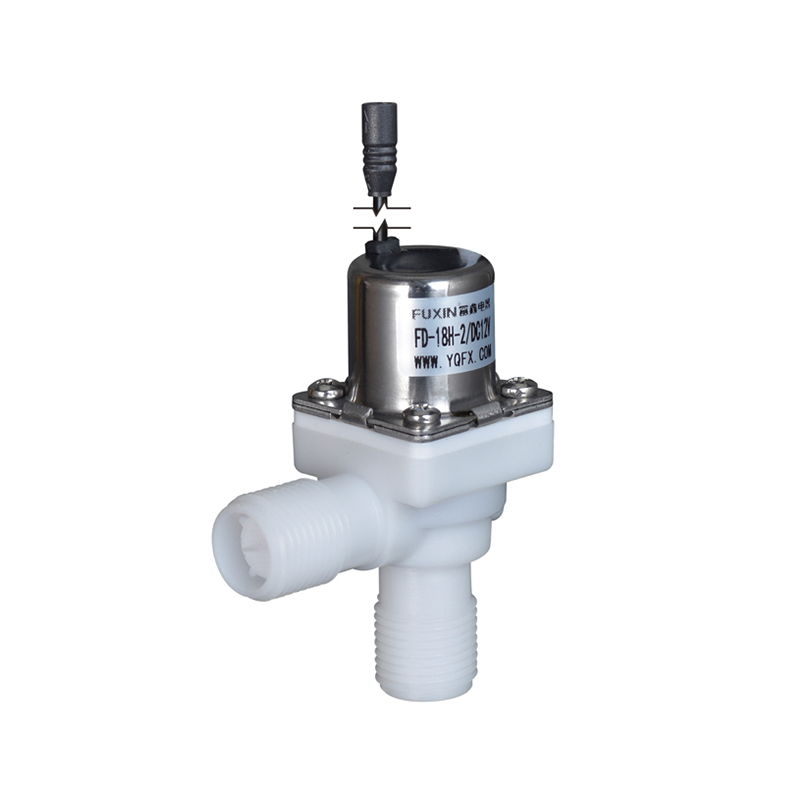
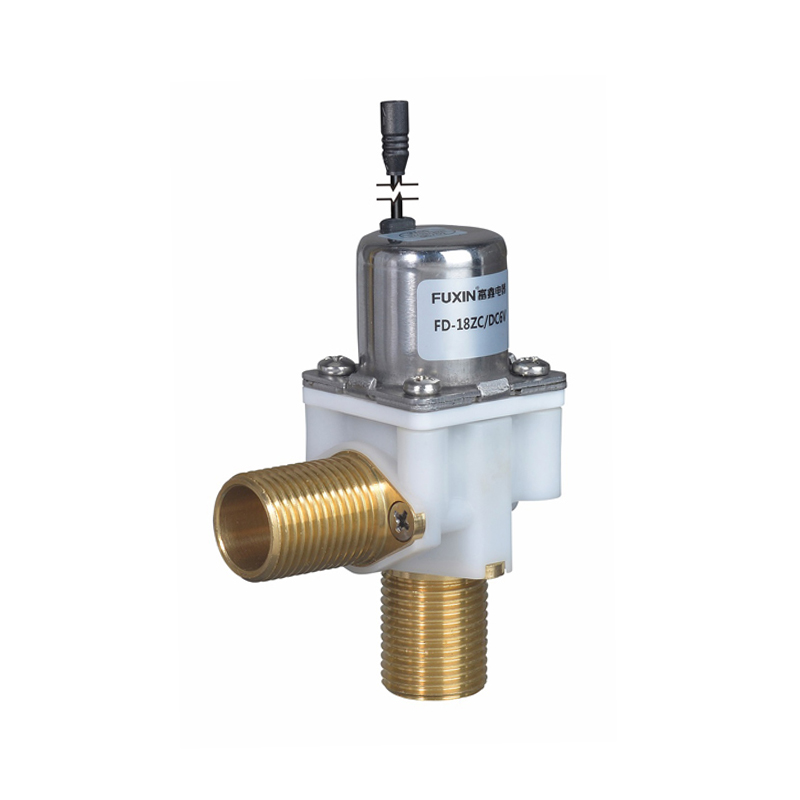
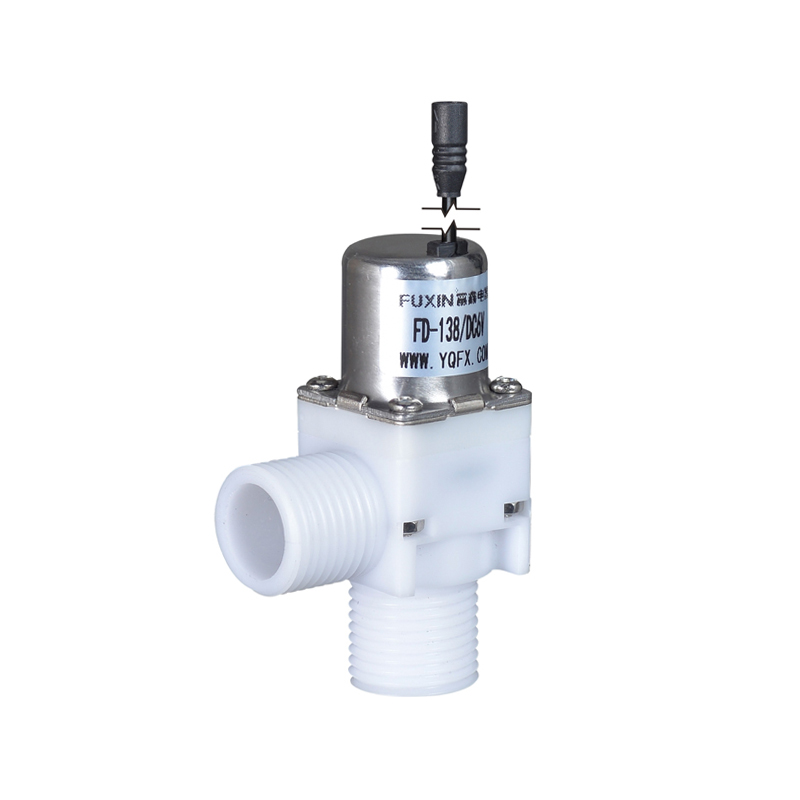
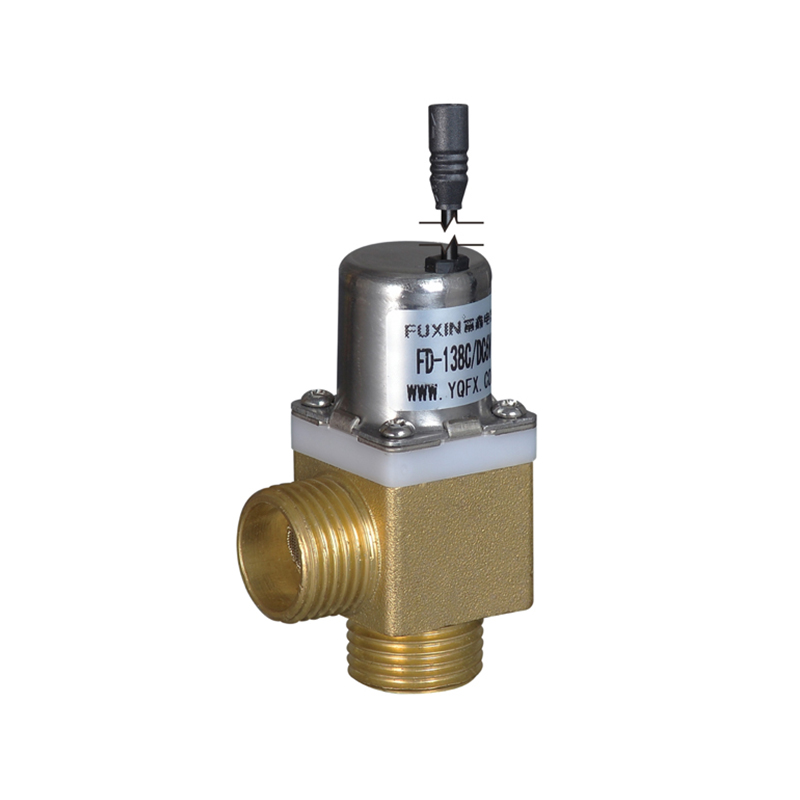
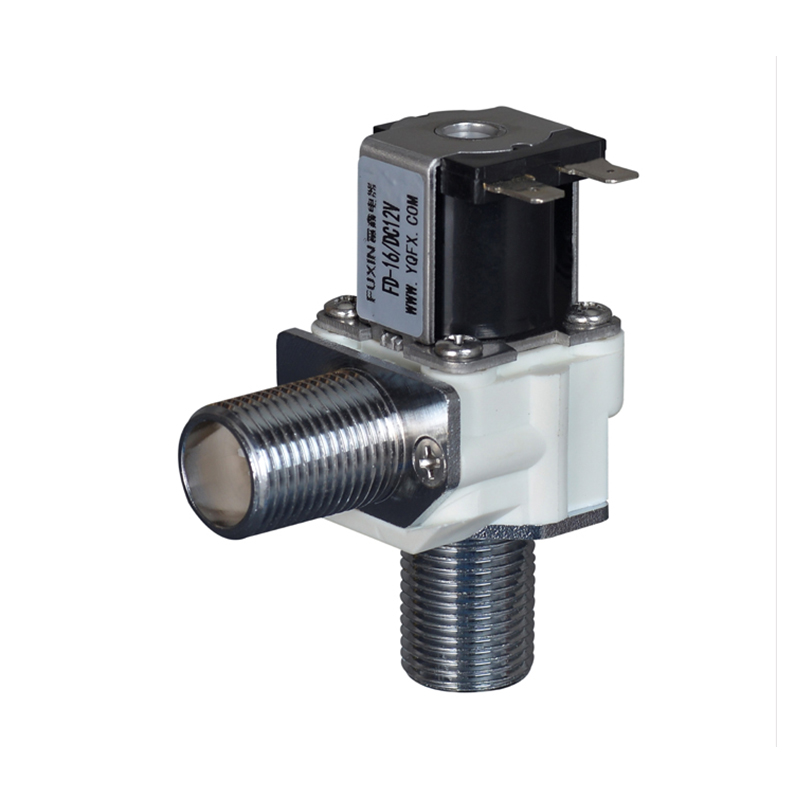
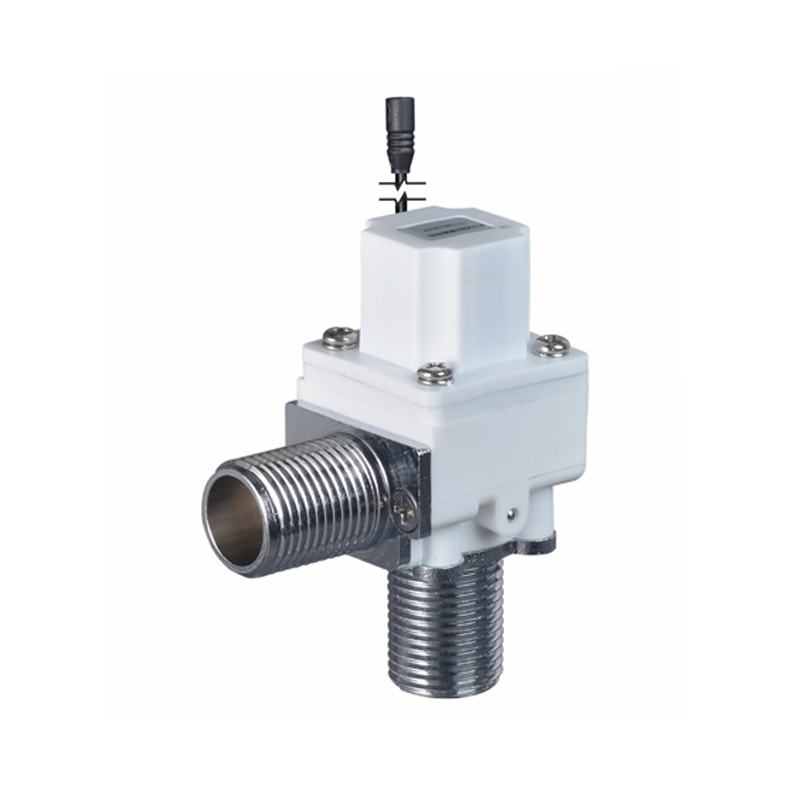
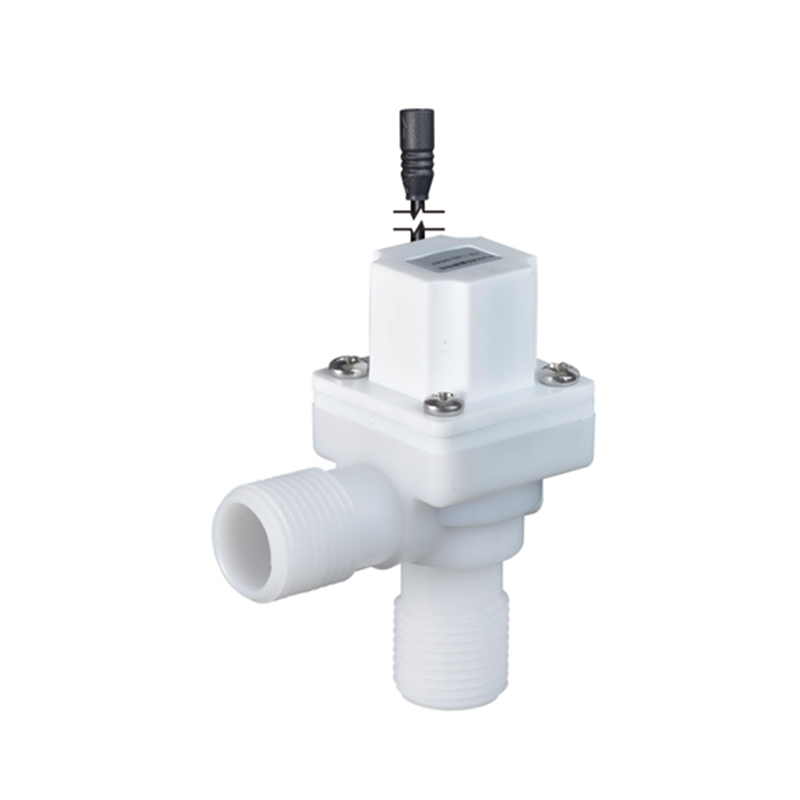
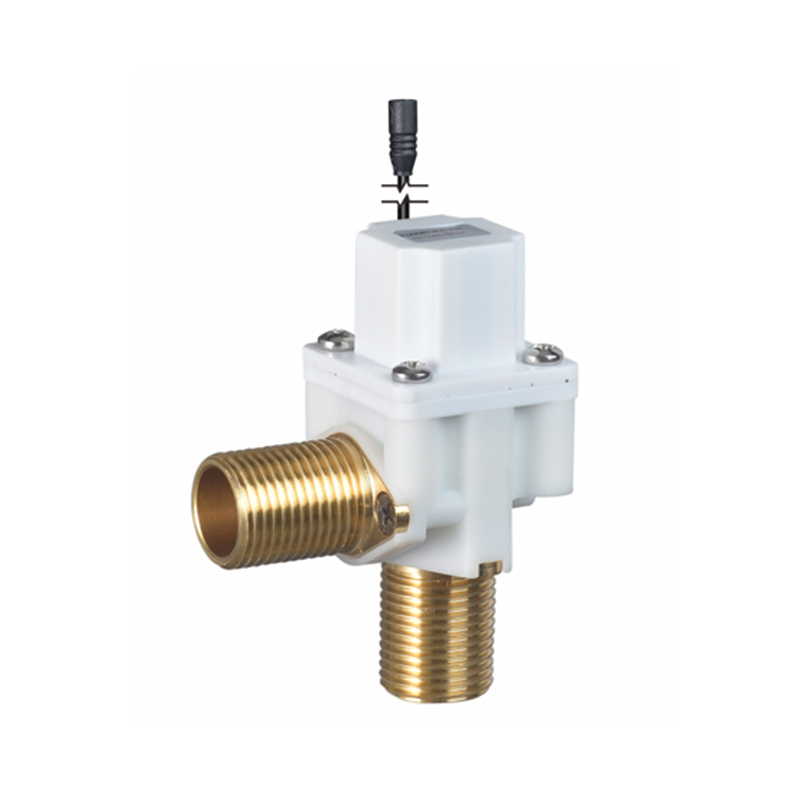
A janitor walking through a busy office building at the end of the day notices water still trickling in one of the urinals, or worse, nothing happening at all after someone walks away. Automatic urinals are designed to operate quietly in the background, and on regular days they simply do their job without drawing attention to the mechanism hidden behind the wall. It's only when the Urinal Sensor Solenoid Valve stops cooperating that anyone remembers it's there at all, usually because water won't flow, the flush cuts off halfway, or the thing just keeps running long after it should've shut off.
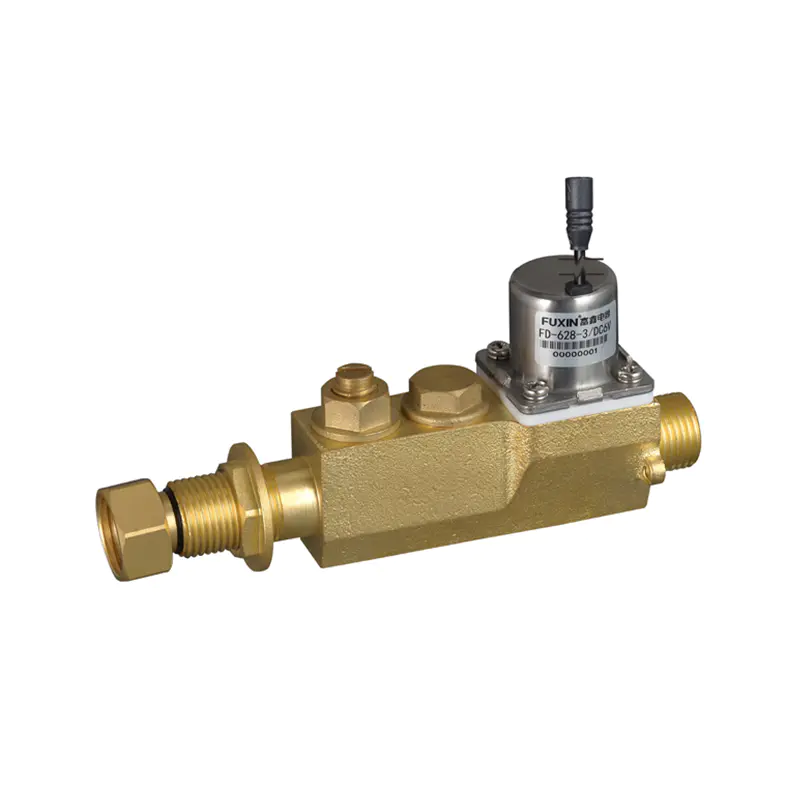
None of this automatically means the whole unit needs tearing out and replacing. A lot of these problems trace back to something simpler — a loose wire, a clogged line, a sensor covered in grime — and figuring out which one is happening usually saves a maintenance team a lot of unnecessary parts and labor.
How Does This Valve Actually Work Behind the Scenes?
A solenoid valve is basically the gatekeeper for water in an automatic flushing system. The sensor watches for someone standing in front of it, and once it picks up that activity, it sends a signal telling the valve to open and let water through.
A few parts are working together here, not just one:
| Component | What It Actually Does |
|---|---|
| Sensor unit | Notices when someone's using the fixture |
| Control section | Takes that signal and decides what to do with it |
| Solenoid valve | Physically opens or closes to control water |
| Power source | Keeps the whole system running |
| Water supply line | Actually delivers the water to the fixture |
Each piece depends on the others doing its job correctly. If the sensor's dirty, or the power's flickering, or the water line's partially blocked, the valve can look broken even when it's actually fine on its own. That's why fixing this properly means checking more than just the valve itself.
What Does a Failing Valve Actually Look Like Day to Day?
Problems here tend to show up in a handful of predictable ways, and recognizing the pattern makes troubleshooting a lot faster.
| What You Notice | What's Probably Going On |
|---|---|
| No flush at all | Valve isn't opening, or never got the signal |
| Water keeps running | Valve isn't closing all the way |
| Weak flush | Something's restricting water flow |
| Slow response after use | Sensor and valve aren't communicating well |
| Flushing happens randomly | Parts aren't syncing up properly |
None of these symptoms point to just one culprit on their own. A dirty sensor can look exactly like a stuck valve from the outside, and a partially closed water line can mimic what looks like an electrical fault. Working through the whole system beats guessing at just one part.
Could This Just Be a Power Problem?
Every automatic fixture needs steady power to work, and it's easy to overlook this while staring at the valve itself.
Sometimes the fix is embarrassingly simple — a connection worked loose, a battery that's finally given out, or a bit of moisture that got somewhere it shouldn't.
A few things worth checking on the power side:
- whether the power source is still putting out enough juice
- whether any wiring connections have loosened over time
- whether moisture has gotten into an electrical component
- whether the control unit is actually sending a signal at all
Commercial restrooms get mopped and sprayed down constantly, and that moisture doesn't always stay where it's supposed to. A quick check of the power situation before pulling the valve apart usually saves a lot of wasted effort.
Could the Water Supply Itself Be the Real Issue?
Sometimes a valve gets blamed for something that's actually happening upstream in the water line.
Flushing relies on water being able to reach the valve properly. If the flow path is blocked, the valve may still function while the flushing process fails to work as expected.
A few common culprits:
- a partially or fully blocked supply line
- debris that's built up inside the pipe over time
- a shutoff valve that got bumped closed, even slightly
- mineral buildup narrowing the water path
Depending on local water quality, this kind of buildup can sneak up gradually over months of normal use. If a valve is clearly getting a signal but still won't release water, it's worth checking the plumbing before assuming the valve itself is broken.
Why Do These Valves Get Stuck in the First Place?
A solenoid valve has moving parts inside, and moving parts wear down or gum up over time, same as anything else mechanical.
A valve tends to get sluggish or stuck because of:
- grit or debris working its way into the valve body
- ordinary wear after enough cycles of opening and closing
- long stretches with no maintenance at all
- something off with how it was installed originally
A stuck valve can go one of two ways — either it stays shut and nothing flushes, or it stays open and water just keeps running. Neither is great, and both usually point back to the same root cause: the valve hasn't been looked at in a while.
Busy public restrooms put these fixtures through a lot of cycles every single day, which makes regular attention here matter more than it would in a low-traffic bathroom at home.
Is It Actually the Sensor, Not the Valve?
It's tempting to blame the valve every time, but a lot of the time the sensor is the actual weak link.
The sensor's whole job is noticing someone's there and telling the valve to open. If it can't detect movement properly, the valve never even gets the message, no matter how well it would otherwise work.
A few things that trip up sensors:
- grime or dust covering the sensor lens
- the sensor being aimed or positioned slightly off
- other light sources or reflections confusing it
- an internal fault in the sensor itself
Wiping down the sensor and checking what's around it solves more of these problems than people expect. Since sensor issues and valve issues can look almost identical from the outside, it's worth ruling out the simpler fix first.
What Kind of Maintenance Actually Prevents This?
Automatic restroom fixtures hold up a lot better with a bit of routine attention instead of being left alone until something breaks.
A few habits worth building into a regular routine:
| Maintenance Task | Why It Helps |
|---|---|
| Wiping down the sensor | Keeps detection working reliably |
| Checking wiring connections | Catches loose parts early |
| Looking over the water lines | Prevents flow problems before they start |
| Inspecting the valve itself | Catches wear or buildup early |
| Running a quick test flush | Confirms everything's actually working |
None of this needs to turn into a big production. A quick check every so often tends to catch small problems long before they turn into a fixture that's completely stopped working.
Buildings with several restrooms benefit from keeping some kind of record of what's been checked and when — it makes it a lot easier to spot a pattern if the same fixture keeps acting up.
When Does It Actually Make Sense to Replace the Valve?
Not every malfunction means buying a new part. Plenty of issues clear up with a good cleaning or a small adjustment.
Repair usually makes sense when:
- debris is blocking the valve
- a connection just needs tightening or resetting
- components need a proper cleaning
- the real problem is something nearby, not the valve itself
Replacement starts making more sense once a valve has clearly worn out internally or still won't respond properly even after a thorough check.
Before replacing a valve, it helps to identify the reason behind the failure instead of simply installing a new one. Swapping a part without understanding why it failed sometimes just means the same problem shows up again in a few months.
What's a Sensible Way to Actually Troubleshoot This?
For anyone managing a commercial building, a broken automatic urinal isn't just an annoyance — it adds to the maintenance workload and annoys everyone using the restroom in the meantime.
A practical way to work through it, step by step:
- Check the power source, including batteries, wiring, and connections.
- Confirm water is actually reaching the fixture.
- Look over the sensor for dirt, misalignment, or damage.
- Inspect the valve itself for visible wear or blockage.
- Test the whole system again after making any adjustments.
Starting with these basic checks avoids tearing the fixture apart before ruling out the simple stuff.
It helps to remember that the sensor, valve, and water line are all working as one connected system, not separate pieces. Focusing on just one part in isolation is a good way to miss what's actually going wrong.
Automatic flushing systems are meant to take some of the daily hassle out of restroom upkeep, but they still need a bit of attention now and then to keep working the way they should. When a Urinal Sensor Solenoid Valve stops cooperating, the actual cause could be sitting in the power supply, the water line, the sensor, or the valve itself — and taking the time to check each one properly usually gets to the real problem faster than guessing and swapping parts at random.