
 EN
EN English
 Español


Understanding the Role of a Tap Solenoid Valve
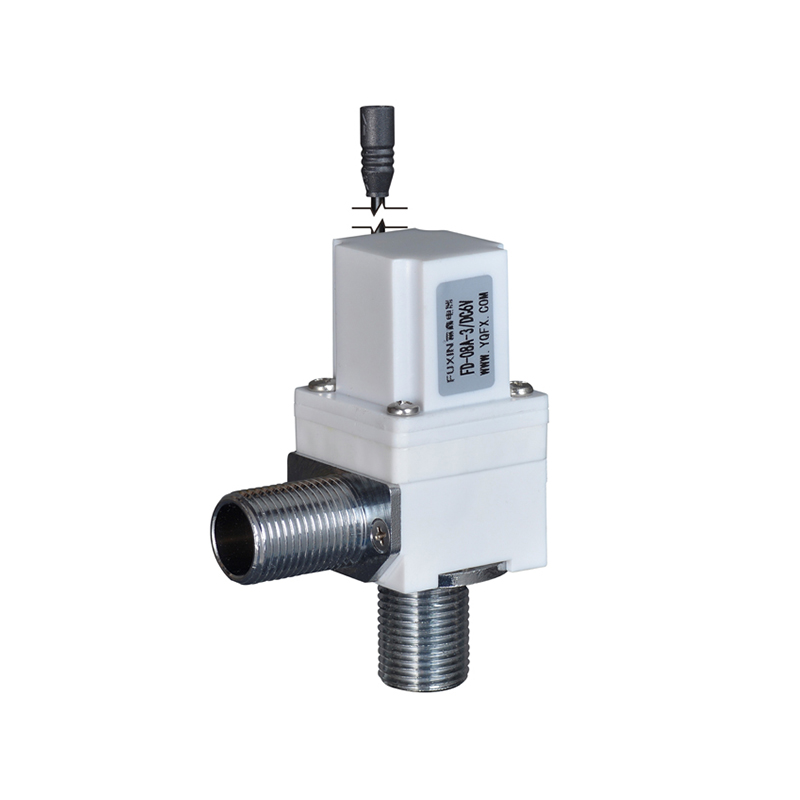
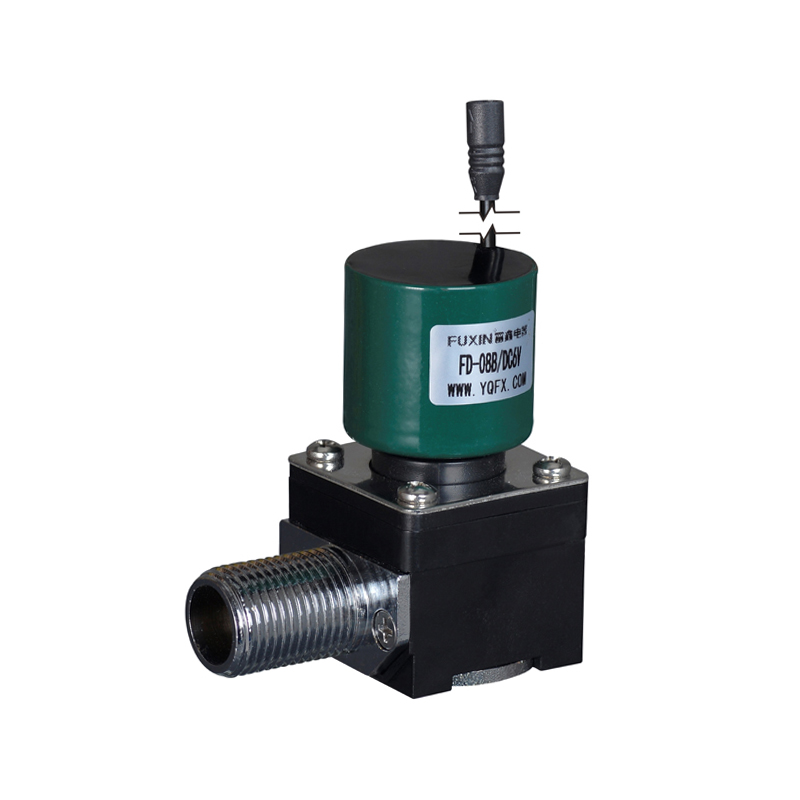
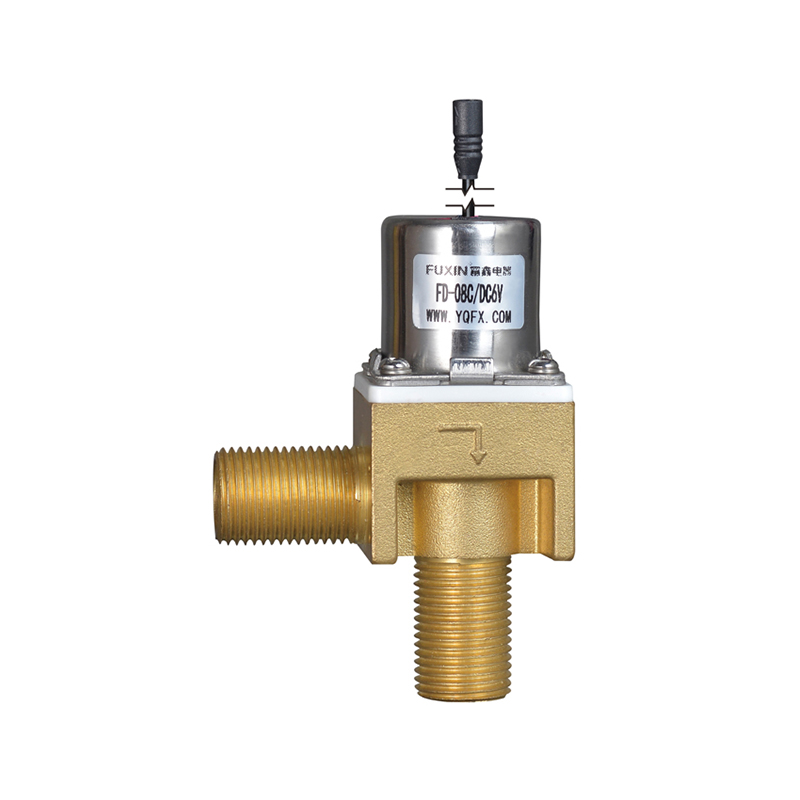
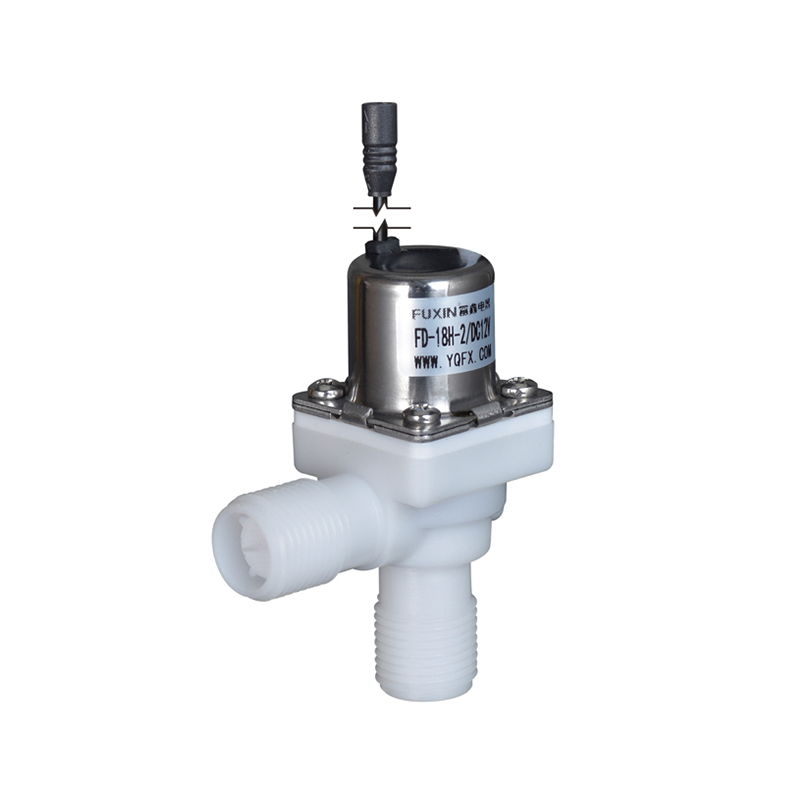
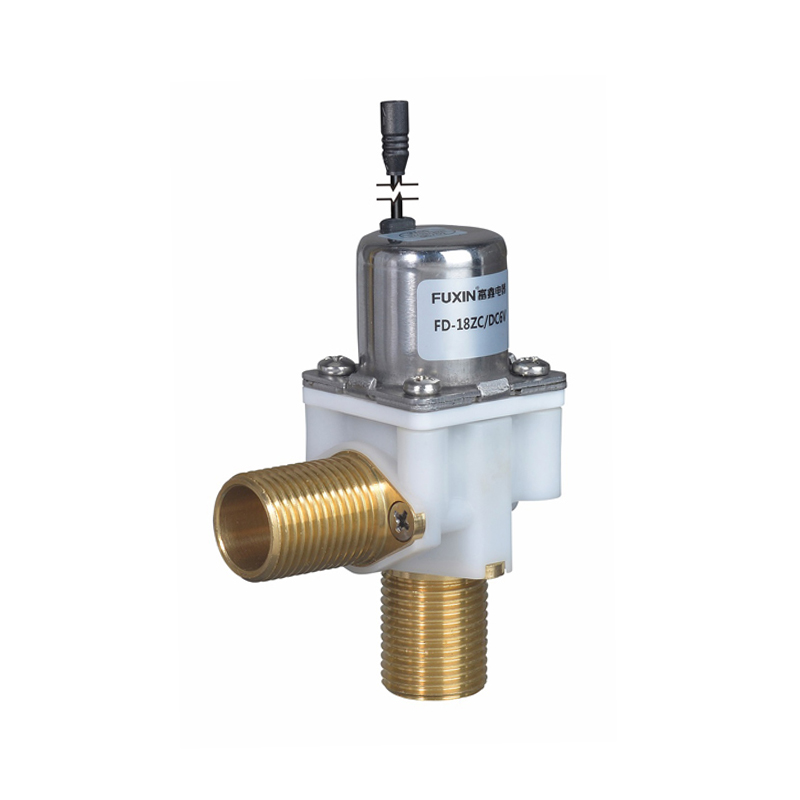
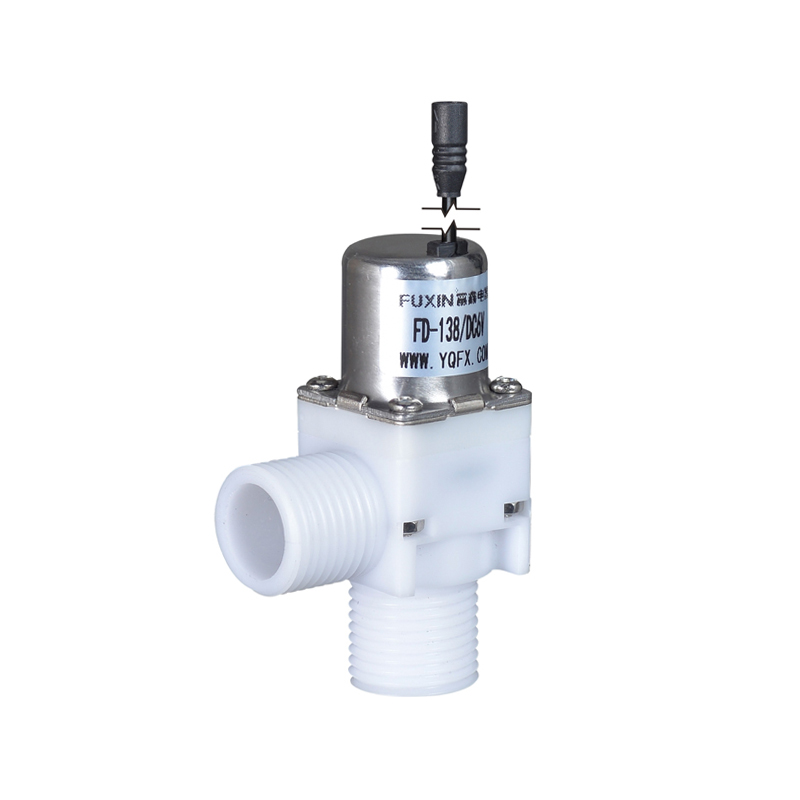
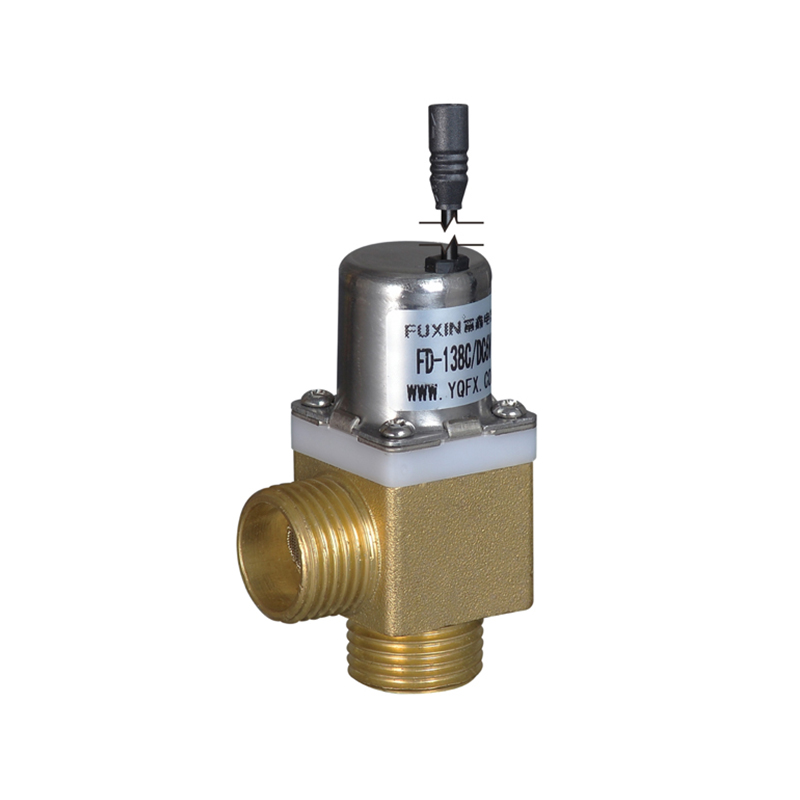
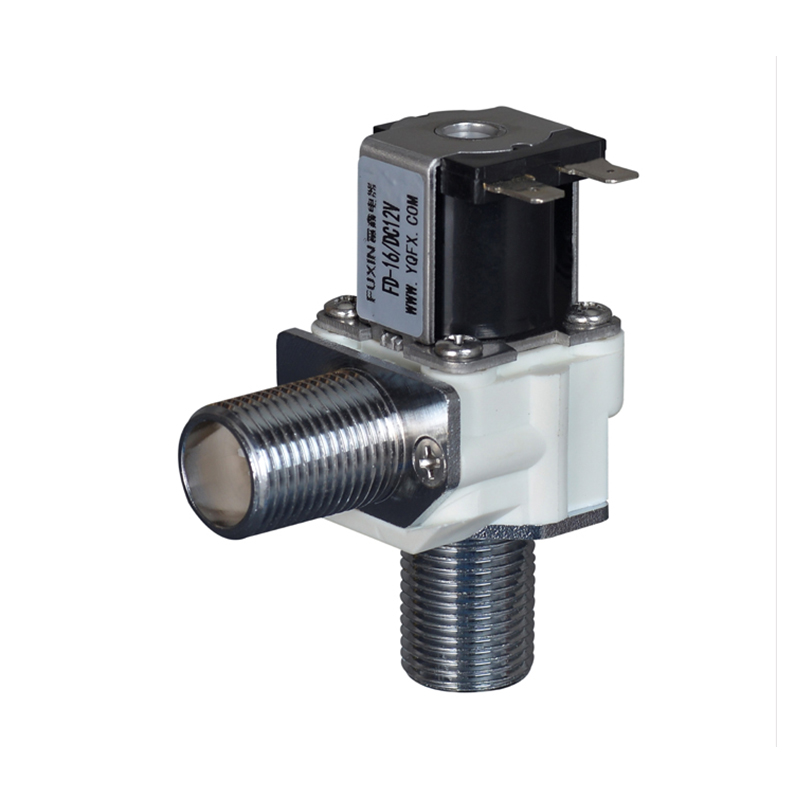
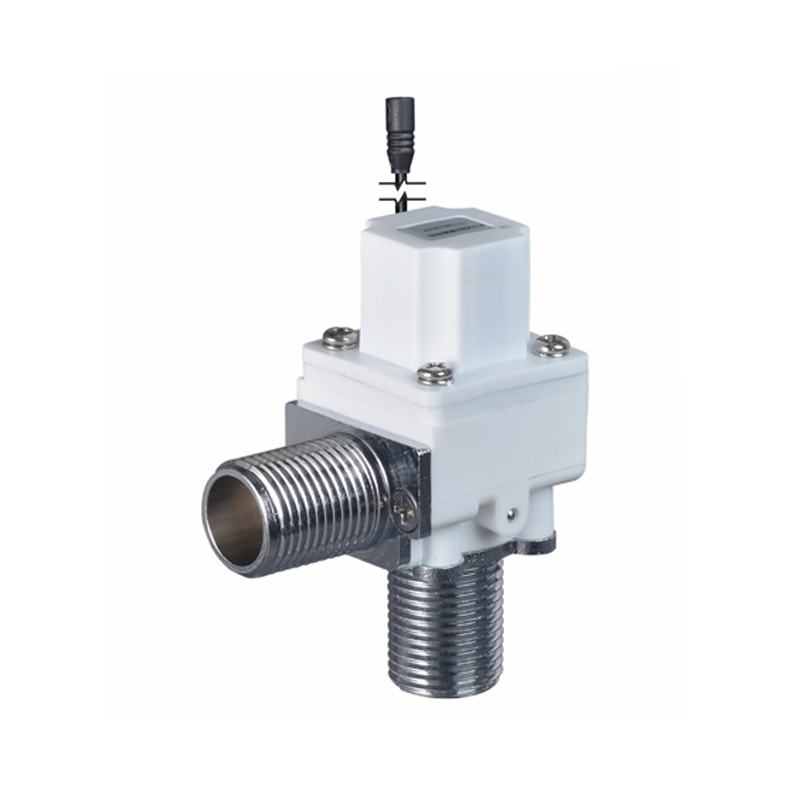
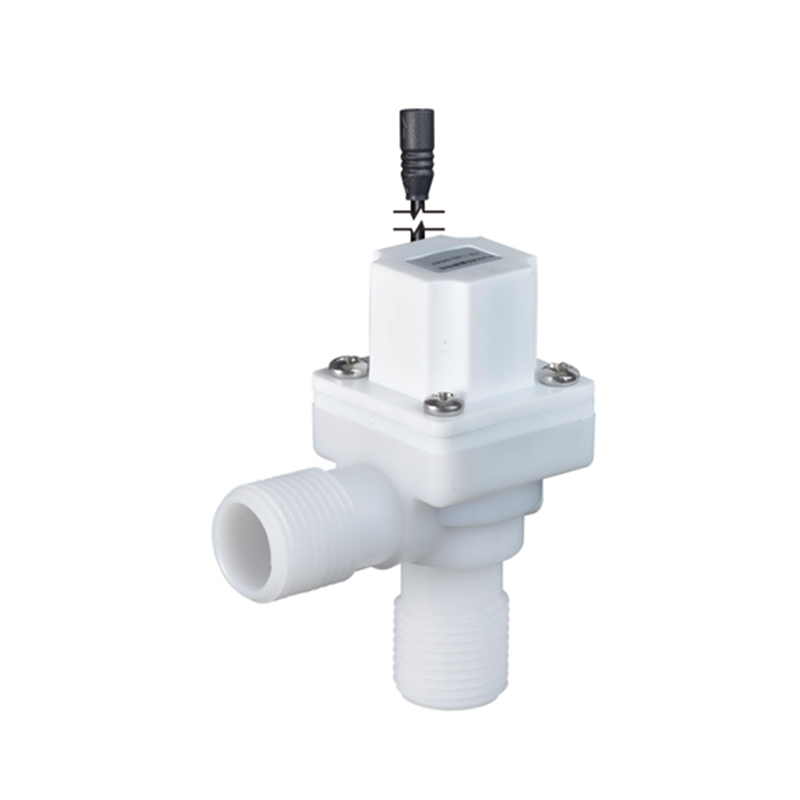
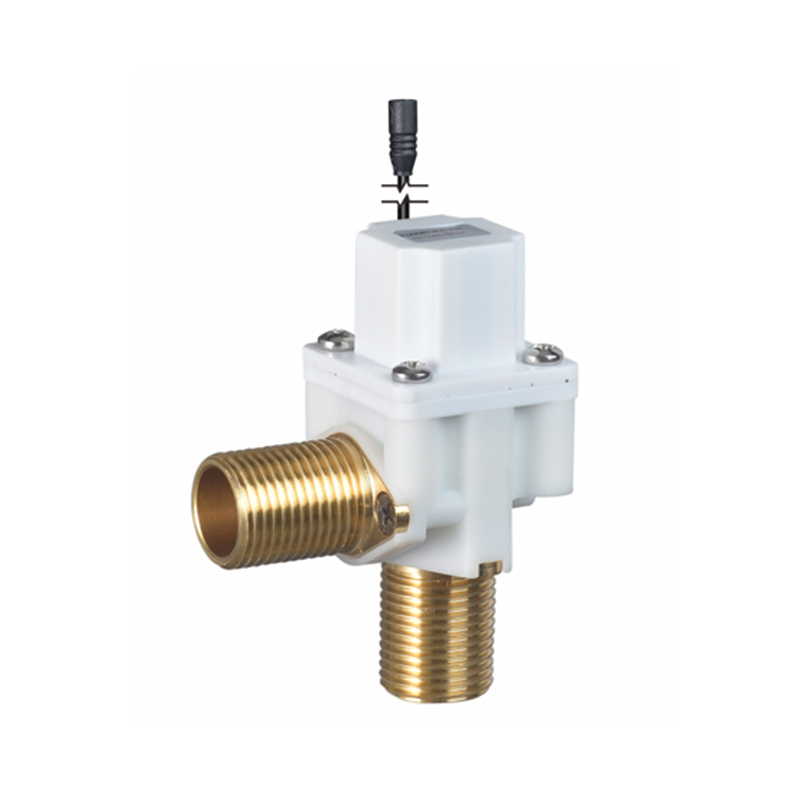
In modern sanitary and water control systems, the Tap Solenoid Valve is a key component for precise and automated water flow management. These valves are widely used in intelligent toilets, kitchen appliances, garden irrigation, and industrial water systems. They respond to electrical signals, allowing water to be controlled automatically without manual operation.
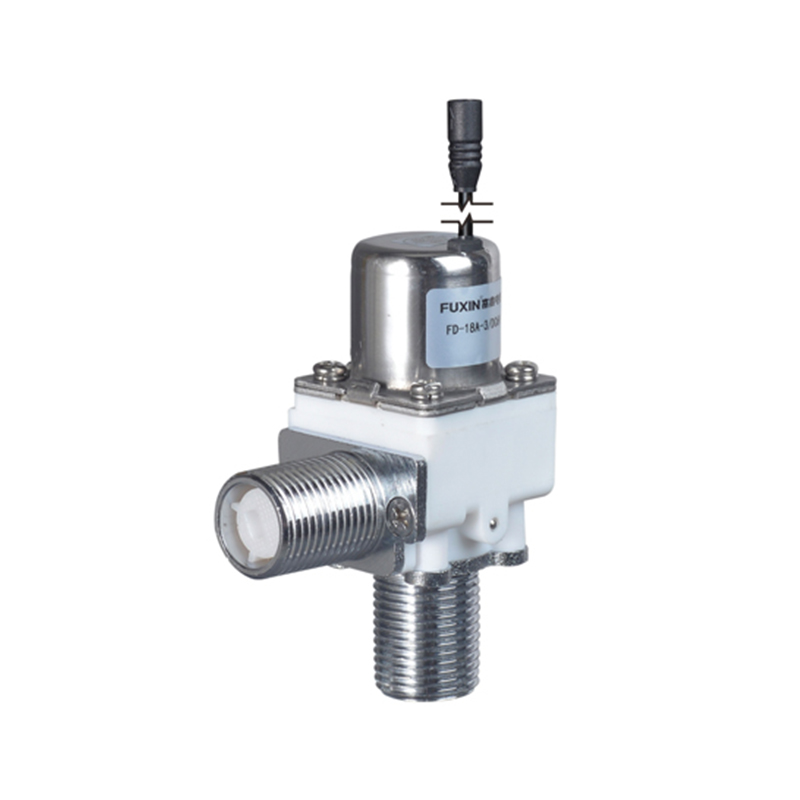
A high-quality valve ensures smooth operation, consistent water flow, and durability. Poorly designed valves can to frequent maintenance, inconsistent water delivery, and higher operational costs.
Common Challenges in Solenoid Valve Applications
Manufacturers often face several issues when integrating solenoid valves into their products:
1. Durability Concerns
Frequent opening and closing cycles require a valve that can withstand long-term use. A well-engineered Tap Solenoid Valve can last over 1.2 million cycles, reducing downtime and maintenance.
2. Energy Efficiency
Many systems, especially battery-powered toilets and appliances, require low power consumption. A valve that operates efficiently can significantly extend battery life and reduce energy costs.
3. Compatibility with Various Systems
Different devices have unique installation requirements. Flexible design ensures a Tap Solenoid Valve Factory can provide valves suitable for multiple system architectures.
4. Resistance to Water and Contaminants
Water exposure and impurities can affect valve performance. Valves with high waterproof ratings and self-cleaning capabilities maintain reliable operation over time.
How a Tap Solenoid Valve Supports Automated Water Systems
The Tap Solenoid Valve responds to electrical control signals, opening and closing the water flow as needed. This automation improves:
- Water usage efficiency
- Hygiene in public or residential applications
- Operational reliability
- Integration with intelligent control systems
In intelligent toilets, for instance, the valve ensures precise flushing volumes, minimizing water waste. In garden irrigation or industrial applications, it allows programmable control for water distribution.
Working Modes of Tap Solenoid Valves
Pulse Operation
In this mode, the valve is activated with a short electrical pulse. Pulse operation is ideal for battery-powered systems, helping conserve energy while maintaining quick response times.
Continuous Operation
Continuous mode keeps the valve open as long as a signal is applied. It suits installations with a stable electrical supply and where longer water flow periods are necessary, such as irrigation systems or industrial appliances.
Applications Across Industries
The versatility of Tap Solenoid Valves allows use in a variety of settings:
- Intelligent Toilets: Automated flushing control
- Kitchen Appliances: Water flow management for sinks or dishwashers
- Industrial Equipment: Controlled water use in processing or cleaning
- Garden Irrigation: Automated watering systems for efficiency
The ability to integrate seamlessly into these applications demonstrates the valve's flexibility and reliability.
Importance of Choosing a Reliable Factory
Selecting a reputable Tap Solenoid Valve Factory is crucial. Factories with advanced research, testing, and production capabilities can provide valves that meet performance expectations while supporting product innovation.
Key considerations when evaluating a factory:
- Experience in solenoid valve production
- Quality control and testing standards
- Capability to customize valves for specific applications
- Proven track record with certifications and client partnerships
The Tap Solenoid Valve is more than just a control component; it is integral to automated water systems. By focusing on durability, energy efficiency, and installation flexibility, manufacturers can achieve stable and reliable water control.