
 EN
EN English
 Español


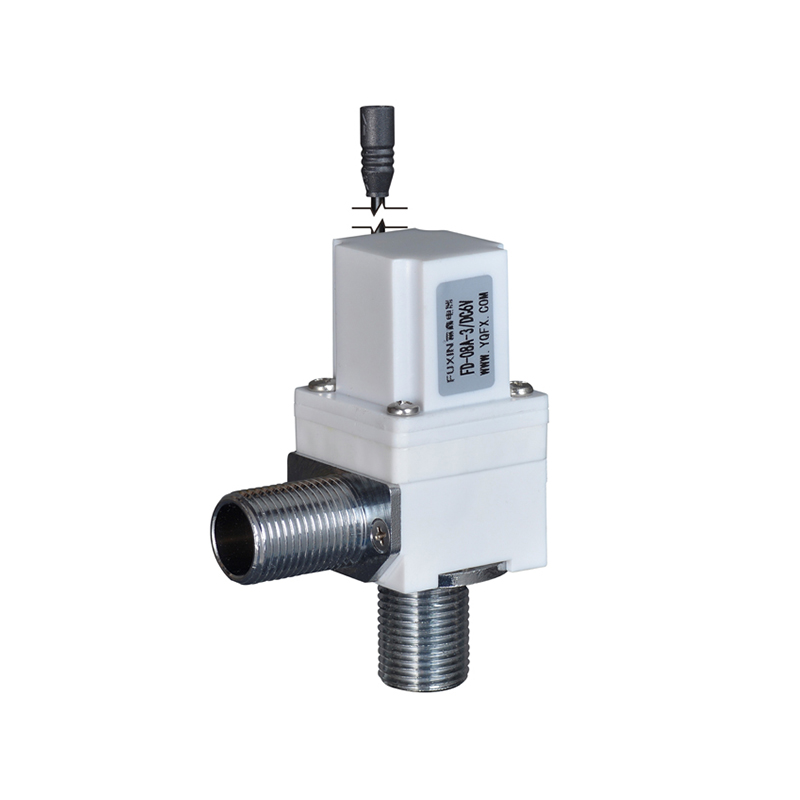
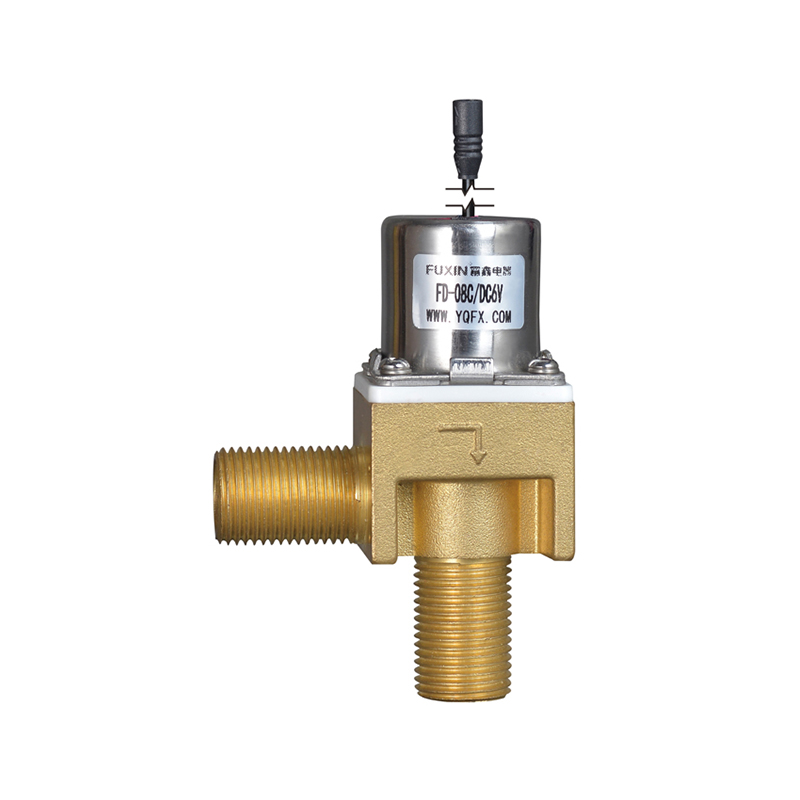
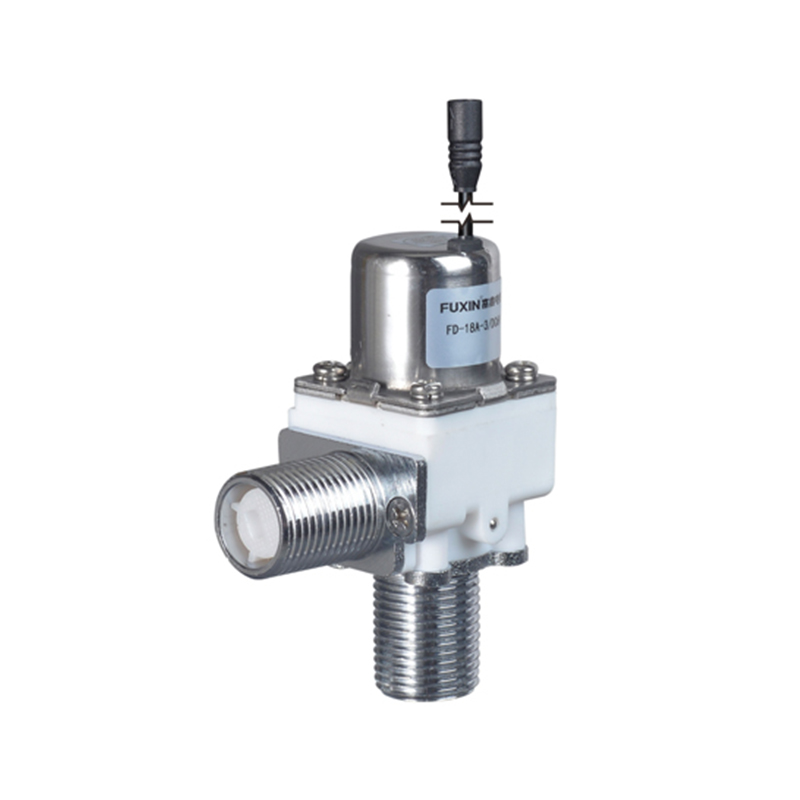
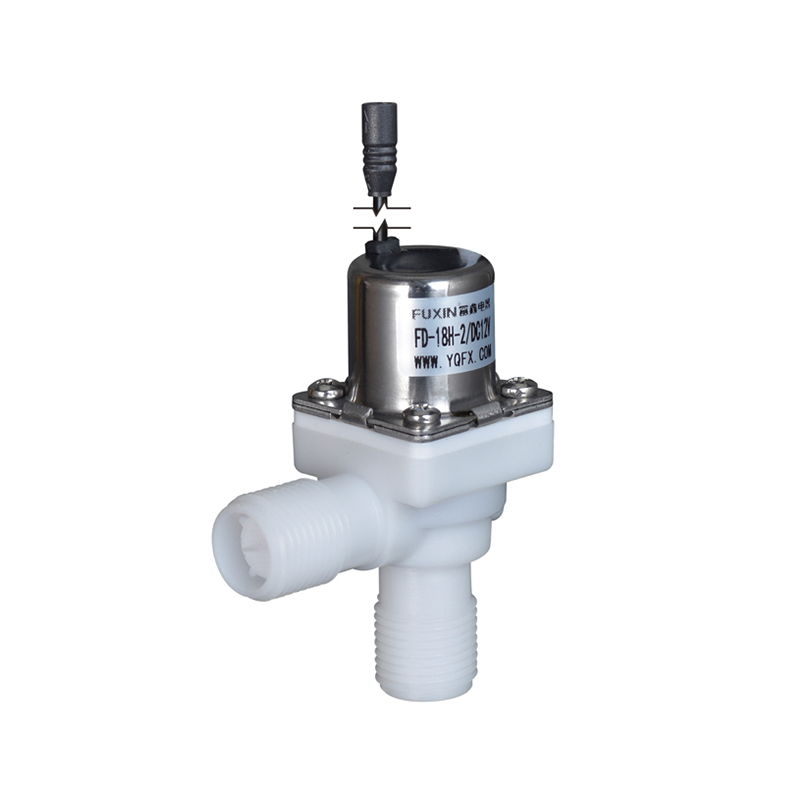
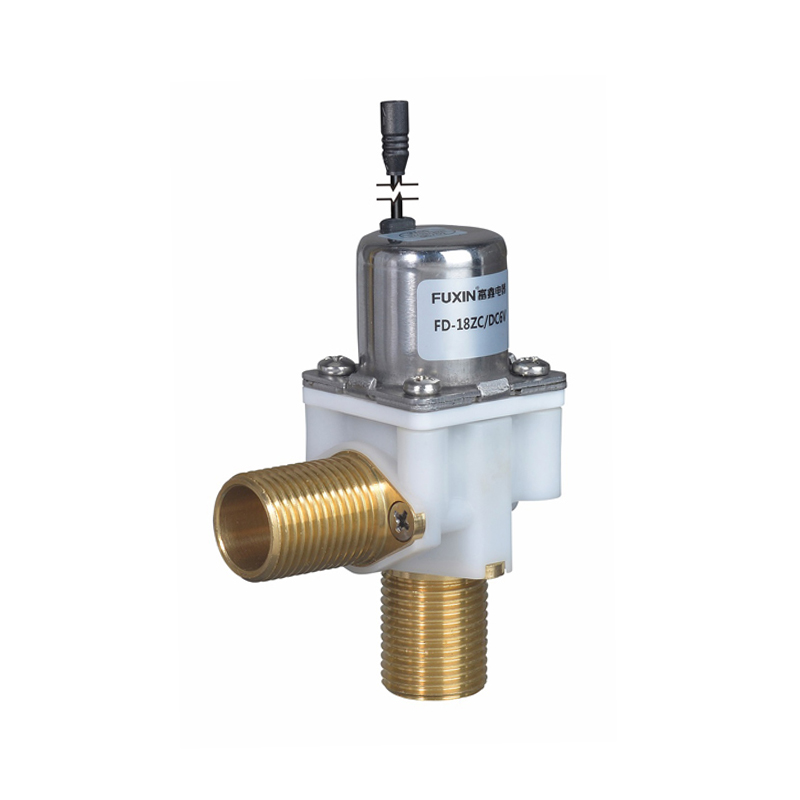
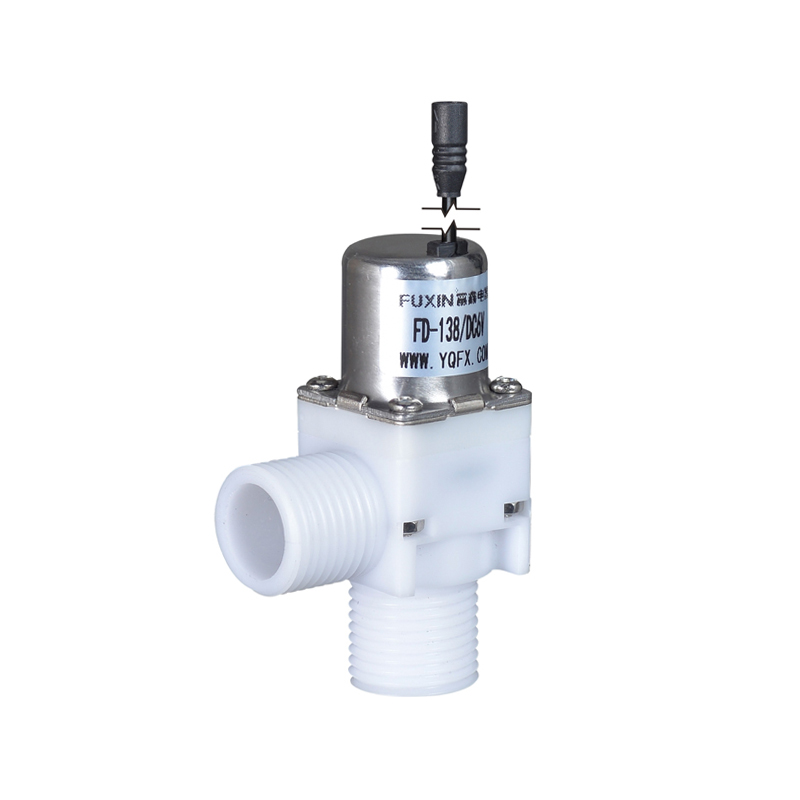
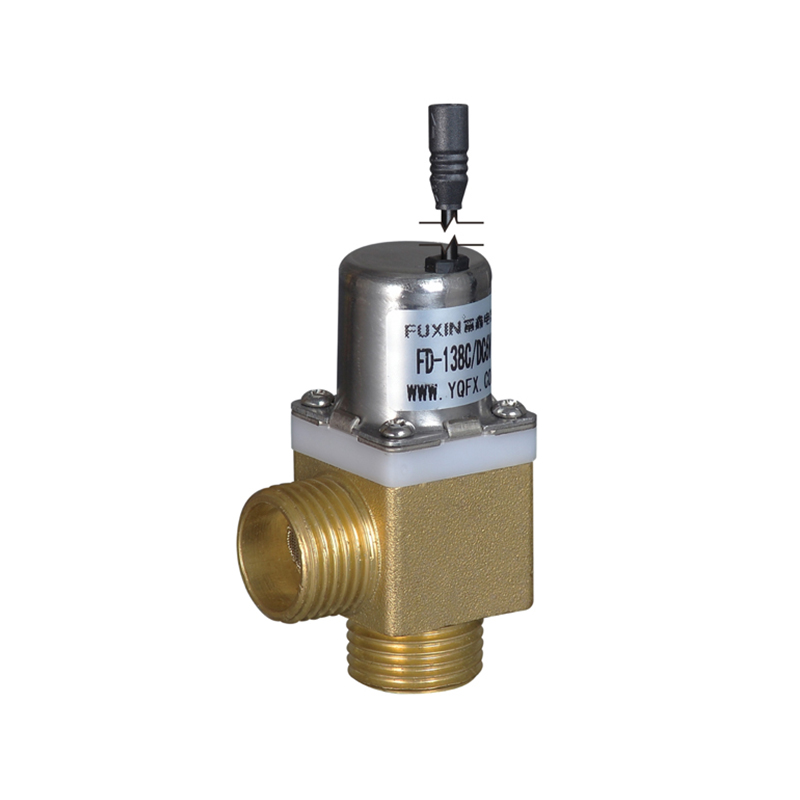
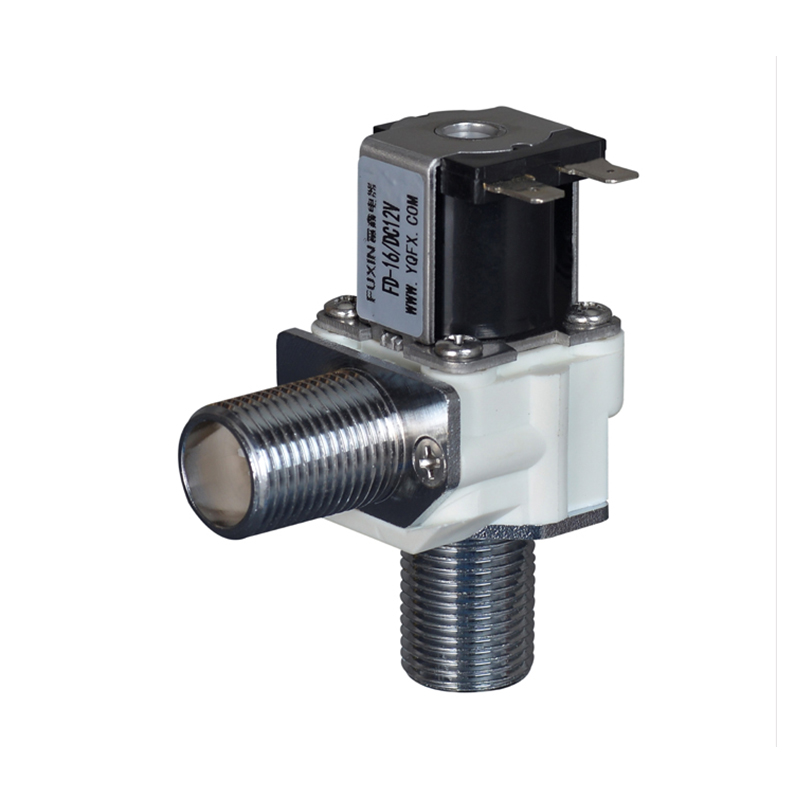
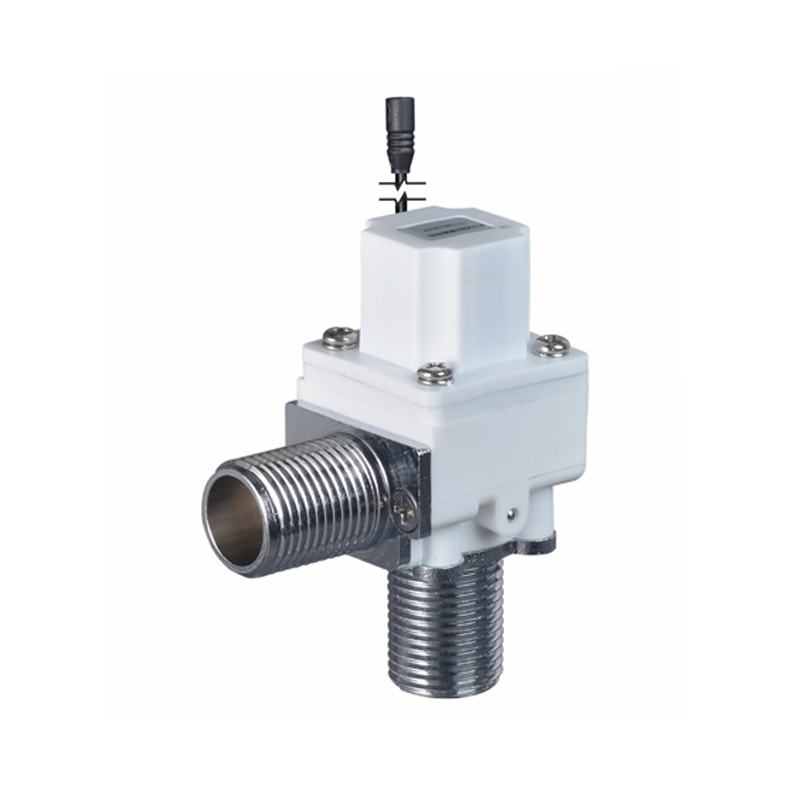
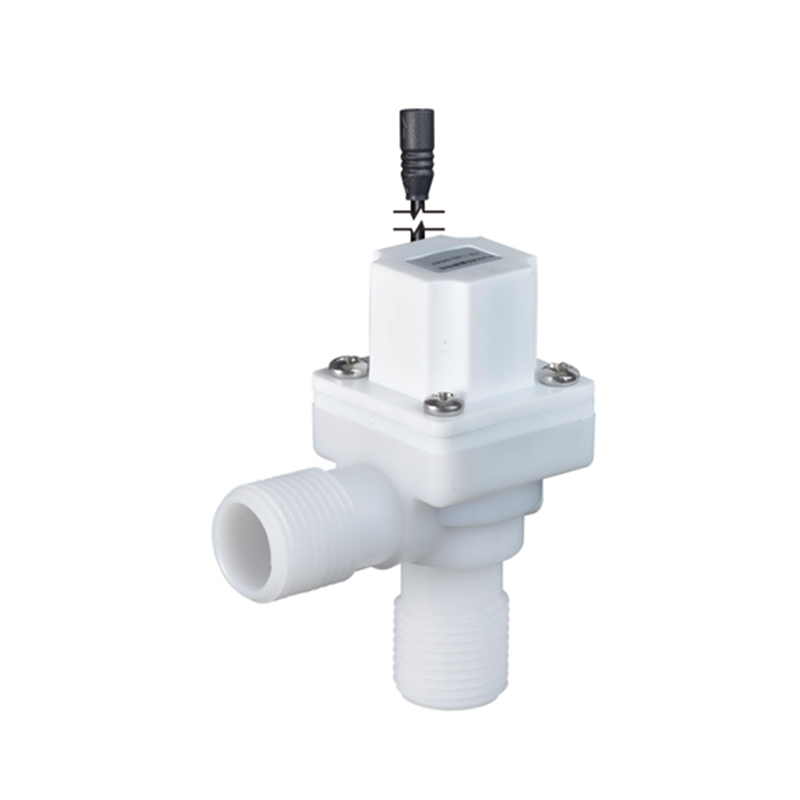
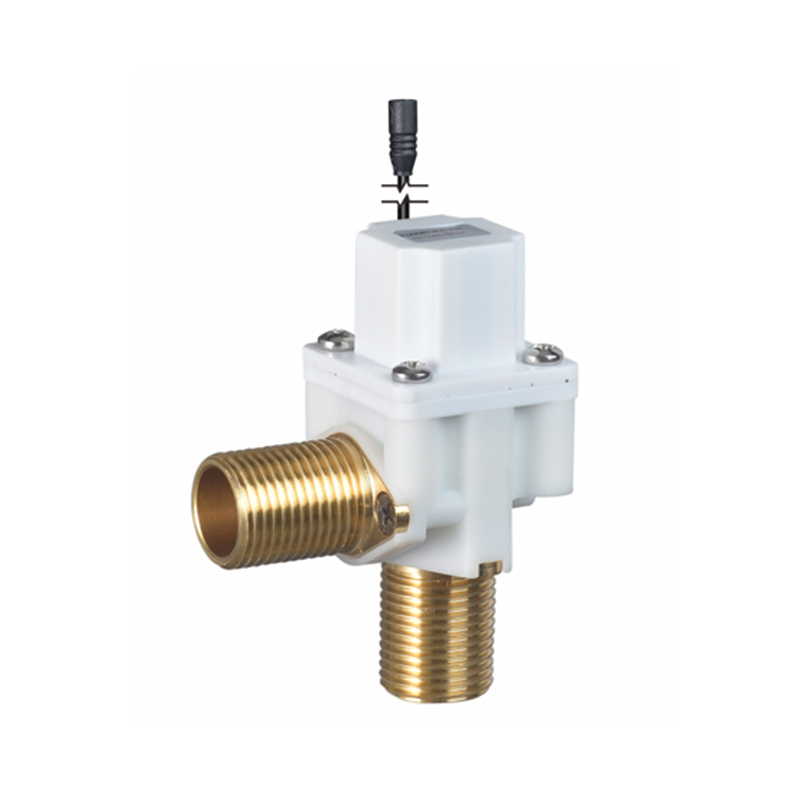
Touchless faucets have become a common part of bathrooms, kitchens, and public washrooms. Behind this smooth user experience, one small component plays a very important role: the Sensor Faucet Solenoid Valve.
This part controls the opening and closing of the water flow after receiving a signal from the sensor system. When the valve performs well, the faucet responds quickly, runs smoothly, and keeps working over a long period. When the valve quality is unstable, the whole faucet system may face issues such as delayed response, leakage, poor water control, or repeated servicing.
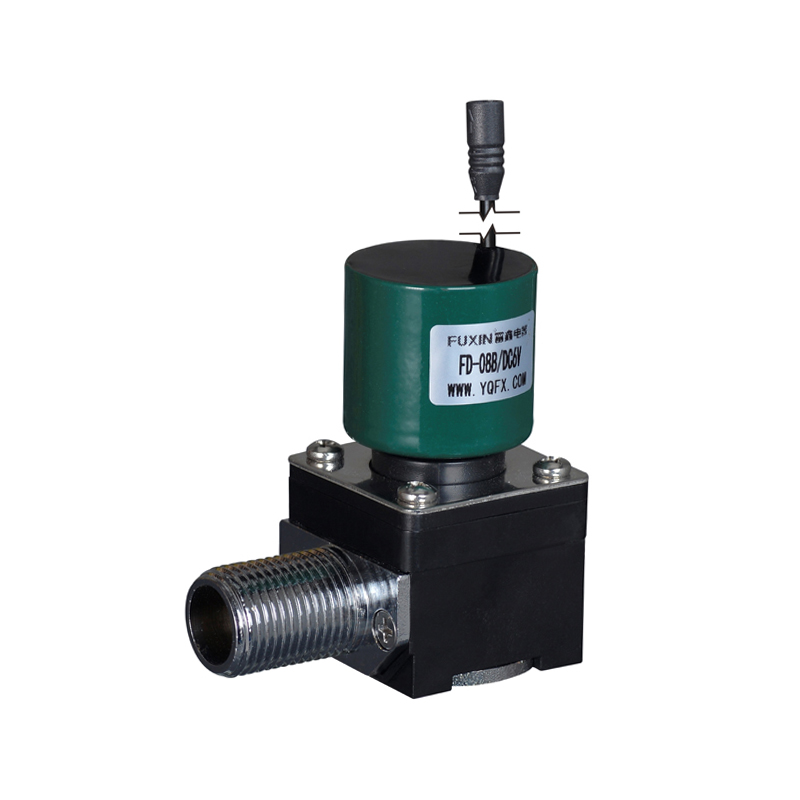
For faucet manufacturers and product developers, valve selection is not only about function. It also affects service life, installation design, waterproof ability, and energy use. That is why many companies pay close attention to how a Sensor Faucet Solenoid Valve Factory designs and builds this component.
What Problems Do Manufacturers Often Face with Solenoid Valves?
When developing sensor faucets, many factories are not only looking for a valve that "works." They need one that fits long-term product requirements.
Common concerns usually include:
1. Short service life
Frequent opening and closing can quickly wear out low-quality internal structures. In public-use environments, this becomes a practical issue.
2. High power demand
Battery-operated sensor faucets need low energy consumption. A valve with poor power efficiency can shorten battery life and affect daily use.
3. Weak waterproof performance
Faucets are constantly exposed to moisture. If the valve is not well protected, water ingress can affect stable operation.
4. Poor impurity resistance
Water systems often contain small particles or mineral residue. Without a suitable design, blockage or sticking may happen over time.
5. Limited structural compatibility
Different faucet models require different internal layouts. A valve that is difficult to integrate may increase design and assembly pressure.
These are exactly the areas where a well-developed Sensor Faucet Solenoid Valve makes a visible difference.
How Does a Sensor Faucet Solenoid Valve Support Stable Faucet Operation?
A touchless faucet needs coordinated action between the sensor, control unit, and valve. Among these parts, the valve is directly responsible for water regulation.
Once the sensor detects hand movement, the control system sends a signal to the valve. The valve then opens or closes the water path. This process may sound simple, but actual performance depends on internal structure, response speed, and working mode.
A reliable valve helps the faucet achieve:
- Fast water start and stop
- Smooth daily operation
- Controlled water output
- Lower failure frequency
- More flexible system design
That is why the valve should never be treated as just a small accessory. In many faucet projects, it is one of the key performance parts.
Why Low Power Consumption Matters More Than It Seems
Power use is often discussed only in electronics, but in sensor faucets, it is also a key mechanical consideration.
A low-power valve helps support:
- Longer battery replacement intervals
- More stable touchless response
- Better suitability for remote or compact installations
Pulse-operated valves are especially useful where battery management matters. When a valve can respond through a short pulse instead of requiring extended power input, the faucet system becomes more efficient in daily operation.
This is one reason why the Sensor Faucet Solenoid Valve remains a core component in touchless faucet engineering rather than a simple supporting part.