
 EN
EN English
 Español


Manufacturers and service teams handling smart toilets run into the same frustrations again and again. Valves end up draining power even when they sit idle or start leaking after a few months of normal use. Inconsistent flushing cycles and unexpected failures create extra work during assembly and plenty of warranty calls later. Bi Stable Solenoid Valve options stand out because they only need a brief pulse to switch and then hold position without constant electricity.
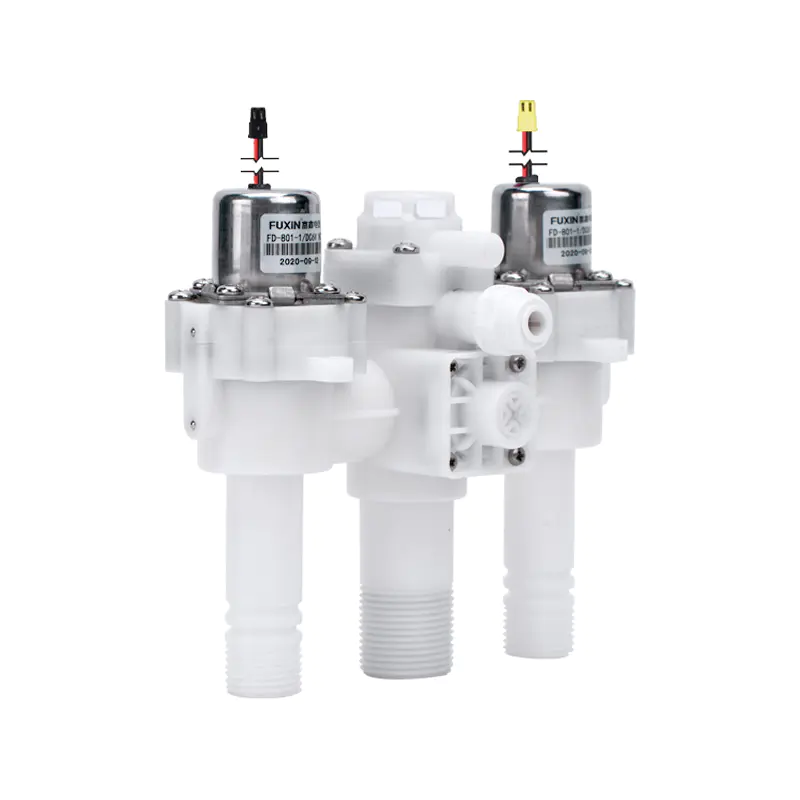
Bi Stable Technology Brings Clear Advantages
Valves that stay in place after a short signal change the game for smart toilet efficiency. Power draw drops dramatically compared with traditional types. Production teams report fewer issues with batteries and overall energy use in finished units. The difference becomes obvious once you put them into real prototypes and run them day after day.
Why Does Power Consumption Matter in Valve Selection
Think about how many times a toilet flushes in a busy household. Every cycle counts when you add up energy over months and years. Bi stable designs only use power during the actual switch. This leaves more room for other functions and makes backup power last longer when needed. You avoid many of those nagging energy complaints that come back from installers.
Valve Response Time Affects User Experience
Fast and predictable opening makes flushing feel smooth and complete. Nothing annoys users more than a weak or delayed rinse. Developers often cycle units hundreds of times during testing just to feel how natural the action seems. One slight hesitation in timing and the whole experience drops in quality.
How Does Pressure Rating Influence Choice
Water pressure varies quite a bit depending on the building and location. Picking a valve rated for the right range prevents weak flow on one end and strain on the other. Get this part right early and you cut down on callbacks once units reach customers. It is one of those details that quietly prevents bigger headaches.
Material Selection Supports Long Term Reliability
Anything touching water constantly needs to handle minerals and daily exposure. Some materials hold up noticeably better than others over time. Teams usually check local water conditions before finalizing choices because what works in one city may not in another. This step alone saves trouble down the road.
What Role Does Flow Rate Play in System Design
You need enough water moving through to rinse properly without wasting it. Too little flow leaves residue and poor performance. Too much simply runs down the drain unused. Finding that balance with the bowl shape makes each flush feel effective and efficient. Users notice when it is dialed in correctly.
Installation Space Constraints in Modern Toilets
New toilet designs keep getting more compact. That leaves very little room for bulky components inside. Smaller valve bodies that still deliver the needed performance become worth their weight in gold. Engineers sometimes spend hours testing different orientations until everything fits without crowding other parts.
How to Evaluate Pulse Duration Requirements
Shorter pulses save energy but must still switch the valve reliably every time. Testing at different voltages shows the practical window that works consistently. A little adjustment here often finds the sweet spot for your particular control board. It feels like fine tuning an instrument until the note rings true.
Durability Under Repeated Cycles
Busy households flush many times every single day. Valves need to keep sealing well even after thousands of operations. This directly affects how often service calls come in later. Teams that have been through multiple generations of products learn to pay close attention to this factor early.
Does Coil Temperature Rise Create Problems
Some valves heat up when kept energized for long periods. Bistable versions avoid that, as they rest much of the time. Lower temperatures protect nearby electronics and keep everything running cooler inside the tight toilet base. Heat is one of those silent killers that shows up during extended testing.
Sealing Performance Prevents Leaks
Good seals stop those annoying drips that waste water and upset customers. Materials that stay flexible after long use make a noticeable difference. Pressure testing during development catches problems before they leave the factory. Even a tiny leak can turn into loud complaints once the unit is installed.
What About Voltage Compatibility Across Markets
Different countries run on different standard voltages. Valves that handle a useful range simplify production for global sales. This flexibility means fewer product versions in inventory and smoother planning overall. It is a quiet advantage when expanding into new regions.
Noise Levels During Operation
Quiet action matches the premium expectation for smart toilets. Some designs click or hum in ways that disturb quiet nights. Prototype sound testing helps pick models that stay discreet. Nobody wants their toilet to announce every flush in a peaceful home.
How Does Response Consistency Affect Flushing
Steady behavior across many cycles builds user confidence. Small variations in speed can make water patterns change noticeably from one flush to the next. Stable valves deliver repeatable results that feel dependable every time. This is where products start to separate themselves in the market.
Maintenance Access for Service Teams
Easy access during repairs saves time and frustration for technicians. Modular connections let them swap valves without tearing apart the whole unit. Field feedback often points to this as a make or break feature after one year. Good design here earns loyalty from service crews.
Choosing Between Different Actuation Methods
Pulse control brings clear energy savings for toilet applications. Still, it helps to understand how it compares with other approaches for your specific logic. Many development teams run direct comparisons during prototyping. The real differences only appear once you have them running side by side.
Environmental Factors Inside the Toilet
Humidity and temperature swings inside the base challenge every component daily. Valves that handle these shifts without losing performance support longer service life. Conditions in the hidden space can be harsher than many imagine. Features that tolerate this environment pay dividends later.
Integration With Electronic Control Boards
Clean electrical connections speed up the whole development process. Matching connectors and signals from the start avoids messy fixes later. Early talks between valve and board suppliers prevent delays during final assembly. Miscommunication in this area creates problems that are painful to untangle.
Cost Considerations Across Production Volumes
Upfront price is important but total cost over time includes energy use and service frequency. Different market segments need different balances. Higher volumes can change the equation significantly. Looking only at the initial number sometimes misses the full picture.
Testing Protocols for New Valve Models
Repeated cycling under realistic conditions reveals weak spots before they reach customers. Varying pressure, temperature, and voltage during tests builds real confidence. Thorough checking at this stage cuts down on field problems later. Cutting corners here usually leads to regret.
Supply Chain Reliability for Key Components
Steady quality from suppliers keeps production lines moving smoothly. Long term relationships help maintain specifications batch after batch. Incoming checks catch variations before they create issues further down the line. A dependable supplier becomes an invisible strength in the final product.
Customizing Valve Specifications for Unique Designs
Special features in certain toilets sometimes need adjusted flow or timing. Close cooperation with manufacturers allows practical custom solutions. This partnership often improves overall system behavior. Small custom touches can give your design a real edge.
Quality Assurance During Assembly
Simple checks at critical points catch problems before units ship. Leak and function tests add value without slowing things much. Steady procedures protect reputation with every toilet that leaves the factory. Small slips multiply fast once products reach the market.
Training Installation Teams on Proper Handling
Correct placement and connections prevent early failures in the field. Clear guidance and basic tools make work faster for everyone. Well trained teams finish jobs cleanly with fewer mistakes. Good preparation here reduces warranty issues noticeably.
Here is a comparison of key factors for valve selection:
| Factor | Bi Stable Approach | Traditional Continuous Duty | Main Consideration |
|---|---|---|---|
| Power Usage | Pulse only during change | Constant energy to hold position | Energy efficiency in daily use |
| Heat Generation | Minimal after initial pulse | Ongoing coil warming | Component longevity |
| Position After Power Loss | Maintains last state | Returns to default | Safety and water management |
| Cycle Life Expectation | High due to reduced stress | Higher wear from constant use | Service interval length |
| Response Consistency | Stable with proper pulse | Subject to voltage fluctuations | User experience quality |
The details above give practical points to weigh when choosing valves for smart toilet systems. Zhejiang Yani Eyewear Co., Ltd. contributes manufacturing capabilities that support consistent production of components suited for smart bathroom applications and related systems. Take time to review your specific power setup, water pressure situations, and daily usage expectations, then look at options that line up well with those real conditions. Reach out to suppliers for samples and technical information so you can test them directly in your designs and see how they perform in your environment. What valve choice will improve reliability and efficiency in your smart toilet systems?