
 EN
EN English
 Español


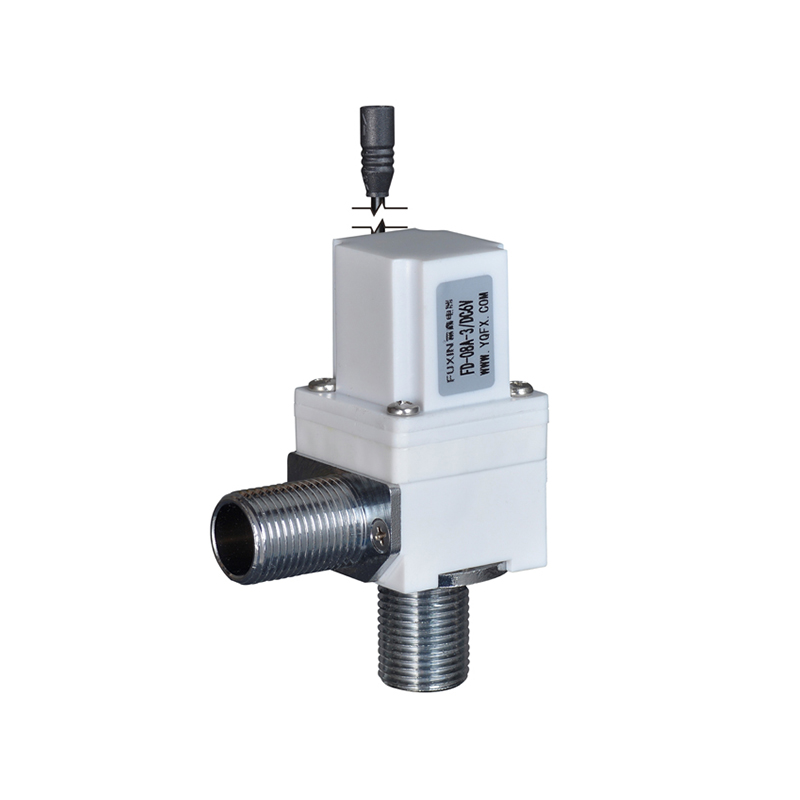
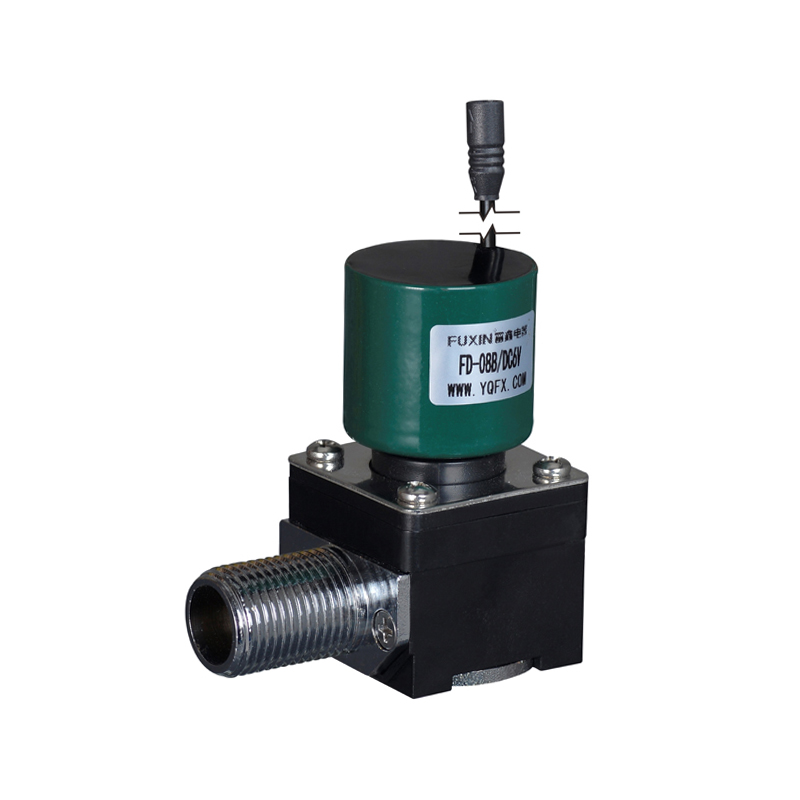
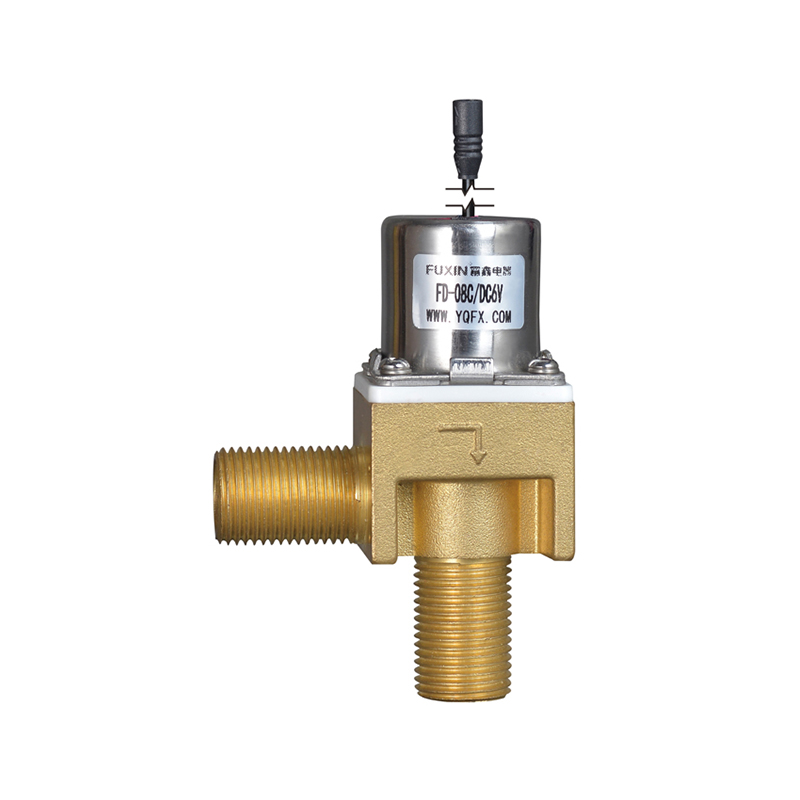
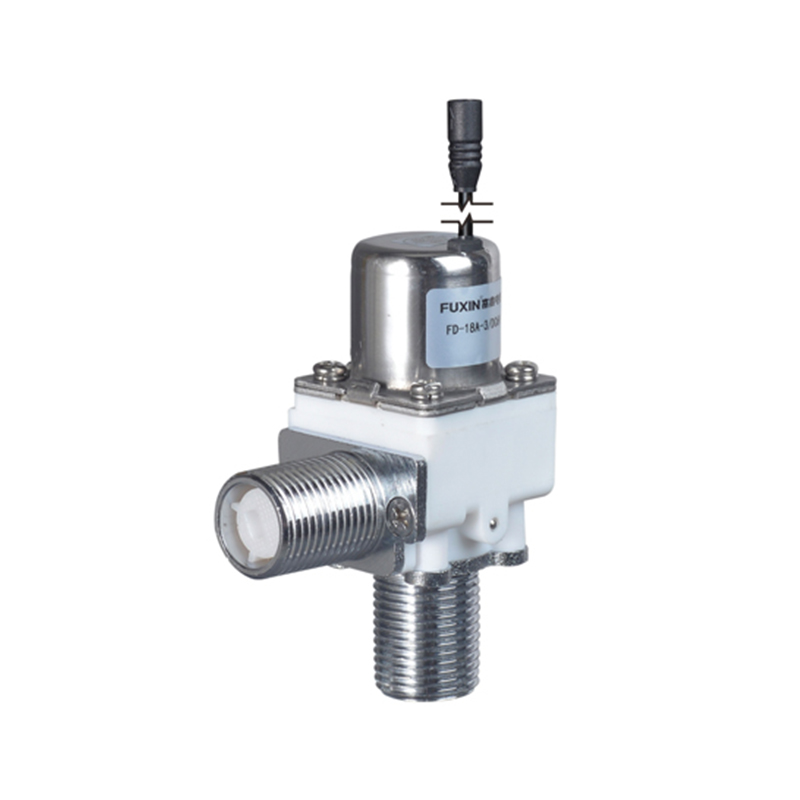
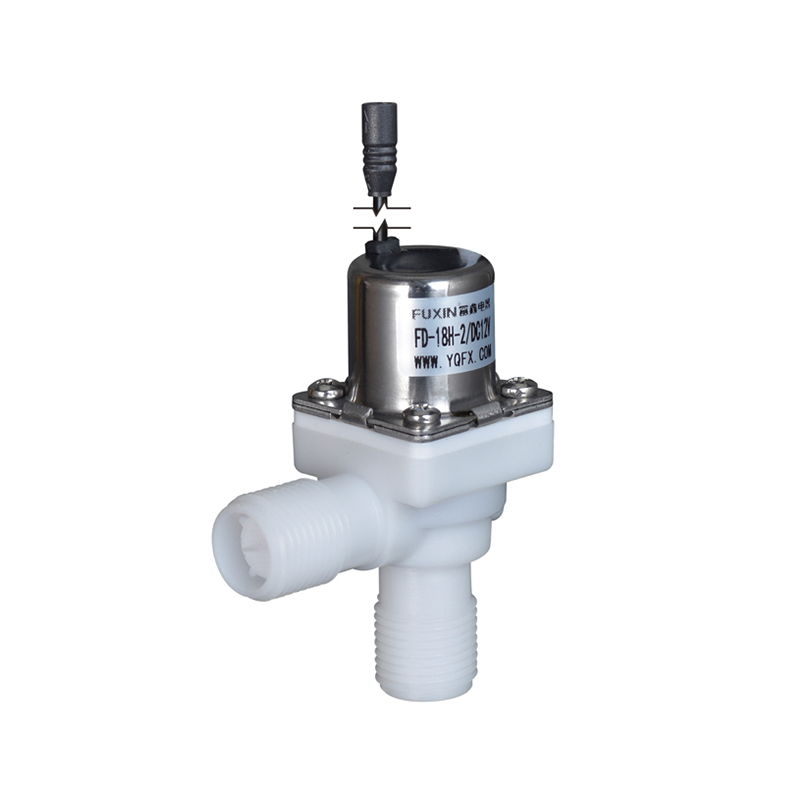
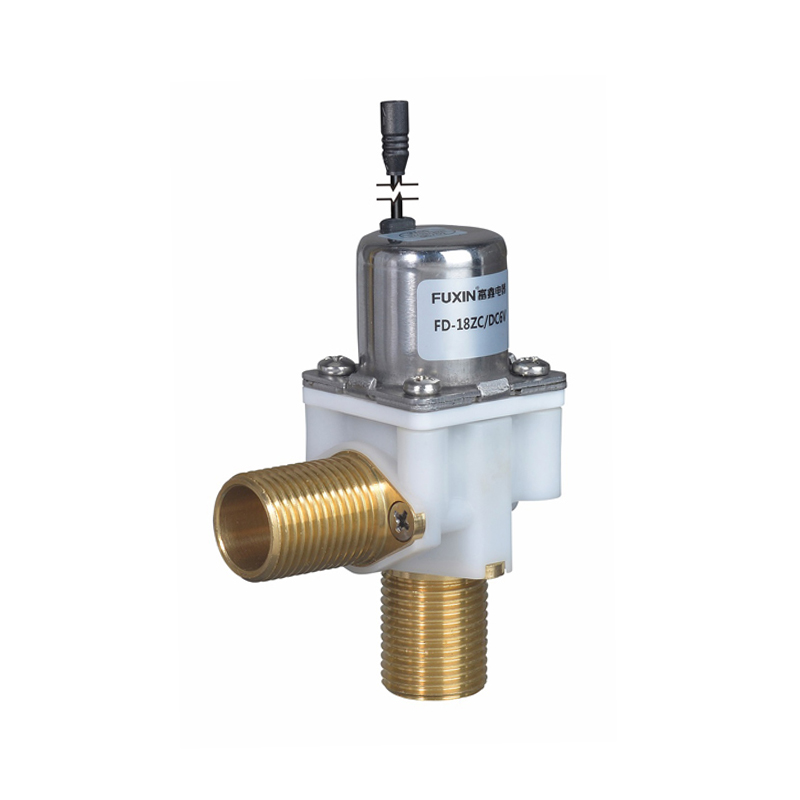
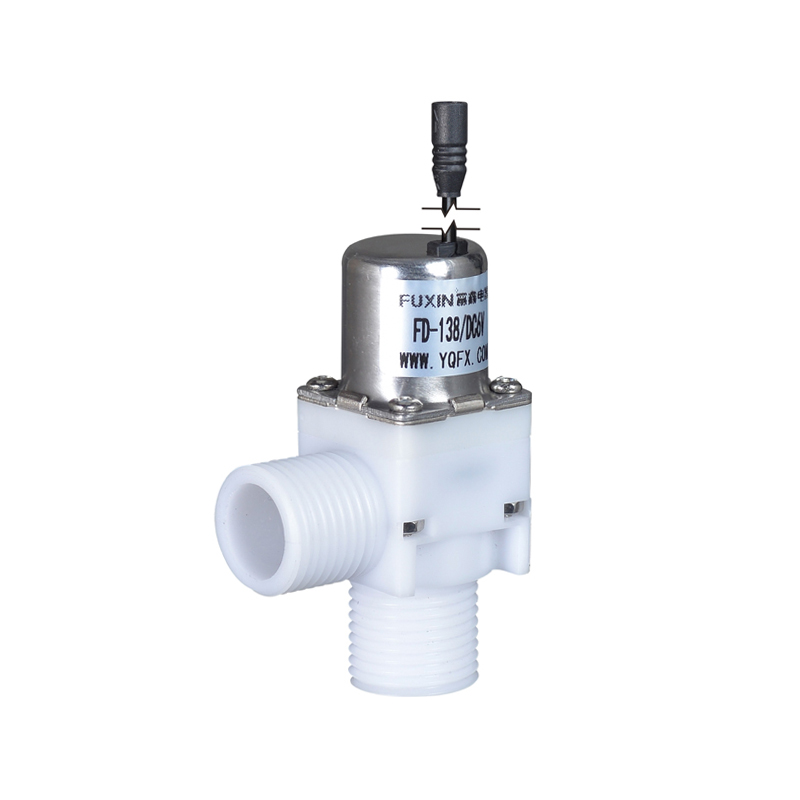
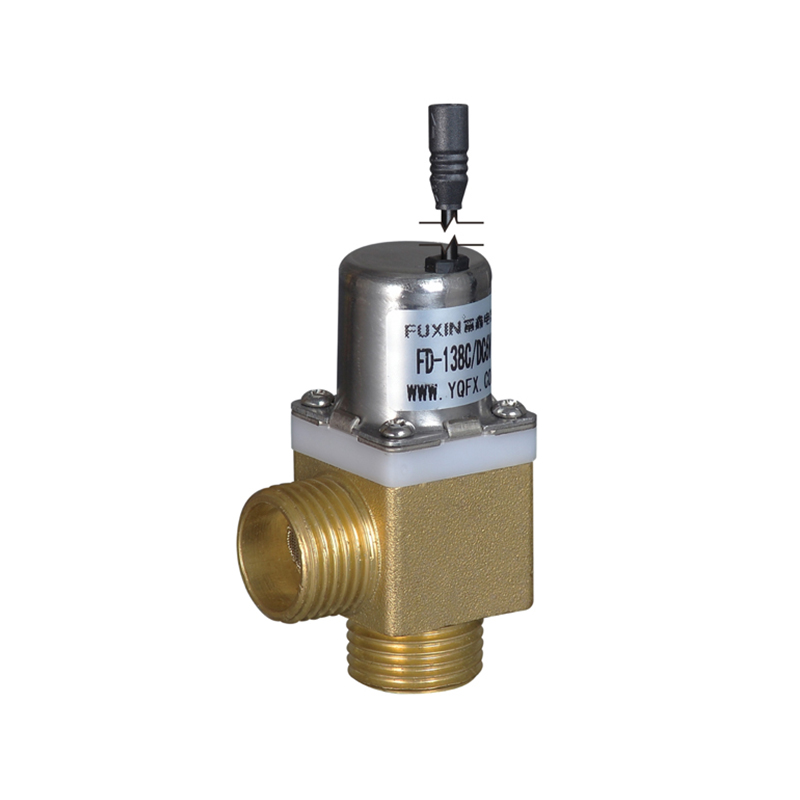
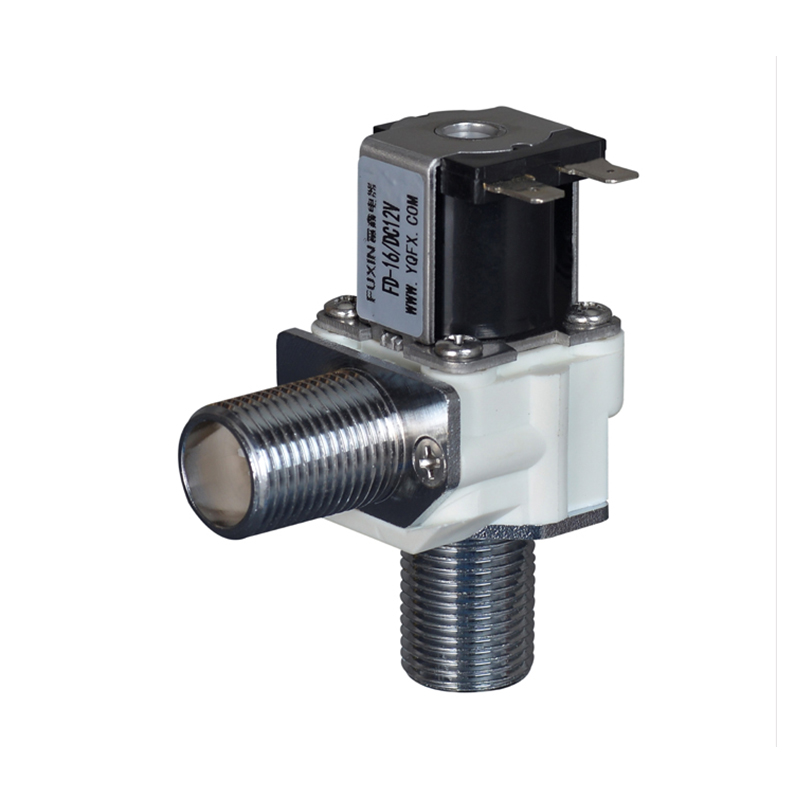
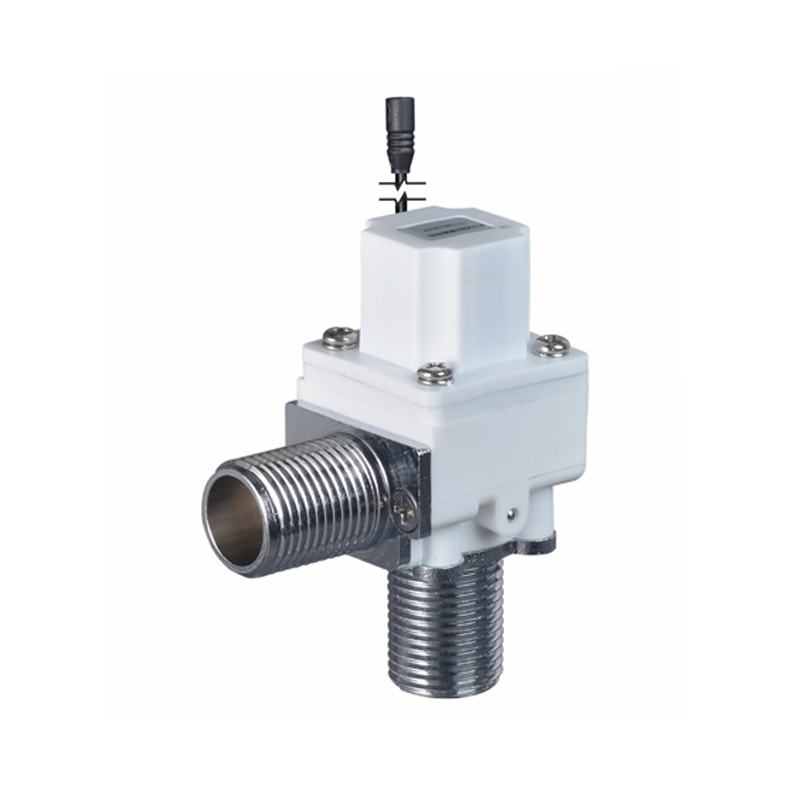
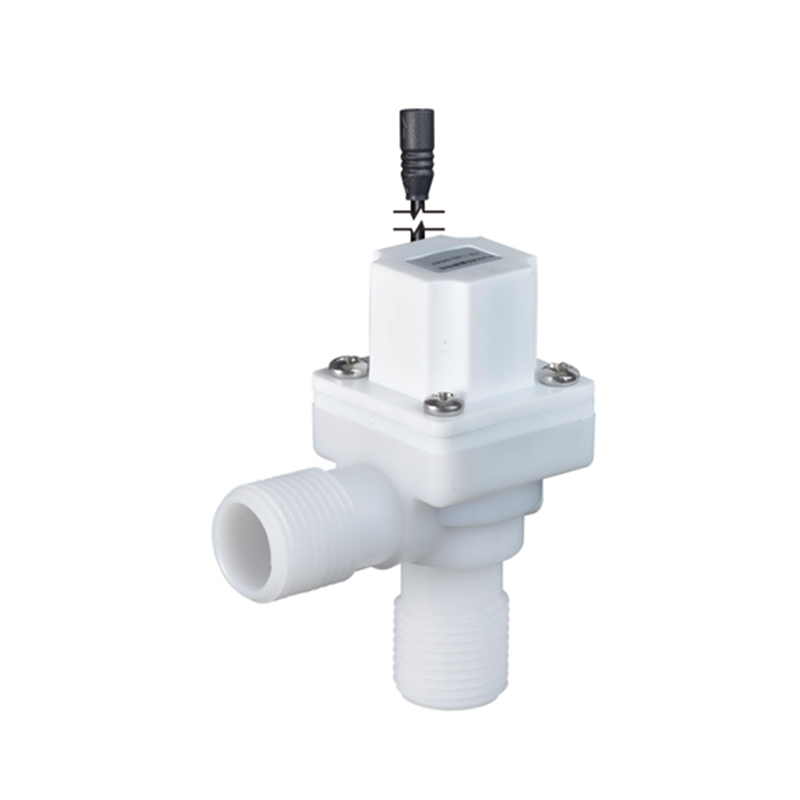
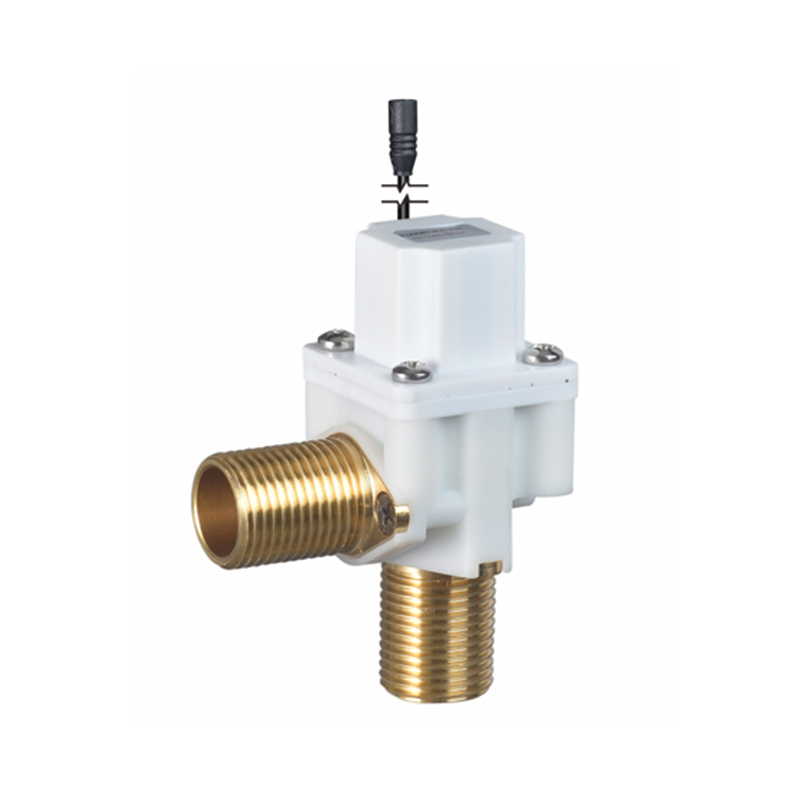
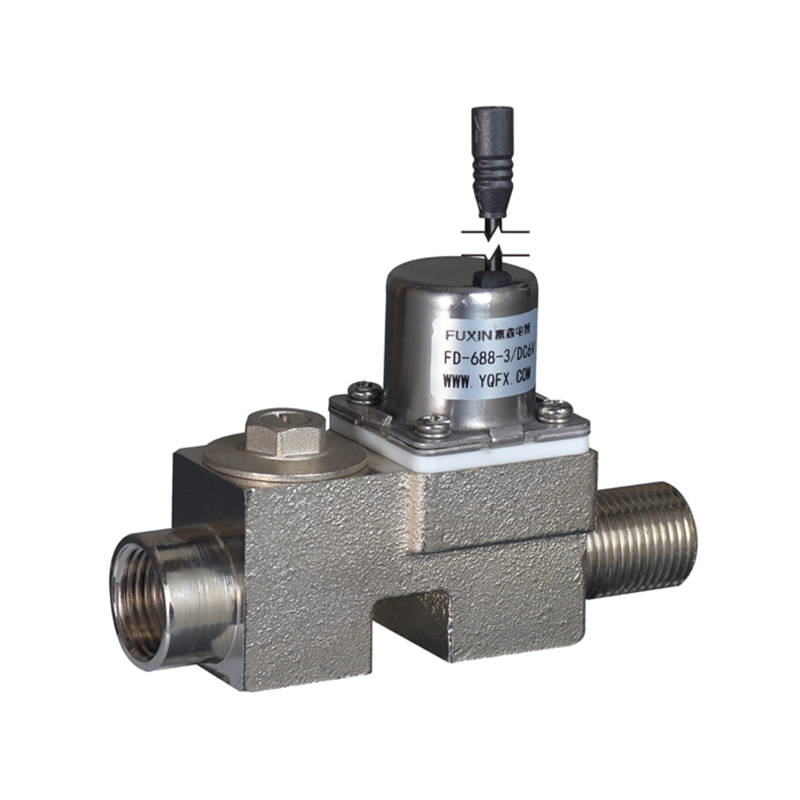
A Tap Solenoid Valve is designed to regulate water flow through electrical control rather than manual force. When integrated into a faucet or sanitary fixture, it allows the system to open and close water channels based on signals from sensors, timers, or control boards. This approach supports consistent water delivery without relying on mechanical handles or repeated user adjustment.
In daily operation, users may not notice the valve itself, but they experience its effect through smooth activation and stable water output. For product developers, the value lies in repeatability. A properly engineered Tap Solenoid Valve reacts the same way across thousands of activations, supporting consistent behavior in both simple and automated tap designs.
Operating Conditions and Usage Patterns
Tap solenoid valves often work in environments where water pressure, temperature, and electrical input remain within defined ranges. However, usage frequency can vary widely. In private bathrooms, activation cycles are relatively moderate. In public or commercial restrooms, the same valve may operate continuously throughout the day.
These different usage patterns influence internal design choices. Components such as plungers, springs, and seals must tolerate repeated movement without drifting from their intended response. This is why cooperation with a Tap Solenoid Valve Manufacturer often includes discussion about expected cycle frequency and operating conditions, rather than relying only on catalog data.
Design Structure and Component Selection
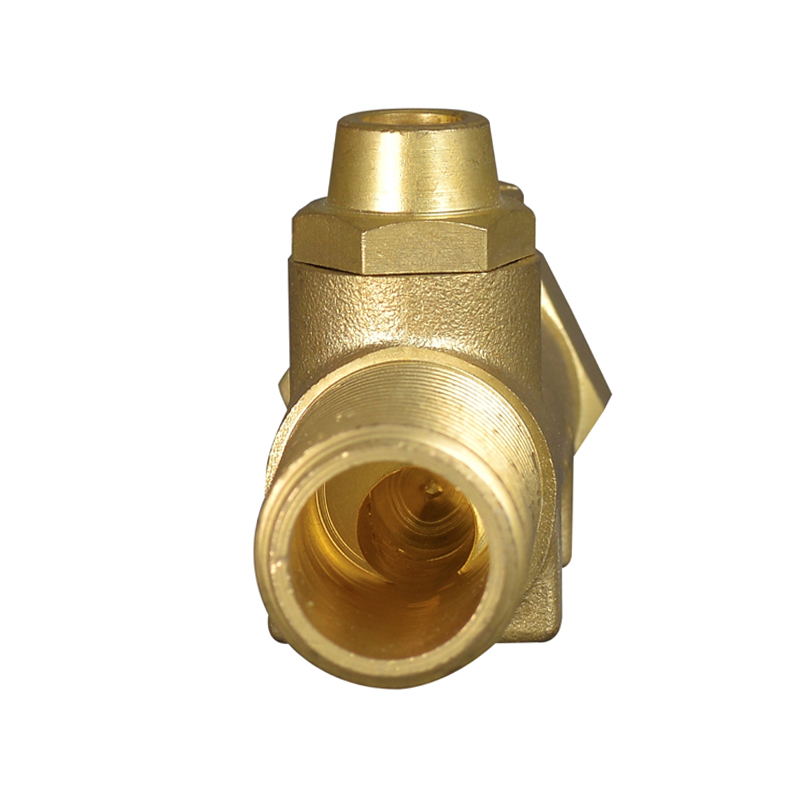
The internal design of a Tap Solenoid Valve directly affects its working stability. Valve bodies are typically produced from corrosion-resistant materials that can handle long-term exposure to water. Internal sealing elements are selected to maintain a reliable closure while reducing friction during movement.
Coil configuration is another key factor. A well-balanced electromagnetic coil supports consistent actuation under rated voltage conditions. This is especially relevant in sanitary systems powered by low-voltage supplies, where electrical stability influences valve response. An experienced Tap Solenoid Valve Manufacturer will often adjust coil parameters and internal clearances based on real application feedback.
Integration with Faucets and Control Systems
From a system integration perspective, tap solenoid valves must align with the physical layout of the faucet and the logic of the control system. Compact dimensions allow the valve to fit within limited internal spaces, while standardized connections simplify assembly.
Electrical compatibility also matters. The valve must communicate smoothly with sensors or control modules, responding accurately to input signals. Early alignment between the fixture designer and the Tap Solenoid Valve Manufacturer helps reduce integration challenges and supports stable operation across different product versions.
Service Life and Operational Stability
During long-term use, water quality can influence valve behavior. Minerals or fine particles may gradually affect internal movement, which makes surface finish and material choice important from the beginning. While maintenance requirements are generally low, design decisions made during manufacturing largely determine how the valve behaves after extended operation.
Consistent production processes contribute to predictable performance. A Tap Solenoid Valve produced under controlled conditions tends to maintain similar response characteristics across batches. For this reason, many sanitary ware brands establish ongoing cooperation with a trusted Tap Solenoid Valve Manufacturer to support uniform quality across multiple projects.
By focusing on operating conditions, internal structure, and system integration, a Tap Solenoid Valve becomes a reliable functional element within modern sanitary fixtures. Its contribution lies in controlled water flow, responsive activation, and steady performance that support a wide range of sanitary applications without drawing attention to the component itself.