
 EN
EN English
 Español


The solenoid valve in your system is drawing continuous current every second it holds a position. Multiply that by a dozen valves, an extended duty cycle, and a battery-powered installation — and the power budget problem becomes difficult to ignore. Engineers designing fluid control systems for remote irrigation, portable medical devices, or smart metering infrastructure run into this wall regularly. The Bi Stable Solenoid Valve exists precisely to address it: a valve that holds its state with no continuous power draw, switching only when a pulse command is received. The question is not whether the technology works — it does — but whether it fits the specific system you are designing. That conditional is worth taking seriously. Latching valves are not a universal drop-in replacement. They offer clear advantages in specific operating conditions and introduce tradeoffs that make them the wrong choice in others. Working through those conditions systematically is what separates a well-suited replacement decision from one that creates new engineering problems.
How a Bi Stable Solenoid Valve Actually Differs From a Standard Valve
What Makes the Latching Mechanism Structurally Different?
A conventional solenoid valve works through electromagnetic force. Apply current, the plunger moves, the valve opens or closes. Remove current, a return spring pushes the plunger back to its resting position. The valve has one stable state — the de-energized state — and holds any other position only while current flows continuously.
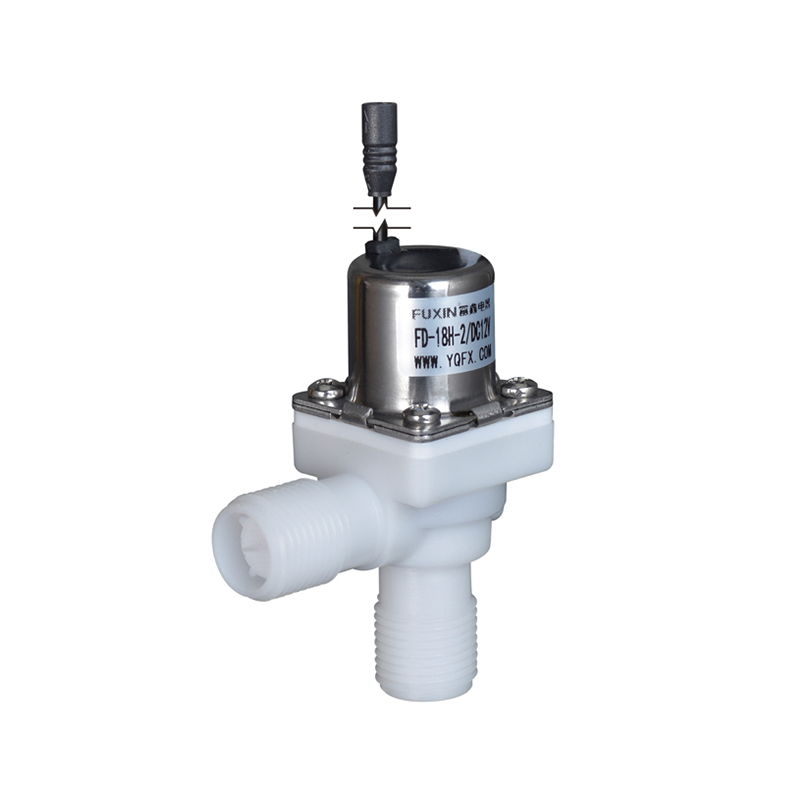
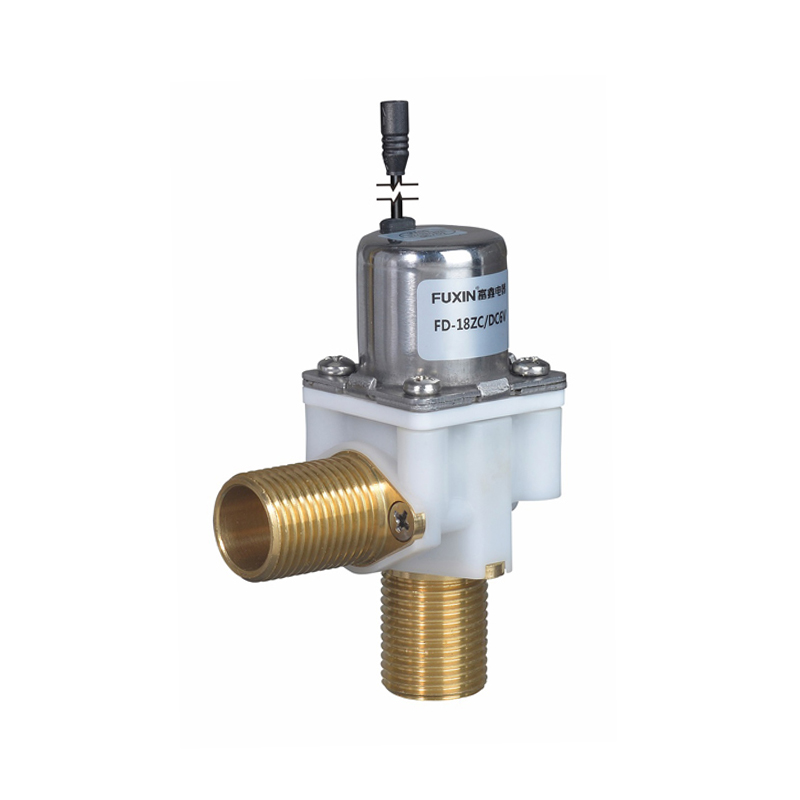
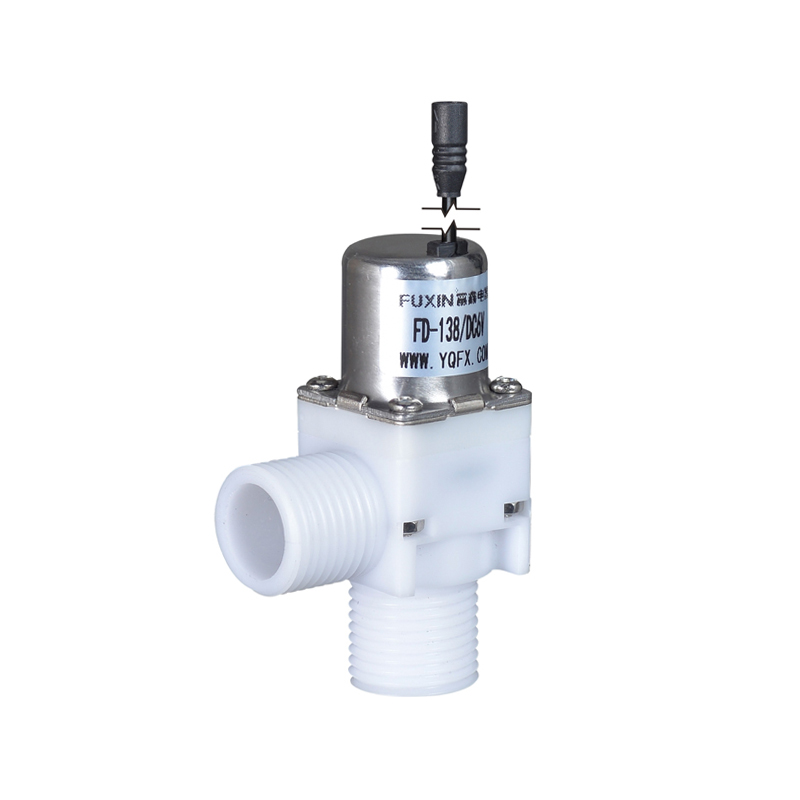
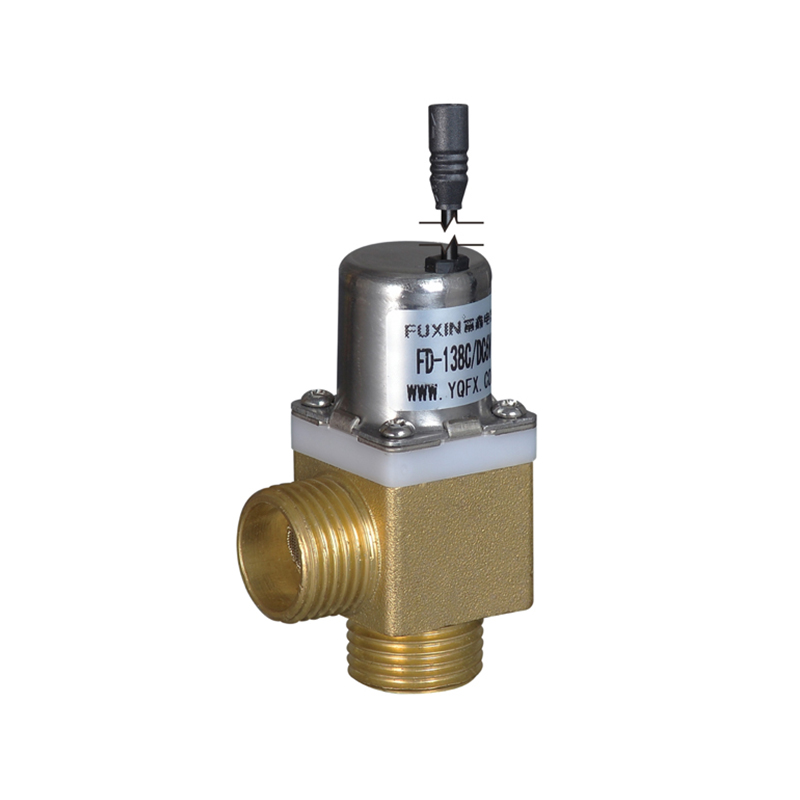
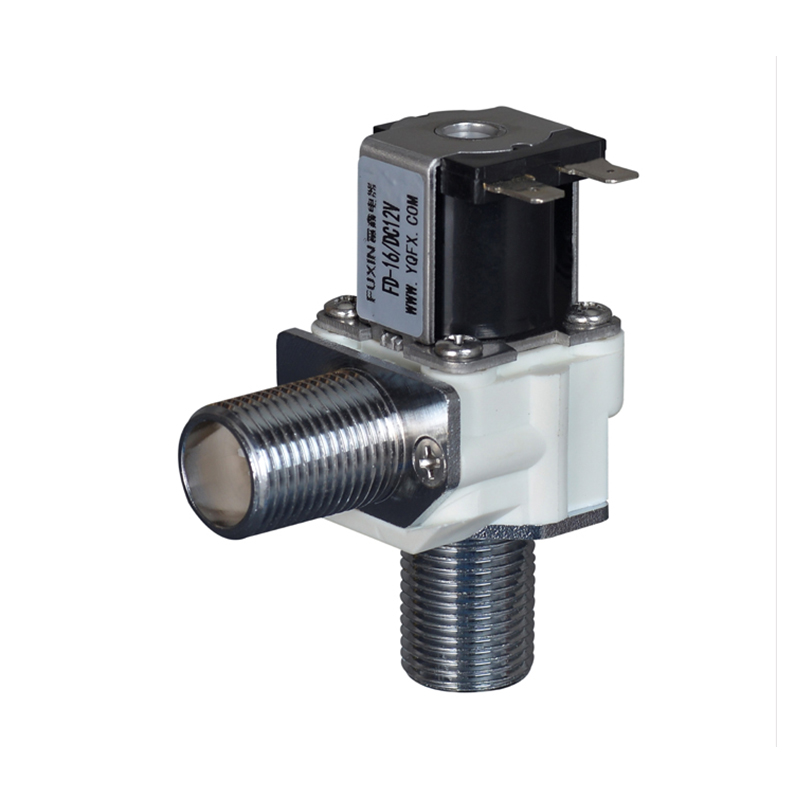
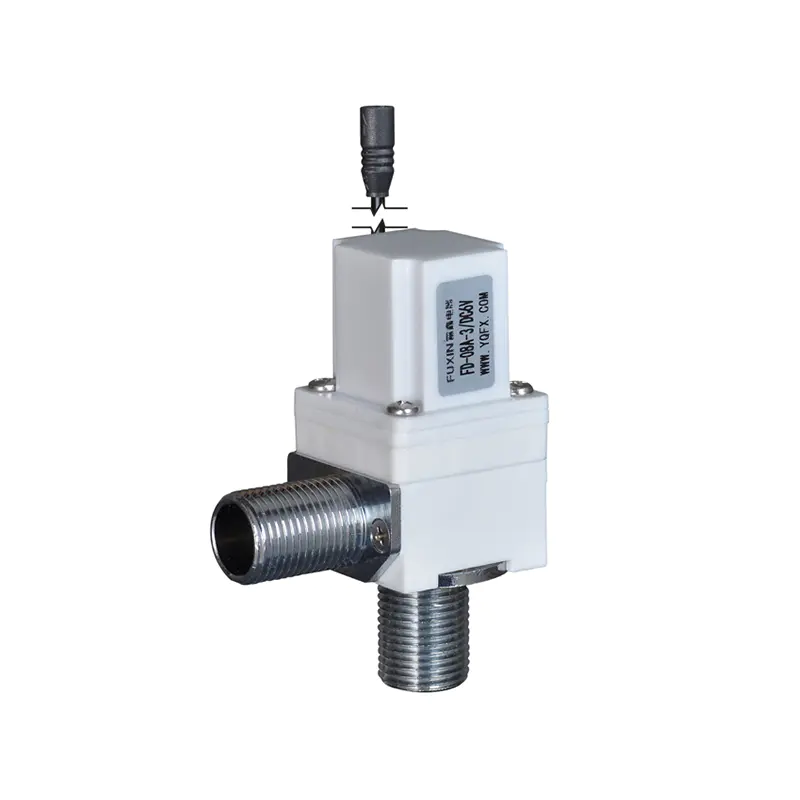
A Bi Stable Solenoid Valve, also called a latching solenoid valve, uses a permanent magnet in its internal structure. This changes the energy model fundamentally. A short electrical pulse moves the plunger from one position to the other. Once it arrives, the permanent magnet holds it there with no further electrical input required. A second pulse, reversed in polarity or applied to a second coil, moves it back. Both open and closed are stable states — hence "bistable."
This is not just a minor design variation. It reframes the entire power consumption profile of the valve. Instead of continuous current across the full duty cycle, the valve draws energy only during the brief switching pulses. For systems where valve state changes are infrequent relative to the total operating period — common in irrigation, metering, and monitoring applications — the difference in energy consumption across a day, week, or season of operation is substantial.
The Energy Case for Switching to a Latching Valve
When Does the Power Consumption Difference Actually Matter?
Not in every system. A mains-powered industrial automation line with valves switching dozens of times per minute does not have the kind of operating profile where latching valves deliver their characteristic advantage. The duty cycle is intensive, the switching is frequent, and the power source is continuous and reliable. Standard solenoid valves work cleanly in that environment.
The energy case for a Bi Stable Solenoid Valve becomes compelling when the operating profile looks different:
- Long hold periods between switching events. A valve that opens at the start of an irrigation cycle and does not close for hours is holding position for a long time. A standard valve draws current that entire period. A latching valve draws nothing after the opening pulse.
- Battery-powered or solar-powered installations. Every milliamp-hour matters in a system running on stored energy. A latching valve can extend battery life in a remote control node by a significant margin compared to an equivalent standard valve on the same duty schedule.
- Large numbers of valves in a distributed network. Power consumption compounds across a system. A network of remote monitoring stations, each controlling one or two valves, can see meaningful aggregate power savings by switching to latching designs — enough to affect the sizing of the power supply or the replacement frequency of batteries in the field.
- Low-frequency switching with long idle periods. Smart water meters, gas flow control, and HVAC zone controllers often hold valve positions for extended periods. These are the applications where the latching valve earns its engineering value clearly.
Control System Implications: What Changes When You Switch
Does a Latching Valve Make the Control System More Complex?
Yes — and this is the tradeoff that engineers need to evaluate honestly before specifying latching valves across a system.
A standard solenoid valve is straightforward from a control logic standpoint. Apply voltage to open, remove voltage to close. The valve state tracks directly with the electrical signal. A control system can always determine the valve's position by knowing whether the coil is energized.
A latching valve introduces a layer of complexity:
- The controller must track valve state independently, because the valve holds its position whether or not it is receiving a signal.
- Switching requires generating a pulse — typically a short burst of current — rather than simply toggling a voltage level.
- Polarity must be managed correctly. Reversing polarity to switch the valve back requires the driver circuit to handle bidirectional current, which adds hardware complexity compared to a simple on/off output.
- On system startup or after a power interruption, the controller does not automatically know the valve's current position. A position sensing mechanism or an initialization sequence is needed if the system requires reliable state knowledge at power-on.
For systems with an existing control architecture designed around standard solenoid valves, retrofitting latching valves means updating the driver circuitry and control logic — not just swapping components. In new designs, incorporating latching valves from the start is cleaner. In retrofit scenarios, the engineering effort required to adapt the control system is part of the cost-benefit calculation.
Power Failure Behavior and Fail-Safe Design
What Happens to a Latching Valve When Power Is Lost?
This is one of the areas where the standard valve has a clear structural advantage — and where the latching valve requires more careful system design to compensate.
A standard normally-closed solenoid valve is inherently fail-safe in many applications. When power is removed for any reason — planned shutdown, fault, or interruption — the return spring closes the valve. The system defaults to a known safe state without any intervention from the control system.
A latching valve holds its state when power is lost. If the valve was open when power failed, it stays open. If it was closed, it stays closed. Whether this is safe depends entirely on which state is required for the application under fault conditions:
- In an irrigation system where water flowing during a power outage causes no harm, an open valve at power loss may be acceptable or even desirable.
- In a gas control application where an open valve during a fault is unsafe, the latching valve's hold-on-failure behavior is a serious design concern.
- In a normally-closed default requirement, the latching valve can be specified to be closed when last commanded, but this relies on the control system having correctly issued a close command before power was lost — which cannot always be guaranteed.
Applications where fail-safe behavior is a regulatory or safety requirement need to either use standard solenoid valves or incorporate additional hardware — a spring return mechanism, a capacitive backup power supply to issue a closing pulse on power failure, or a dedicated fail-safe circuit — to achieve predictable fault behavior with a latching design.
A Side-by-Side Comparison Across Key Engineering Factors
Laying the two valve types against each other across the factors that matter in system design clarifies where each performs well and where it carries risk.
| Engineering Factor | Standard Solenoid Valve | Bi Stable Solenoid Valve |
|---|---|---|
| Power during hold state | Continuous current required | No power required |
| Switching mechanism | Voltage on/off | Pulse command, polarity-dependent |
| Control logic complexity | Lower | Higher |
| Fail-safe behavior | Spring return to default state | Holds last commanded state |
| Suitability for battery systems | Limited | Well-suited |
| State knowledge at power-on | Implied by coil state | Requires tracking or sensing |
| Fast switching applications | Well-suited | Less suitable |
| Long hold period applications | High energy cost | Low energy cost |
| Retrofit complexity | N/A (baseline) | Driver and logic changes required |
| Heat generation during hold | Ongoing coil heating | No coil heating |
Reading across that comparison, the picture is consistent: the latching valve trades control simplicity and predictable failure behavior for a substantial reduction in energy consumption during hold states. The correct choice depends on which side of that tradeoff the application demands.
Industry Applications Where the Switch Makes Sense
Which System Types Benefit Consistently From Latching Valve Design?
The applications that benefit from a Bi Stable Solenoid Valve share a common operating profile: infrequent switching, long hold periods, energy-constrained power supply, or some combination of these.
Smart Irrigation and Agricultural Water Management
Irrigation zones open at scheduled intervals and hold open for extended periods. A standard solenoid valve on an irrigation controller draws current continuously across the full watering period. At scale — dozens of zones across a large agricultural installation — the cumulative power demand is significant. Latching valves on battery-backed or solar-powered field controllers extend operational autonomy between maintenance visits.
Remote Metering and Monitoring Infrastructure
Smart water and gas meters in remote or difficult-to-access installations run on battery power for extended periods between service visits. Valve control in these systems must be energy-conservative. A latching valve that uses power only during the brief moments of flow control switching is a natural fit for this constraint.
Hvac Zone Control
Heating and cooling zone valves hold position across the full conditioning period. In building management systems with many zones, the aggregate power draw of standard solenoid valves across a large installation adds up. Latching designs reduce this load without affecting zone control performance.
Medical and Portable Devices
Portable fluid control devices — infusion systems, portable ventilators, diagnostic equipment — operate on internal battery power and require precise flow control with low energy draw. The bistable operation of a latching valve matches both requirements.
Environmental Monitoring Systems
Remote environmental sensors that control fluid sample collection or chemical dosing often operate on solar or battery power at field locations with limited maintenance access. Long intervals between switching events and constrained power budgets align well with latching valve characteristics.
When Latching Valves Are Not the Right Choice
Are There Applications Where a Standard Solenoid Valve Is Clearly Preferable?
Yes, and identifying these prevents specifying latching valves into scenarios where they create more problems than they solve.
Standard solenoid valves remain the more practical choice when:
- Switching frequency is high. Applications with rapid, frequent valve cycling benefit from the simplicity of standard on/off control. The energy advantage of latching diminishes as switching frequency increases, while the control complexity remains.
- Fail-safe default state is a hard requirement. Where regulations or safety standards require a defined valve position on power loss, the inherent spring-return behavior of a standard normally-open or normally-closed valve is simpler to certify and audit than a latching design with supplementary fail-safe circuitry.
- The control system cannot be modified. Existing PLC or control hardware designed for standard solenoid outputs may not easily generate the pulse signals latching valves require without driver circuit modification.
- Response time is critical. Standard solenoid valves typically have faster mechanical response to a control signal than latching variants, which matters in applications where valve timing precision is a performance requirement.
- Maintenance personnel are not familiar with latching valve behavior. In facilities where maintenance staff are accustomed to diagnosing valve problems by checking coil voltage, the bistable behavior of a latching valve — which holds position with no signal — can create diagnostic confusion without adequate training.
Evaluating Whether a Replacement Is Worth the Engineering Effort
What Is the Right Framework for Making the Substitution Decision?
The decision to replace standard solenoid valves with latching alternatives should follow a structured evaluation rather than a blanket choice.
A practical evaluation sequence:
- Map the duty cycle of each valve in the system — how long does it hold each state between switching events?
- Identify the power source constraints — is the system mains-powered, battery-powered, or solar-backed?
- Assess the fail-safe requirement — what must happen to each valve if power is lost unexpectedly?
- Review the control system architecture — can it generate pulse outputs with the correct polarity, and can it track valve state independently?
- Evaluate the retrofit cost — what changes to driver hardware and control logic are required?
- Calculate the energy savings over a representative operating period and compare against the engineering cost of the switch.
Where the duty cycle is long, the power source is constrained, fail-safe requirements can be met with the latching design, and the control system can be adapted at reasonable cost — the substitution generally justifies itself. Where any of those conditions are not met, the standard valve is likely the simpler and more appropriate choice.
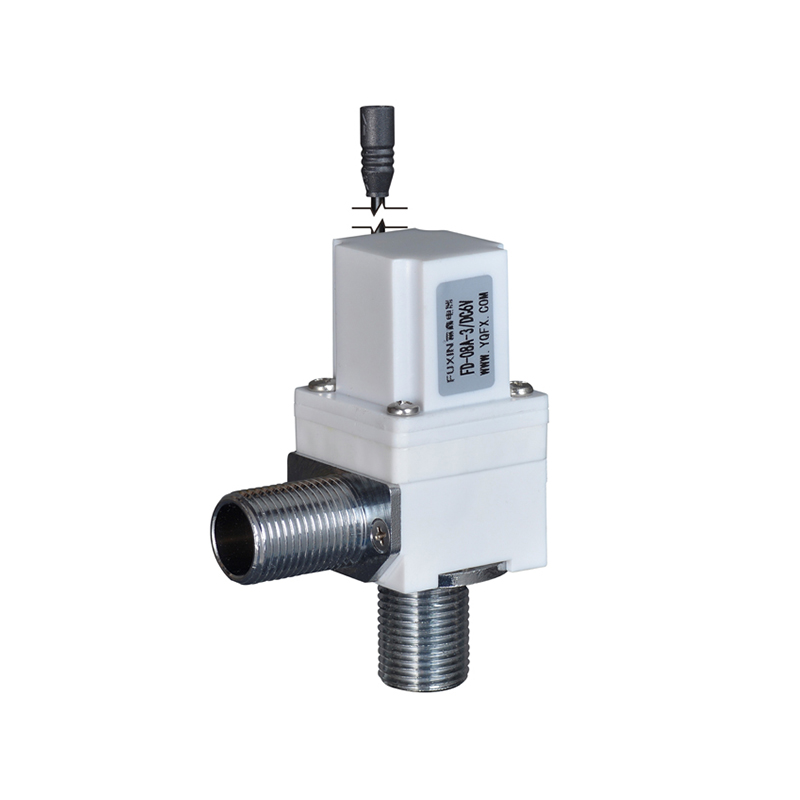
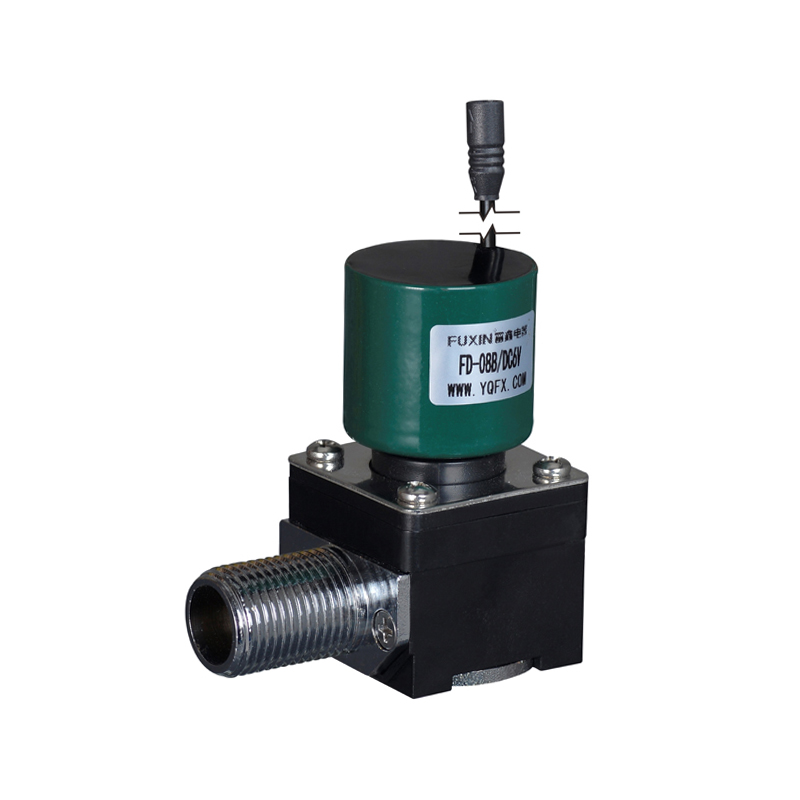
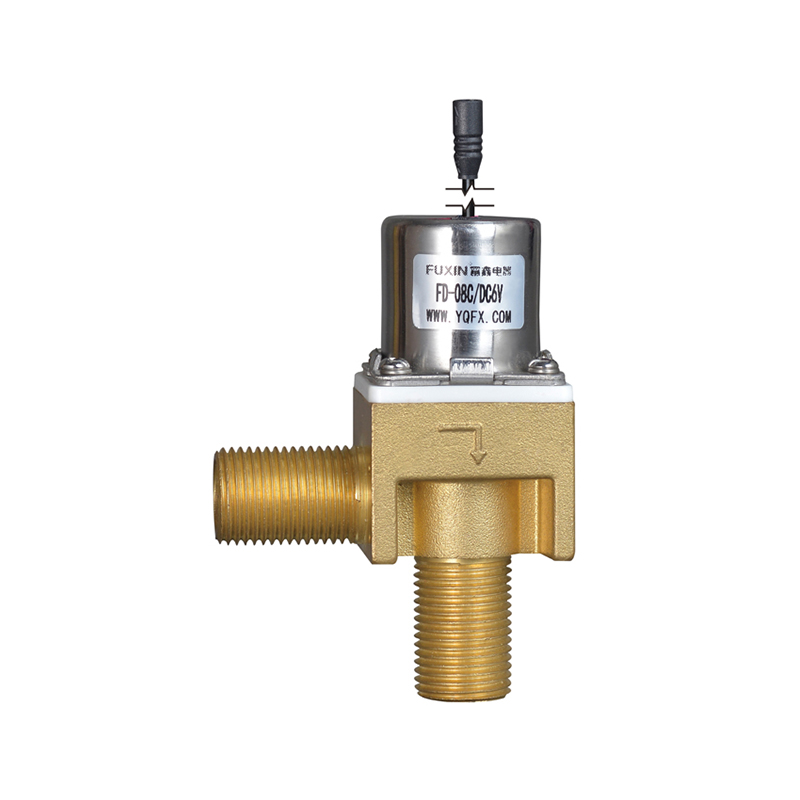
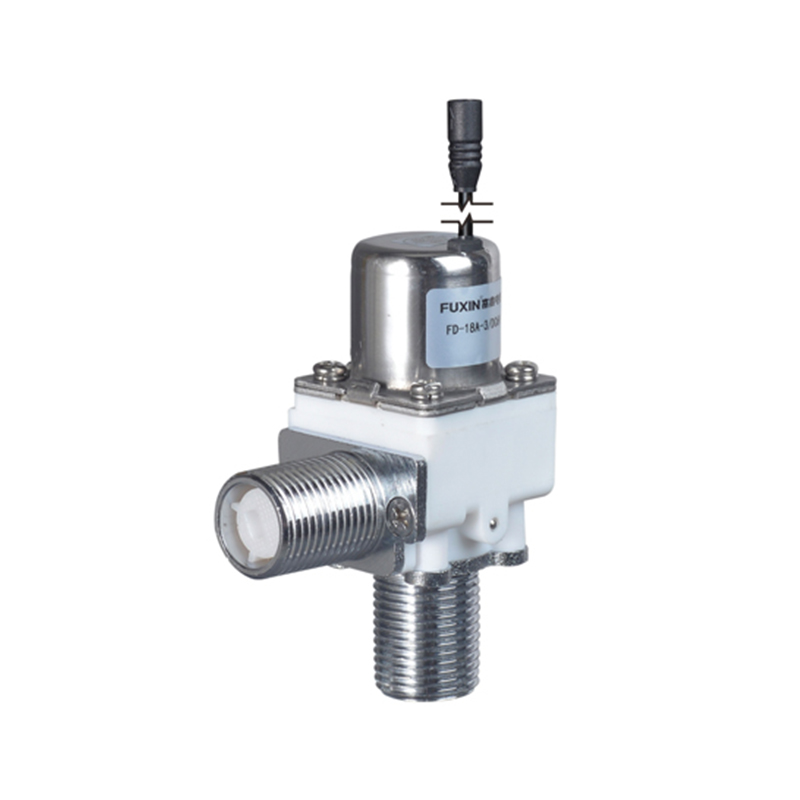
The decision to move from a conventional solenoid valve to a Bi Stable Solenoid Valve is fundamentally an engineering optimization — not a general upgrade. It delivers real value in the right operating context: long hold periods, energy-limited power supplies, distributed networks where aggregate current draw matters, and applications where coil heat generation during hold states is a concern. It introduces complexity in control logic, state tracking, and fail-safe design that is manageable in new system designs but requires deliberate effort in retrofits. Working through the evaluation framework outlined here — duty cycle, power source, fail-safe requirements, control system adaptability — gives engineering teams a structured basis for the decision rather than a judgment call. For system designers and procurement teams evaluating latching valve options for specific applications, Zhejiang Fuxin Electrical Technology Co., Ltd. produces a range of bistable solenoid valves suited to fluid control in metering, irrigation, HVAC, and industrial monitoring systems — contact the team to discuss technical specifications or to request samples for system evaluation.